Last updated November 25, 2026
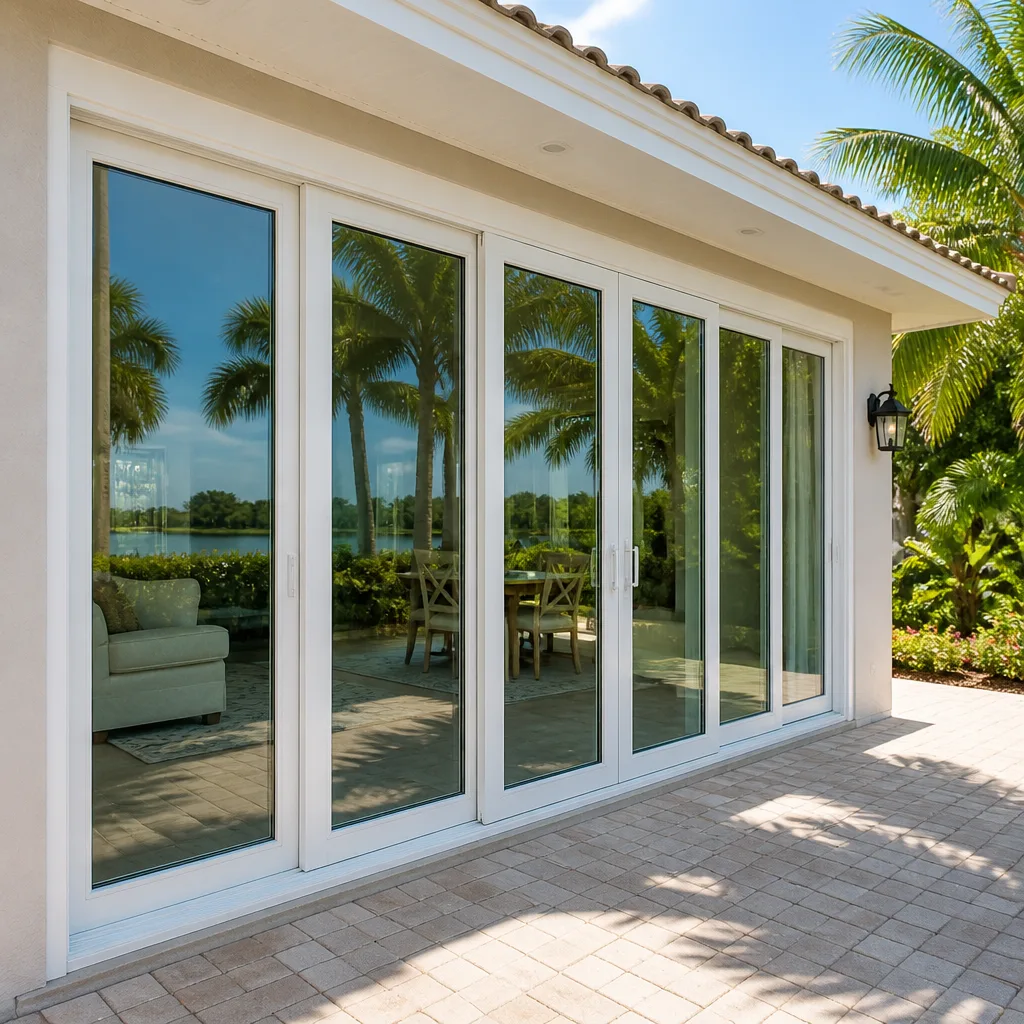
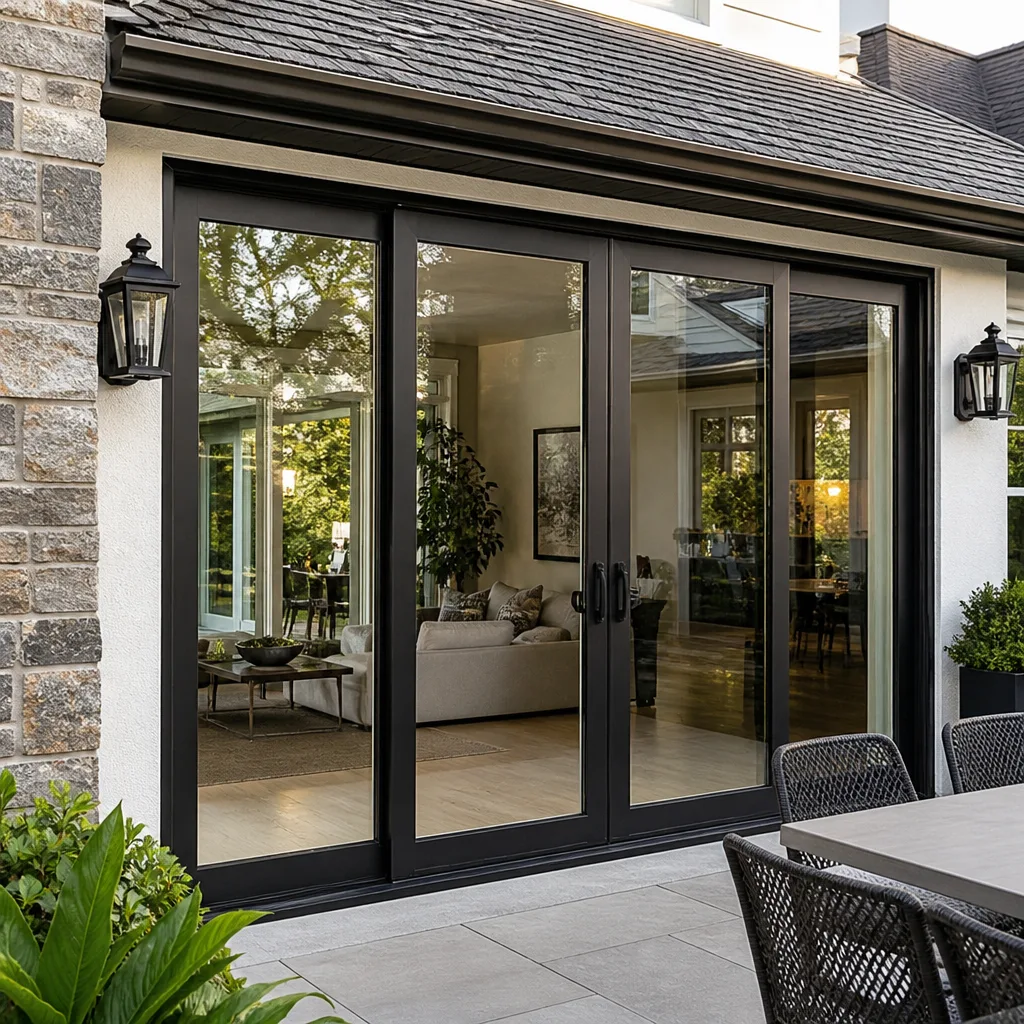
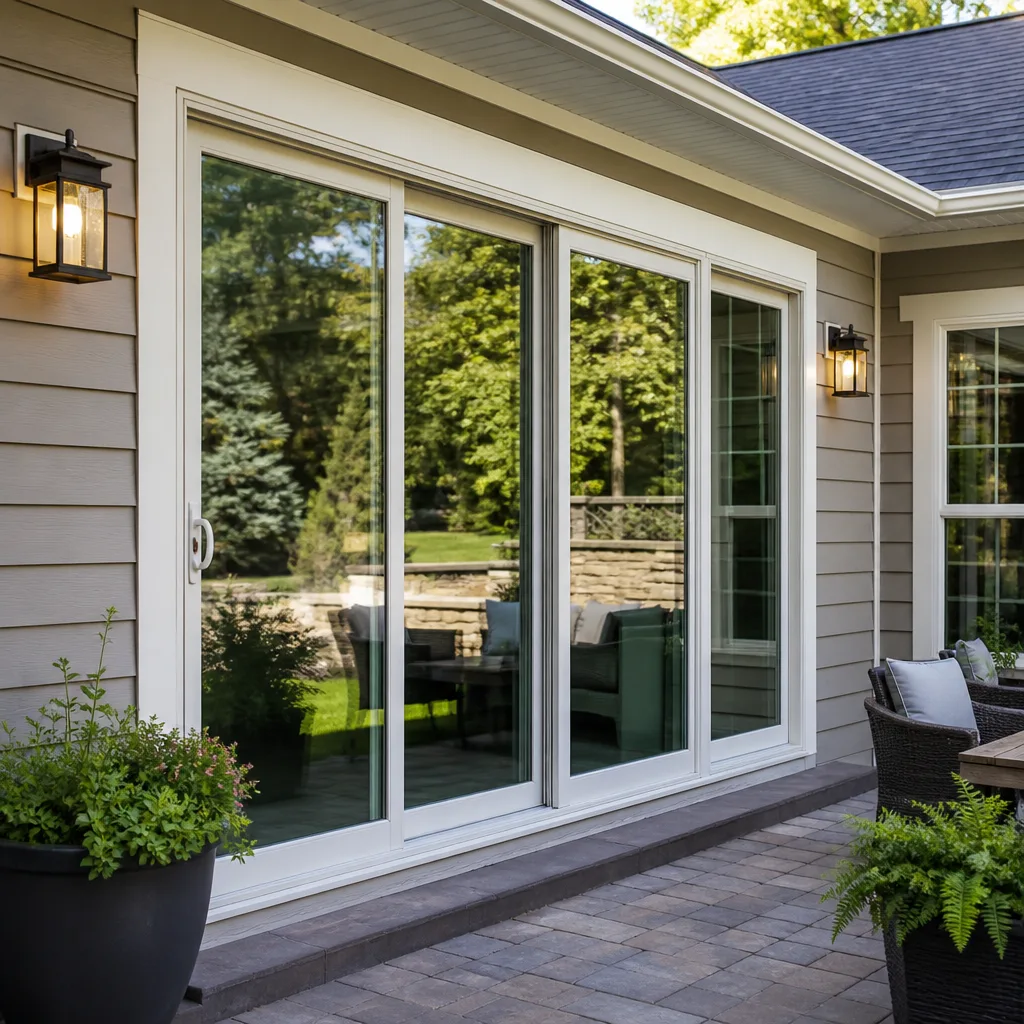 Sliding glass doors
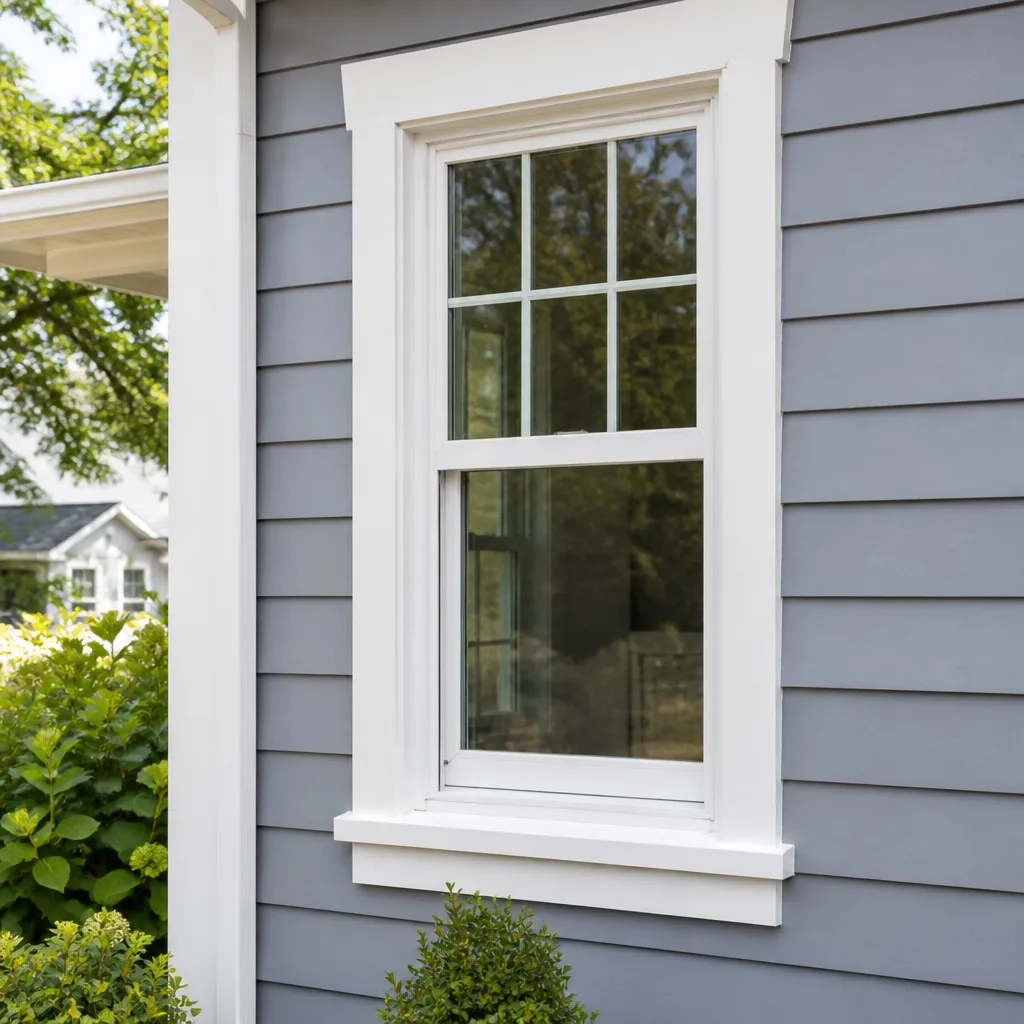 Single hung
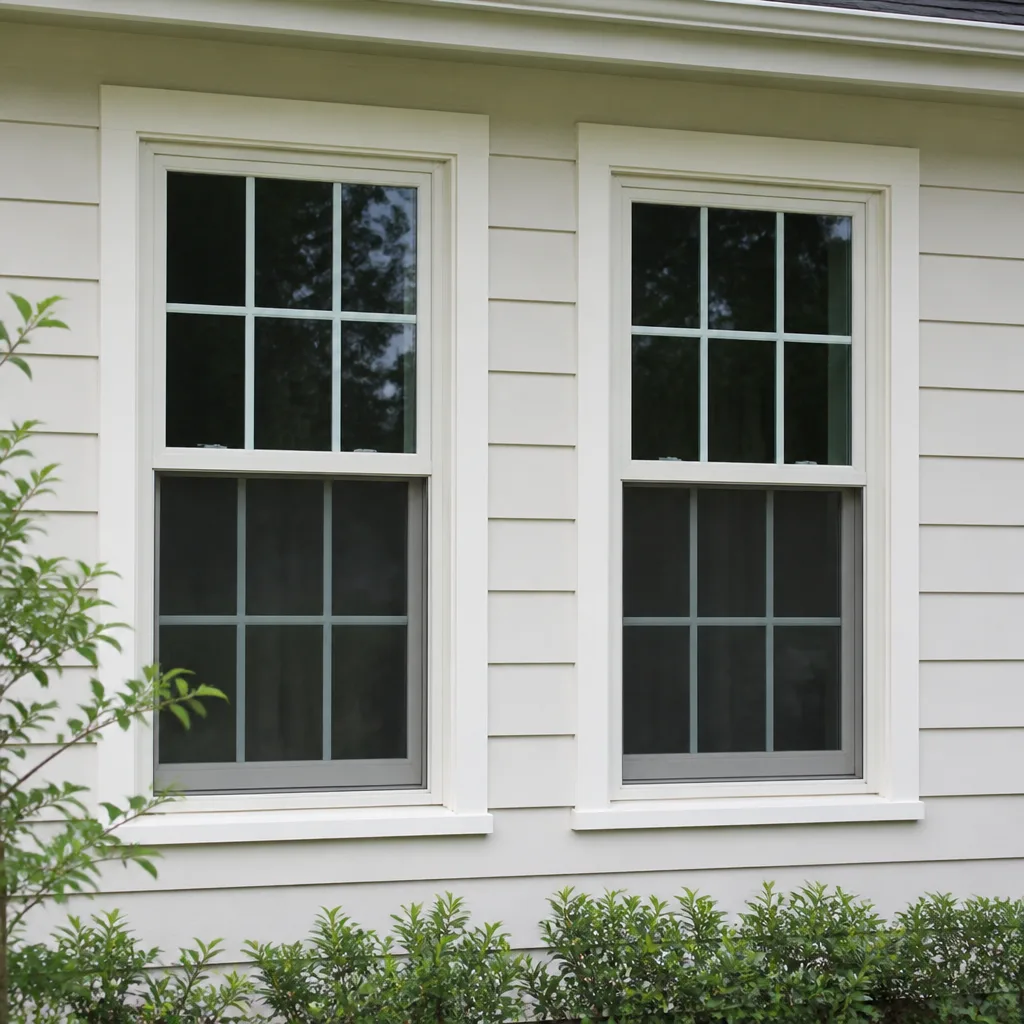 Double hung
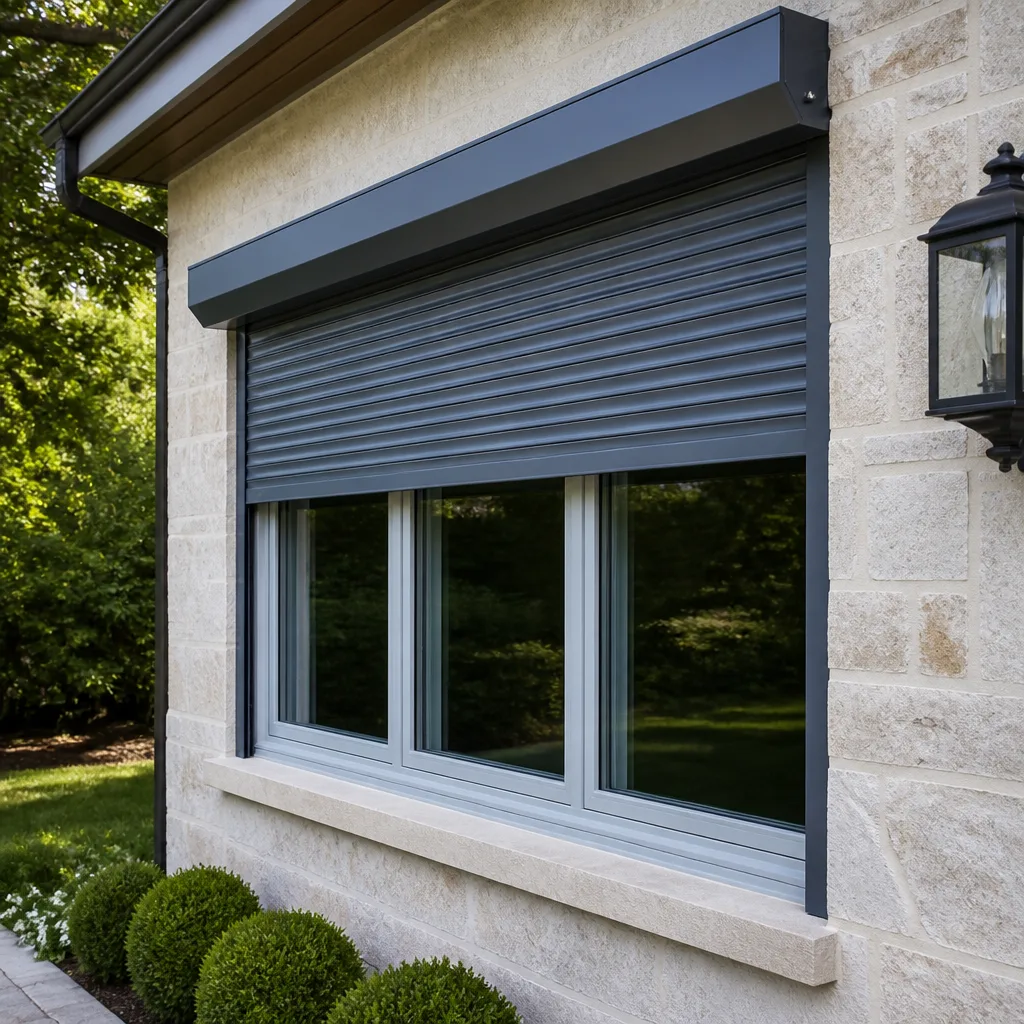 Horizontal roller
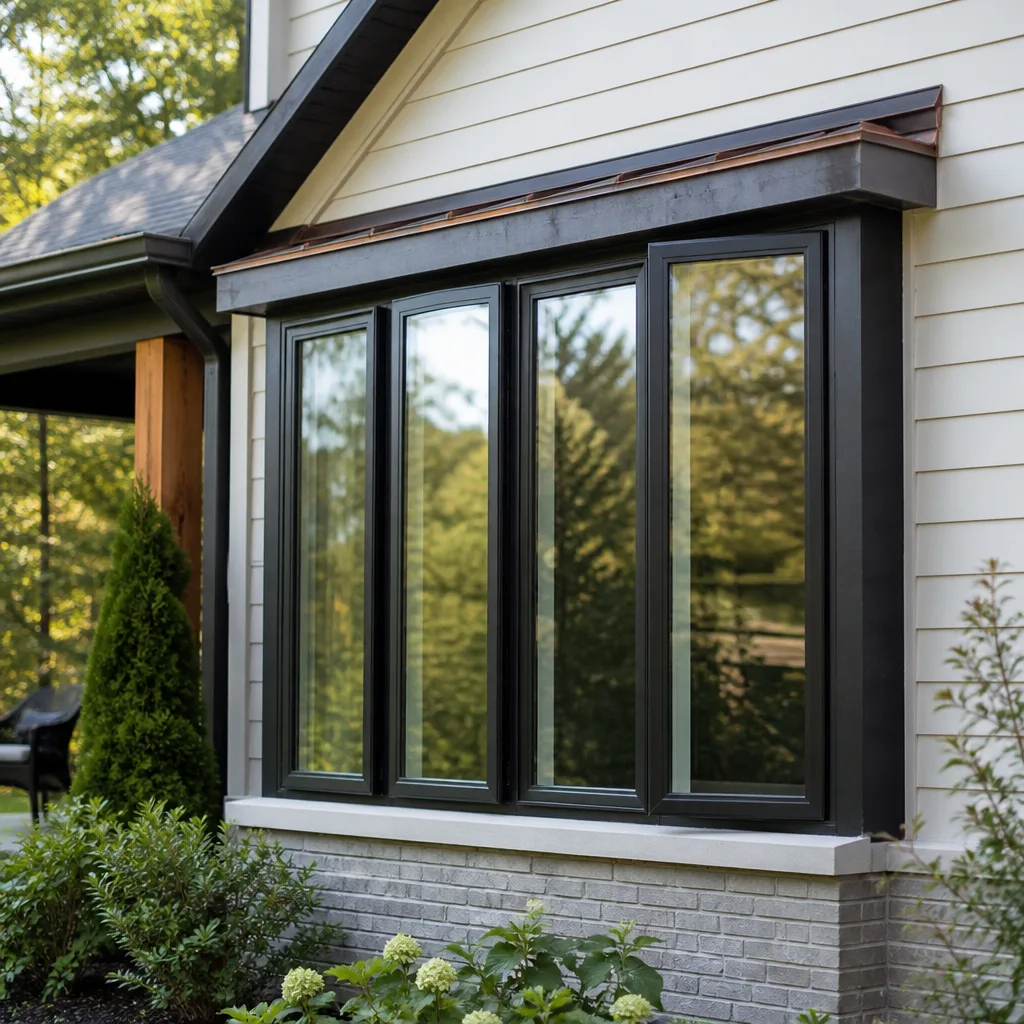 Casement
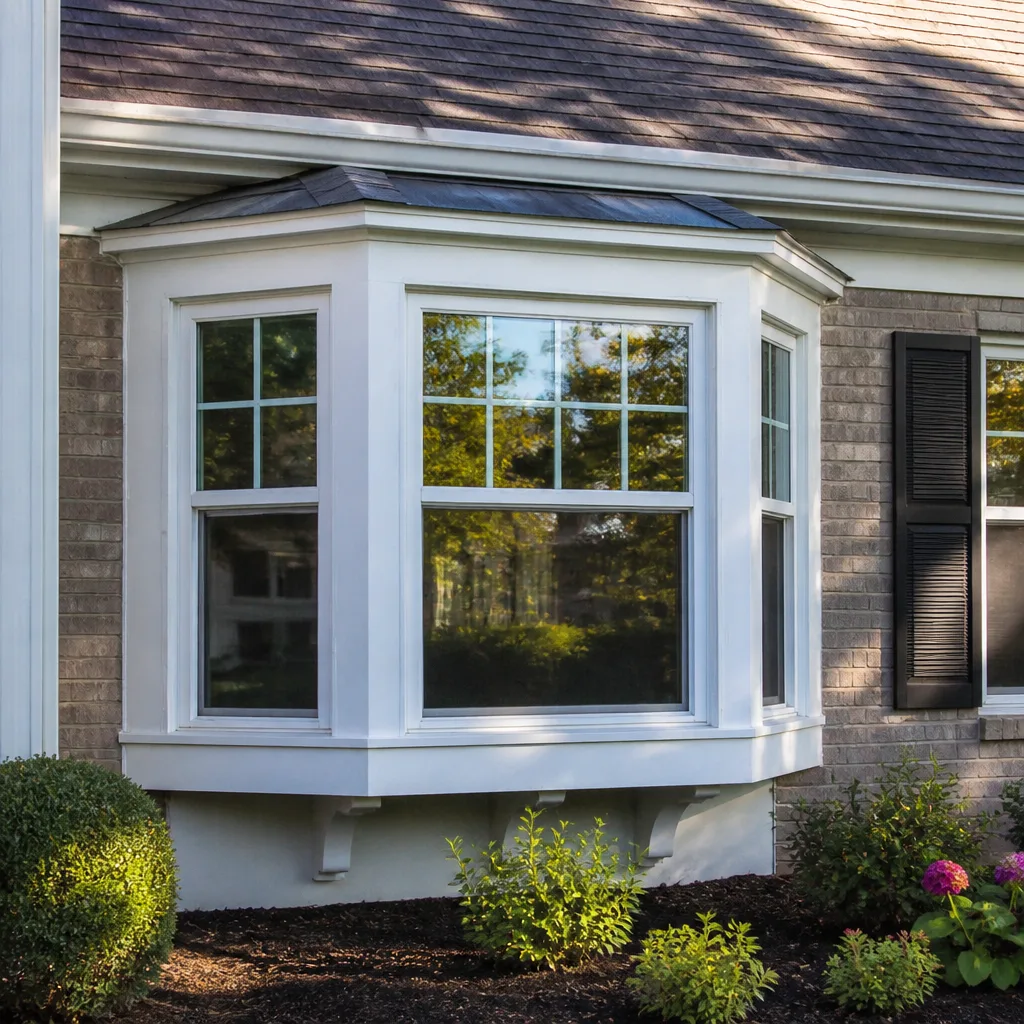 Bay & bow
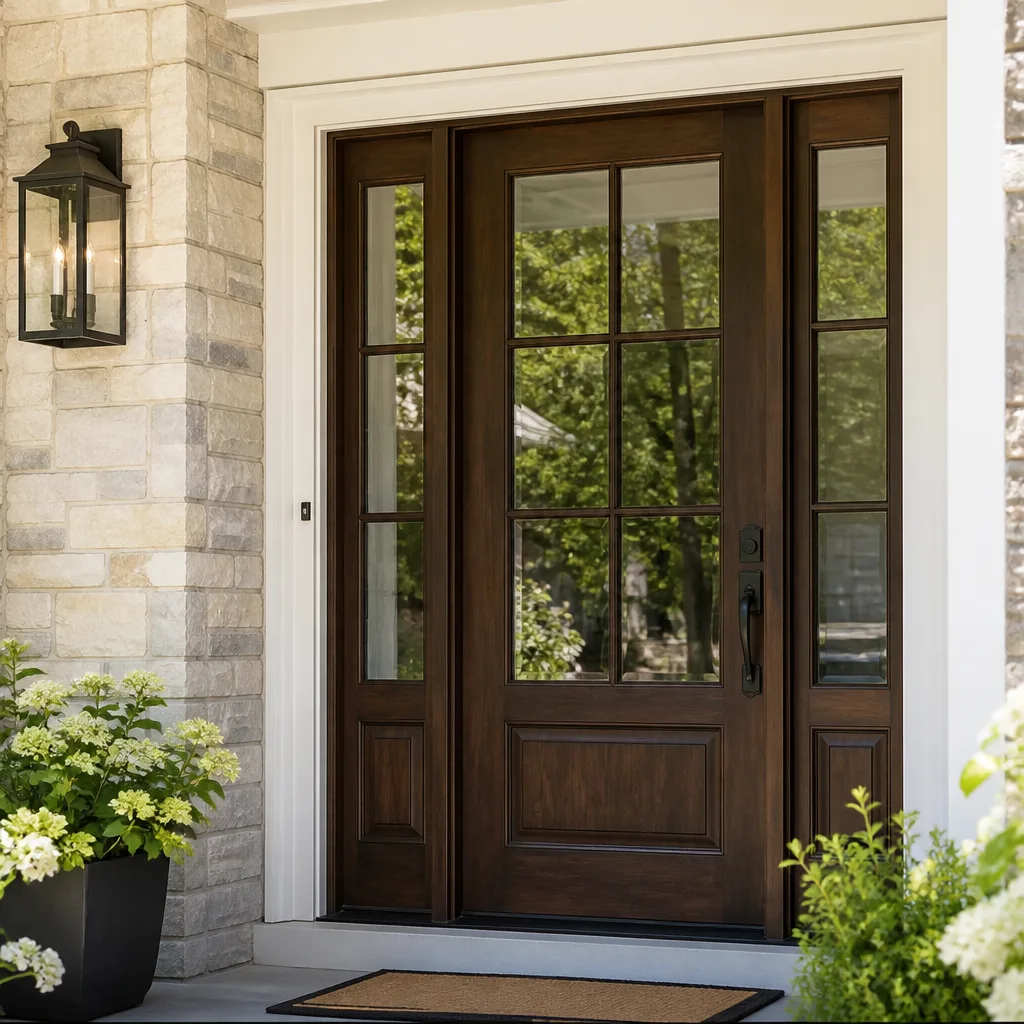 Entry doors
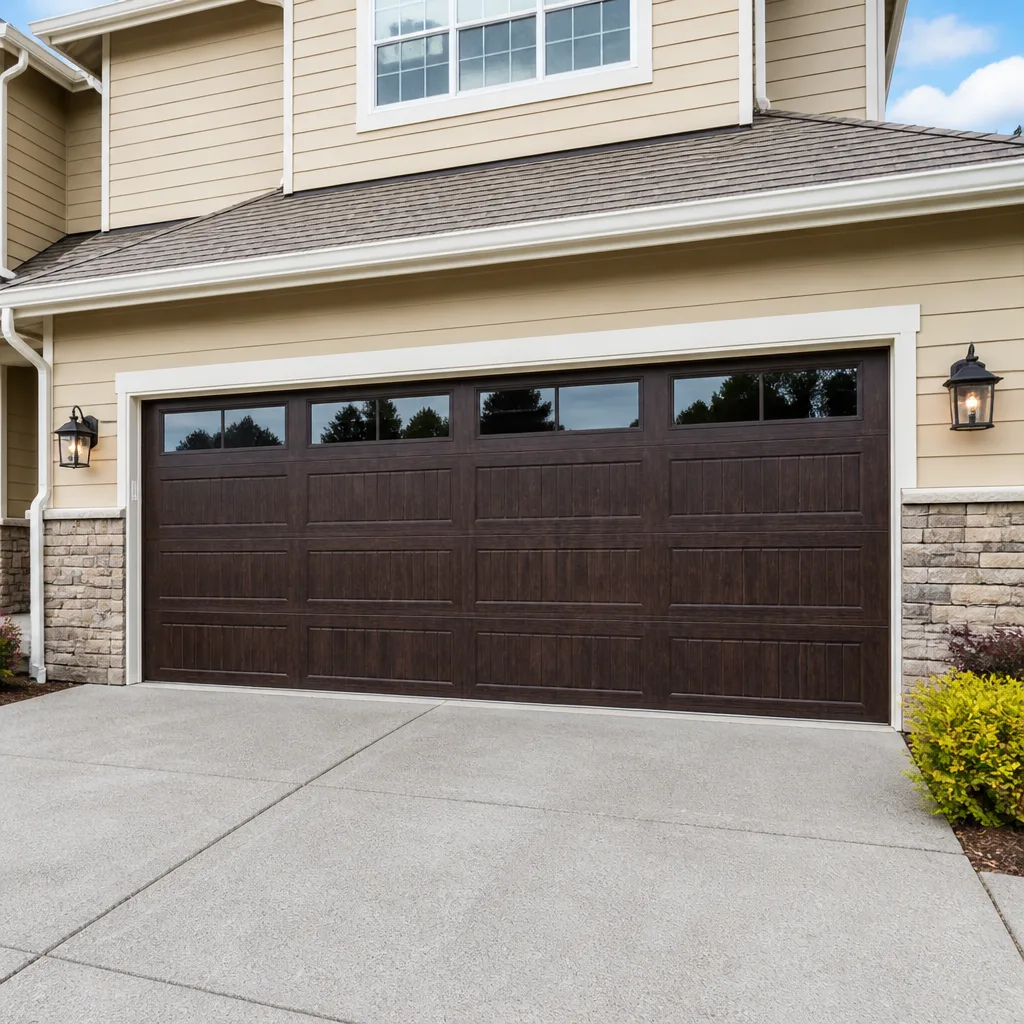 Impact garage doors
 PGT
 CGI
Free in-home measure and quote - PGT, CGI and CWS impact lines compared on your actual openings, style by style
Get your free estimateSeasonal Windows & Doors Care for Bellevue: Year-Round Homeowner’s Guide
Most homeowners here treat window and door upkeep as a tidy four-season checklist, evenly spaced and sensible. That’s the wrong frame. Bellevue gets roughly 80% of its annual rainfall between October and March, which means a weatherstripping check in September carries about ten times the protective value of the same check in June. The calendar here isn’t symmetric, and pretending it is leads people to fuss over low-stakes summer tasks while skipping the ones that actually keep water out. This guide assigns tasks to the months when they protect your home, explains why each one matters in Bellevue’s weather, and shows you what to watch for between checks.
Quick Answer
Windows and doors in Bellevue need the most attention in September and October, before the rain season starts, and the least in mid-summer. Pre-rain checks on sill drainage, compression seals, and door thresholds prevent the most damage; post-winter inspections in March and April catch wear from months of sustained wet and cold. The rest of the year is monitoring, plus one early-summer window for lubricating and adjusting operators.
Styles & brands we work with
- Single hung
- Double hung
- Horizontal roller
- Casement
- Bay & bow
- Sliding glass doors
- Entry doors
- Impact garage doors
- PGT
- CGI
Table of Contents
- Why the Bellevue Calendar Isn’t Symmetric
- September – October: The Checks That Actually Prevent Water Infiltration
- November – February: Reading Condensation Patterns Correctly
- March – April: Post-Winter Hardware and Finish Inspection
- May – June: The One Safe Window for Operator Work
- Ice Events: How Vinyl and Fiberglass Frames Behave Differently
- When Seasonal Care Stops Being Enough
- Common Mistakes to Avoid
- When to Call a Professional
- Frequently Asked Questions
Why the Bellevue Calendar Isn’t Symmetric
Bellevue sits on the east side of Lake Washington, and the weather pattern that shapes window and door wear here is a long, wet, mild stretch from fall into late winter. Days of steady drizzle, high humidity, and temperatures that hover just above freezing do more cumulative work on seals, sills, and thresholds than a dramatic storm ever does. Damage here is usually slow: a seal loses its compression a little, water creeps into a sill channel a little, and by the time it’s visible inside the house, the problem has been developing for a while.
That’s the argument for weighting your effort toward fall. A door threshold that’s sound in October keeps the driving rain out for five months. The same threshold checked in July tells you very little about how it will perform in November, because the conditions that stress it haven’t arrived yet.
Summer matters too, but for a different reason. Between roughly May and September, Bellevue is dry enough that you can lubricate hardware, adjust hinges, and work on casement and awning operators without opening your home to active rain. That’s a narrow window. Trying to adjust a casement operator in the middle of a wet week in December is how you end up with water where it shouldn’t be.
So think of the year in two jobs, not four equal seasons. Fall is the protective season: everything you do is about keeping water out. Late spring is the maintenance season: the work that keeps moving parts moving. Winter and early spring are for observation, not intervention, because the conditions that reveal problems are the conditions that make fixing them harder.
If at any point your inspection turns up something beyond routine care, our team handles window replacement in Bellevue and can tell you what a real fix looks like.
September – October: The Checks That Actually Prevent Water Infiltration
This is the stretch that earns its keep. Once the rain season settles in, water is looking for the smallest gap, and these three areas are where it usually finds one. Work through them in order, before the first sustained rain.
- Sill drainage. Every window has a way for water to leave the sill area. On many frames there are small weep holes or drainage slots along the bottom of the exterior sill; if they’re clogged with debris, pollen, or years of dirt, water sits instead of draining. Clear them and confirm water has a path away from the frame. On sliding doors, the track and its drain slots deserve the same treatment.
- Compression seals. Run your hand along the weatherstripping on operable windows and doors and look for flattening, cracking, or gaps at the corners. Compression seals work by being squished when the unit closes; once a seal flattens permanently, it stops sealing. Check especially the corners and the hinge side of doors, where wear concentrates.
- Door thresholds. Look at the threshold and the door bottom itself. The door should meet the threshold evenly across its width, with no daylight showing and no scrape that tells you it’s binding on one side. Threshold seals on entry and patio doors take a lot of wear in a climate where a door sees rain for half the year.
Do these checks after a dry spell when the frames aren’t already soaked. If you find a seal that won’t make it through the season, that’s information worth acting on before October rather than after.
One more local note: Bellevue’s tree cover matters here. Homes near places like Bridle Trails or Cougar Mountain tend to collect more organic debris in sill channels and door tracks over the summer, so those checks are more urgent, not less, when you’re surrounded by trees.
November – February: Reading Condensation Patterns Correctly
Condensation on glass in winter is normal and expected. Bellevue’s winter outdoor temperatures typically sit in the high 30s to mid 40s, while indoor temperatures run in the high 60s or low 70s. That temperature differential, combined with ordinary indoor humidity, will put moisture on the coldest surface in the room, which is usually the glass. Seeing it doesn’t mean anything is wrong.
What matters is where the moisture appears and whether it changes.
- On the interior surface, clearing when you ventilate. This is normal humidity condensation. Running a bathroom fan or cracking a window briefly resets it. Nothing to do beyond managing indoor moisture.
- Between the panes, persistently. This is the signal to watch. Moisture or fog that shows up inside the sealed unit and stays there points to a failed seal in the insulating glass unit, or IGU. The outside air has found a way into what should be a sealed space.
- At the edges of the glass, or on the frame itself. Worth a closer look at the surrounding seals and at the frame-to-wall junction.
- Patterns that change with the weather. Fog that appears on cold mornings and clears by afternoon is doing something different from fog that’s there all season.
A failed IGU is not a seasonal maintenance item. You can’t reseal a sealed unit once its perimeter seal has gone; the glass assembly is replaced. Winter is when these failures become visible in Bellevue, because it’s when the indoor-outdoor temperature gap is doing its diagnostic work. If you see persistent interior fog between panes, note which windows show it and how long it lasts, and plan to address it rather than watching it through several winters.
March – April: Post-Winter Hardware and Finish Inspection
After months of sustained wet and cold, the exterior of your windows and doors has been through its hardest stretch. Spring is when you look at what the weather did. This isn’t about finding dramatic failures; it’s about catching slow wear before it turns into water infiltration next fall.
Go around the house and check each of these:
- Finish on aluminum-clad frames. Look at the cladding, especially on south- and west-facing windows, for scratches, chalking, or areas where the finish has worn thin. A sound finish is what keeps aluminum from pitting.
- Fiberglass frame surfaces. Inspect for any cracking or surface deterioration at the corners and along the bottom rail, where standing water sometimes sits.
- Hardware operation. Open and close every window and door. Locks, latches, handles, and hinges should move without forcing and engage cleanly. A latch that needs a shove to catch is telling you something has shifted.
- Sealant joints. Check where the frame meets the exterior wall. Is the joint continuous, or has it cracked or pulled away? This is the boundary most likely to let water in if it fails.
- Interior evidence. Look for water staining, bubbling paint, or soft drywall near window and door corners inside. These point to something that happened over the winter.
Write down what you find. Spring findings are your fall to-do list. If a sealant joint has opened, getting it sorted now, while the weather is dry enough to do it properly, is far easier than trying to chase it during the rain season.
May – June: The One Safe Window for Operator Work
Casement and awning windows have moving mechanisms: crank operators, hinges, and slide tracks. These need periodic cleaning and lubrication, and functions like proper alignment and easy operation depend on it. The catch is that this work requires the window to be open for a while, and in Bellevue there’s really only one stretch of the year when that’s reliably safe: late spring, when the rain season has typically ended but the summer dry spell hasn’t fully set in.
Here’s how to approach it:
- Clean the operator mechanism and the tracks, removing grit and old lubricant. Debris in the mechanism causes binding, and binding causes strain on the crank.
- Apply a light lubricant to the moving parts. A dry or silicone-based lubricant is usually better than a heavy grease for these mechanisms, since heavy grease attracts dust.
- Open and close each window slowly and feel for resistance. A casement that cranks hard at one point in its travel has a misalignment.
- Check the hinges on awning windows and confirm the sash sits flush when closed.
Don’t do this in November. If you open a window for a lubricating session in the middle of a wet week and run into a problem, you’re now trying to fix a misaligned operator while rain works its way into the opening. May and June give you room to work and time to order any parts you need.
If you’re considering replacing rather than maintaining, our window installation team can walk you through the options.
Ice Events: How Vinyl and Fiberglass Frames Behave Differently
Bellevue doesn’t get full freeze-thaw cycles the way colder inland areas do. What it gets are occasional ice events: a cold snap that drops temperatures well below freezing for a few days, sometimes with a freezing rain or snow event layered in. Those events stress frames differently depending on what the frame is made of, and it’s worth knowing what each material does.
Vinyl Frames
Vinyl expands and contracts with temperature more than fiberglass does. During a cold snap, a vinyl frame contracts, and the glazing seal around the glass has to accommodate that movement. Vinyl is flexible, which helps, but a frame that isn’t well installed or that’s already showing sealant gaps will show them more clearly after a hard cold spell. After an ice event, check the sealant joints at the frame perimeter and look for any cracking in the frame corners.
Fiberglass Frames
Fiberglass holds its dimensions more steadily through temperature swings, so it typically moves less during a cold event. That stability is one reason it holds up well in climates with temperature variance. What to check on fiberglass after an ice event is different: look at the exterior finish and the frame corners, and check that the seals at the glazing edge haven’t separated.
What to Check After Any Ice Event
- Walk the exterior and check sealant joints at the frame-to-wall junction for openings.
- Operate every door and window to make sure nothing has bound up.
- Look at the glazing seals around the glass; a hard freeze followed by a thaw is when a weak seal shows its failure.
- Check door thresholds and door bottoms for water that got in during snow melt.
Ice events are also good reminders of why impact-rated construction matters in the region. Manufacturers like PGT and CWS build products for demanding conditions, and when we’re specifying windows for a Bellevue home, we’re matching the product to what the weather here actually does.
When Seasonal Care Stops Being Enough
Maintenance buys time, but there’s a point where it stops being the right answer. The clearest signals are structural rather than cosmetic.
- Persistent fog or moisture between the panes on multiple units, which points to IGU failures that maintenance can’t reverse.
- Water staining or soft drywall around several windows, which suggests water is getting past the installation rather than just past a seal.
- Frames that have warped enough that hardware won’t latch or windows won’t close flush.
- A house full of original windows that’s fighting you on energy costs every season.
When replacement is the right move, the product choice matters as much as the work. We carry eight manufacturer brands, including PGT, CGI, CWS, ES Windows, ECO Window Systems, Mr-Glass, Therma-Tru, and ViewLux, so the recommendation is built around your home’s needs rather than a single catalog. PGT and CGI are the performance benchmarks for impact-rated glazing, while Therma-Tru handles entry door work at the intersection of curb appeal and security. Because we cover both windows and doors, a full envelope project happens under one contract, with no handoffs between trades.
If you’re weighing a door replacement alongside your windows, doing both in one project is usually the cleaner path.
For window and door replacement or installation, we take on projects with 3 or more openings. Smaller jobs are better served by maintenance rather than replacement, and we’ll tell you so.
Common Mistakes to Avoid
- Treating the seasonal calendar as symmetric. Equal effort spread evenly across four seasons means you’re doing the wrong amount of work at the wrong time. Bellevue’s rain season makes fall preparation the priority, and summer tasks genuinely minor compared to it.
- Skipping the sill drainage check. Homeowners spend time on glass and frames but forget that a blocked sill drain can cause more water damage than a worn seal. It’s a five-minute check with outsized consequences.
- Mistaking any condensation for a failed seal. Bellevue winters almost guarantee interior surface condensation. Moisture between the panes is the failure signal; surface moisture is usually just humidity.
- Working on operators during the wet season. Adjusting a casement or awning mechanism in the middle of a rainy stretch invites water into the opening. Save this work for late spring.
- Ignoring the frame-to-wall sealant joint. Most water intrusion at windows and doors starts at the perimeter, not the glass. Check the joint every spring after the winter’s exposure.
- Assuming an ice event did no damage because nothing cracked. Cold-event damage often shows up weeks later as a sealant gap or a door that drags. Do the post-event checks rather than just noting that everything looked fine at the time.
- Cleaning tracks and weep holes with a pressure washer. High pressure can force water past seals and strip finish. A brush and a gentle rinse are safer for both.
When to Call a Professional
Seasonal maintenance is within reach for most homeowners. Several situations aren’t, and it’s better to call before the problem grows.
Call a professional if you find persistent moisture between the panes, if you see water staining inside around several windows or doors, or if hardware won’t engage because something has shifted. If a door or window has started binding seasonally, that can point to framing movement worth investigating. And if your inspection turns up multiple problems at once, a professional assessment is more useful than a piecemeal fix.
Window Replacement Bellevue offers free estimates in Bellevue, with written line-item quotes and no change orders once work starts. Our technicians have up to 10 years of experience, and the local pros we connect you with are licensed and insured as their state requires. Call (425) 699-3164 to schedule your free estimate.
Frequently Asked Questions
Twice a year for thorough checks: once in September or October before the rain season, and once in March or April after it. In between, a quick visual inspection monthly catches changes early. The pre-rain check is the one that matters most, since that’s when you’re preventing five months of exposure from doing damage. Call (425) 699-3164 if a check turns up something you’re not sure about.
Yes, in most cases. Moisture or fog that appears inside the sealed glass unit and stays there means the IGU seal has failed, and that unit should be replaced rather than resealed. Surface condensation is a different matter and is usually just indoor humidity meeting cold glass. An estimate from us is free if you want a professional opinion.
May and June are the best window, because the rain season has typically ended and the work is unlikely to be interrupted. Operator work requires leaving windows open for a stretch, which isn’t practical during the wet season. Doing this work in late spring also means any parts you need can arrive before the next rain season. Call (425) 699-3164 for a free estimate if your operators need more than lubrication.
Vinyl moves more with temperature, so a cold snap stresses the glazing seals and perimeter joints more than it does on fiberglass, which holds its dimensions more steadily. Both hold up well when properly installed. What matters most after an ice event is checking the sealant joints and operating the windows to catch any binding. If a frame has shifted, we can assess it with a free estimate.
Normal condensation sits on the interior surface and clears when you ventilate the room. A real problem shows up as moisture between the panes, water staining at the frame edges, or condensation that never clears regardless of indoor humidity. Bellevue’s winter temperature gap produces a lot of the first kind. If you’re seeing the second kind, call (425) 699-3164 for a free estimate.
Clearing sill drainage, cleaning tracks, and checking seals are reasonable for a careful homeowner. Anything involving the glazing seal, the frame-to-wall joint, or hardware that’s failing is better handled by a professional. If you’re unsure, a free estimate is the easiest way to find out what you’re actually dealing with. Call (425) 699-3164 to schedule one.
The Bottom Line
Bellevue’s window and door calendar is weighted toward fall. September and October are when your checks prevent the most damage, because they land ahead of the five wet months that stress every seal, sill, and threshold. Winter is for reading condensation correctly and telling normal humidity from a failed IGU. Spring is for inspecting what the weather did. Late spring is your one window for operator work, and ice events call for specific post-event checks depending on whether your frames are vinyl or fiberglass. Do the right task in the right month and you’ll spend less time, not more, keeping water out.
Written by the team at Window Replacement Bellevue.
See the difference
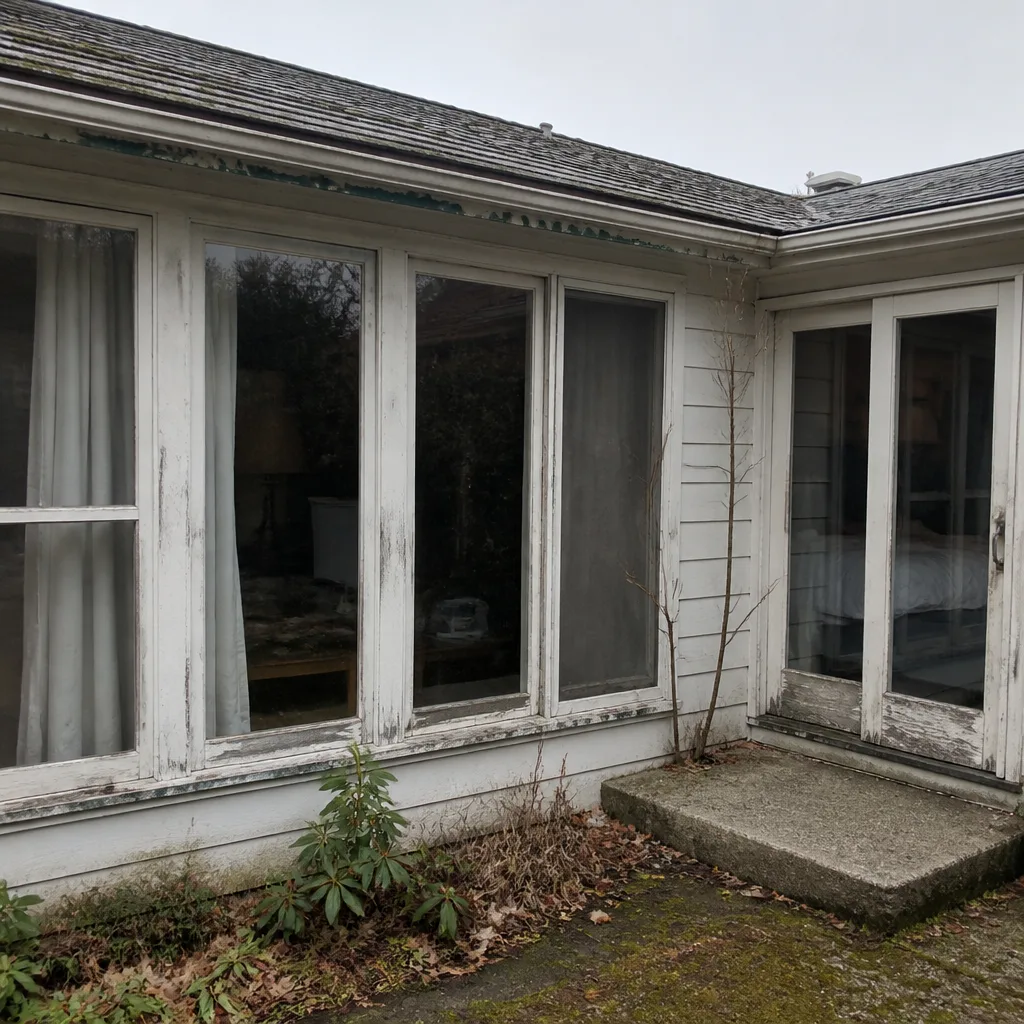 Before
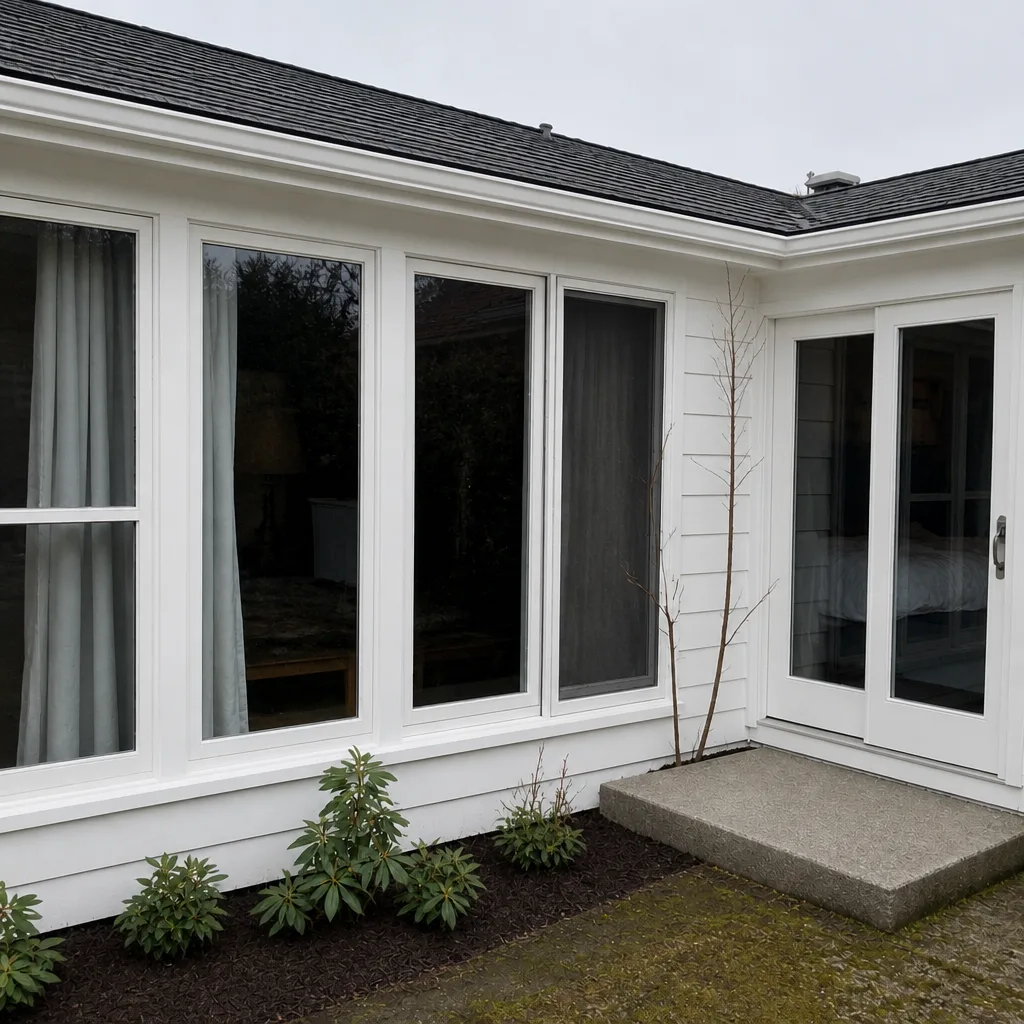 After
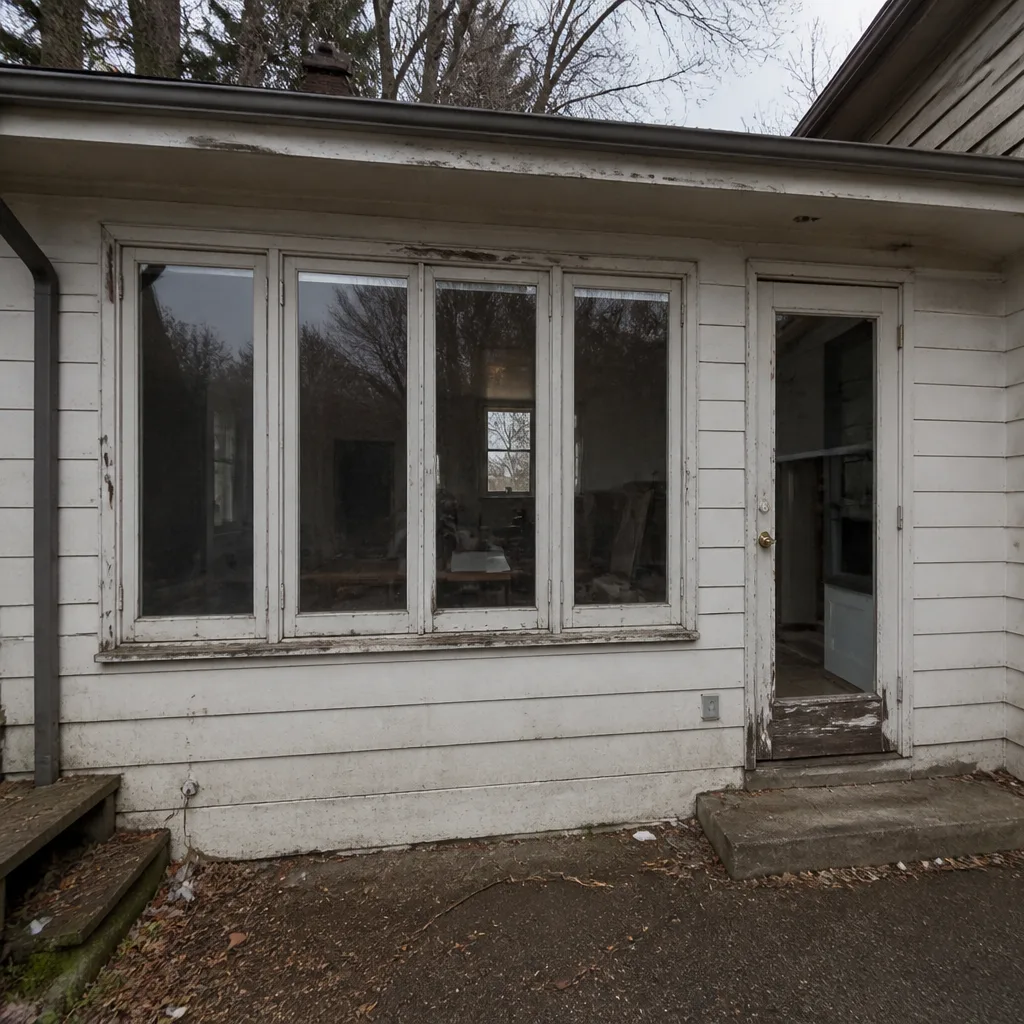 Before
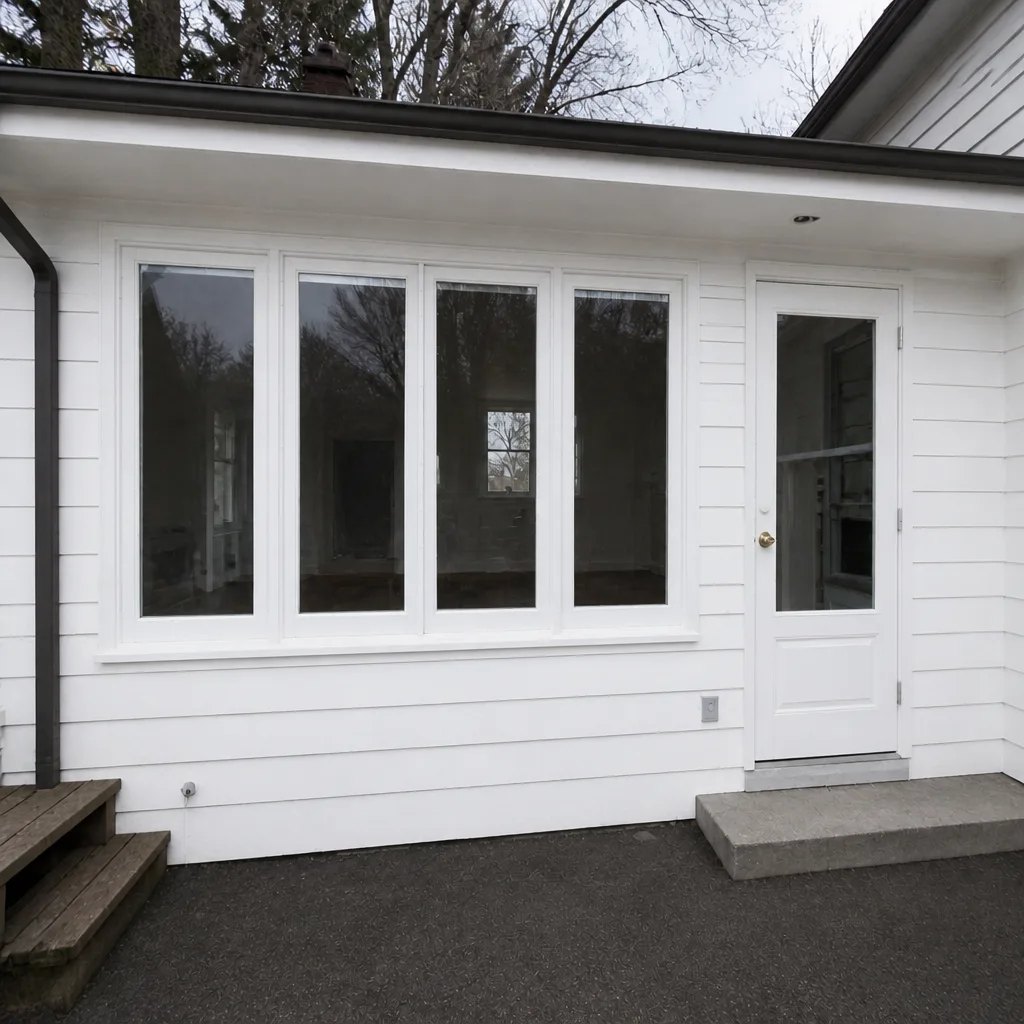 After
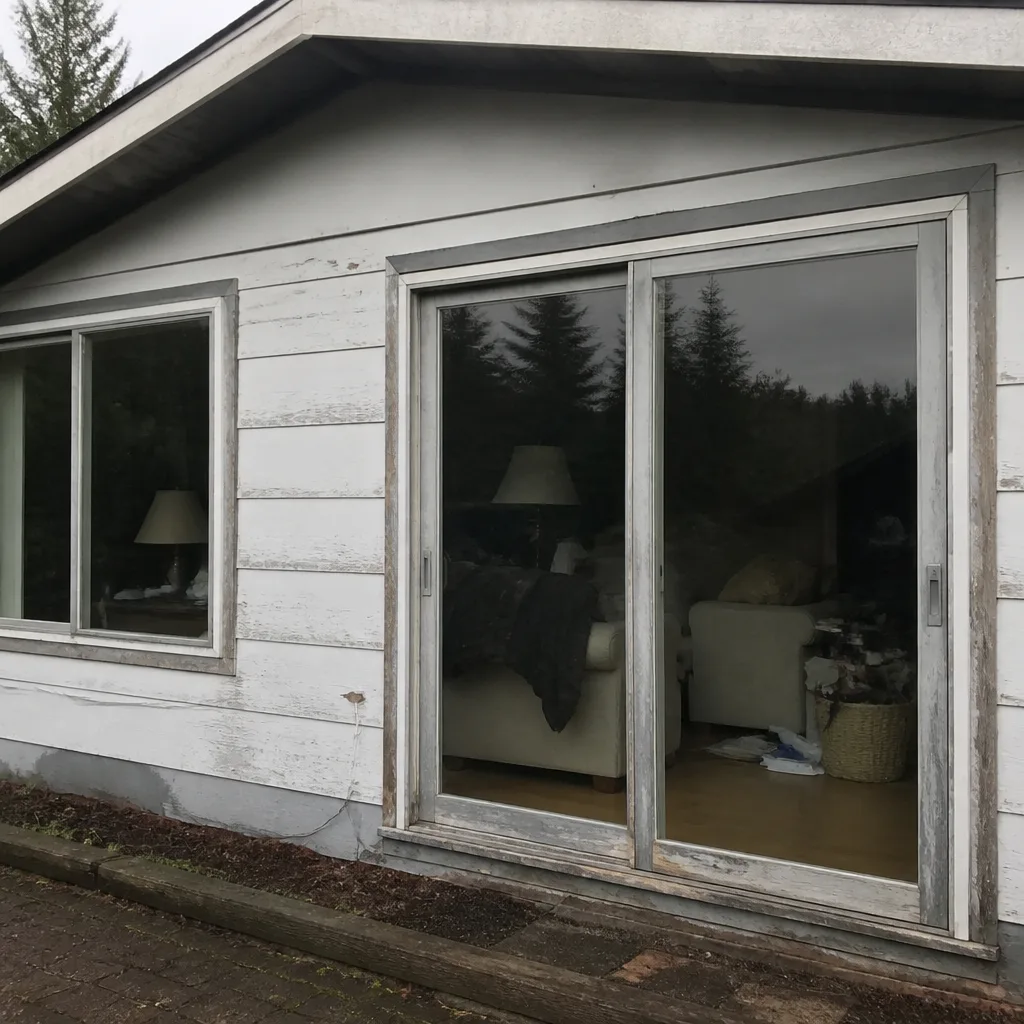 Before
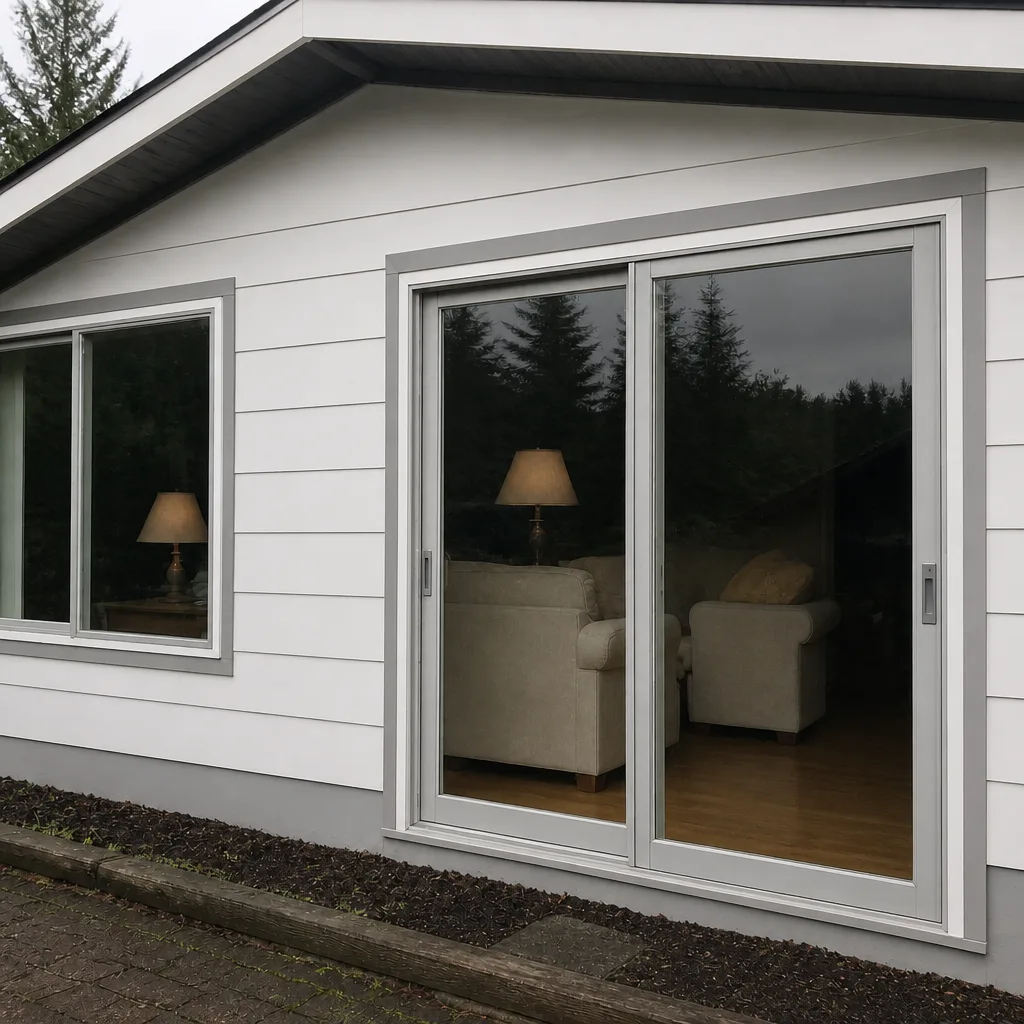 After