Last updated November 25, 2026
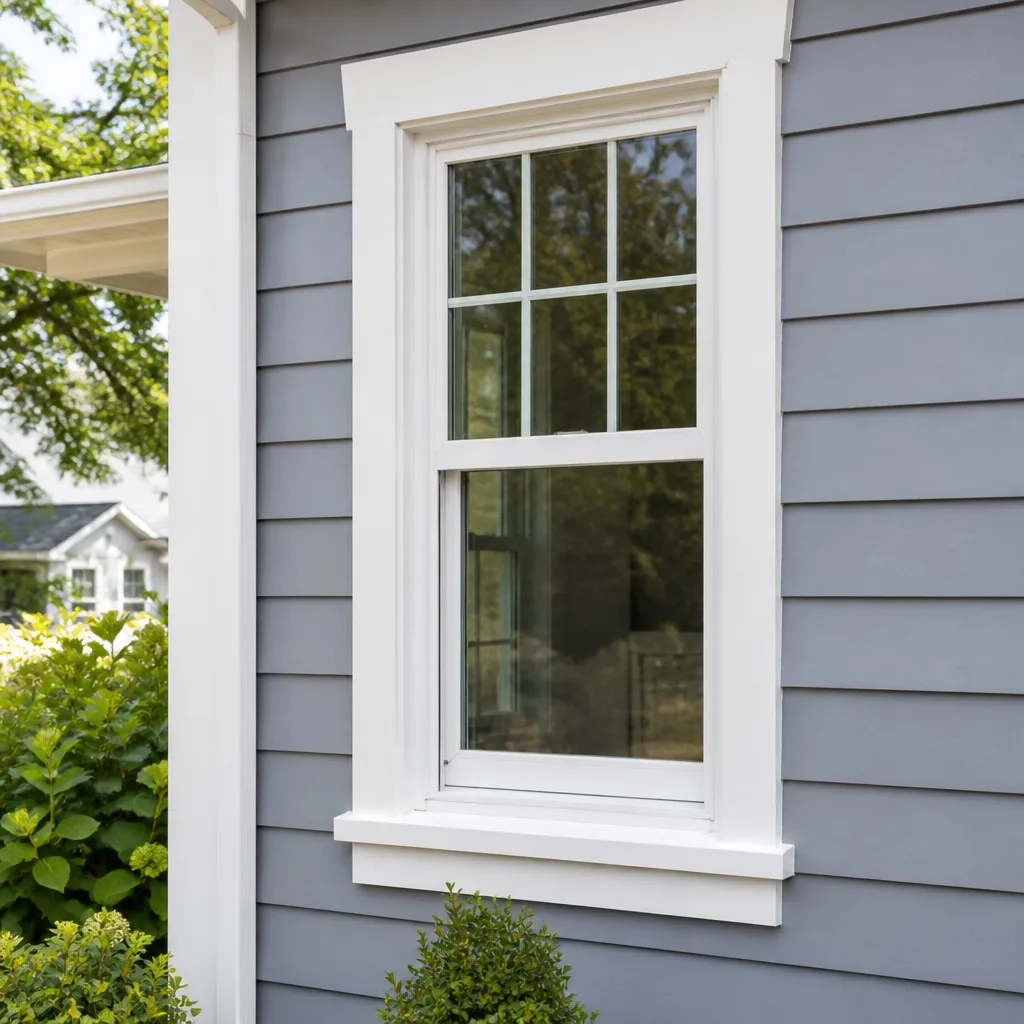 Single hung
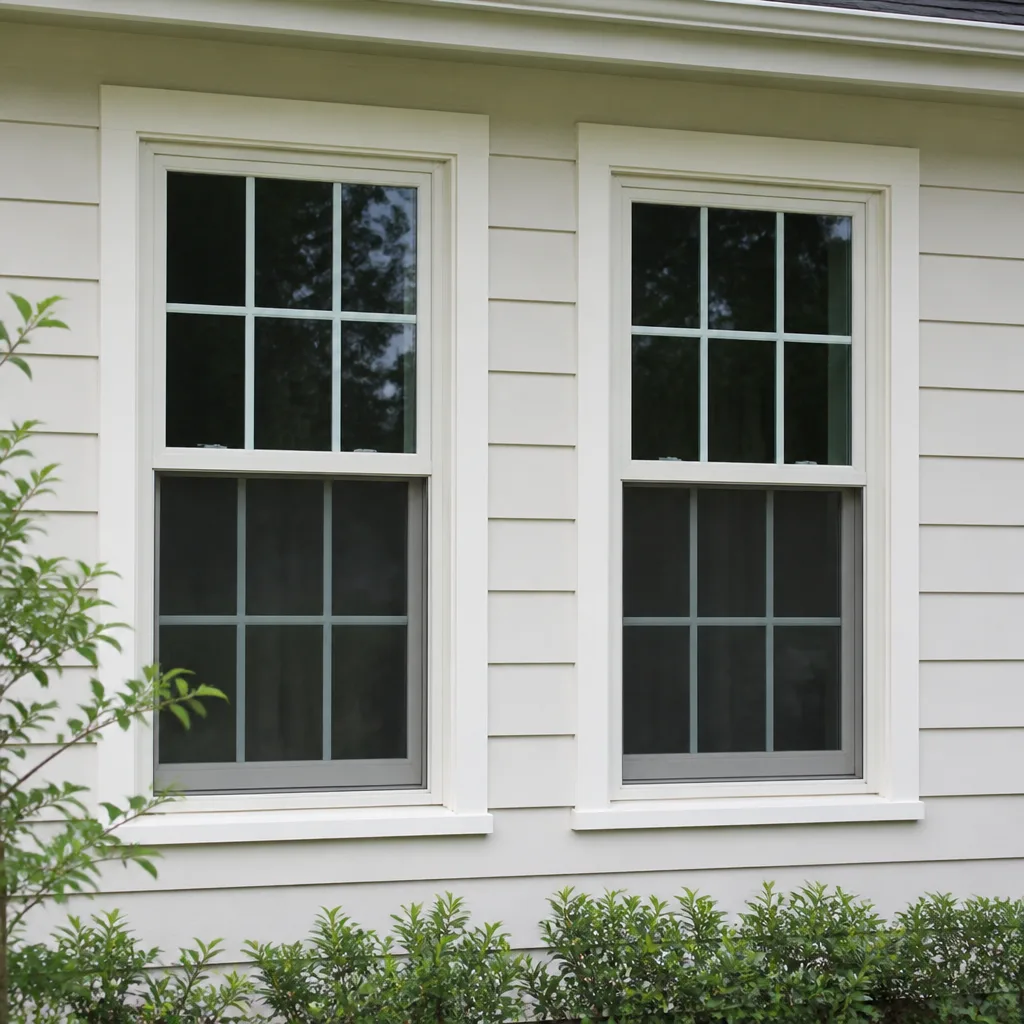 Double hung
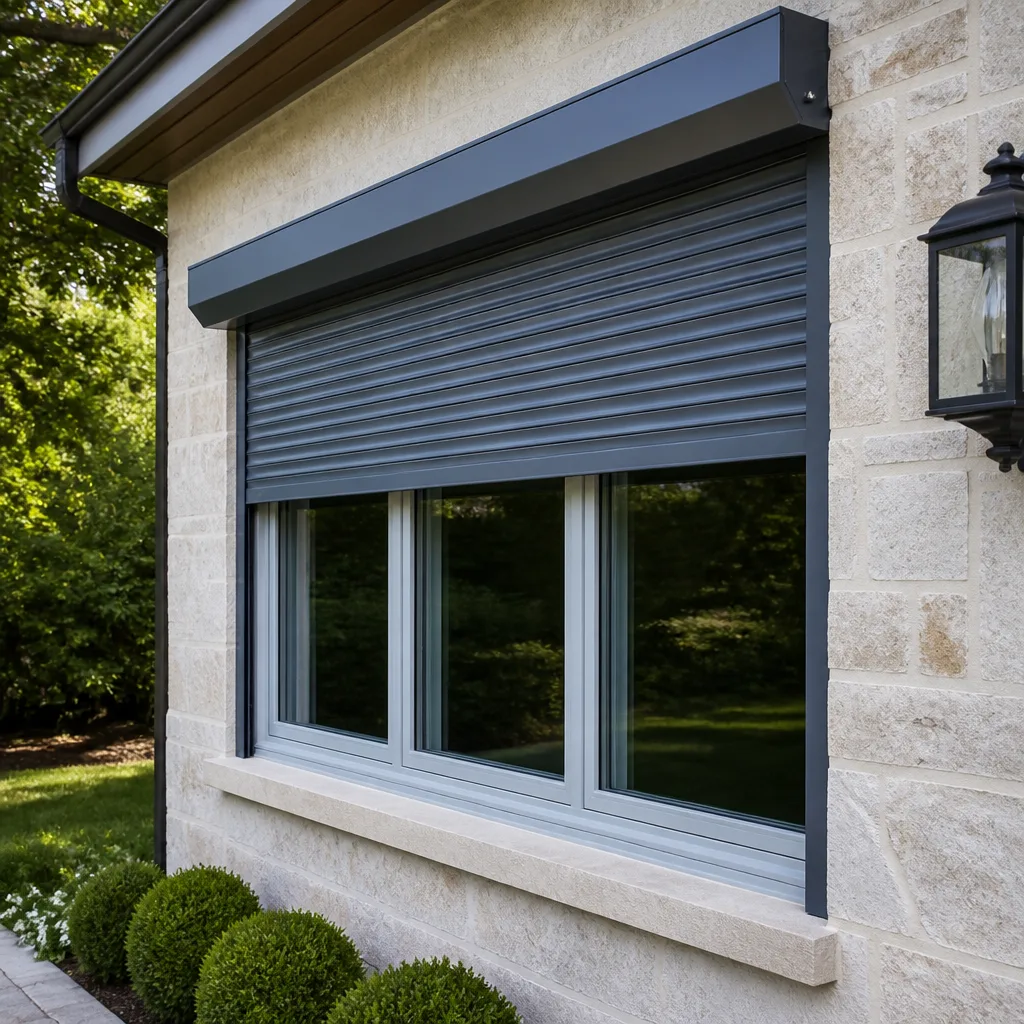 Horizontal roller
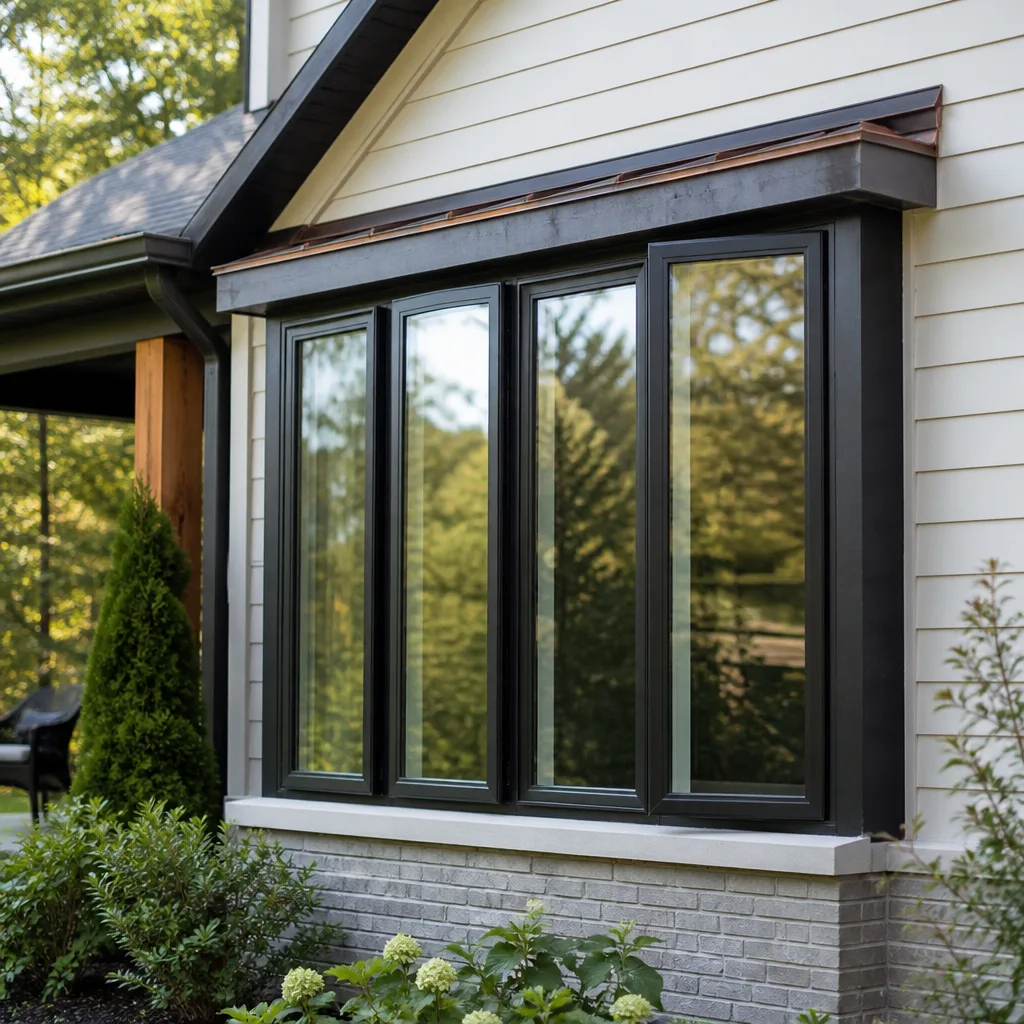 Casement
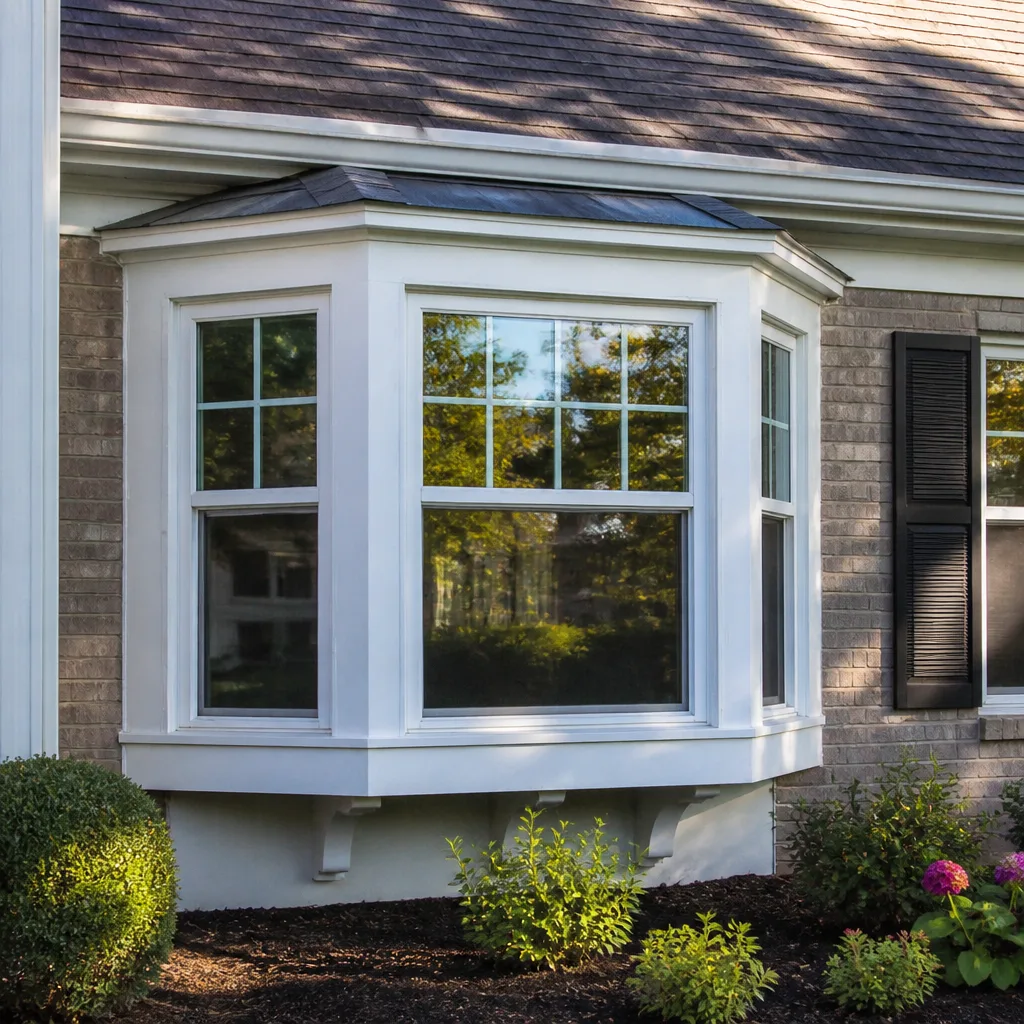 Bay & bow
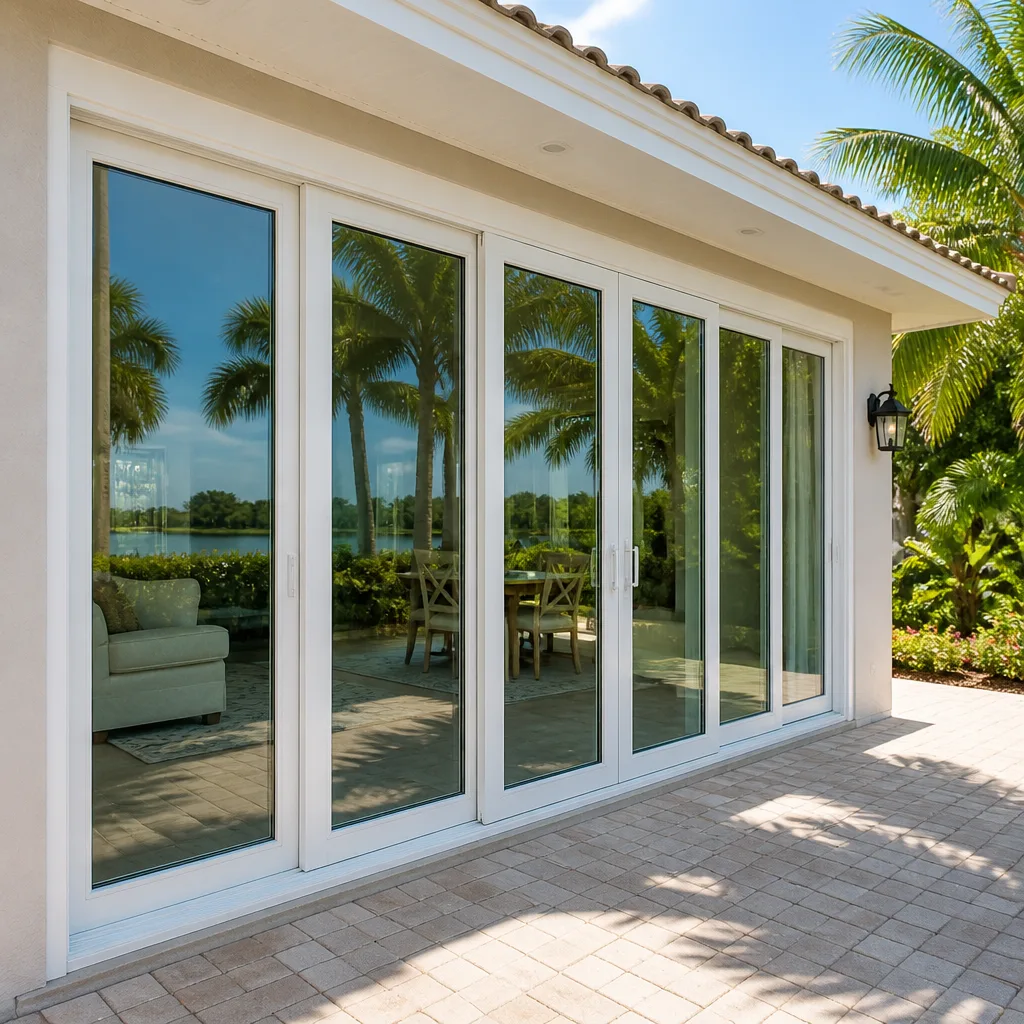
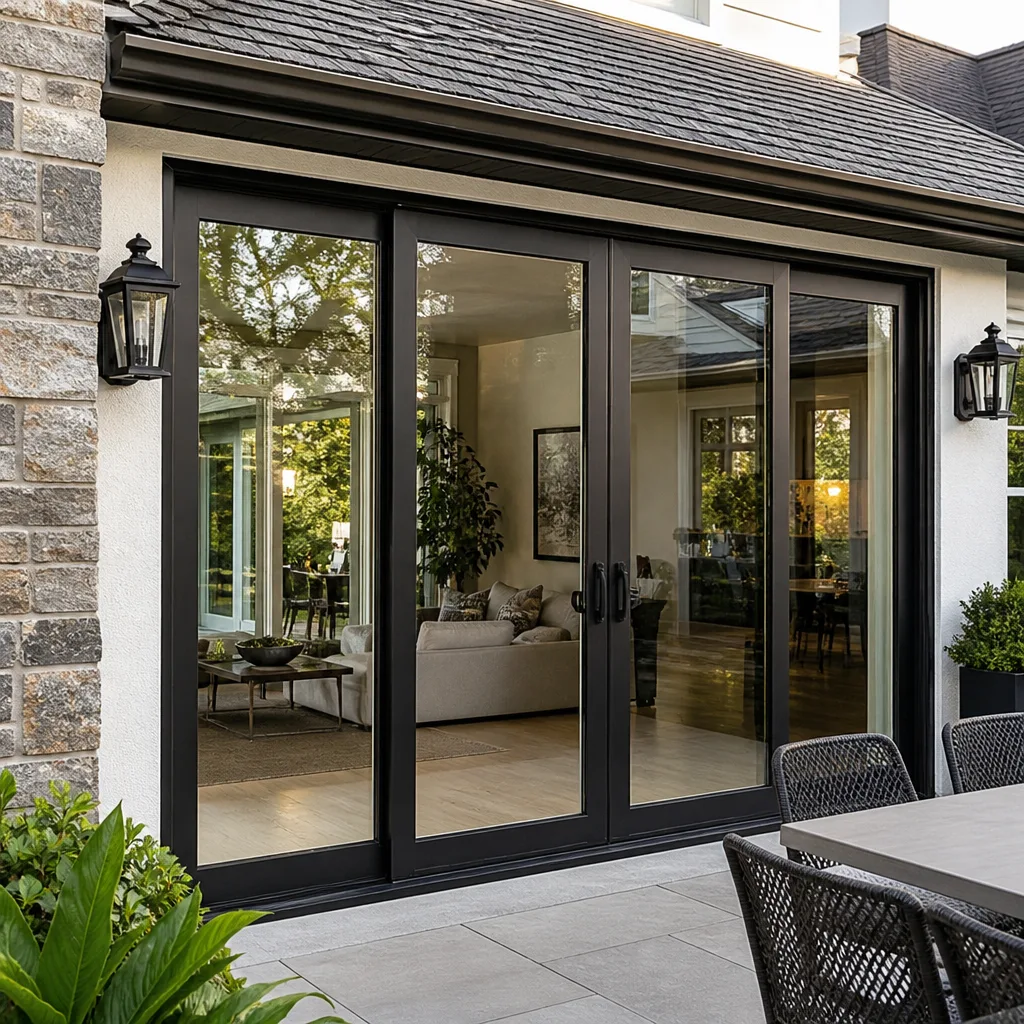
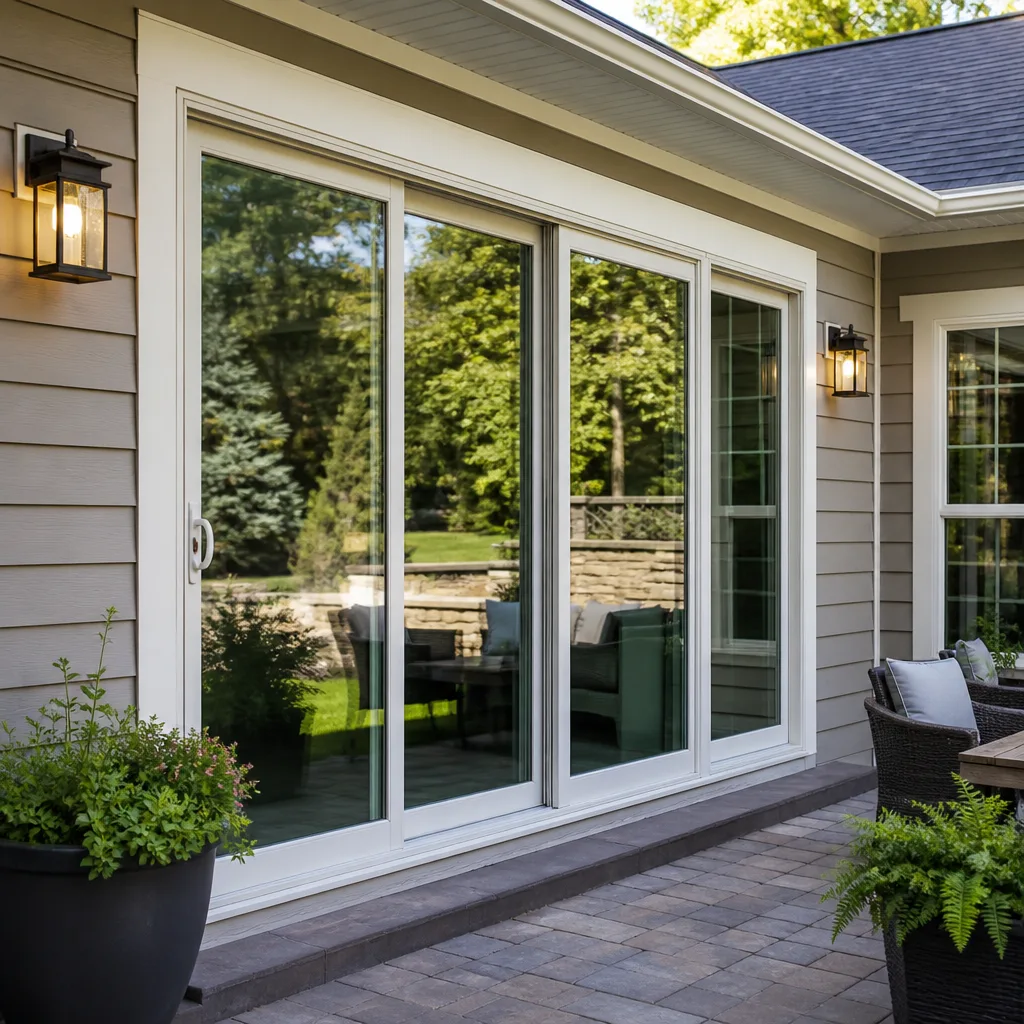 Sliding glass doors
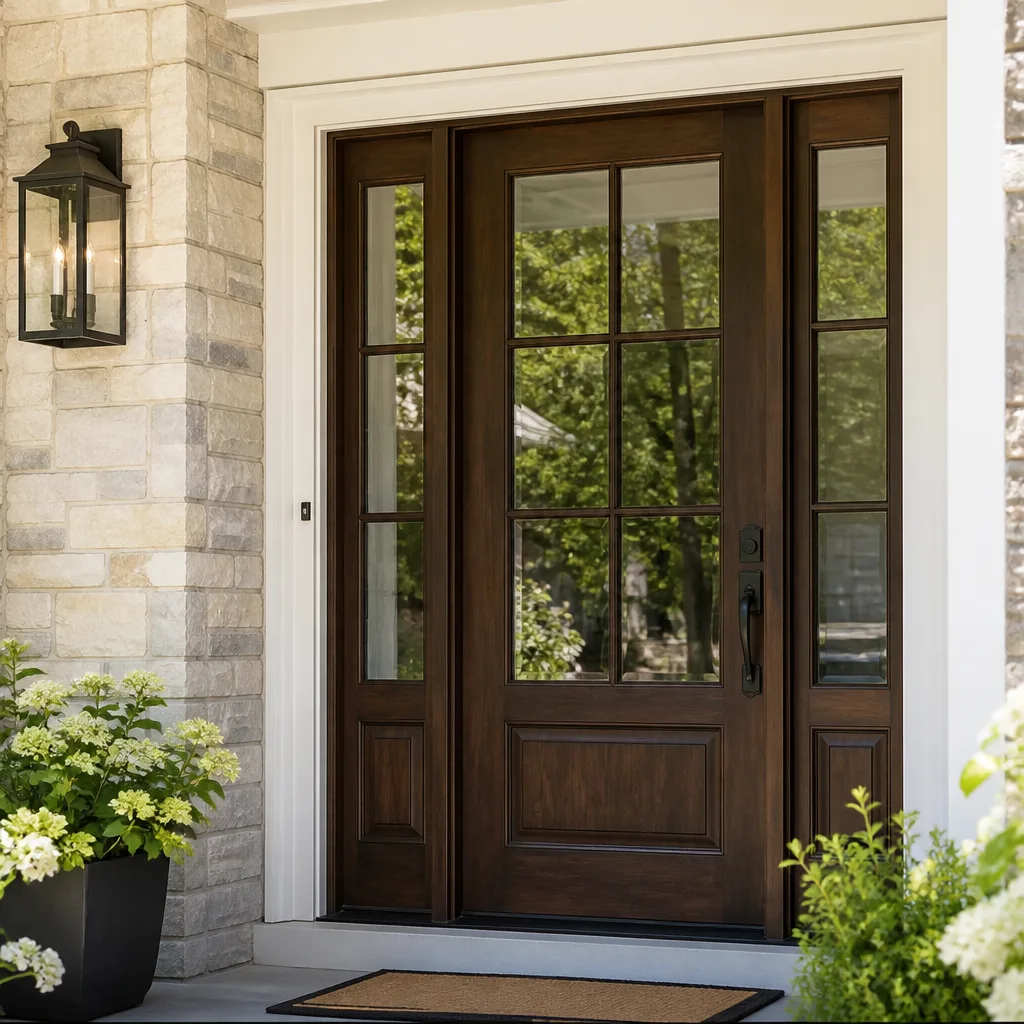 Entry doors
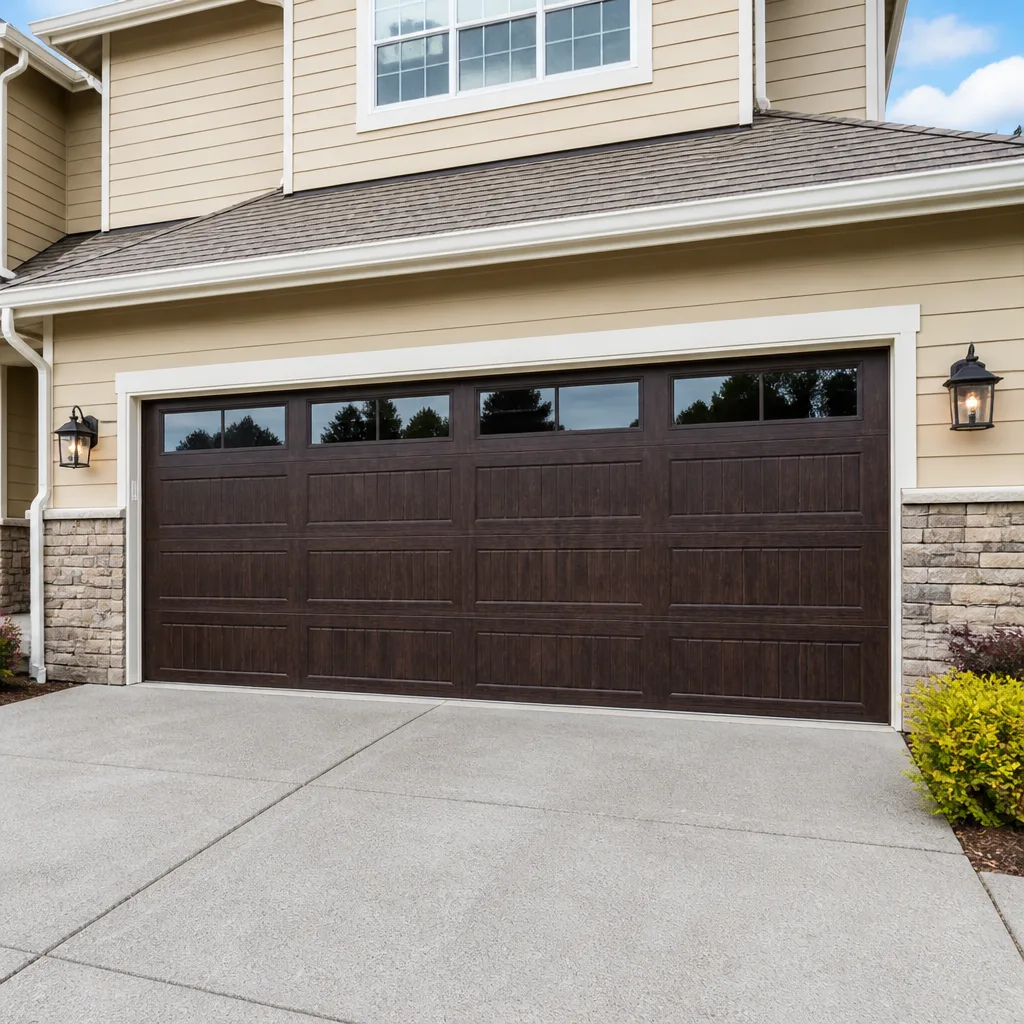 Impact garage doors
 PGT
 CGI
Free in-home measure and quote - PGT, CGI and CWS impact lines compared on your actual openings, style by style
Get your free estimateWindow Replacement Troubleshooting in Bellevue: Common Problems and How to Fix Them
Condensation on the inside of your glass and condensation between the panes look almost identical from across the room. One means your house is doing exactly what it should. The other means the window is finished. Treating them the same way is where homeowners lose money, because the first problem is often air quality and the second is a failed seal you cannot fix from the outside. This guide teaches you to read the symptom before you spend a dollar: what fogging, drafts, and sticking sashes each actually mean, and which ones lead to a real fix. Bellevue homes have their own patterns, and we’ll get to those.
Quick Answer
Most window problems people call “failure” are misdiagnosed. Fogging between the panes means the sealed glass unit has lost its argon and moisture barrier, and the only real fix is a new unit or window. A draft usually comes from one of three places – a worn weatherstrip or hardware piece, a flashing gap at the exterior, or a rough opening gap behind the trim – and only one of those calls for replacement. Interior condensation on the glass surface, meanwhile, is humidity, not a broken window. Diagnose the symptom first, then decide between a hardware fix and a window replacement.
Styles & brands we work with
- Single hung
- Double hung
- Horizontal roller
- Casement
- Bay & bow
- Sliding glass doors
- Entry doors
- Impact garage doors
- PGT
- CGI
Table of Contents
- The Symptom-First Diagnostic Matrix
- Interior, Exterior, or Between the Panes?
- Drafts: Seal Failure, Flashing Failure, or Rough Opening Gap
- Why Pre-1980 Wood Windows in Bellevue Rot From the Sill Up
- When a Hardware Fix Beats Replacement
- How to Evaluate a Contractor’s Diagnosis
- Common Mistakes to Avoid
- When to Call a Professional
The Symptom-First Diagnostic Matrix
Start by putting each problem in the right category before you call anyone. A technician who skips this step is guessing, and guessing is expensive. Here is how we sort the most common complaints.
- Fogging or haze between the panes: the insulated glass unit (IGU) has failed. The seal that held argon or krypton in and moisture out has let go. The glass itself is intact, but the spacer and seal are not. This cannot be cleaned or resealed in the frame. It means a new IGU or a full replacement.
- Water droplets or frost on the room-side glass surface: your indoor humidity is high and the window is the coldest surface. The window is functioning. The question is ventilation and where the moisture is coming from.
- Water on the outside of the glass: dew point, plain and simple. Exterior condensation is normal on well-sealed, energy-efficient glazing, especially in the morning. It is not a defect.
- A draft at the edges or meeting rails: could be weatherstrip, a balances issue, a sash that doesn’t latch tight, or – if it’s at the perimeter – a flashing or rough opening problem.
- A sash that sticks, sags, or won’t close: often hardware, a balance, or a settling frame. Sometimes the wall has shifted.
- Water staining on interior trim or drywall near the opening: this points to the exterior envelope, not the glazing. It needs a flashing or sealant assessment.
The point of the matrix is to stop the reflex that every window symptom equals a new window. In Bellevue, a lot of drafts get labeled as failed windows when they’re actually a perimeter seal or flashing issue at the exterior, which is a different trade and a different cost. Sorting the symptom first tells you which trade to call and which estimate to ask for.
Interior, Exterior, or Between the Panes?
Condensation is the single most misread window symptom, and the three varieties point in completely different directions. Get this right and you avoid a replacement you don’t need, or you catch a dead unit early.
- Interior surface condensation. You see water film or droplets on the room side of the glass. The glass is cold, your air is humid, and the moisture condenses just like it does on a cold drink. The window is not broken. This is the one case where the fix is about the house, not the window: better ventilation, running bath and kitchen fans, checking a dryer vent, and, in some cases, adding a dehumidifier or air sealing the attic. A high-performance window with a warm-edge spacer can reduce surface condensation by keeping the edge of the glass warmer, but it won’t fix a house full of trapped moisture.
- Exterior surface condensation. Dew or fine water beads on the outside of the glass in the morning. This is normal, especially on impact-rated and low-E glass, which insulates well enough that the exterior surface runs cool. It bakes off as the day warms. Not a defect.
- Between the panes. A haze, a milky film, or visible droplets that sit permanently between the two sheets of glass. This is the one that means the IGU has failed. The seal is gone, the inert gas has escaped, and the desiccant is saturated. It doesn’t matter how new the frame is – the glass unit is dead, and the fix is replacement of that unit, not a cleaning.
In our experience, the confusion comes from looking at the window from across the room. Walk up and check whether the moisture is on your side of the glass, the outside face, or trapped in the middle. That single walk-up tells you whether you have a humidity problem, a normal weather event, or a failed seal.
Drafts: Seal Failure, Flashing Failure, or Rough Opening Gap
A draft feels the same no matter where it comes from, but the three common causes live in entirely different parts of the opening – and only one of them requires a new window. Here is how each one behaves.
Weatherstrip and hardware
If the draft comes from the meeting rail, the sash edge, or the latch side, and the sash still holds a tight line when you press it closed, the likely culprit is worn weatherstrip, a stretched balance, or a latch that no longer pulls the sash home. Run the back of your hand slowly around the frame on a windy day. A localized cold spot points to that exact spot, not the whole window. This category is a hardware fix.
Flashing failure
If the draft sits at the perimeter – along the top, sides, or where the trim meets the wall – and especially if you also see water staining, bubbling paint, or soft trim, the exterior flashing has likely failed. Flashing is the metal or membrane detail that moves water away from the opening. When it’s wrong, you get air and water both. This is an envelope issue, often fixable without touching the glazing, though it does mean opening up the exterior trim.
Rough opening gap
Behind the trim, between the window frame and the wall framing, there should be a continuous seal. If the window was set without proper insulation or the seal has shrunk and pulled away, air from the wall cavity comes through. This shows up as a draft that runs the entire perimeter of the opening and often shows up as a cold strip around the window rather than at the sash. Fixable by pulling trim and re-sealing the gap, as long as the frame and wall are sound.
The tell: sashes and latches are window problems, perimeters are envelope problems, and cavities are installation problems. Only when the frame itself is rotted, cracked, or bowed does replacement become the answer. Walking around Bellevue neighborhoods, the wet-season pattern is a perimeter draft that gets blamed on the window. When we diagnose, we test each of the three before recommending anything.
Why Pre-1980 Wood Windows in Bellevue Rot From the Sill Up
Older wood-frame windows in this climate don’t fail at the sash first – they fail at the sill. Here’s why. Wet-side Bellevue gets steady rain through the fall and winter, and water sits on horizontal surfaces: the exterior sill most of all. The sash is vertical, so water runs off. The sill is flat, so water pools, works under the paint film, and starts the rot at the joint where the sill meets the frame. Once the sill is soft, the window loses its ability to shed water, and the decay creeps up the jamb.
Homeowners sometimes ask us to replace just the sash, keeping the original frame. That works only when the frame and sill are sound. When the rot started at the sill, replacing the sash just puts a new operable panel into a soft, waterlogged pocket, and the rot keeps moving. In our experience on pre-1980 homes in Bellevue, the honest answer for a sill-rotted opening is a full unit replacement – frame and all – with a properly flashed exterior detail so the new sill drains. On sound frames, sash-only kits can be a genuine option.
Two things to check on any pre-1980 wood window here:
- Probe the exterior sill near the corners with a screwdriver tip. If it sinks in with light pressure, the sill is soft and the frame needs a full assessment.
- Look at the paint film at the sill joint. Bubbling or lifting paint is often the first visible sign that water is getting under the coating.
That’s also where modern products earn their keep. A window installation done with a properly integrated flashing system and a modern frame material – vinyl, fiberglass, or aluminum – stops the cycle at the sill instead of rerunning it. If you’re weighing a full project, our Window Replacement Bellevue page lays out the process and the brands we install, including ViewLux, PGT, and CWS.
When a Hardware Fix Beats Replacement
A surprising share of “my window is broken” calls are a $20 part. Before you price a replacement, check whether the problem lives in the hardware.
Symptoms a hardware fix can solve
- A casement or awning window that won’t crank. The operator gear strip is often the culprit.
- A double-hung window that drops or won’t stay up. The balance is failing, not the sash.
- A window that won’t lock because the sash doesn’t come home. Often a keeper or latch alignment.
- A sliding window or patio door that drags – the roller or track hardware, not the glass.
When hardware won’t save it
- The glass unit is fogged between the panes.
- The frame or sill is rotted or cracked.
- The frame is bowing and the sash no longer meets the frame line evenly.
- Water is getting in through a failed exterior flashing or a rough opening gap.
In cost terms, a hardware fix is typically a modest per-opener cost, while a replacement window runs in the hundreds per opening and up depending on the brand, glazing package, and whether the opening needs a new frame. We don’t quote parts prices here because they vary by brand and model, but the gap between a hinge or balance and a full replacement is large enough that it’s worth an honest diagnosis before you sign. The right product for your home is sometimes just a new latch.
One caveat: we don’t sell repair services. When a part genuinely can’t be sourced or the frame isn’t worth saving, the answer is replacement, and we’ll say so plainly. When a hardware fix is the honest answer, we’ll tell you that too.
How to Evaluate a Contractor’s Diagnosis
A good diagnosis takes twenty minutes and answers three questions. A shortcut diagnosis takes two minutes and answers one. Here’s how to tell them apart.
- Does the technician separate the three draft causes? A serious assessment checks weatherstrip, flashing, and the rough opening gap separately. If the diagnosis skips straight to “the window is failed” without probing the perimeter, ask which of the three they ruled out and why.
- Do they put a moisture meter or a light on the sill? Fogging between the panes is visible to the naked eye. Sill rot and rough opening gaps are not. A technician who doesn’t probe or meter the sill is guessing.
- Do they tell you what does NOT need replacing? A good diagnosis is specific about what’s sound. If every opener in the house is “failed,” ask for the evidence opening by opening.
- Do they quote in writing, line by line? A written, line-item scope with product specs, glazing, and flashing detail is the standard. A single lump-sum number isn’t a diagnosis; it’s a price.
- Do they name the products and brands? When a contractor carries one product line, the recommendation has only one place to land. When they carry several – we work with PGT, CGI, CWS, and others, from impact-rated to energy-efficient to architectural – the recommendation has to be earned by fit, not inventory.
- Do they pull the permit? Replacement in most Bellevue-area jurisdictions requires a permit, and the permit is your paper trail that the work meets current code. Ask who pulls it.
One more that matters on any whole-house project: ask who handles the doors. If the same project includes sliding or entry doors, you want windows and doors under one contract, so the flashing and weather-sealing details between scopes don’t get handed off to a different trade. If you’re including entry doors, our door replacement page covers the Therma-Tru lineup and sliding door options in the same scope.
Common Mistakes to Avoid
- Treating interior condensation as a failed window. It’s usually a ventilation and humidity issue. Adding a dehumidifier and running exhaust fans often clears it without a single window being touched.
- Replacing the sash on a rotted sill. If the rot started at the sill – the most common pattern on pre-1980 wood windows in Bellevue – a sash-only swap just hides the problem. The frame and the exterior flashing detail both need to be addressed.
- Assuming every draft means replacement. Perimeter drafts are often flashing or rough opening gap problems, and sashes that don’t latch are often hardware. Diagnose the cause first.
- Letting a contractor skip the sill probe. Sill rot is not visible from the room side in most cases. Ask for a moisture reading or a probe during the estimate.
- Buying on brand name alone. Every brand has a strong line and a budget line. Ask which specific product, glazing package, and spacer is in the quote, not just the brand on the label.
- Going with a single quote. Two or three written estimates let you compare the same scope across brands and catch a diagnosis that doesn’t hold up.
- Mixing trades across the envelope. When windows and doors go in under separate contracts, the flashing and weather-seal detail between the two scopes becomes someone else’s problem. Keep the envelope under one accountable installer.
When to Call a Professional
Call a professional when the symptom is between the panes, when the frame or sill is soft or cracked, when the opening shows water staining beyond the trim line, or when the sash no longer meets the frame. Those four scenarios need on-site diagnosis and, in most cases, more than a hardware swap. Call when the window won’t latch or close tight and the opening is above the first floor – getting on a ladder to test a sash or a flashing detail is a fall hazard, and the repair belongs to a trained technician. Call when you’re planning a whole-house project and want the scope, permit, and brand fit sorted in one written estimate rather than three verbal ones. Our technicians have up to 10 years of experience, and we install windows and doors only – three openings minimum – so if your project is one troublesome window, we’ll tell you that and point you to the right kind of help.
Window Replacement Bellevue offers free estimates in Bellevue. Call (425) 699-3164 to schedule a diagnosis and a written, line-item estimate.
Frequently Asked Questions
Walk up to the glass. If the moisture is on the room-side surface and wipes away with a cloth, it’s interior condensation – a humidity and ventilation issue, not a failed window. If there’s a permanent haze or visible droplets trapped between the panes, the insulated glass unit has failed and the fix is replacement of that unit. Call (425) 699-3164 for a free on-site assessment if you’re unsure.
Yes. Water beading on the outside surface of the glass in the morning is dew, and it’s normal on well-sealed, energy-efficient windows, which insulate well enough that the exterior runs cool. It clears as the day warms. It’s not a defect and not something to fix.
If the frame is sound and only the sealed glass unit has fogged, replacing just the IGU is often possible. If the frame or sill is rotted, cracked, or bowed – the common pattern on pre-1980 wood windows in Bellevue – the whole window needs to be replaced. A technician should probe the sill and check frame alignment during the estimate.
Often, yes. If the draft is from worn weatherstrip, a stretched balance, or a latch that doesn’t pull the sash home, a hardware fix resolves it. If the draft is at the perimeter, the cause may be a flashing failure or a rough opening gap, which can often be resolved with trim and sealant work. Only a rotted or bowed frame forces replacement. Call (425) 699-3164 to diagnose which one you have.
Not with a written, line-item estimate and a fixed scope. The written estimate sets the final price. Ask for the product model, glazing package, spacer, and flashing detail in writing before you sign so there’s nothing left to argue about mid-project. Estimates are free – call (425) 699-3164.
Yes – the permit is pulled for the project, and the work is inspected to current code. Permit requirements vary by jurisdiction and by scope, so ask your city’s building department if you want the specifics for your address. The written estimate should state who pulls the permit. Call (425) 699-3164 for a free estimate that spells this out.
The Bottom Line
The single most useful thing you can do about a window problem is read the symptom before you spend money. Fogging between the panes is a dead glass unit; interior condensation is a humidity problem; a perimeter draft is usually flashing or a rough opening gap; a reluctant sash is usually hardware. In Bellevue, older wood windows fail from the sill up, which is why a sash-only swap on a rotted sill rarely solves it. Get a diagnosis that separates those cases, put it in writing, and match the brand to the project – not the other way around.
Call (425) 699-3164 to schedule a free estimate. Our technicians have up to 10 years of experience, we install windows and doors under one contract, three openings minimum, and we’ll tell you which brand fits your project and why.
Written by the team at Window Replacement Bellevue.
See the difference
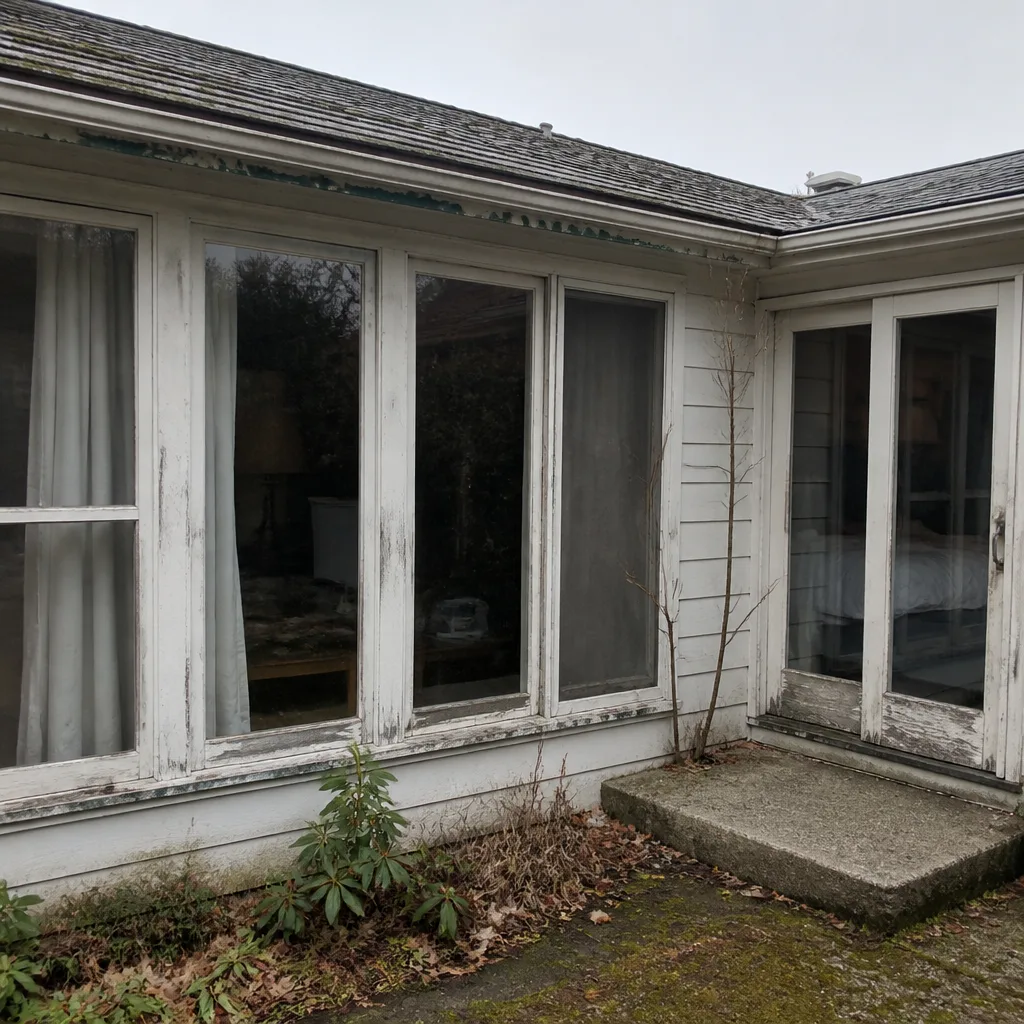 Before
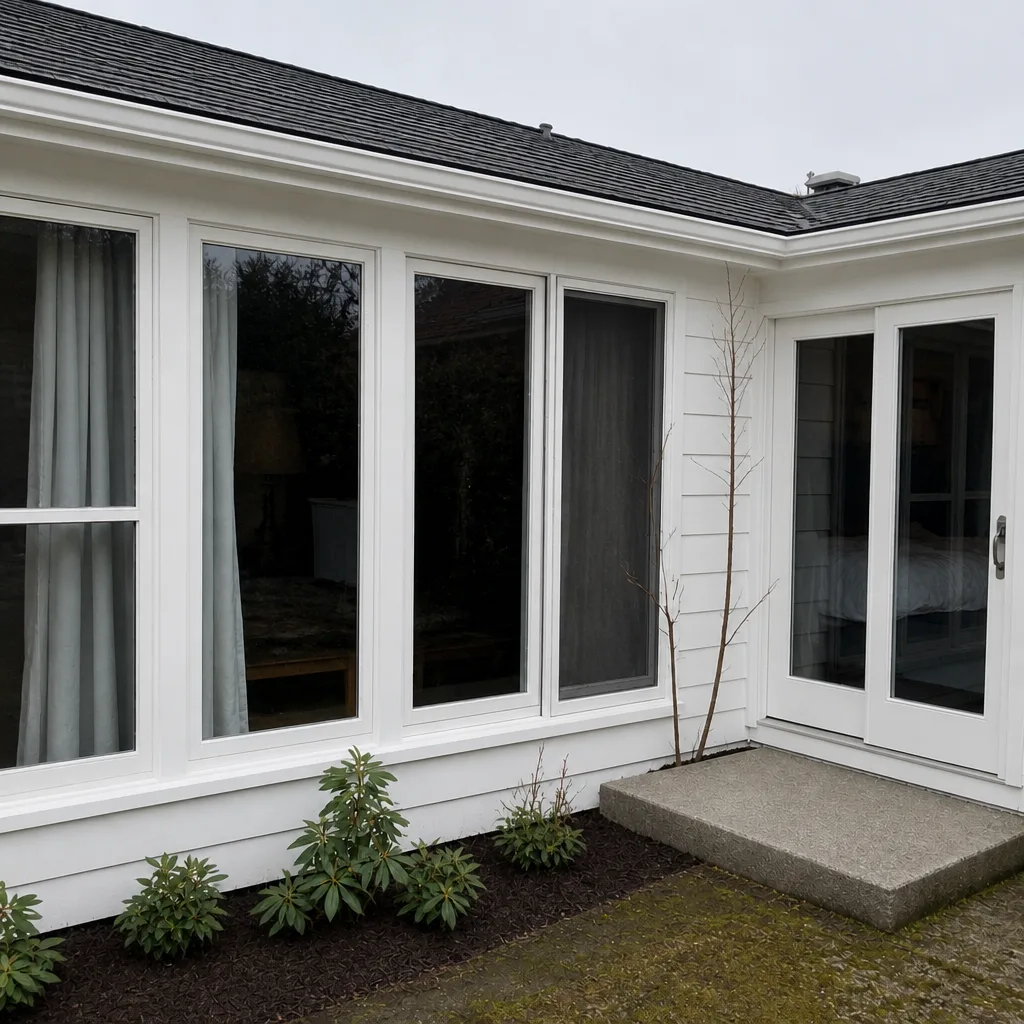 After
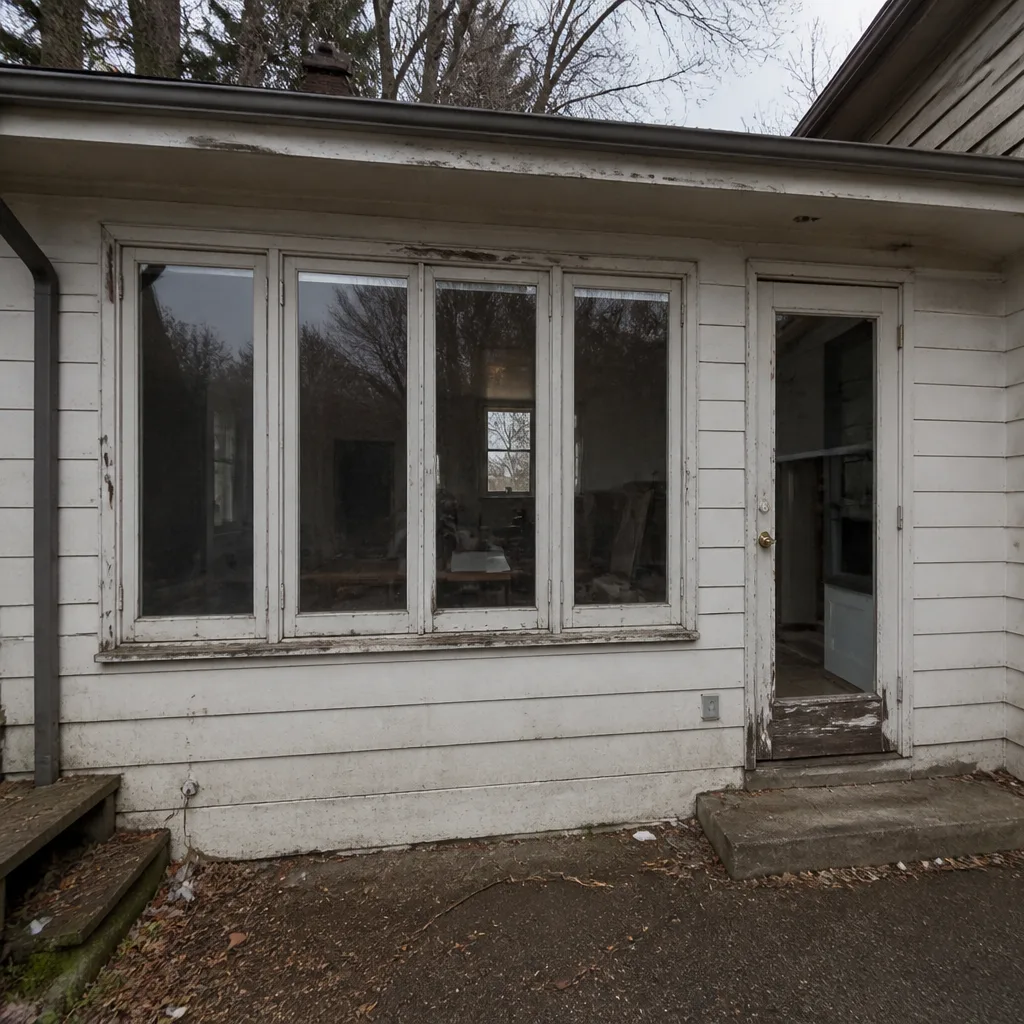 Before
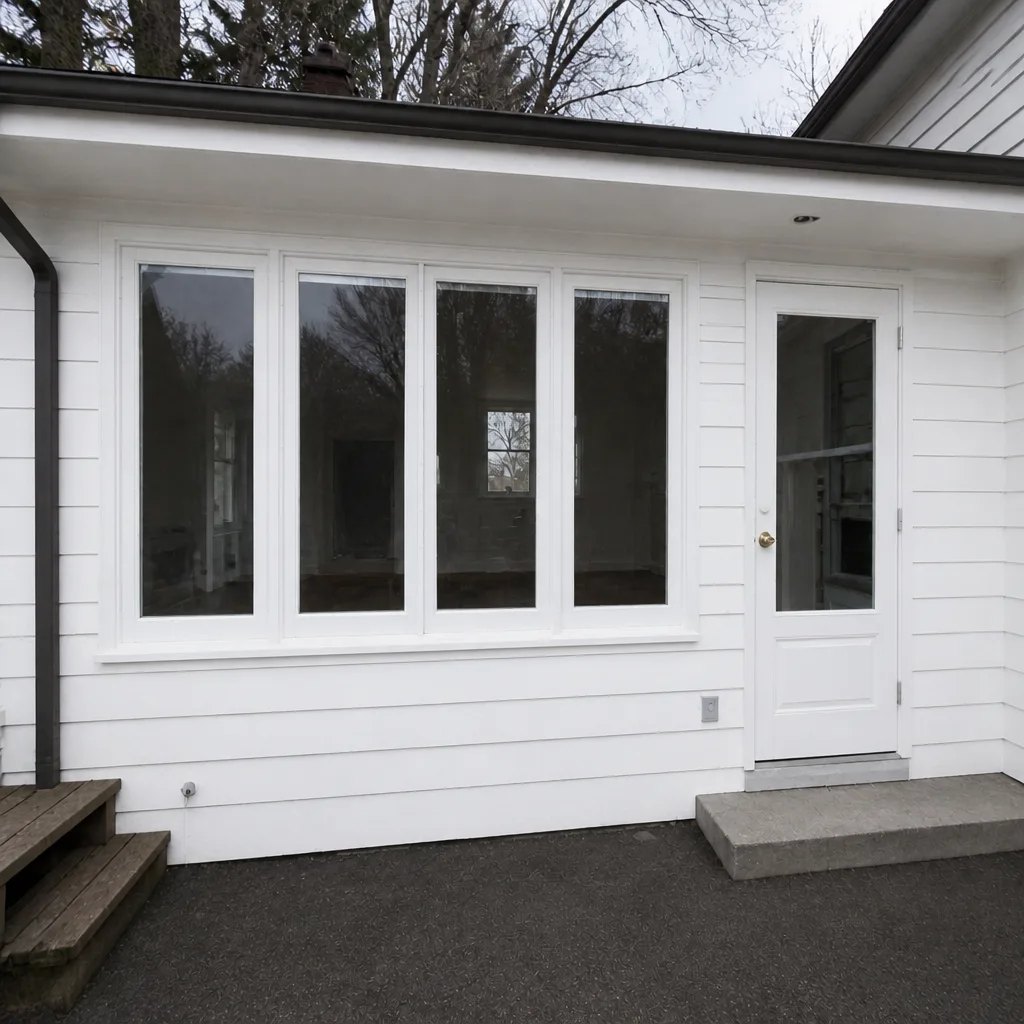 After
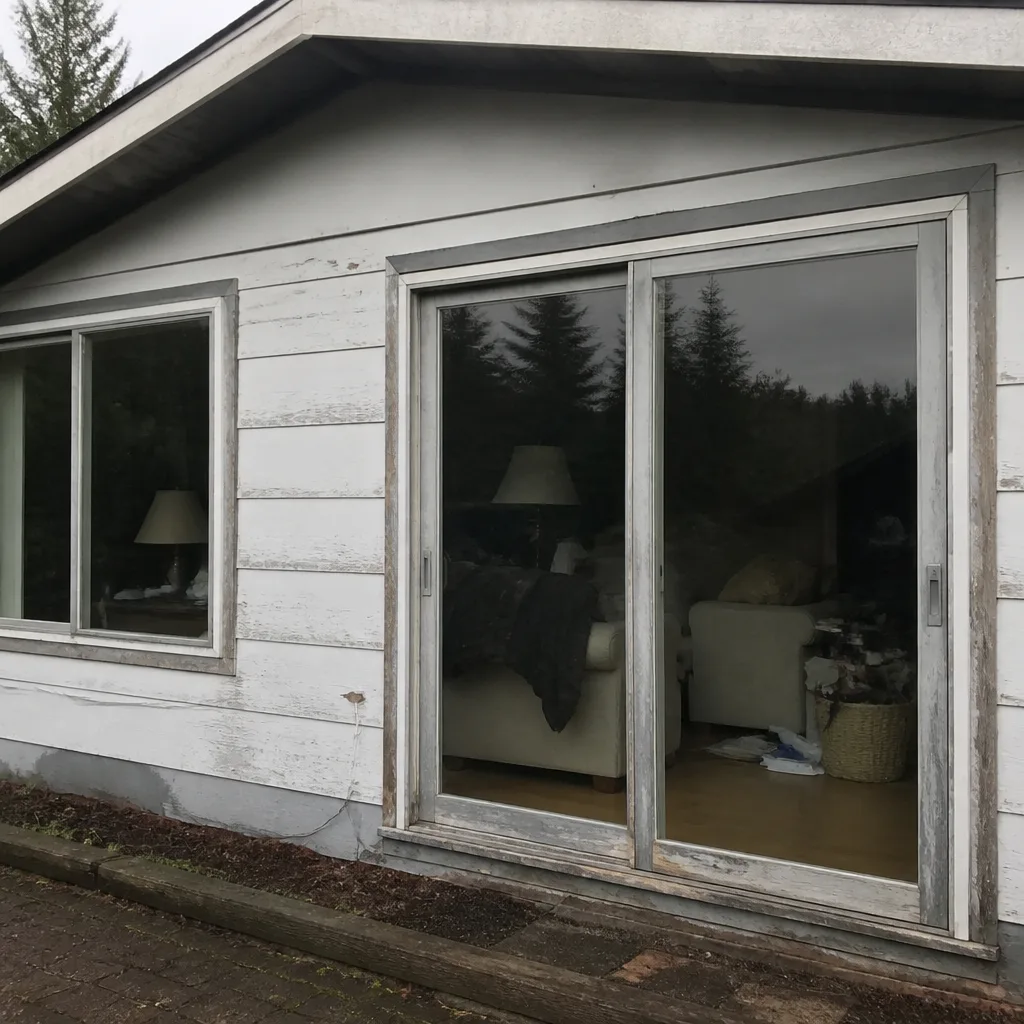 Before
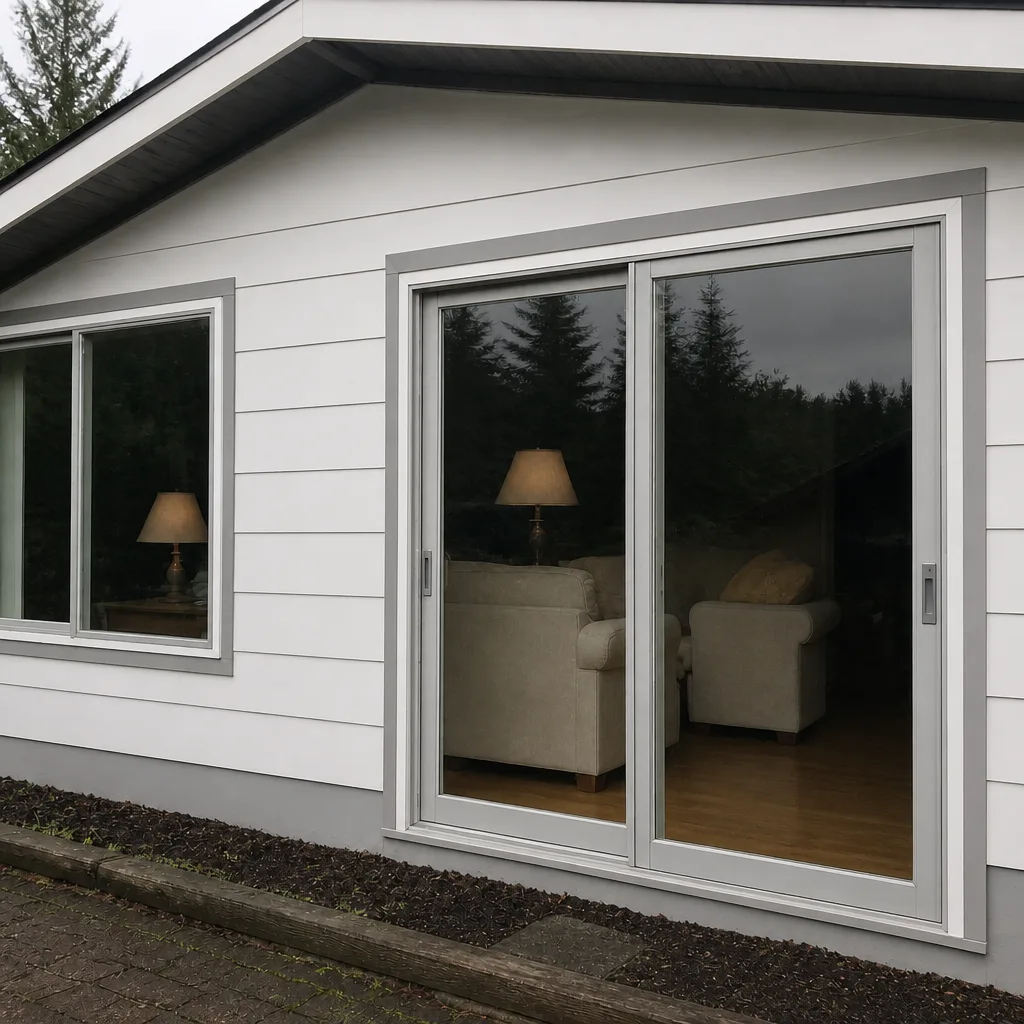 After