Last updated November 25, 2026
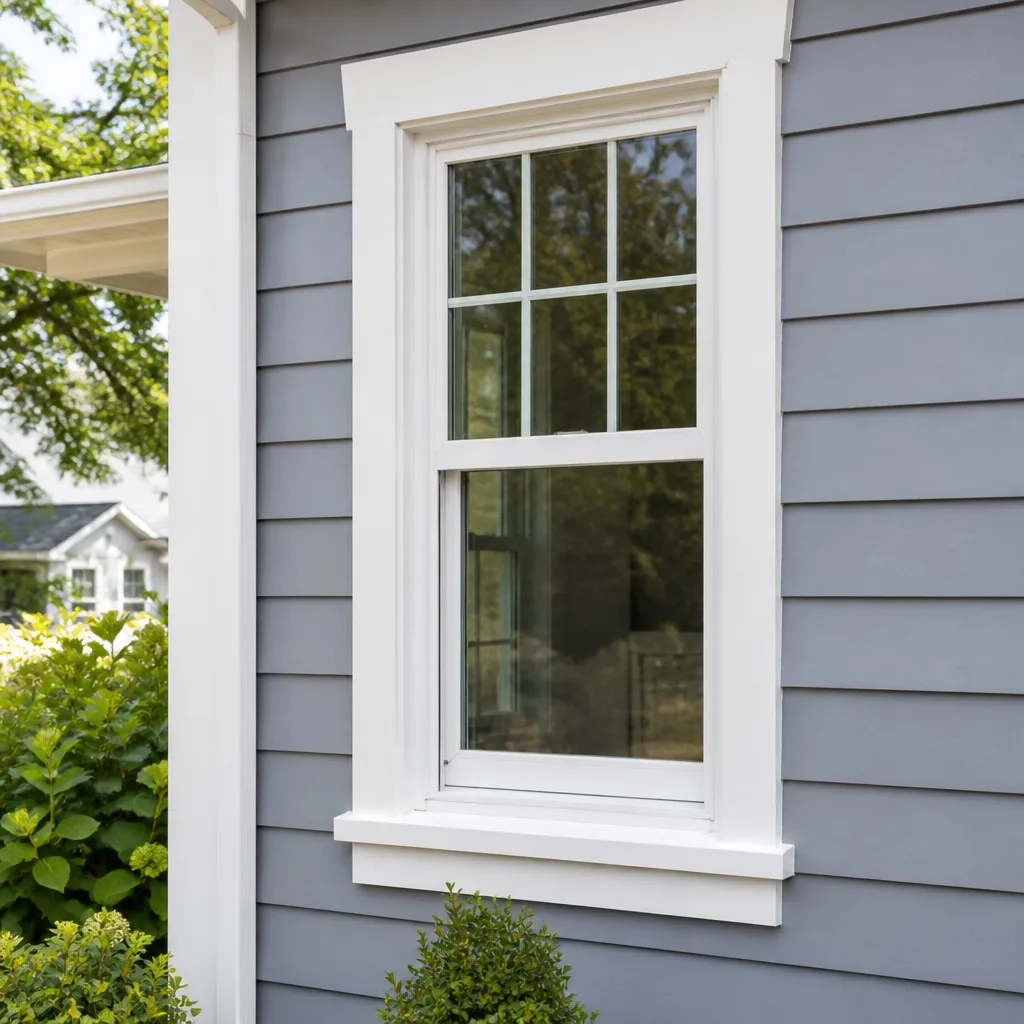 Single hung
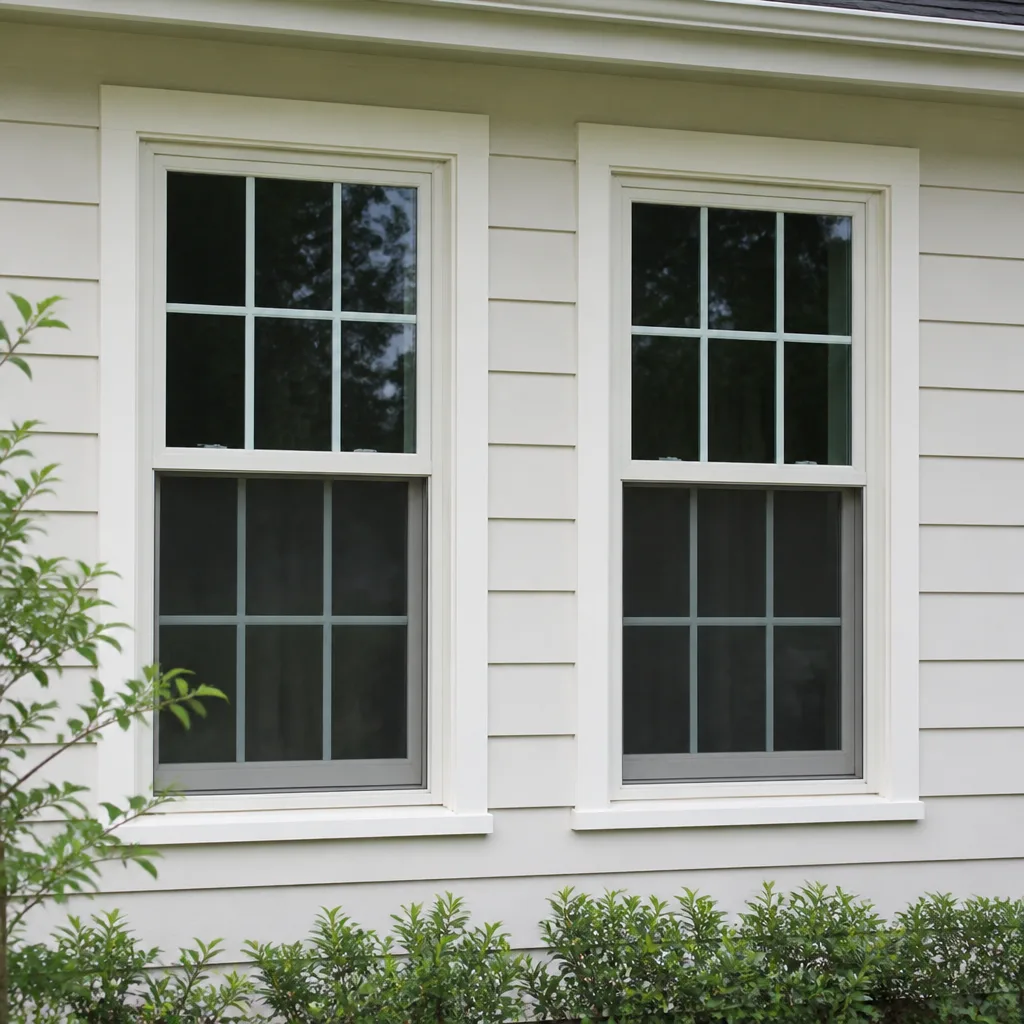 Double hung
 Horizontal roller
 Casement
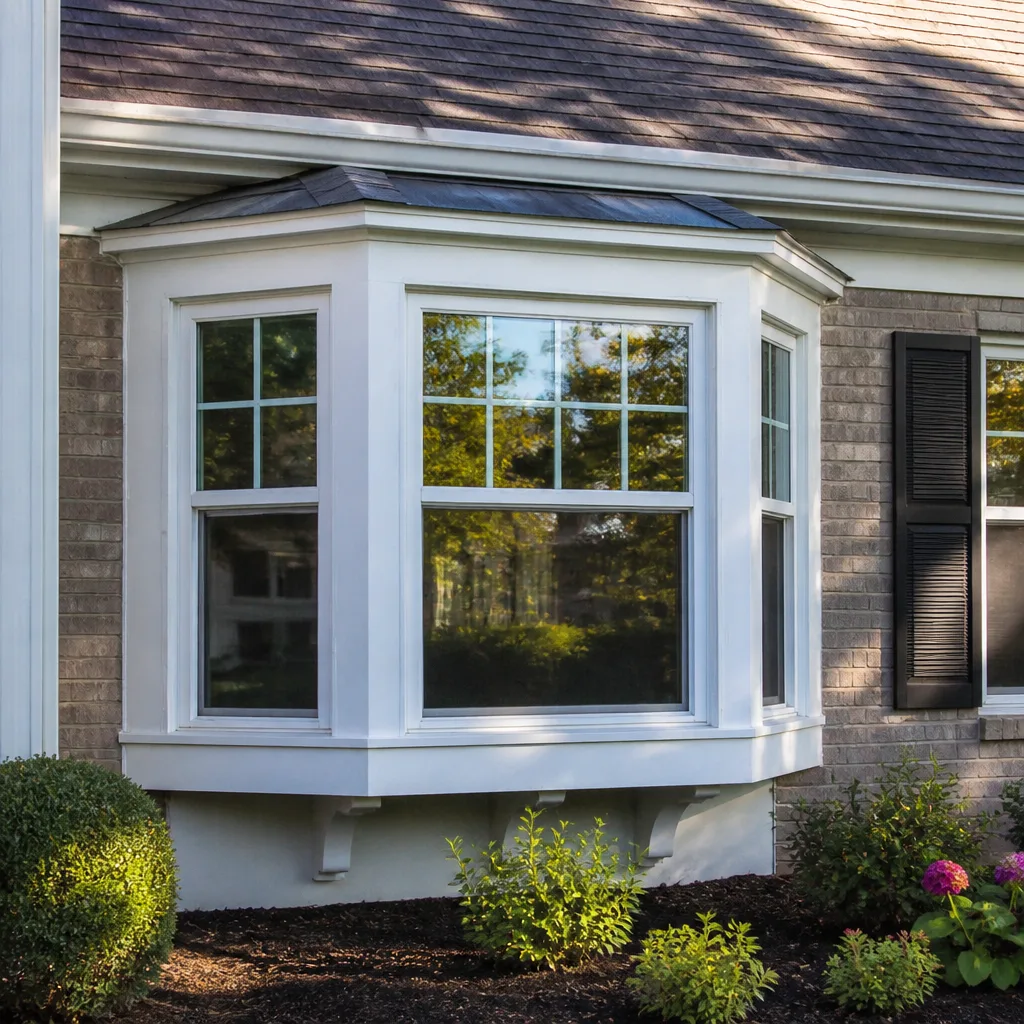 Bay & bow
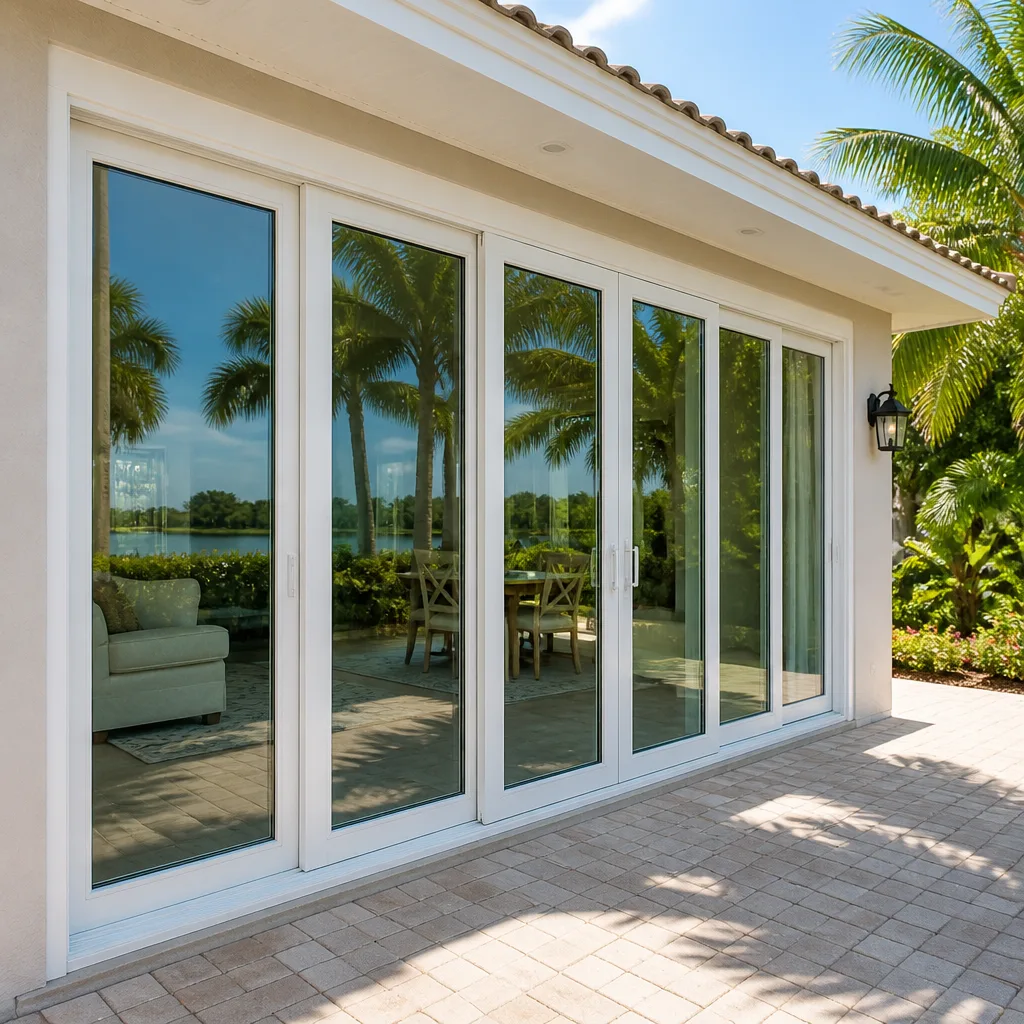
 Sliding glass doors
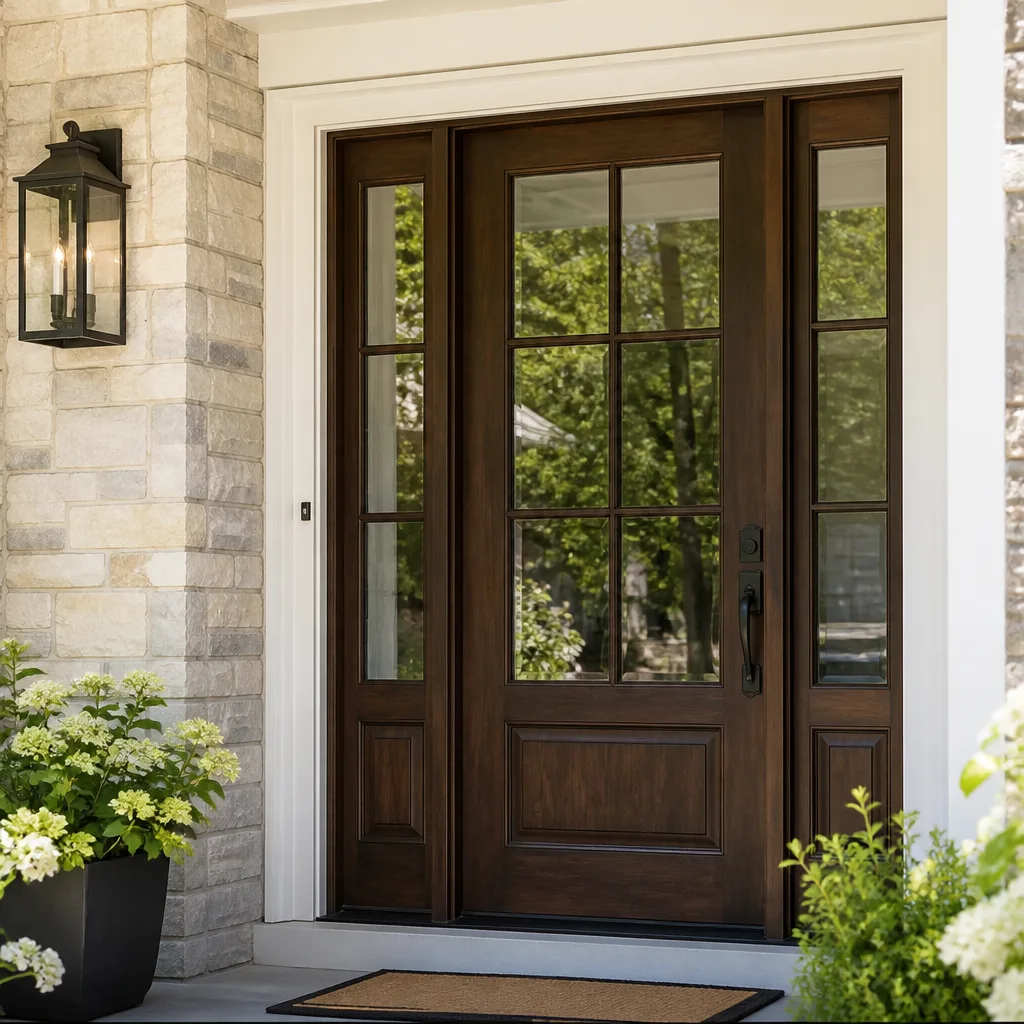 Entry doors
 Impact garage doors
 PGT
 CGI
Free in-home measure and quote - PGT, CGI and CWS impact lines compared on your actual openings, style by style
Get your free estimateWindow Replacement Maintenance Checklist for Bellevue Homeowners
The most expensive window failure in a wet climate isn’t a broken pane. It’s water getting past a sill pan and traveling into a wall cavity, quietly, for a couple of years before anything shows on the inside. By the time you see a stain on the drywall, the damage has moved well beyond the window. Most maintenance advice you’ll find is written by manufacturers protecting their warranty paperwork, so it tells you what not to do rather than what to actually look for. This guide flips that. It’s a failure-mode-first inspection framework built for Bellevue homes, so you catch the small stuff before it turns structural.
Quick Answer
A thorough window maintenance check for a Bellevue home means inspecting sill pans and flashing from outside, testing weatherstripping and compression seals at each frame material, watching insulated glass units for early seal failure, lubricating hardware on the correct schedule, and keeping a written log tied to the seasons. Do the exterior water-path check twice a year and the interior seal and hardware check once. Small issues caught early rarely become wall or mold problems.
Styles & brands we work with
- Single hung
- Double hung
- Horizontal roller
- Casement
- Bay & bow
- Sliding glass doors
- Entry doors
- Impact garage doors
- PGT
- CGI
Table of Contents
- Sill Pan and Flashing: The Invisible Water Path
- Testing Weatherstripping and Compression Seals by Frame Material
- IGU Failure Indicators Beyond Fogging
- Hardware Maintenance by Product Line
- Building a Maintenance Log Around Bellevue’s Seasons
- Sliding and Entry Doors Need the Same Discipline
- Common Mistakes to Avoid
- When to Call a Professional
Sill Pan and Flashing: The Invisible Water Path
The sill pan is the drainage channel under the window that catches water sneaking in behind the exterior trim and routes it back out. If it’s missing, blocked, or improperly lapped, that water has nowhere to go but into your wall. This is the single most important thing to check and the one almost nobody inspects, because it’s not visible from inside the house. In a place like Bellevue, where the rain comes sideways for months at a time, a failing sill pan doesn’t fail gently.
Here’s how to inspect it without taking anything apart:
- Stand outside at each window and look at the bottom edge. The exterior sill should slope slightly away from the wall so water runs off, not toward the frame.
- Check the caulk joint between the sill and the siding. Look for cracks, gaps, or caulk that has pulled away. Water follows the smallest gap.
- Look for staining, soft wood, or bubbling paint at the base of the exterior trim. That’s water sitting where it shouldn’t.
- Note any weep holes or drainage slots at the bottom of the frame. They should be open and clear, not painted over or plugged with debris.
- Inside, check the drywall and trim below the sill for soft spots, discoloration, or a musty smell. Moisture inside almost always means the outside path failed first.
If the exterior sill has no visible slope, or you can’t find weep holes, that’s worth a professional look. A proper window installation includes a correctly formed sill pan and integrated flashing; a replacement done without one is a leak waiting for the right storm. We’ve seen enough of these in Bellevue to know the outside water path deserves more attention than the glass.
Testing Weatherstripping and Compression Seals by Frame Material
Weatherstripping is what makes a window feel solid and draft-free when it’s closed. It degrades at different rates and in different ways depending on the frame material, so a test that works on vinyl tells you little about a fiberglass or aluminum-clad window. Bellevue’s temperature swings between wet winters and warm summers work the seals constantly. Testing them a couple of times a year keeps a small replacement job small.
Here’s what degradation looks like by material:
- Vinyl frames: The weatherstripping often flattens out and loses its spring. You may not see damage, but you’ll feel a draft at the sash edge or notice the window no longer closes with a firm seal. Vinyl itself can also stiffen in cold weather, which stresses the seals.
- Fiberglass frames: These hold their shape well, but the seals along the sash can dry out and crack over time. Look for fine cracks in the foam or bulb seal, especially on the sun-facing side of the house.
- Aluminum-clad frames: The cladding is durable, but it conducts temperature, so seals on these windows face more thermal movement. Watch for gaps where the weatherstripping meets the frame and for gaskets that have pulled loose at the corners.
The dollar-bill test is the fastest way to check for drafts: close the window on a dollar bill at several points around the perimeter and try to pull it out. If it slides out easily, the seal is loose there. Run your hand around the closed window on a windy day too. Products like ECO Window Systems and Mr-Glass come with seals designed to specific tolerances, and knowing the material tells you what to expect from them.
IGU Failure Indicators Beyond Fogging
An insulated glass unit (IGU) is the sealed sandwich of two panes with gas or air between them. Most homeowners only know one symptom of failure: fogging between the panes. But fogging is late-stage. There are earlier signs that the seal is weakening, and catching them tells you whether to watch or call. You can’t fix a failed IGU yourself, so the value here is knowing when the unit has crossed from “monitor” to “replace.”
Look for these early indicators:
- Edge-seal stress marks: A hazy or dark band forming along the inside edge of the glass, where the seal meets the spacer. This is often the first visible sign.
- Argon loss signs: Reduced insulating performance you feel more than see. A window that used to feel neutral to the touch and now feels cold or hot near the center may have lost its gas fill.
- Condensation on the inside of the outer pane: Moisture trapped between the panes means the seal has failed, even if fogging is minimal.
- Optical distortion: A slight wavy or rippled look when you view the window at an angle can indicate the unit is losing structural stability.
When the seal is intact and you only see the very first edge haze, monitor it and add it to your log. When you see fogging, trapped moisture, or the glass is visibly bowing, that unit needs replacing. In our experience, Bellevue’s wet climate makes trapped moisture inside a failed unit show up faster, so don’t wait on an obvious fog.
Hardware Maintenance by Product Line
Hardware wears out for a boring reason: friction. Handles, locks, hinges, rollers, and latches that aren’t lubricated correctly either seize up or wear loose, and the wrong lubricant can be worse than none. Getting silicone versus oil wrong on the wrong component meaningfully shortens hardware life. A sliding door with rollers packed in the wrong grease will stiffen and start skipping the track; a lock mechanism with the wrong oil attracts grit and grinds.
The rule that keeps most hardware healthy:
- Silicone-based lubricant: Best for sliding surfaces, tracks, rollers, and anything plastic or nylon. It stays put, doesn’t attract dust, and won’t break down plastic parts. Use it on sliding door rollers and window slide tracks.
- Light oil or a dry lubricant: Better for metal-on-metal pivots, hinges, and lock mechanisms where a light film reduces friction without gumming up. Avoid heavy grease that catches grit.
- Never mix: Don’t layer oil over silicone or vice versa without cleaning the part first. Mixed lubricants turn into a sticky paste that collects dirt and accelerates wear.
On scheduling, clean and lubricate moving hardware about twice a year, aligned to the seasonal changes. Check latches, locks, and hinges for looseness and tighten as needed. Windows from ViewLux and other lines may use different hardware finishes and mechanisms, so match the lubricant to the material in front of you. If hardware is grinding or a lock no longer catch, stop forcing it. That’s a sign of wear that a professional can assess before you break something.
Building a Maintenance Log Around Bellevue’s Seasons
A written log sounds like busywork until you need to make a warranty claim or show an inspector what you’ve monitored. It turns vague memory into a record. It also keeps you honest about timing, which matters in a climate with a long wet season and a drier summer. Here’s a log structure that works for Bellevue homes:
- List every window and door with a short identifier (room and location, like “living room south” or “upstairs bath”), so entries line up over time.
- Schedule the wet-season check for the fall, before the heavy rain sets in. Inspect sill pans, flashing, caulk joints, and exterior seals while the weather is still forgiving.
- Schedule the dry-season check for the summer. This is when you test weatherstripping, look for IGU haze, and clean and lubricate hardware without fighting wet conditions.
- Record what you found and what you did at each window: date, condition (good, monitor, needs attention), and any action taken.
- Note the products (frame material, brand, and any hardware type) so future maintenance and warranty conversations are accurate.
- Keep the log with your home records alongside any paperwork from the original install or window replacement.
Two inspections a year, one before the rain and one in the dry stretch, is enough for most homes. The log pays off most when a manufacturer asks what condition the unit was in and when you first noticed a problem.
Sliding and Entry Doors Need the Same Discipline
Doors take more abuse than windows because they move every day, and they live on the same exterior walls facing the same weather. A sliding door is a window that also carries foot traffic, so its track, rollers, and seals all matter. An entry door is the biggest opening in the envelope, and a worn sweep or threshold lets water and air in low, where it’s easy to miss. If you’re at the point of replacing rather than maintaining, door replacement is the same envelope conversation as windows.
On a sliding door, clean the track, check the rollers, and confirm the door seals firmly against the jamb with a slight compression. On an entry door, check the threshold, the door sweep, and the weatherseal around the perimeter. If you’re considering a new entry door, Therma-Tru is a name worth knowing, and matching the door to the rest of the envelope keeps the whole house consistent. One contractor handling windows and doors start to finish means no gap between trades at exactly the spot where water and air get in.
Common Mistakes to Avoid
- Skipping the exterior inspection entirely. Most window maintenance happens indoors because that’s what you see, but the water path starts outside. A quick walk-around in the fall catches more than any interior check.
- Calling the wrong problem a glass problem. We can’t stress enough that fogging is late-stage. If you only inspect the glass, you miss the seals, sill, and flashing where the real damage starts.
- Using the wrong lubricant. Oil on rollers and silicone on locks are both common errors. Match the lubricant to the material and clean before you reapply.
- Caulking over a gap without finding the source. Fresh caulk hides a failing sill pan for a season or two, then the water finds the same path again. Fix the path, not just the seam.
- Forcing stiff hardware. A lock that won’t close usually means a worn mechanism or a shifted seal, not that it needs more muscle. Forcing it bends parts that were fine.
- No records. Losing track of when you first saw an issue weakens a warranty conversation and makes it harder to catch slow changes year over year.
- Assume a leak means the whole window is worn out. Many water issues in Bellevue are flashing and install details, not the unit itself. That’s a diagnostic question, and it’s worth asking a professional before you replace anything.
When to Call a Professional
Bring in a professional when you find water inside a wall cavity, soft wood at the sill, trapped moisture between the panes, a seal that has clearly failed, or hardware that grinds and won’t hold. Also call when the exterior sill has no slope, weep holes are missing, or you can’t find the flashing. These are the conditions where a small issue turns into structural or mold damage if you wait. High-level glass work, exterior flashing, and anything involving the envelope should be handled by someone trained for it, not a weekend project. Window Replacement Bellevue offers free estimates in Bellevue for replacement and installation of three openings or more, with written quotes and the local pro licensed and insured as the state requires. Call (425) 699-3164.
See the difference
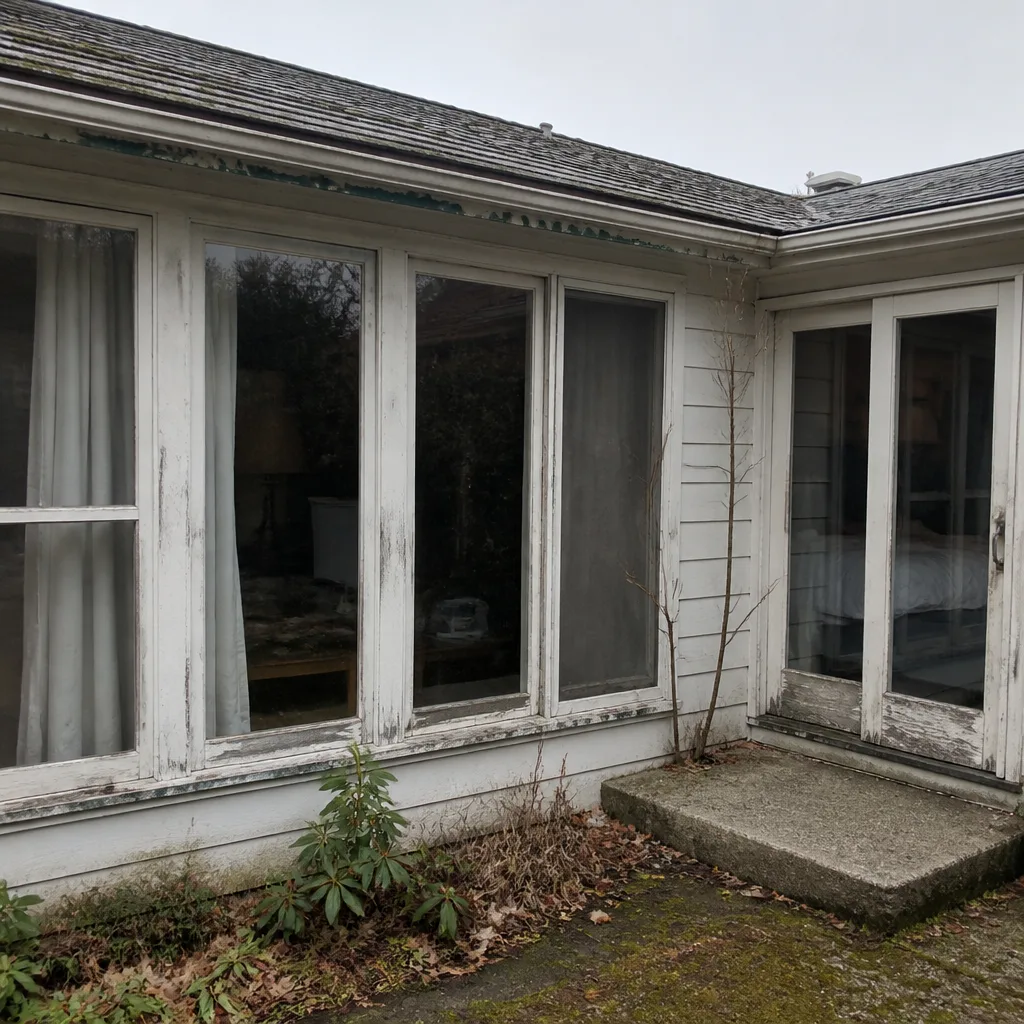 Before
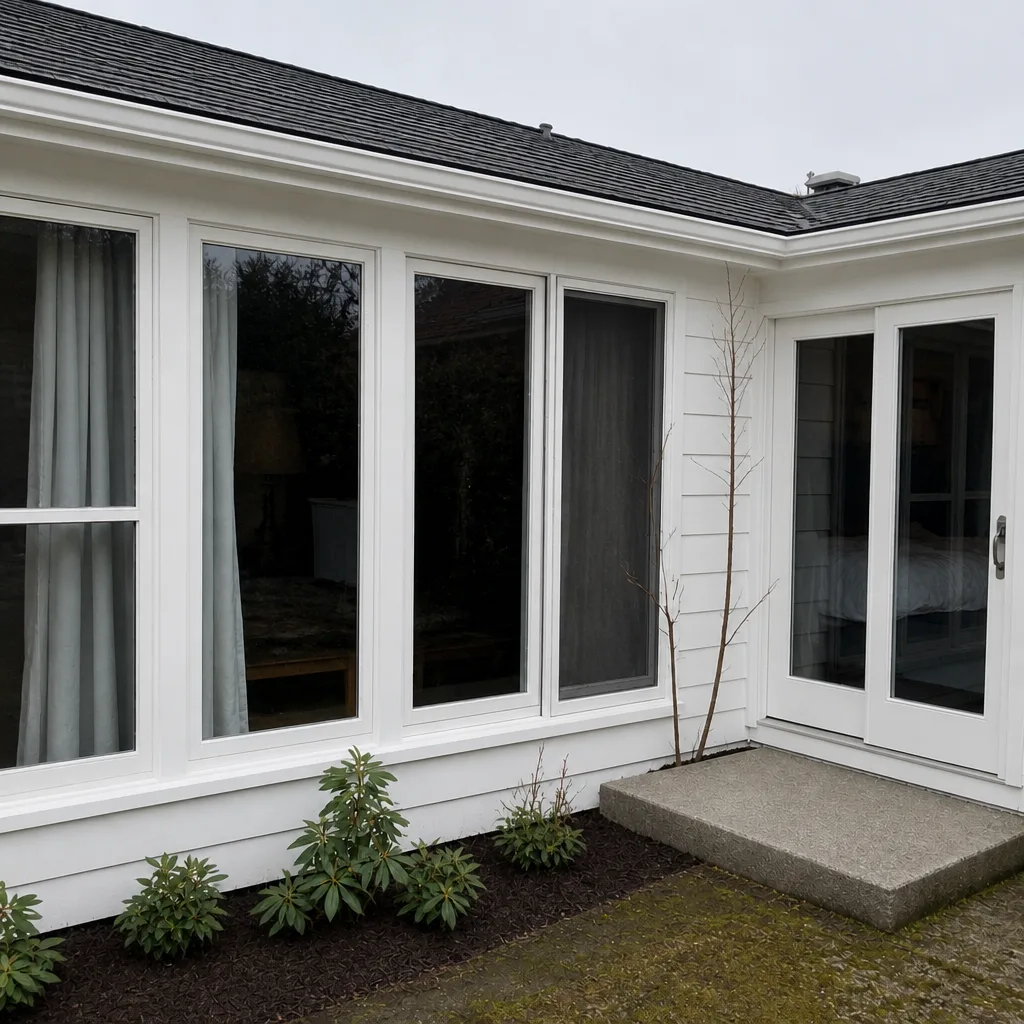 After
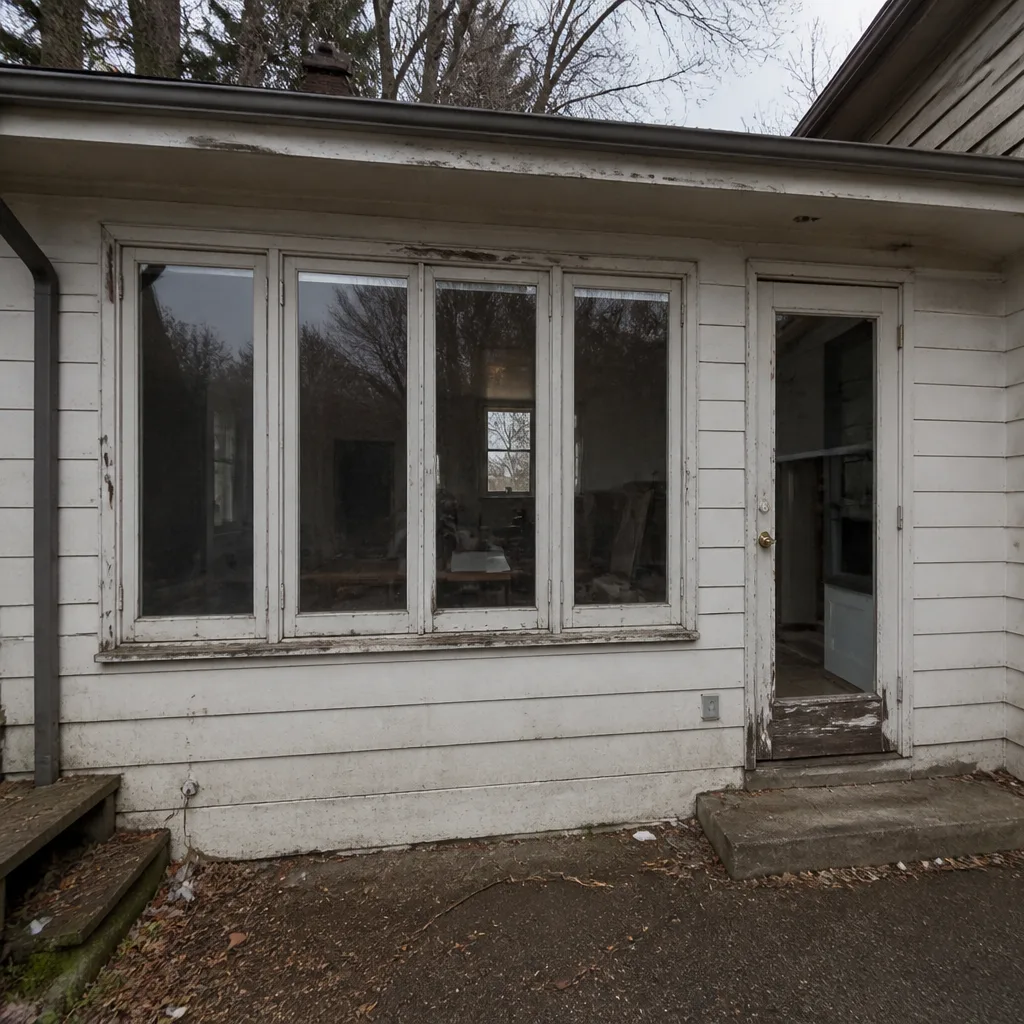 Before
 After
 Before
 After
Frequently Asked Questions
Twice a year works for most Bellevue homes: once in the fall before the heavy rain and once in the summer during the dry stretch. The fall check focuses on sill pans, flashing, and caulk joints, while the summer check focuses on weatherstripping, hardware, and glass. Call (425) 699-3164 for a professional assessment if anything looks off.
Not necessarily the whole window, but a fogged IGU means the sealed unit has failed and needs replacing. The frame and the rest of the window may be perfectly fine. A professional can tell you whether it’s an insulated glass unit replacement or a full window replacement. Call (425) 699-3164 to talk it through.
A hazy or dark band along the inside edge of the glass is often the first sign. Fogging and trapped moisture come later, once the seal has fully broken. Catching the edge haze early lets you monitor it and plan, rather than scramble once water is inside the unit.
Use silicone-based lubricant on sliding surfaces and rollers, and a light oil or dry lubricant on hinges and locks. Mixing the wrong lubricant with the wrong material attracts grit or breaks down plastic. Match the lubricant to the component, not the other way around.
A log helps a warranty conversation but isn’t usually the deciding factor; the condition of the unit and when the issue first appeared matter more. Keep dates, findings, and the product details recorded so you can describe the history accurately. Call (425) 699-3164 if you’re unsure whether an issue is covered.
Look outside for soft wood, bubbling paint, or cracked caulk at the sill, and inside for discoloration or a musty smell below the window. Any of those means the exterior water path may have failed. That’s a professional call, not a caulk-and-forget fix. Call (425) 699-3164 for a free estimate.
The Bottom Line
Window maintenance is mostly about catching the small things before they reach the wall. Inspect your sill pans and flashing in the fall, test seals and hardware in the summer, watch insulated glass for early edge haze, and log what you find twice a year. Bellevue’s wet climate rewards attention to the exterior water path more than anything else. If something looks wrong, don’t wait for the stain on the drywall. A quick look now saves a much bigger job later.
If you’re weighing replacement against keeping what you have, we install and replace windows and doors across eight manufacturer brands, from ECO Window Systems to Therma-Tru. For an on-site look at window replacement in Bellevue, call (425) 699-3164 today for a free estimate.
Written by the team at Window Replacement Bellevue.