Last updated November 25, 2026
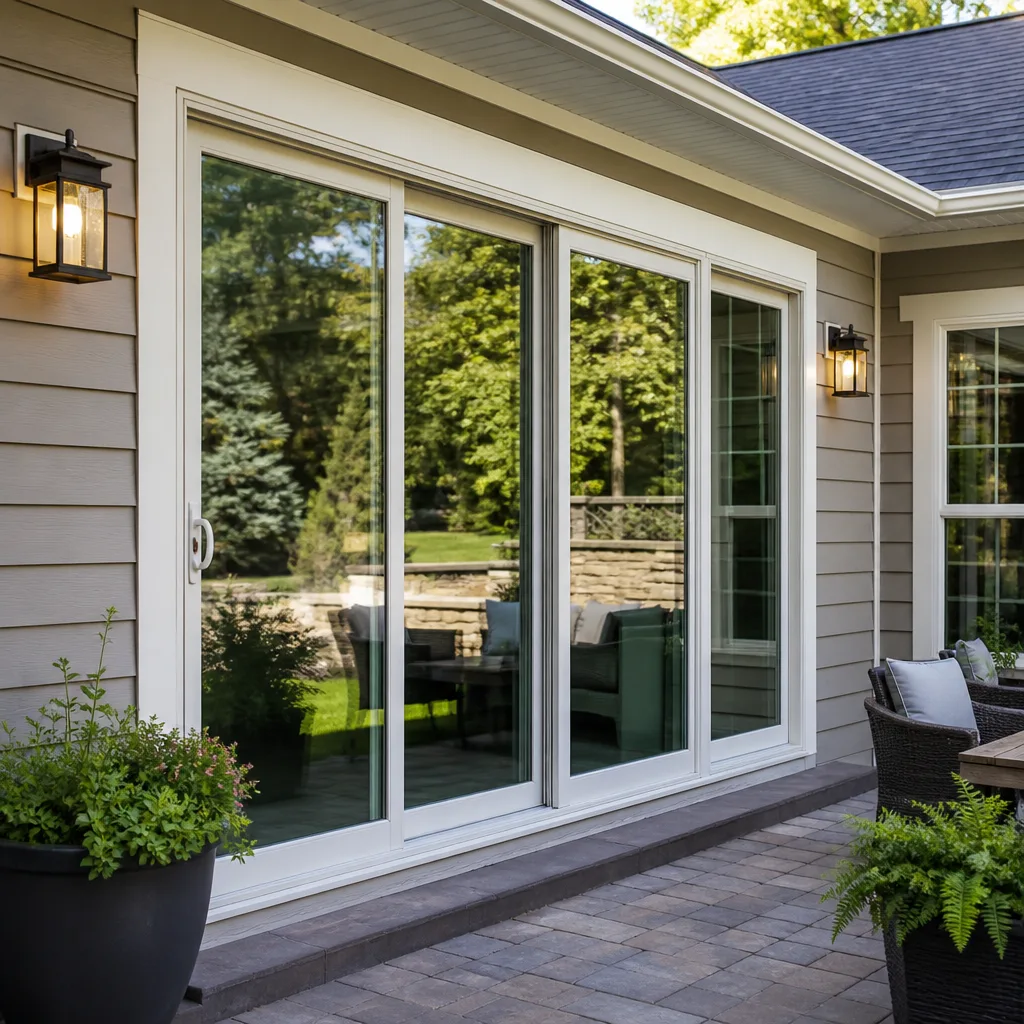 Sliding glass doors
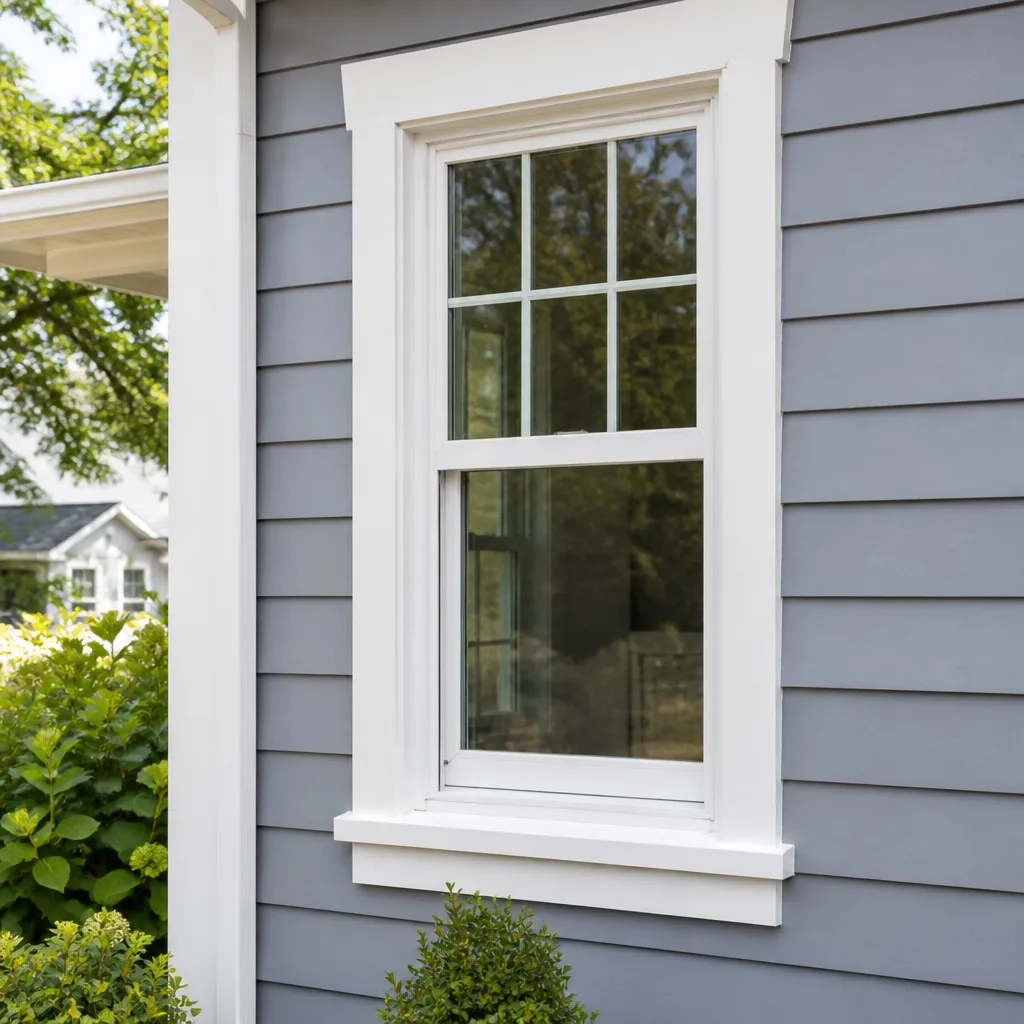 Single hung
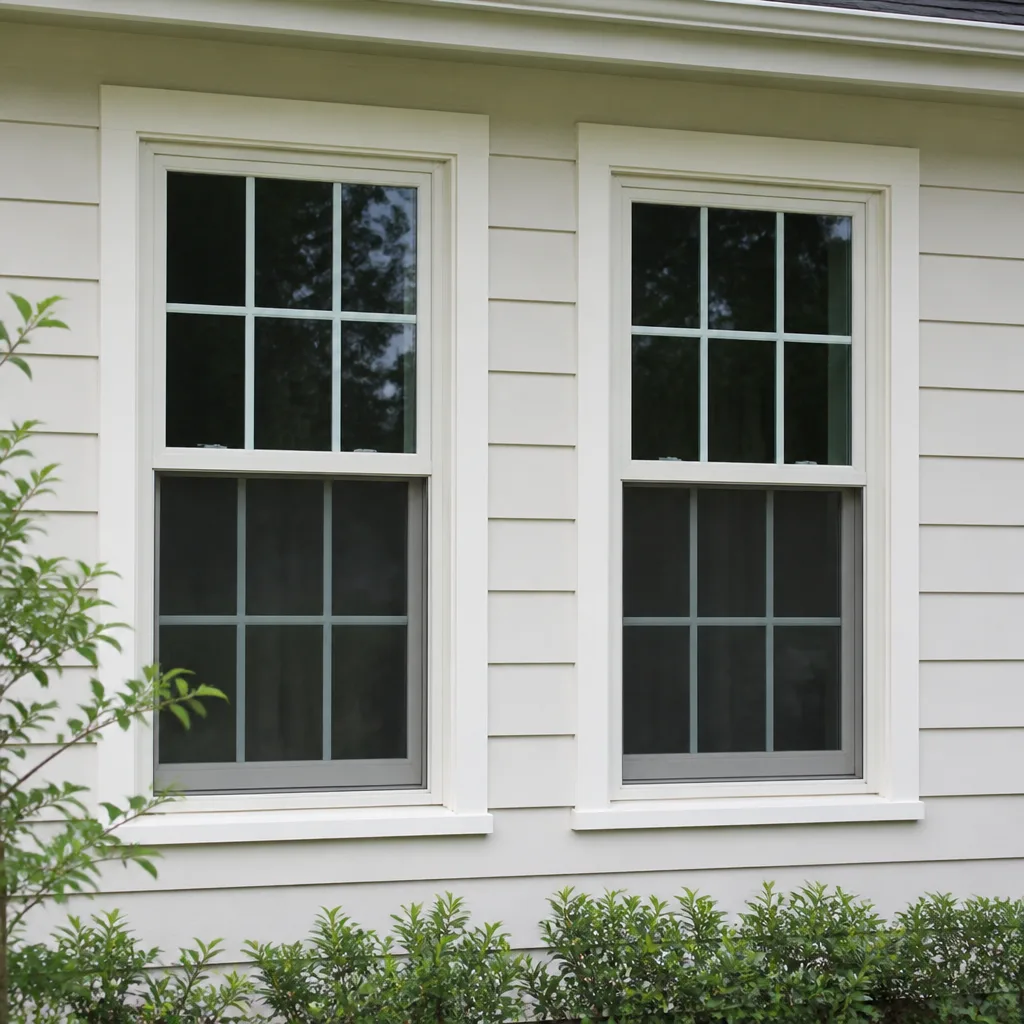 Double hung
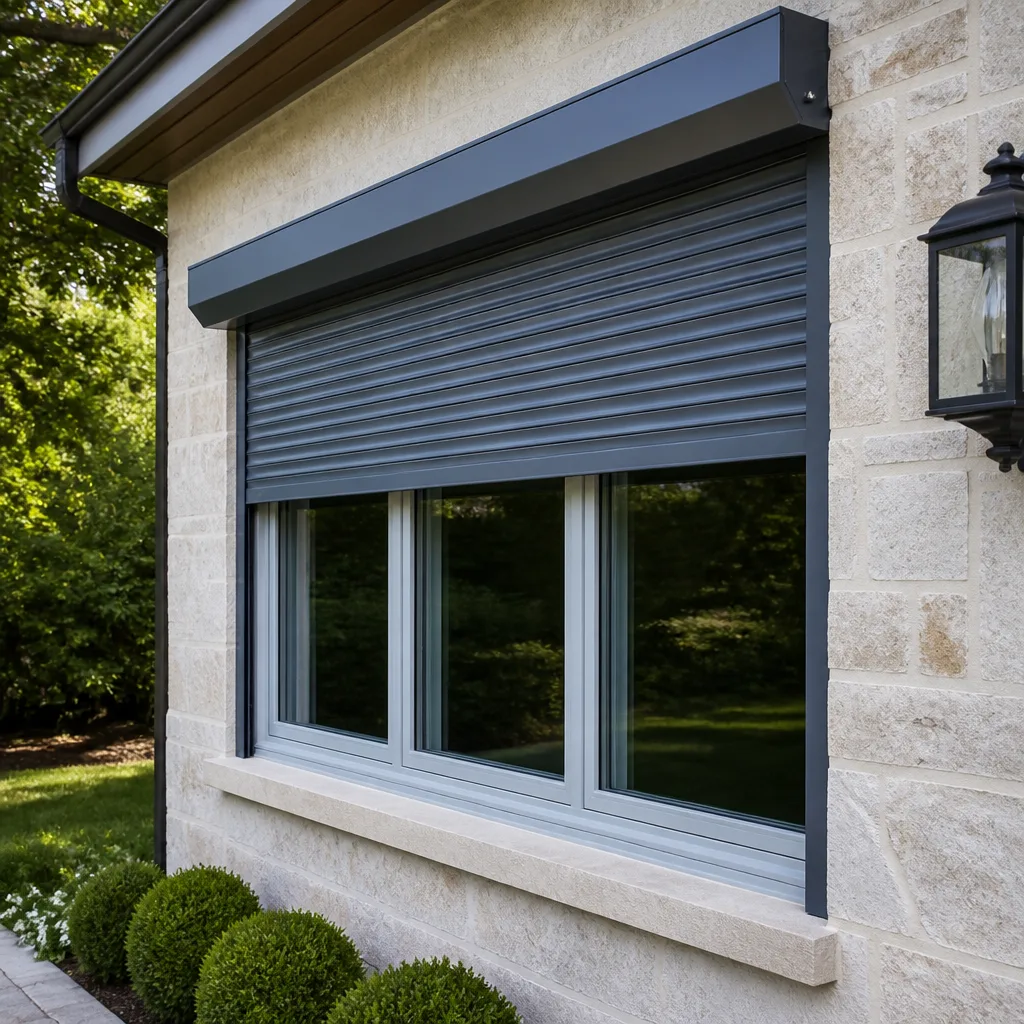 Horizontal roller
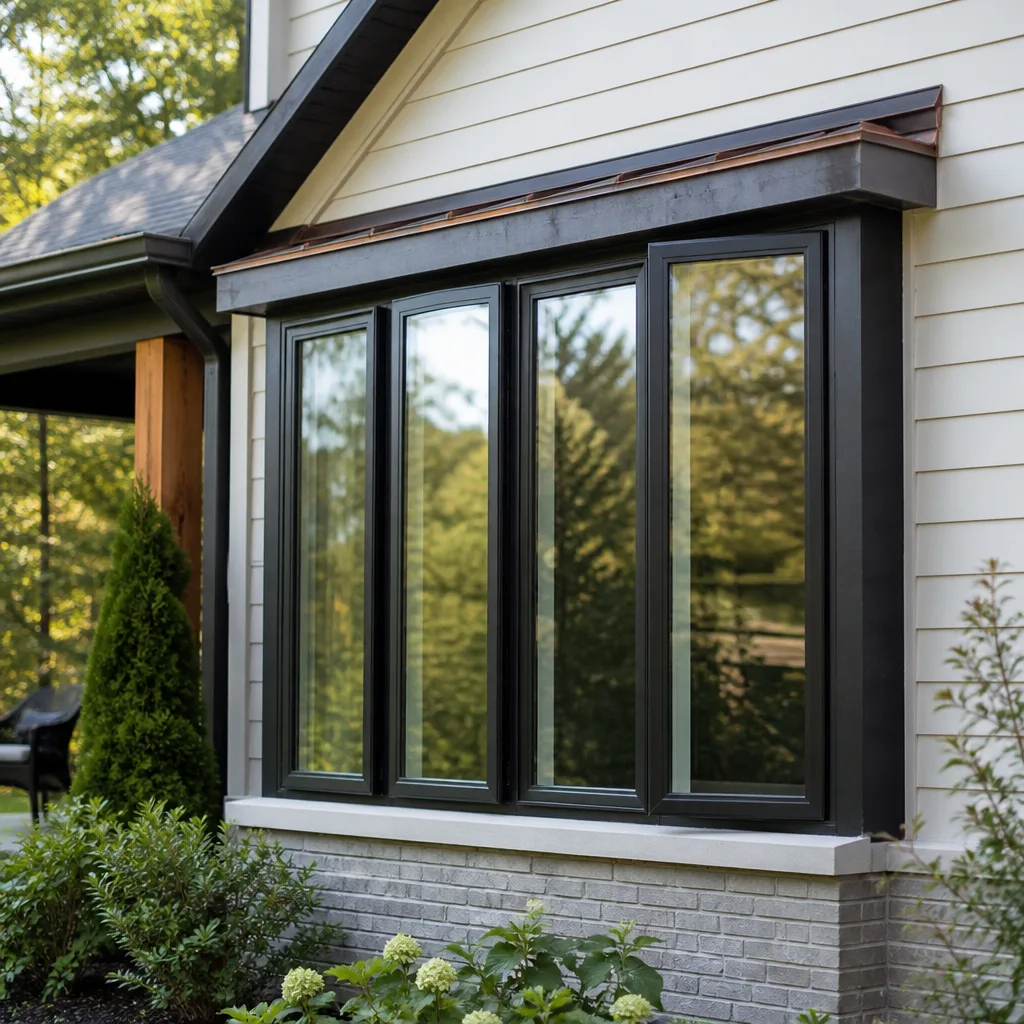 Casement
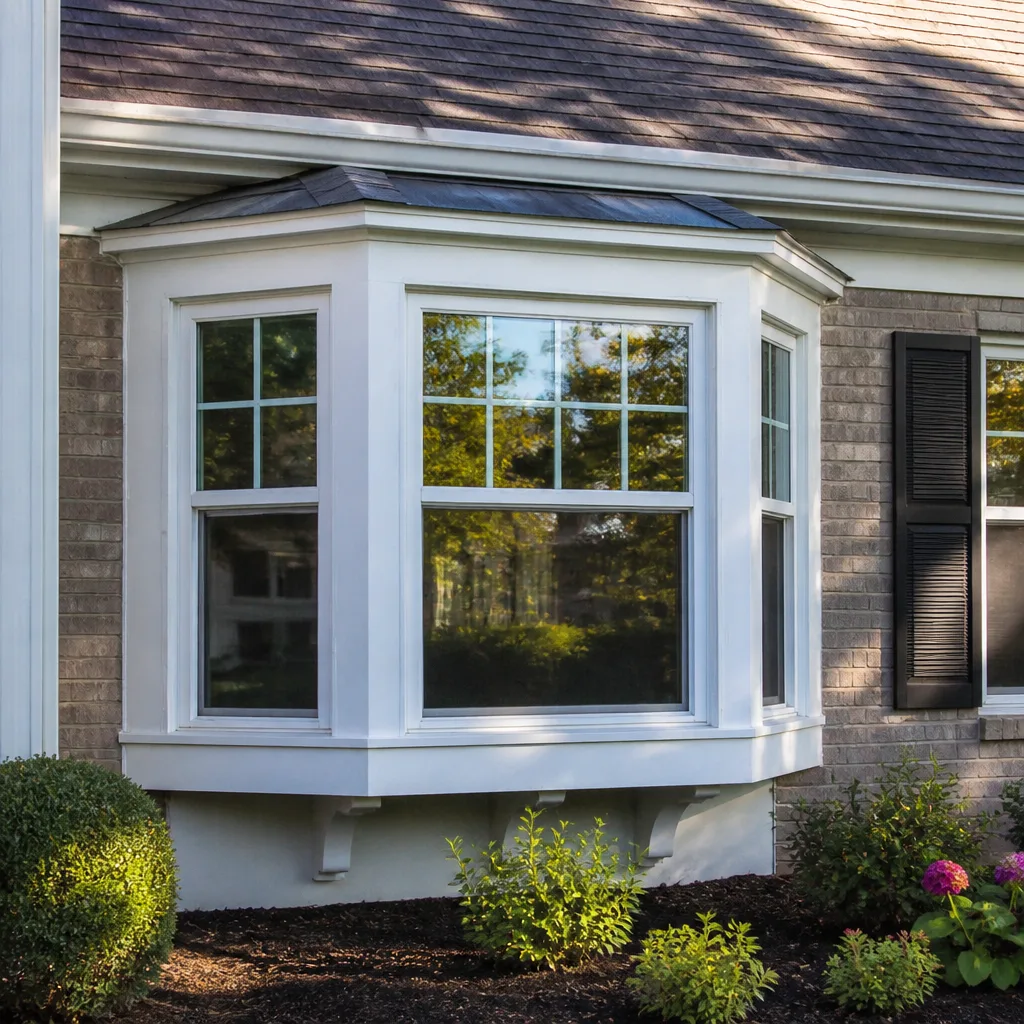 Bay & bow
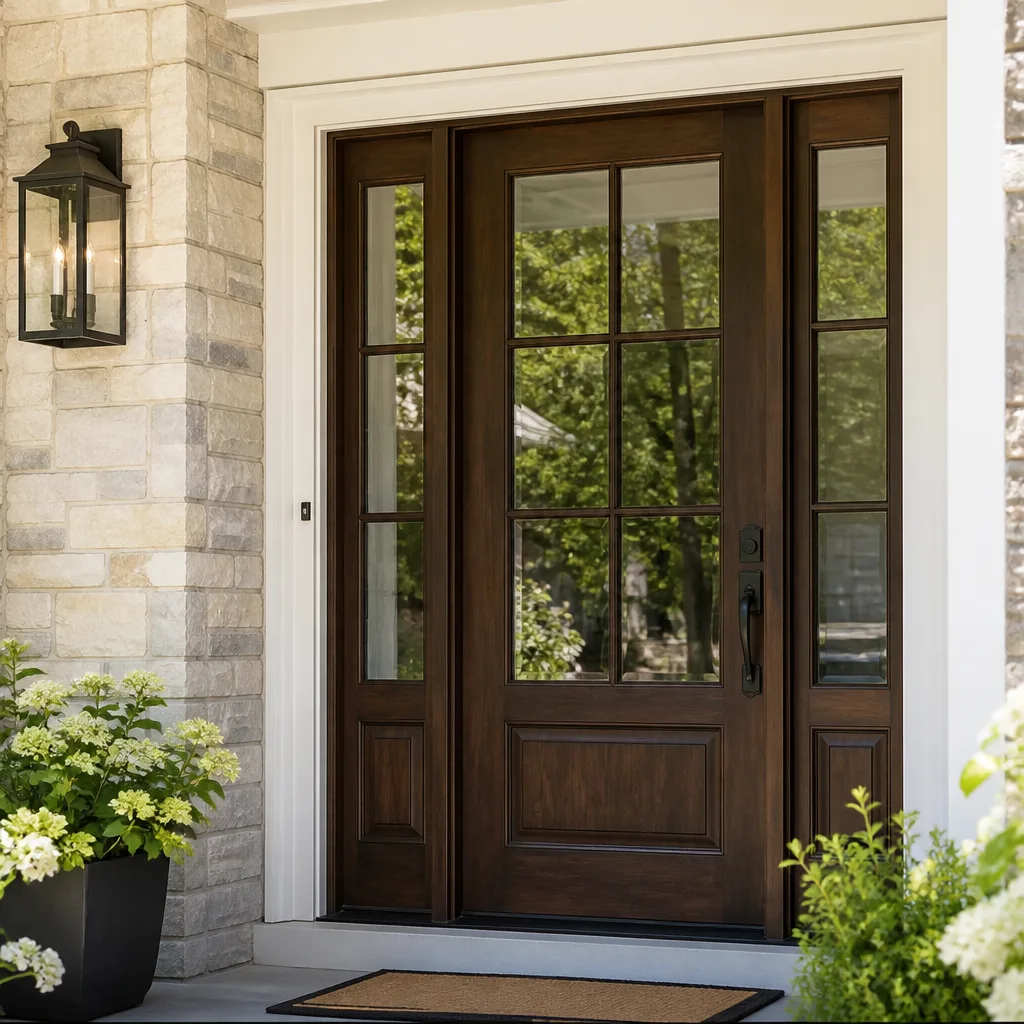 Entry doors
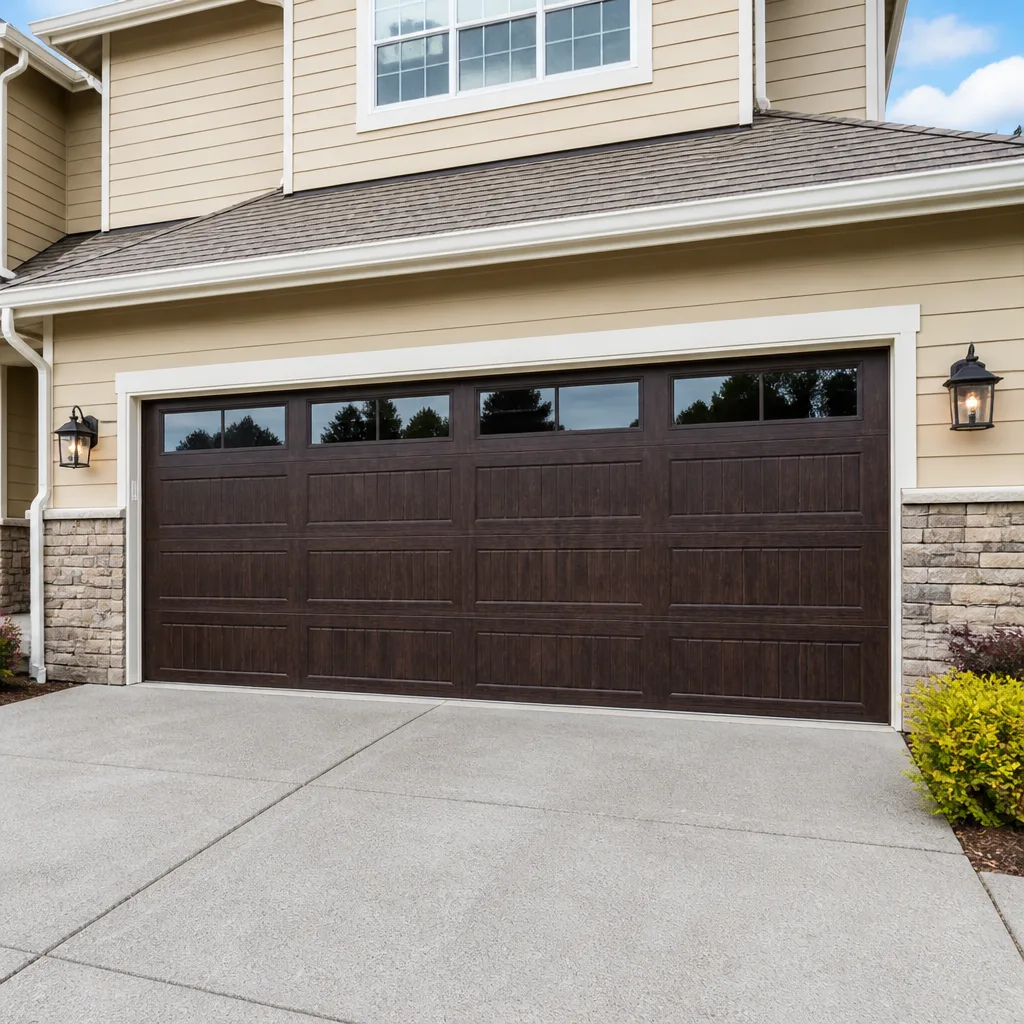 Impact garage doors
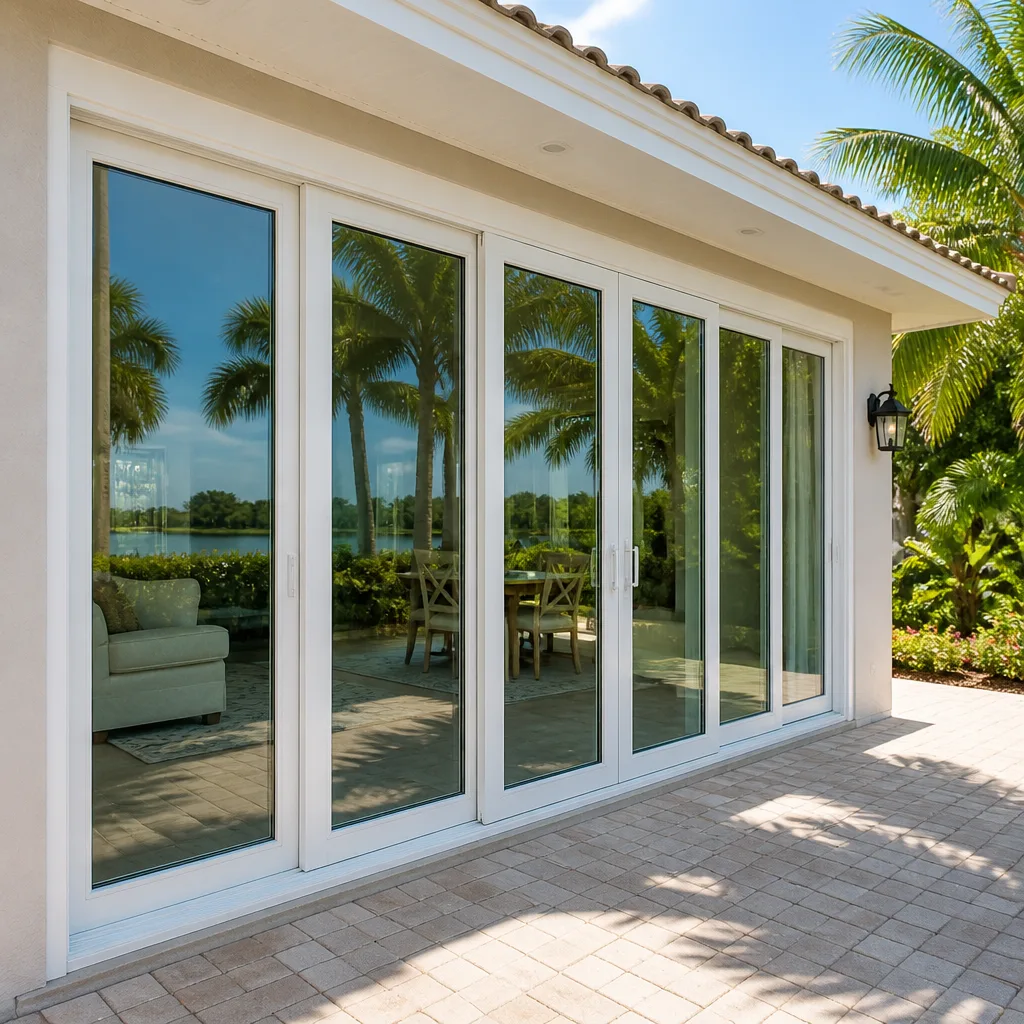 PGT
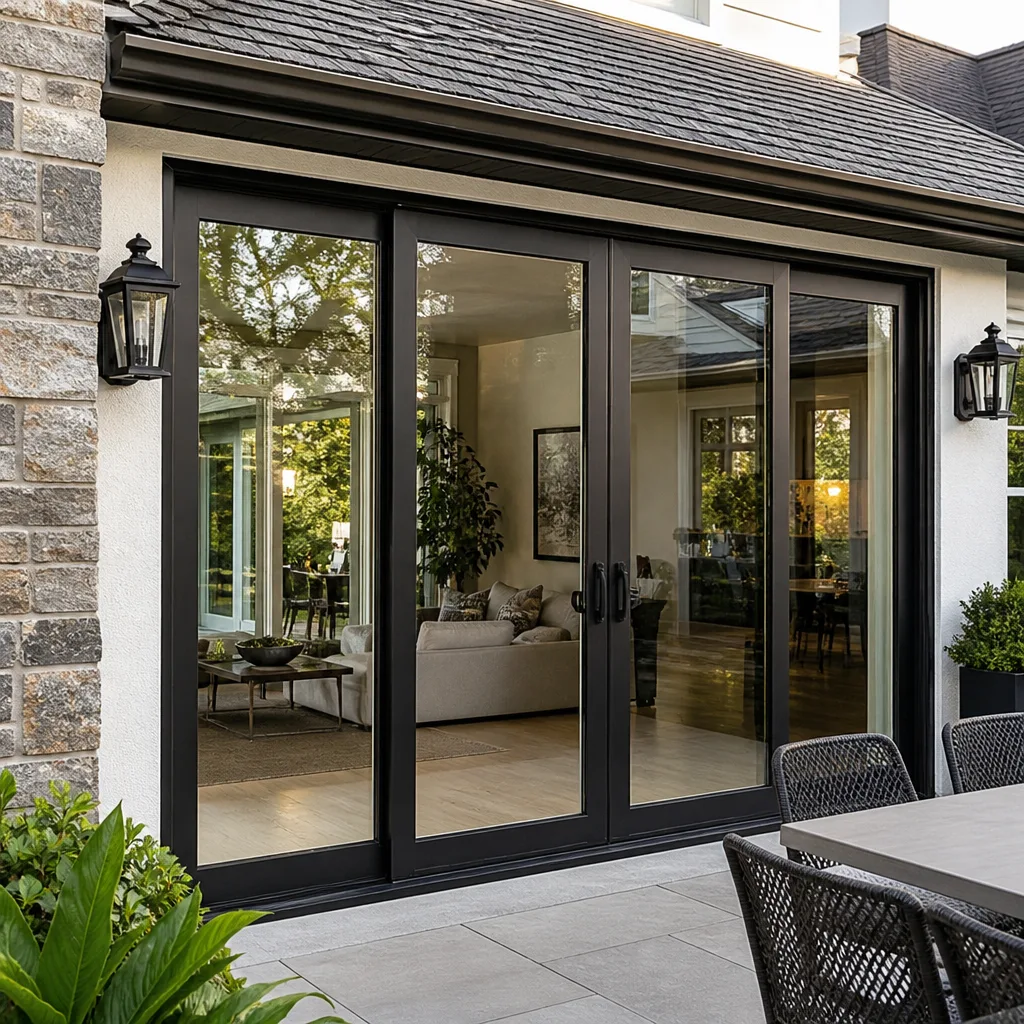 CGI
Free in-home measure and quote - PGT, CGI and CWS impact lines compared on your actual openings, style by style
Get your free estimateHow to Hire a Windows & Doors Contractor in Bellevue: A Step-by-Step Guide
If a contractor can quote your project without asking about your home’s construction year, your existing rough opening dimensions, or which walls are exterior load-bearing, that’s a scope problem, not a price problem. Most Bellevue homeowners shop for windows and doors by comparing bids, and bids always look comparable on paper. They rarely are. A single-line dealer and an installer working from a full site assessment can hand you the same-looking number and deliver completely different buildings. This guide walks through the vetting process we think every Bellevue homeowner should run before signing: how to verify a Washington State license, what a real pre-installation assessment includes, which contract line items quietly become your problem after demo day, and the interview questions that separate genuine product independence from the appearance of it.
Quick Answer
Hiring a windows and doors contractor in Bellevue comes down to three checks: verify the contractor’s Washington State registration and insurance certificate directly, confirm the company actually performs the installation rather than subcontracting it, and test whether their product recommendation survives a real site assessment of your rough openings, wall construction and moisture conditions. A contractor who carries competing manufacturer lines can match product to house; one locked into a single brand can only match you to their catalog.
Styles & brands we work with
- Single hung
- Double hung
- Horizontal roller
- Casement
- Bay & bow
- Sliding glass doors
- Entry doors
- Impact garage doors
- PGT
- CGI
Table of Contents
- The Three Types of Contractor You’ll Meet in Bellevue
- How to Verify a Washington State Contractor License
- What Certificate of Insurance Language Actually Protects You
- Interview Questions That Reveal Product Independence
- What a Proper Pre-Installation Site Assessment Includes
- How to Read a Window Replacement Contract for Scope Gaps
- Bellevue Climate and Housing Stock: What It Means for Product Choice
- Common Mistakes to Avoid
The Three Types of Contractor You’ll Meet in Bellevue
Bellevue homeowners typically encounter three arrangements, and they carry very different liability structures. A licensed general contractor manages the whole project and may bring in a specialty crew. A window dealer sells product and either installs with its own crew or hands the job to a subcontractor. A manufacturer-authorized installer has been vetted by the brand to install that brand’s products to specification. Each can do good work. The question is who answers when water gets behind a flange eighteen months later.
Here’s how the three compare on the things that matter after the job:
- Licensed general contractor: Holds the state registration, carries liability and workers’ compensation coverage, and is the party you can file against. May subcontract the actual installation, which adds a layer between you and the people on your wall.
- Window dealer with an installation crew: Controls both product and labor, so there’s no finger-pointing between supplier and installer. Liability is cleaner, but only if the crew is genuinely on payroll rather than a rotating list of subs.
- Manufacturer-authorized installer: Has been approved by the brand to install to its published specification. This matters for warranty validity, since most manufacturers require installation to spec as a condition of coverage. Authorization does not replace state licensing, so verify both.
Why does the distinction affect liability? Because a failed installation almost always involves two questions at once: was the product defective, and was it installed correctly? If one company sold it and a different company installed it, each has an obvious defense. A single accountable contractor owns the whole envelope, which is the model we work under for both window and door scopes. That’s not a sales point so much as a structural one: when the same party supplies and installs, there’s nobody left to blame but the party you hired.
How to Verify a Washington State Contractor License
Washington requires contractors to register with the state Department of Labor & Industries before taking on work, and the verification takes about five minutes. Do it yourself rather than accepting a screenshot or a PDF, since documents go stale and registrations lapse. A legitimate Bellevue contractor won’t be bothered by the request; if anyone pushes back, treat that as your answer.
- Ask for the contractor’s unified business identifier and registered contractor number.
- Look the registration up through the Labor & Industries contractor verification tool, not through a link the contractor sends you.
- Confirm the registration status is active and that the registration covers the type of work being quoted.
- Check that the business name on the registration matches the name on your contract and estimate exactly.
- Ask whether your project will use employees or subcontractors, and get that in writing.
- Re-verify the registration close to your scheduled start date, since a status that was active when you signed can change.
One detail Bellevue homeowners miss: a contractor can be registered and still be uninsured for your job. Registration and insurance are separate checks, and the second one is where the real protection lives. Our technicians have up to 10 years of experience, and we’d rather you run both checks than take anyone’s word for it, including ours. Ask for the certificate before you sign, and confirm it names the entity you’re contracting with.
What Certificate of Insurance Language Actually Protects You
A certificate of insurance is a snapshot, not a guarantee, and the wording matters more than the fact that a document exists. The two coverages that protect a homeowner are general liability and workers’ compensation. General liability responds if the crew damages your home. Workers’ comp responds if a worker is injured on your property, which protects you from a claim. A certificate that lists only one of these is incomplete for a project of this size.
Read these four items on the certificate:
- Named insured matches the contract. If the certificate names a different company than the one you’re signing with, the coverage may not extend to your job.
- Policy dates cover your project window. A certificate with an expiration before your scheduled installation is worthless by the time work starts.
- General liability limits are stated. Ask what the per-occurrence limit is and whether it’s adequate for a whole-house envelope project.
- Workers’ compensation is active. If a contractor has no workers’ comp and claims all workers are independent contractors, that’s a question worth asking plainly.
Language that sounds protective but isn’t: “fully insured” with no certificate attached, “bonded and insured” with no policy details, or a certificate marked “for informational purposes only.” That last phrase is standard industry language meaning the certificate doesn’t obligate the insurer to notify you if the policy is cancelled. Ask to be named as a certificate holder if you want notice of cancellation. None of this is a reason to distrust a contractor. It’s simply the layer of due diligence that separates a Bellevue project that goes smoothly from one that gets complicated after the fact.
Interview Questions That Reveal Product Independence
Most contractors can quote your job. Far fewer can explain why a specific product fits your specific house. The gap between those two abilities is the clearest signal of whether the brand recommendation you’re hearing is driven by fit analysis or by margin. Ask these questions and listen for specifics rather than reassurances.
- “Can you quote this project in more than one brand?” A contractor carrying competing lines has no structural reason to steer you. We carry eight manufacturer brands, spanning impact-rated, energy-efficient and architectural products, precisely so the recommendation can follow the house rather than the inventory.
- “Why this brand for this wall?” A genuine answer references your wall construction, exposure, opening size and performance targets. A weak one references popularity or what’s in stock.
- “What’s the trade-off if I choose the other option?” If a contractor can’t name a downside to their primary recommendation, they aren’t comparing anything.
- “Who installs it, and are they your employees?” This tells you whether accountability is real or aspirational.
- “What does the manufacturer require for warranty coverage to apply?” Authorized installers know this cold. Dealers who farm out installation often don’t.
- “What’s the difference between your impact-rated line and your energy-efficient line?” If the answer is vague, the portfolio is a brochure, not a working tool.
Here’s what product independence looks like in practice. A home near the Lake Washington side of Bellevue with large west-facing glazing and a lot of afternoon sun has different performance needs than a shaded lot closer to Crossroads, and a different product may make sense on each. Carrying competing manufacturers means we can recommend impact-rated glazing from a performance brand for one opening and an architectural line for another without the recommendation being driven by what we happen to stock. The right product for your home, not just the product we have in stock, is the whole point of the exercise. If you want to see how that plays out in a full replacement scope, our Window Replacement Bellevue page walks through the process end to end.
What a Proper Pre-Installation Site Assessment Includes
A site assessment is not a sales visit with a tape measure. It’s the technical step where the actual scope gets defined, and skipping it is how projects end up with change orders after the old units come out. If a contractor quotes from a few photos and a rough measurement, you don’t have an estimate yet. You have a guess with a number attached.
A proper assessment in a Bellevue home should cover:
- Rough opening measurement at multiple points. Openings are rarely perfectly square, especially in older homes, so width and height get measured at the top, middle and bottom. Out-of-square openings need to be documented before ordering.
- Wall thickness confirmation. This determines the correct frame depth and how the unit sits within the wall. A guess here shows up as a trim problem or a weather-seal problem later.
- Moisture checks around the opening. Bellevue’s wet winters put real stress on window perimeters. Probing for soft framing or past water intrusion before ordering tells you whether there’s hidden work ahead.
- Load path documentation. Which walls carry structural load affects how a large opening can be handled and whether any framing change is in scope.
- Exterior cladding and flashing details. How the new unit integrates with siding and flashing determines whether water gets managed correctly at the head and sill.
- Interior finish conditions. Trim, drywall returns and paint lines all affect the finished look and the labor involved.
Every one of these items can change the scope, and scope changes change price. This is the single biggest reason we insist on a real assessment before a written estimate: a quote built on incomplete information isn’t a favor to anyone. Note also that we take on window and door replacement or installation jobs of three openings or more, so a whole-home or multi-room project is exactly the kind of work this process is built for.
How to Read a Window Replacement Contract for Scope Gaps
The line items missing from a contract are more expensive than the ones that are there, because they surface after demolition, when the old units are out and the house is open. The time to identify a gap is before you sign, not when a crew is standing in your living room asking for a decision. Read the document looking for what it doesn’t say.
Common omissions that become out-of-pocket costs:
- Permits and inspections. Most cities require a permit for window and door replacement, so ask whether the permit and any required inspection are included in the contract price. Ask your city’s building department which permits apply to your scope.
- Flashing and weather-sealing. If the contract says “install per manufacturer specification” but doesn’t name flashing material or method, you don’t know what’s included at the head and sill.
- Trim and finish work. Interior and exterior trim, drywall patching, and paint touch-up are frequently excluded or vaguely described. Ask for them as named line items.
- Disposal and haul-away. Old units and construction debris should be explicitly included.
- Structural or framing repairs. Some contracts exclude hidden damage from the start. That’s fine as long as the contingency is defined, priced and agreed before work begins.
- Lead-safe handling. Homes built before a certain era may require additional handling procedures. Ask how the contractor handles older homes and what the contract says about it.
Insist on a written, itemized scope with a clear statement of what’s included and what isn’t. Ask directly whether the price is fixed or subject to change, and get the answer in writing. Any change after signing should require your written approval before work proceeds. A contract that leaves the door open for silent scope growth isn’t a contract, it’s an opening bid. When you’re ready to price a full project, window replacement scopes are built the same way: assessment first, itemized quote second.
Bellevue Climate and Housing Stock: What It Means for Product Choice
Bellevue sits in a climate with wet, mild winters and dry summers, and that pattern drives window performance priorities in ways homeowners from drier regions don’t always anticipate. Rain driven against a facade for months at a time stresses the perimeter seal, flashing and drainage details more than the glass itself. That’s why the assessment section above spends so much time on flashing and moisture: in this region, water management at the opening matters as much as the unit’s rating.
The city’s housing stock adds a second variable. Bellevue has a mix of mid-century homes and newer construction, and the older houses frequently have openings that are neither square nor uniform across the home. A one-size catalog approach struggles with that. Two specific product categories matter a lot here:
- Energy-efficient glazing matters for temperature control and interior comfort on west- and south-facing walls that take summer sun, and for keeping heat inside through the cooler months. Products like those from ECO Window Systems and ES Windows are built around this priority.
- Impact-rated glazing from performance brands like PGT and CGI is engineered for demanding weather and structural requirements. Even where severe storm risk isn’t the primary concern, impact-rated construction brings heavier frames and robust performance characteristics that suit demanding installations.
Entry and sliding door spec matters in Bellevue for the same reasons. West-facing doors take weather and sun, and thermal performance at the door matters just as much as at the glass. A Therma-Tru entry door is built around security and curb appeal together, which is what most homeowners are actually after when they decide to replace the front door. And a patio door that faces a wet-weather exposure needs its sill and threshold detail handled correctly from the start. One contractor for both windows and doors, including door replacement and sliding door work, means the envelope is managed as a single system rather than a set of separate trades.
Common Mistakes to Avoid
- Comparing bids without comparing scopes. Two numbers side by side mean nothing if one includes permits and flashing and the other doesn’t. Insist on itemized scopes so the comparison is real, especially in a Bellevue market where contractors take varied approaches to site assessment.
- Accepting a quote given without a site visit. A number produced from photos and a rough measurement will change once the walls are open. Have a proper assessment first, every time.
- Skipping independent license and insurance verification. Screenshots go stale and registrations lapse. Verify through the state tool yourself and confirm the certificate names the contracting entity.
- Letting a single-brand dealer define the shortlist. If you’ve only seen one manufacturer’s products, you haven’t shopped for windows yet. Ask for at least two brands quoted against the same scope.
- Signing a contract that doesn’t name trim, flashing, disposal or permit responsibility. These are the exact line items that appear as change orders after demo day in older Bellevue homes with irregular openings.
- Assuming a brand name guarantees a good installation. Manufacturer authorization is a vetting signal, not a substitute for checking who’s actually on the job and whether they’re covered.
- Ordering before the openings are measured properly. Out-of-square openings and non-standard wall depths are common in this region’s older housing stock. Measure first, order second, always.
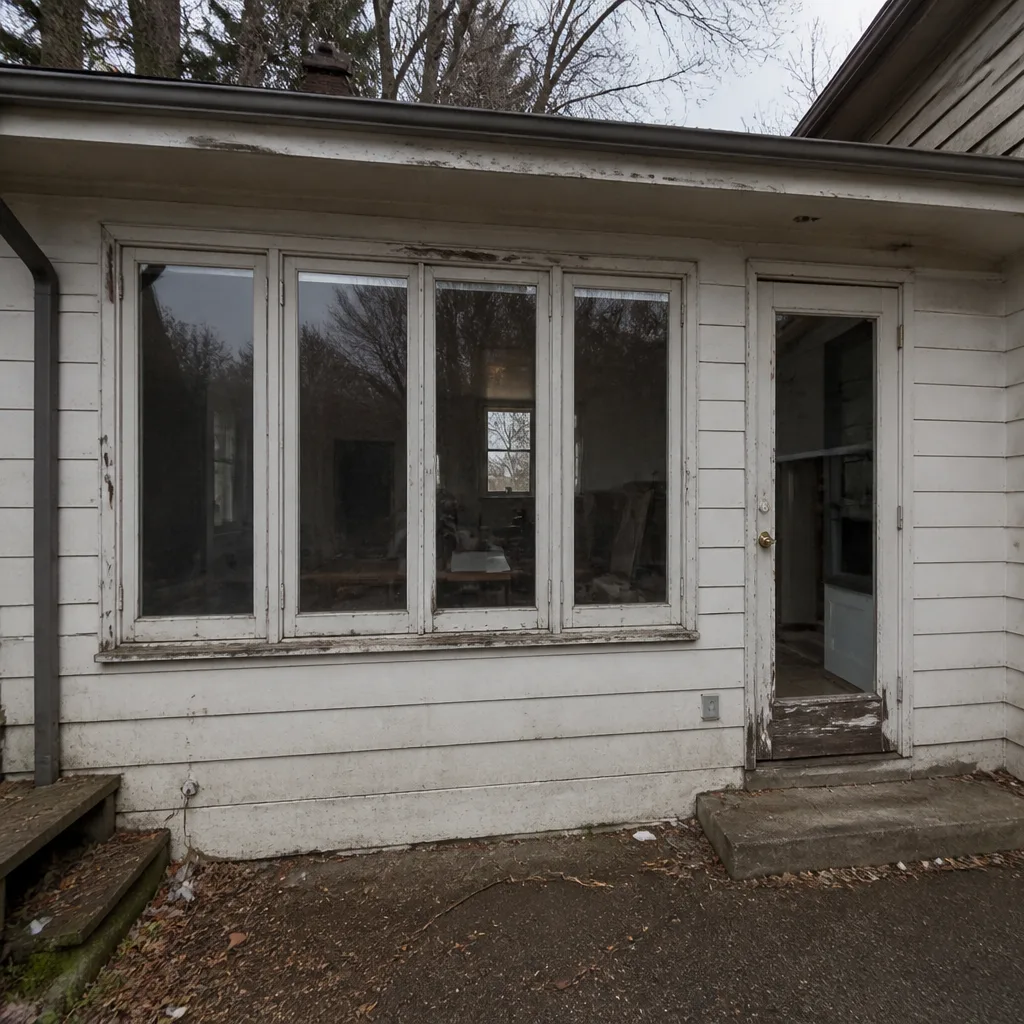
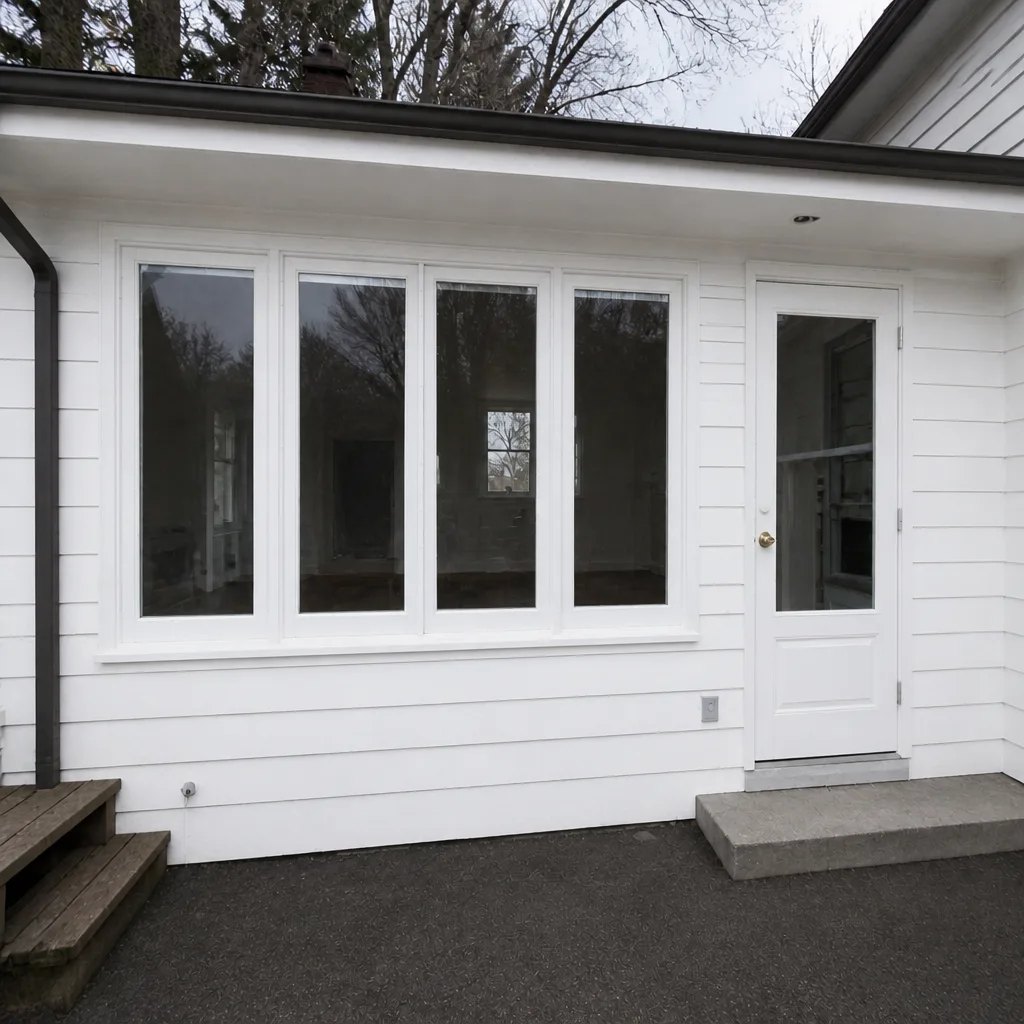
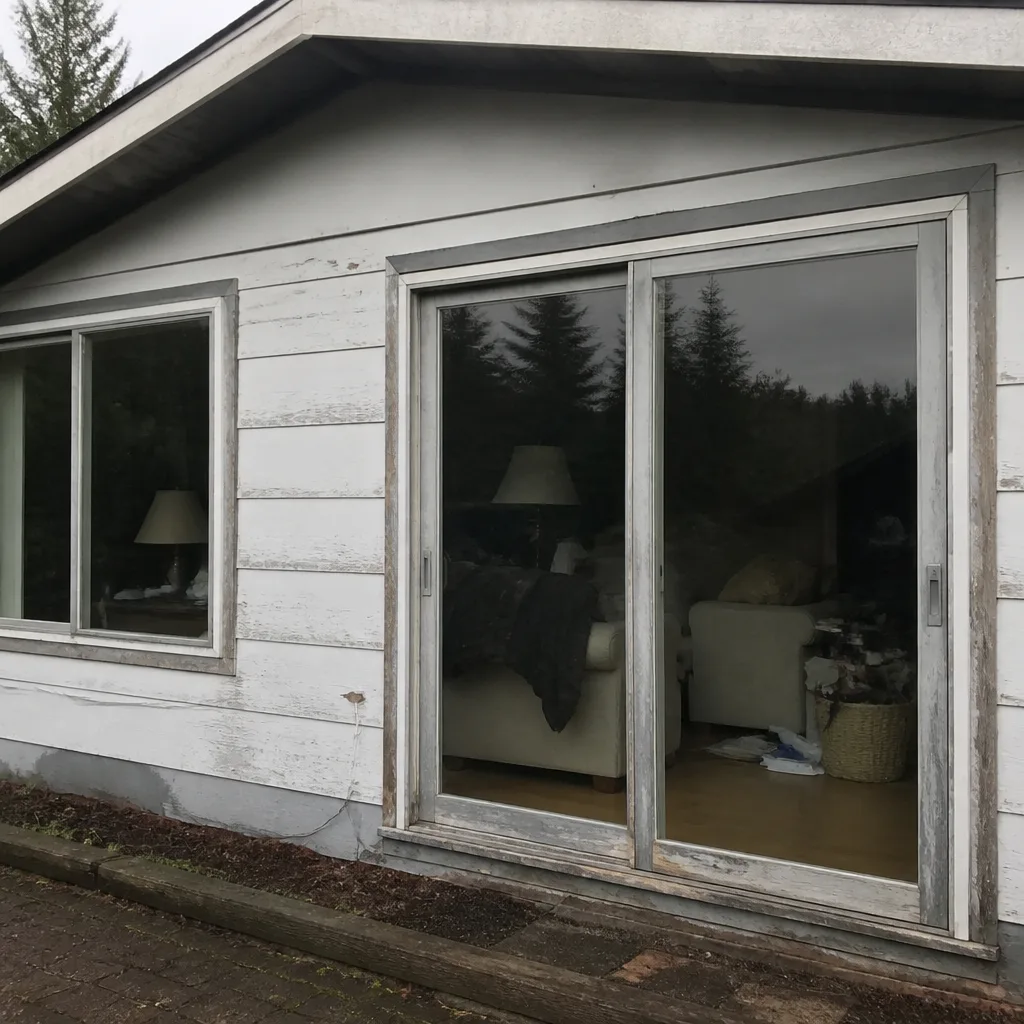
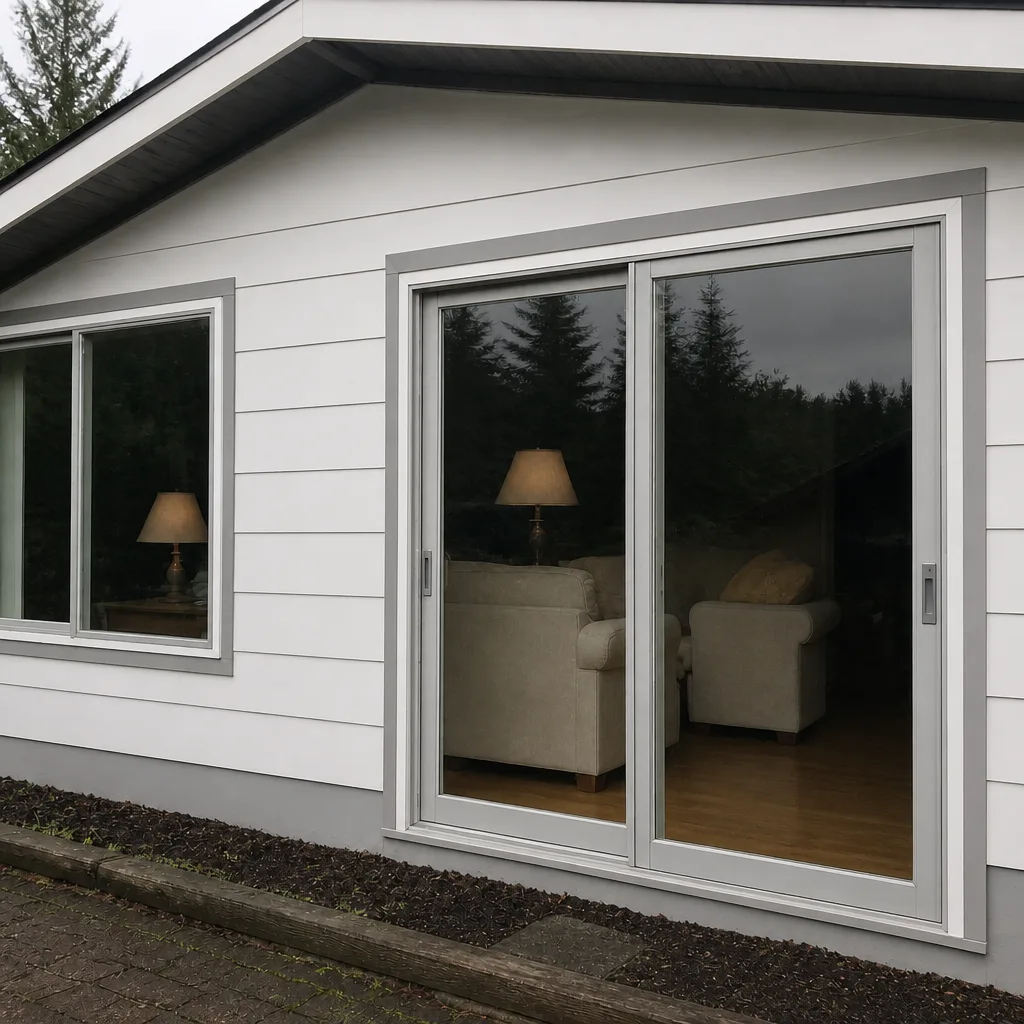
See the difference
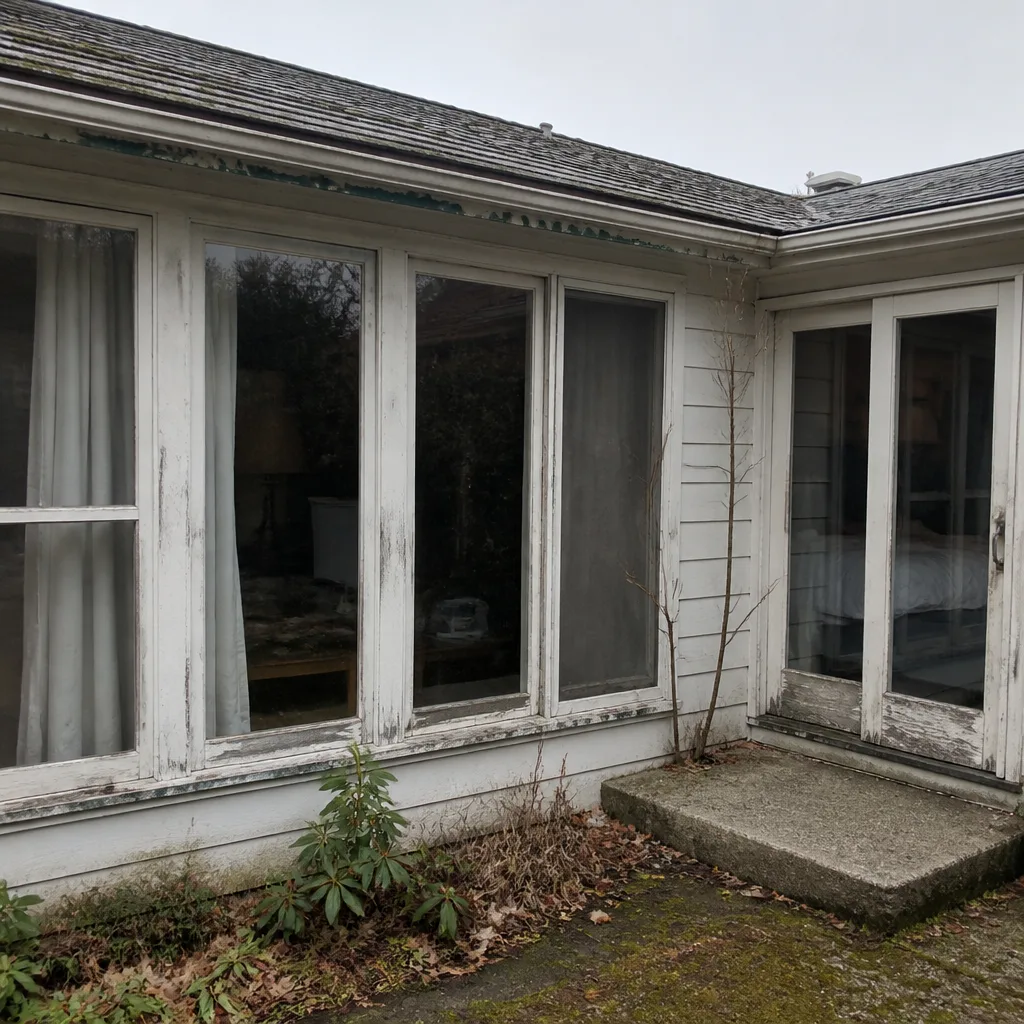 Before
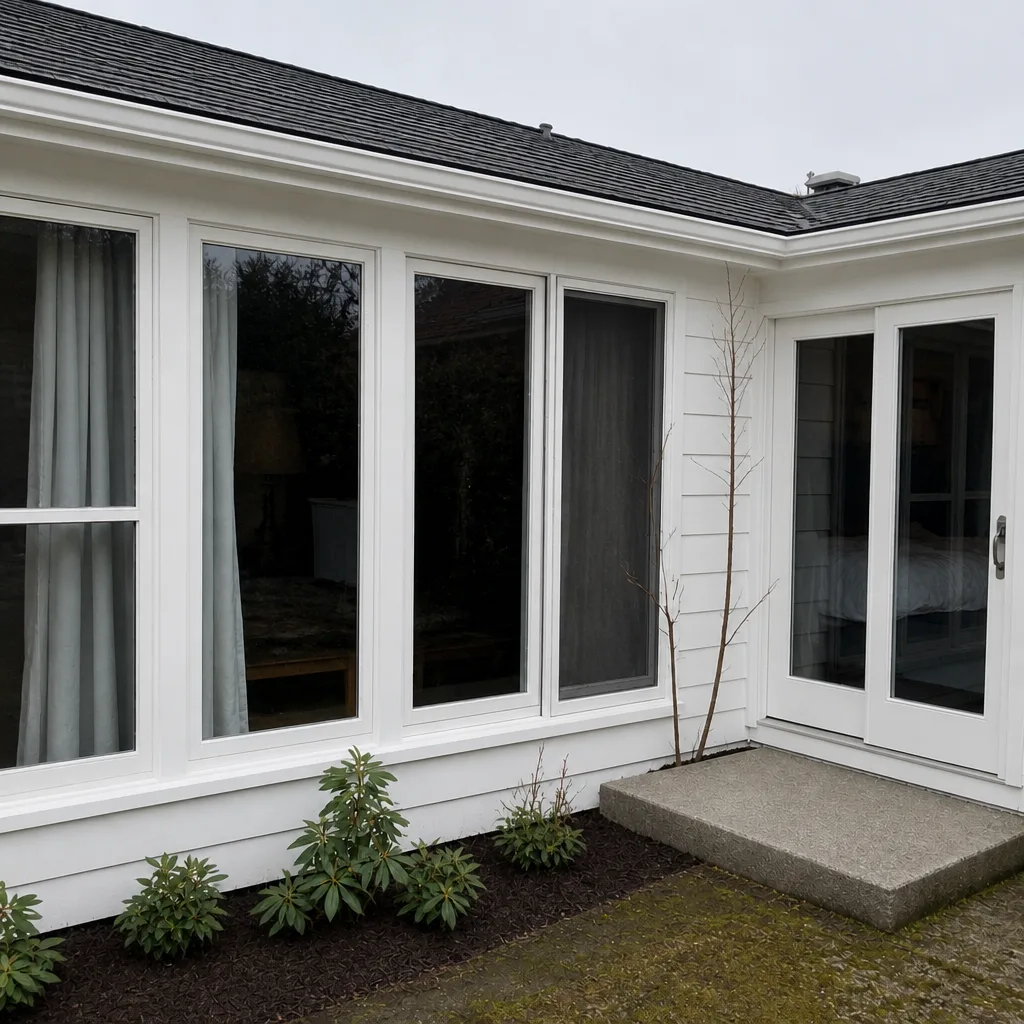 After
 Before
 After
 Before
 After
When to Call a Professional
Replacement work is a planned project, not an emergency response, so the right moment to call is when you’re ready to define scope rather than react to a failure. If your windows let water in at the perimeter, if a door no longer seals or the frame has moved, or if you’re planning a whole-home or multi-room envelope project, that’s the point to bring in a professional. Larger openings and heavy impact-rated units also demand training and equipment, so those scopes should always go to an installer rather than a do-it-yourself attempt. Window Replacement Bellevue offers free estimates in Bellevue. Call (425) 699-3164 to schedule yours, and we’ll walk the openings with you before any number gets written down. For the installation side of the conversation, our window installation page covers how a proper install is sequenced.
Frequently Asked Questions
Ask for the contractor’s registered contractor number and look it up yourself through the Washington State Department of Labor & Industries contractor verification tool. Confirm the registration is active, that the business name matches your contract exactly, and then separately request a current certificate of insurance naming the same entity. Call (425) 699-3164 for a free estimate once you’ve run those checks on the contractors on your shortlist.
A general contractor is state-registered to manage the project and carries the liability for it, while a manufacturer-authorized installer has been approved by a specific brand to install that brand’s products to its published specification. The two aren’t interchangeable, and the strongest setup is one that’s both: state-licensed and authorized by the manufacturer whose product it’s installing. Ask both questions and get both answers.
It shouldn’t change if the scope is defined before ordering, which is why a full site assessment matters so much. Hidden damage, framing issues or unexpected moisture found during demo can change the scope, but any reputable contractor will document the issue and get your written approval before proceeding. Call (425) 699-3164 for a free estimate with an itemized, written scope that reduces the chance of surprises.
Permits are a scope item that should be named explicitly in your contract, and most cities require a permit for window and door replacement, so ask your city’s building department which permits apply to your project and then confirm in writing that the contractor is handling them. If a quote doesn’t mention permits at all, that’s a scope gap worth raising before you sign. Call (425) 699-3164 to talk through what your project involves.
A contractor carrying competing manufacturer lines has no structural reason to steer you toward one product, because the recommendation can follow the needs of your home rather than the inventory on hand. If you’re only shown one brand, ask to see at least one alternative quoted against the same scope and see whether the reasoning holds up. We carry eight brands, including Mr-Glass, Therma-Tru, ES Windows and ECO Window Systems, so the fit drives the recommendation.
The honest answer depends on the number of openings, the condition of the framing, and whether doors are part of the scope alongside the windows. A whole-home project with a dozen or more openings and a sliding and entry door takes longer than a four-window replacement, and weather delays are a real factor in the wetter months. Get the schedule written into the contract, and call (425) 699-3164 for a free estimate with a realistic timeline.
The Bottom Line
Hiring a windows and doors contractor in Bellevue comes down to verifying the license and insurance yourself, insisting on a real site assessment before any number is committed to paper, reading the contract for the line items that become change orders after demo day, and asking questions that expose whether the brand recommendation is driven by fit or margin. Any contractor who can quote without those checks is telling you something about how they work. Verify, compare, and read the fine print before you sign. Free estimates are the right place to start, and the written, itemized quote is the document that matters.
Written by the team at Window Replacement Bellevue.