Last updated November 25, 2026
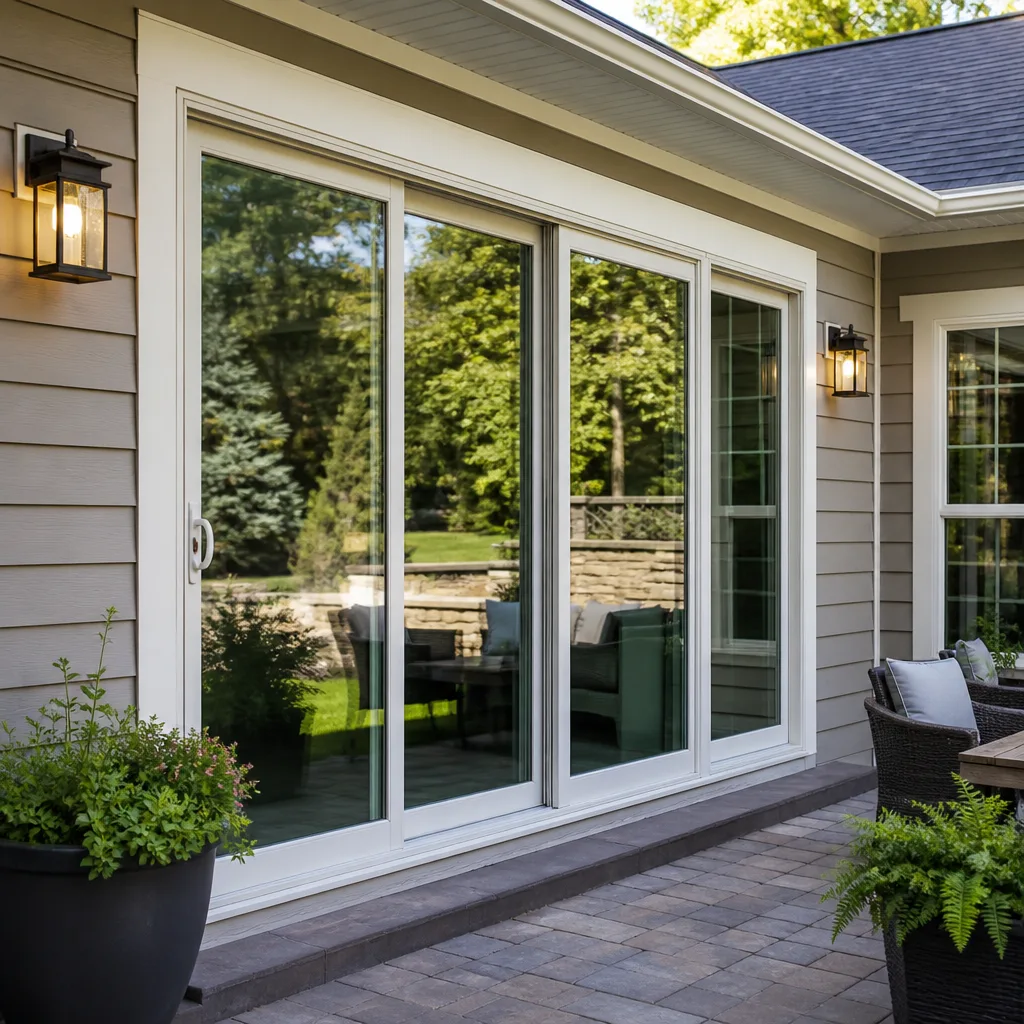 Sliding glass doors
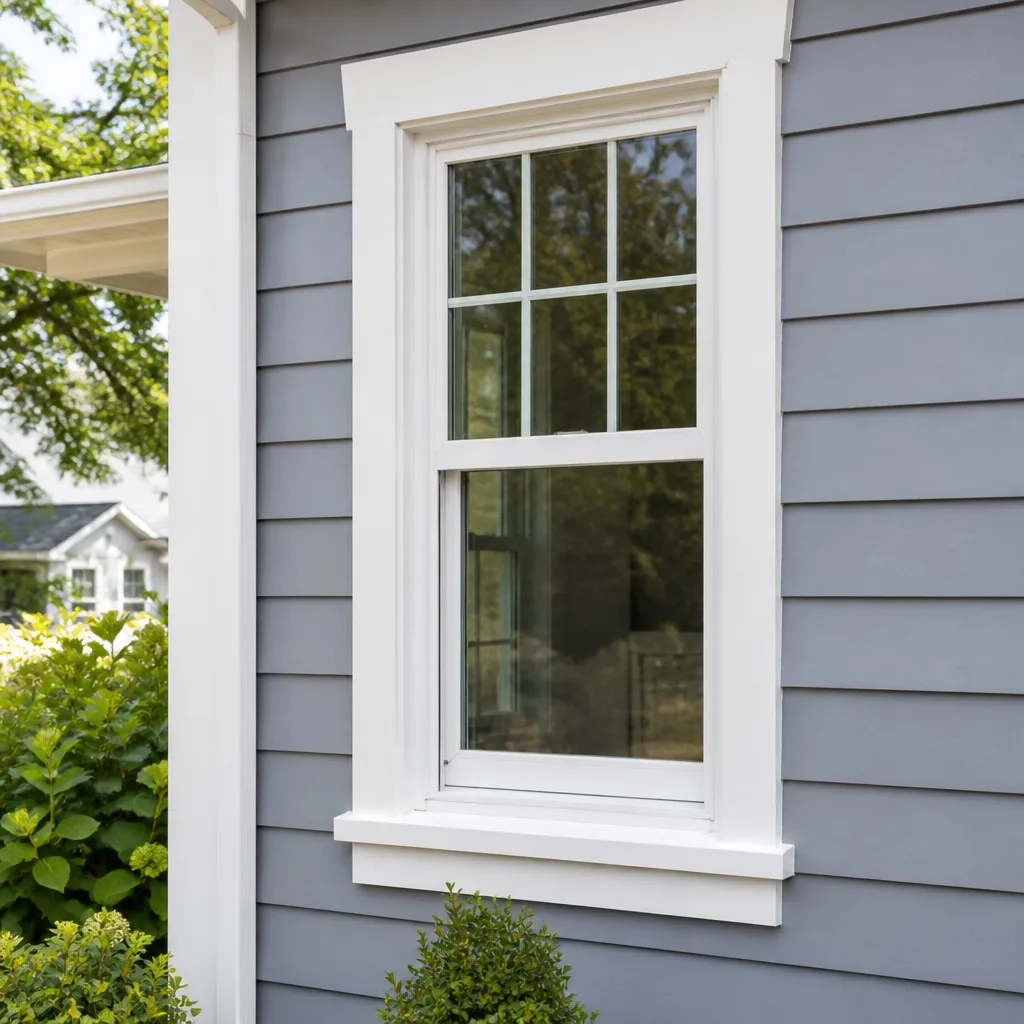 Single hung
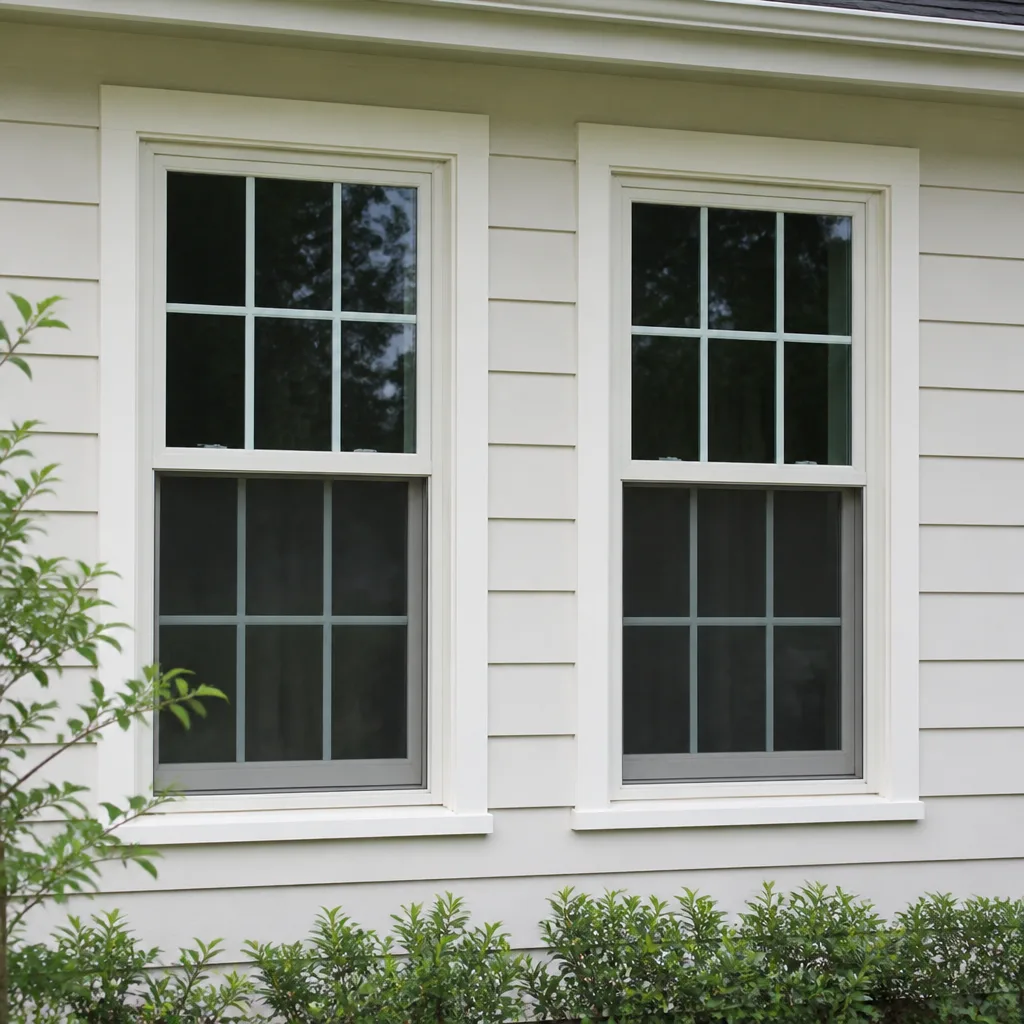 Double hung
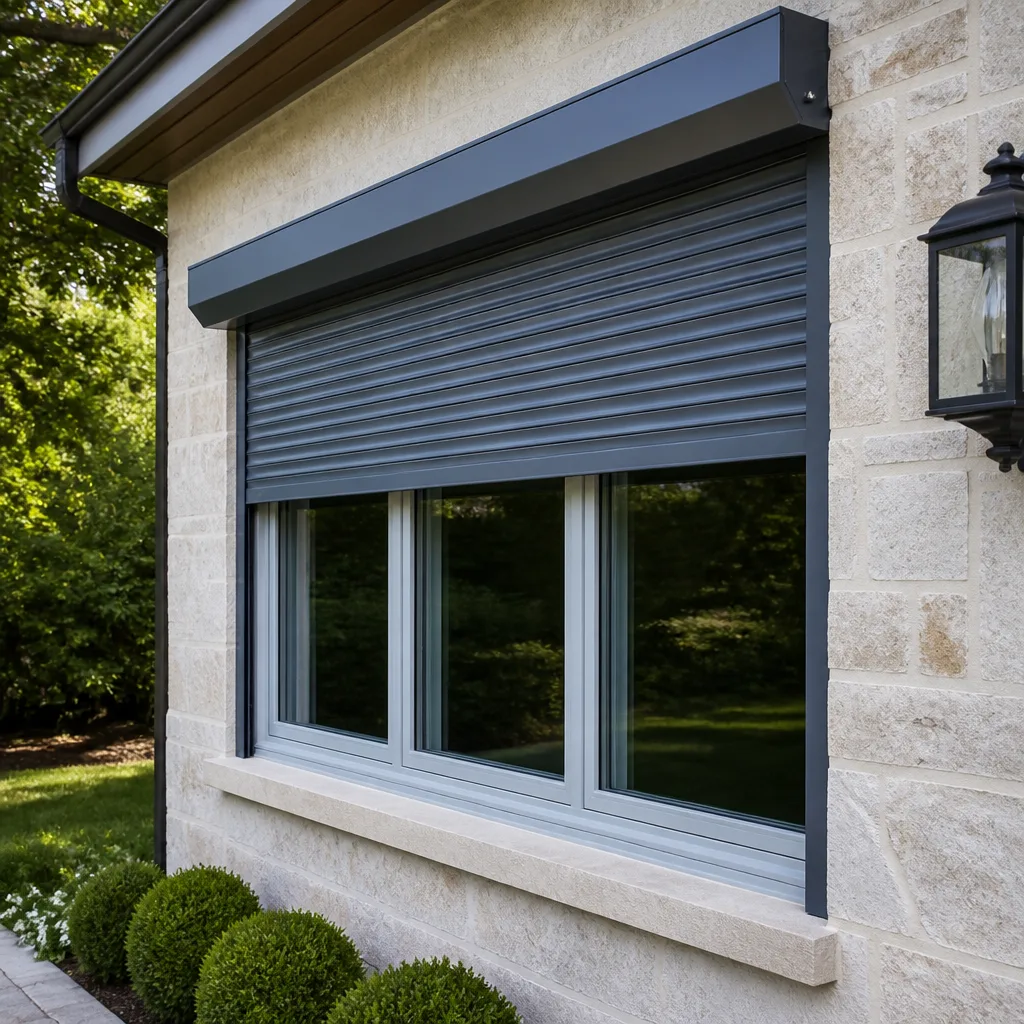 Horizontal roller
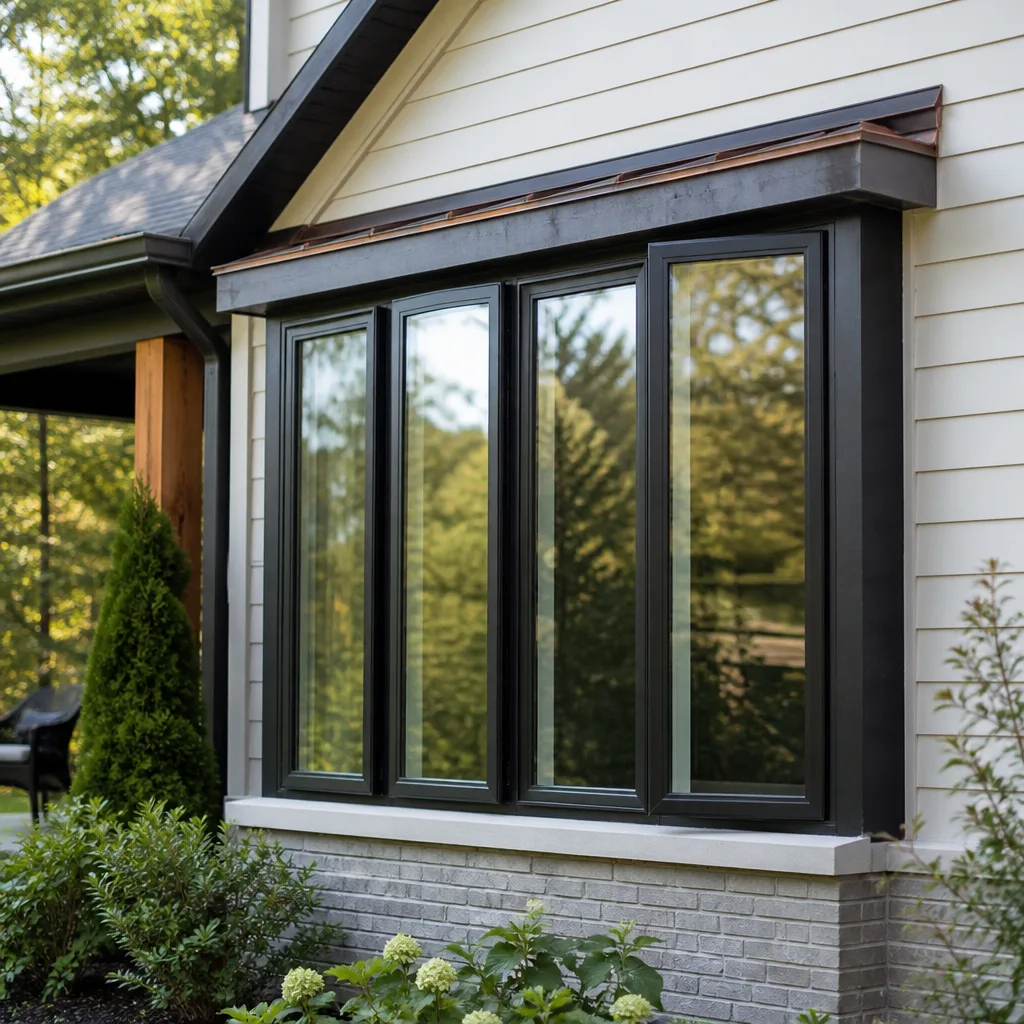 Casement
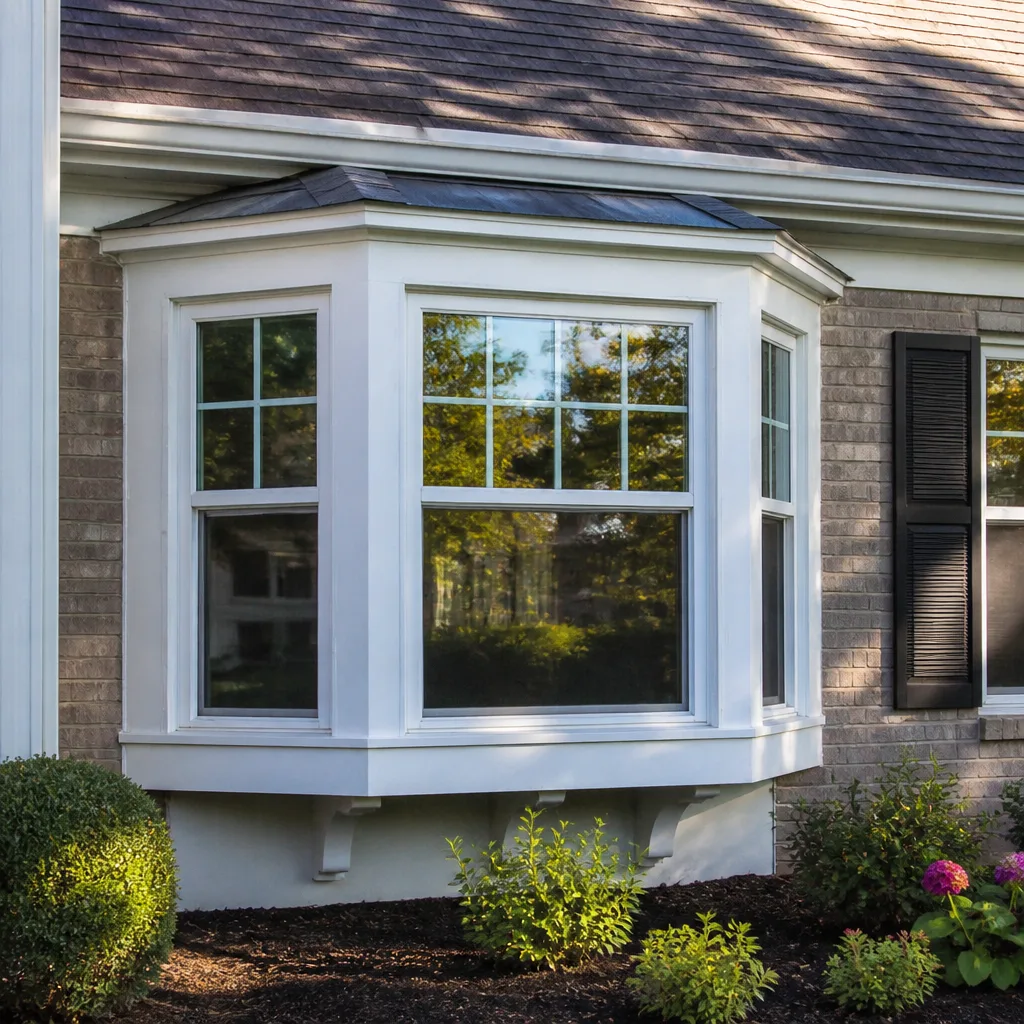 Bay & bow
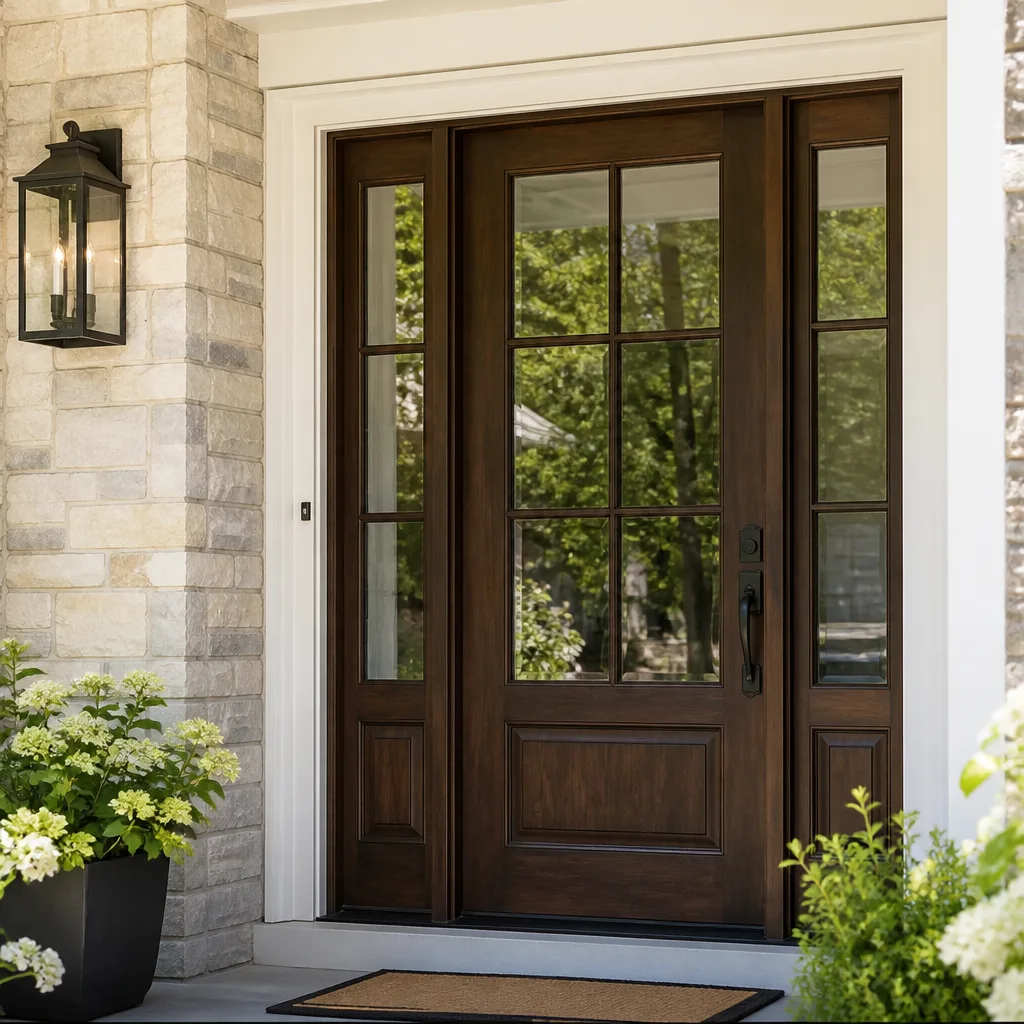 Entry doors
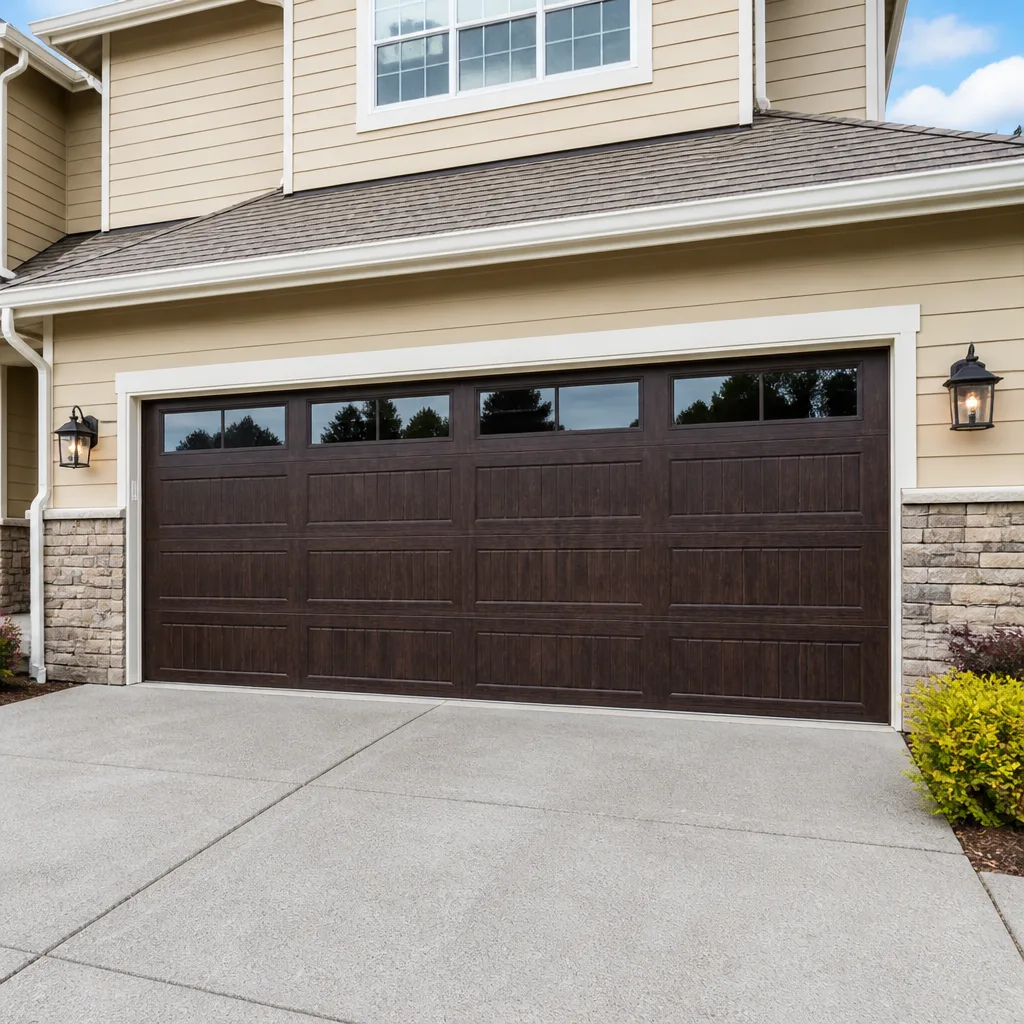 Impact garage doors
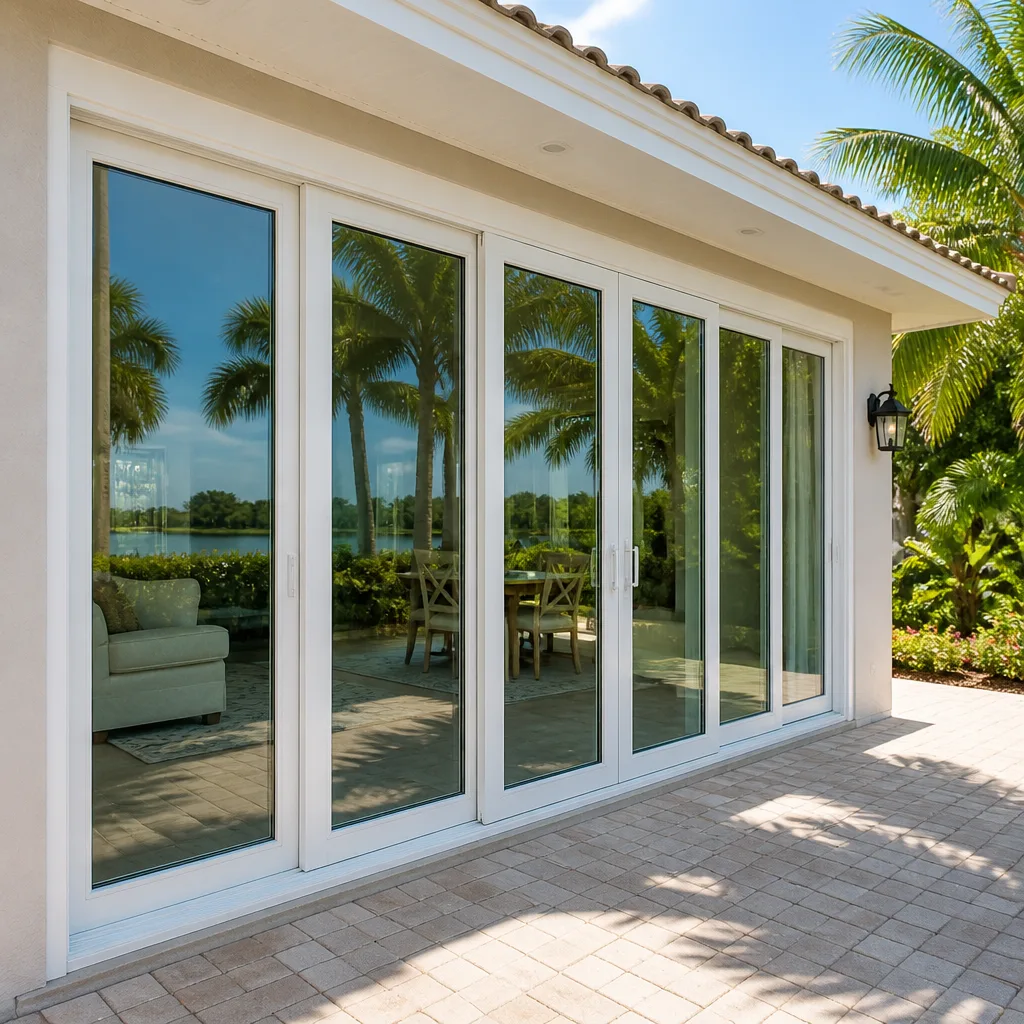 PGT
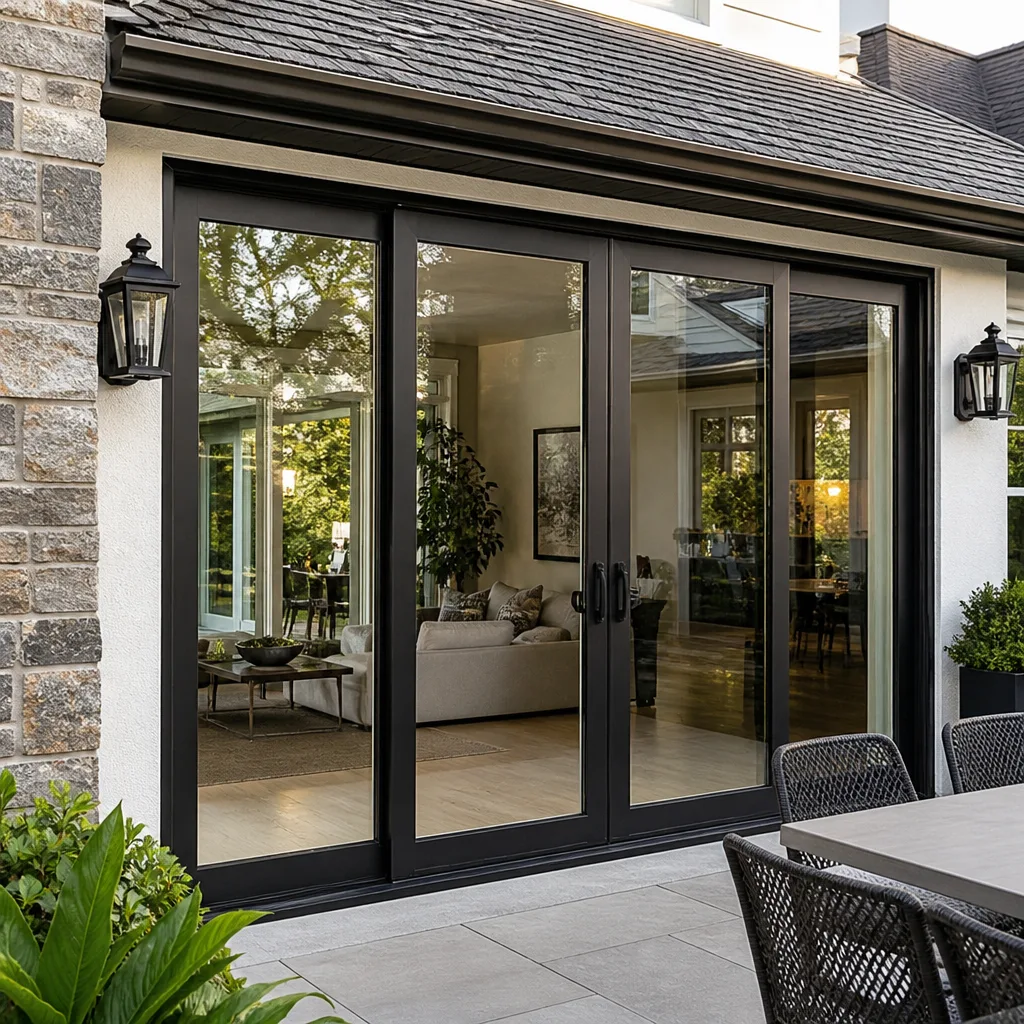 CGI
Free in-home measure and quote - PGT, CGI and CWS impact lines compared on your actual openings, style by style
Get your free estimateDIY vs Professional Windows & Doors: The Bellevue Homeowner’s Decision Guide
A homeowner can install a replacement window perfectly and still create a water-infiltration problem. Not because they cut a corner or rushed the flashing, but because they never knew to check whether the existing sill pan underneath the old unit was still intact. The new window went in square and plumb over a pan that was already compromised, and the leak shows up two rainy seasons later as soft drywall and a stain on the ceiling below. That gap between “installed correctly” and “installed completely” is what this guide is about. We’ll map the tasks that are genuinely DIY-appropriate, the ones where one mistake costs more than the professional install would have, and the Bellevue permit, code, and warranty details that should drive your decision.
Quick Answer
For most Bellevue homeowners, window and door replacement is a professional job, not because of skill but because of liability, permits, and hidden failure modes. Pulling an owner-builder permit shifts all inspection and code responsibility onto you, and manufacturer warranties on the product usually require licensed installer documentation to stay valid. A handful of tasks (trim, interior caulk, prep) are reasonable DIY work; the opening, flashing, and structural install are not.
Styles & brands we work with
- Single hung
- Double hung
- Horizontal roller
- Casement
- Bay & bow
- Sliding glass doors
- Entry doors
- Impact garage doors
- PGT
- CGI
Table of Contents
- Where the Real Risk Lives in a Window Install
- The Tasks That Are Genuinely DIY-Appropriate
- Washington Energy Code, Bellevue Permits, and the Owner-Builder Question
- What Manufacturer Warranties Actually Require
- Doors Ranked by DIY Complexity and Consequence of Error
- The Decision Matrix: Four Variables That Should Drive the Call
- Bellevue-Specific Context: Housing Age, Rain, and Code
- Common Mistakes to Avoid
Where the Real Risk Lives in a Window Install
The visible part of a window install is the part almost anyone can do. Set the unit in the opening, shim it, nail it through the flange, and the window looks finished. The risk sits in what you can’t see once the siding or trim goes back on.
Water management is the whole game in this climate. Bellevue gets a lot of rain spread across a long wet season, and the difference between a window that performs for twenty years and one that rots the wall framing comes down to details like the sill pan, the flashing integration with the house wrap, and the back-dam at the sill. A new window installed over a compromised sill pan will leak no matter how well the unit itself is sealed. An installer who doesn’t know to inspect that pan before setting the window will never discover the problem, because it’s hidden by the time the job looks done.
Air sealing is the second hidden failure. Gaps around the rough opening that aren’t properly insulated and sealed let water vapor into the wall cavity, where it condenses and feeds mold inside the framing. You won’t smell it or see it for a season or two. By the time the drywall bubbles, you’re looking at carpentry, not just a window.
Structural loads matter on larger units and on any opening that’s been enlarged. Headers, jack studs, and king studs carry the wall above. If an opening gets resized without proper framing, the window racks out of square and the glass or sash fails early. This is where a professional’s experience shows: the same technician who’s done this across many Bellevue homes knows what a proper rough opening looks like and what’s a red flag behind the old unit.
None of this is exotic. It’s routine to someone who does it every week. It’s invisible to someone doing it for the first time, and that invisibility is exactly why windows are a poor candidate for a first-time DIY project in a wet climate.
The Tasks That Are Genuinely DIY-Appropriate
DIY has a real place in a window and door project, just not at the opening. Think of it as a division of labor: you handle the finish and the prep, the installer handles the envelope.
Here’s the honest short list of what a capable homeowner can reasonably take on:
- Interior trim and casing. Pulling old trim, measuring, cutting new casing, and finishing it. This is carpentry finish work, and a careful DIYer can do a good job. It’s also easy to redo if you’re not happy with it.
- Interior caulk and paint. Filling the small gap between the casing and the window frame, then painting the casing. Cheap, reversible, and low-consequence.
- Furniture and room prep. Moving furniture, pulling window coverings, taping plastic, protecting floors. This saves the installer time and keeps the project tidy.
- Landscaping and exterior access. Clearing shrubs and anything blocking the exterior of the opening. Ladders and equipment need room.
- Choosing the product. You can absolutely do the research on brands, performance ratings, and glass options. That part is yours to own, and we’d rather you ask hard questions than take the first quote you get.
What does not belong on this list: setting the unit in the opening, flashing, sill pan work, structural framing changes, air sealing behind the trim, and any door hanging that involves alignment. Those are the tasks where one error leaves damage that costs more to fix than the professional install would have cost in the first place. It’s not snobbery about skill. It’s that those steps are hidden once complete, so the mistake doesn’t announce itself until it has already done damage.
Washington Energy Code, Bellevue Permits, and the Owner-Builder Question
Replacement windows and doors are regulated work in Bellevue, and the permit question changes the moment you decide who’s doing the install.
Washington’s energy code sets performance requirements for replacement fenestration. New windows and doors have to meet U-factor and solar heat gain criteria for the climate zone, and the product has to be labeled to prove it. That’s not a detail you can eyeball. A unit that doesn’t meet the label requirement can fail inspection, and the fix is removing and replacing the window. Bellevue’s building department administers the permit and inspection process for this work, and homeowners should confirm current requirements with the city directly, since local rules can change.
Here’s the fork in the road most people miss:
- Owner-builder permit. You pull the permit in your own name and act as your own general contractor. You’re responsible for meeting code, for scheduling inspections, and for any correction the inspector requires. If the inspection fails on a technicality, the cost of the correction lands on you, not a contractor.
- Licensed contractor permit. The contractor pulls the permit, holds the license, and carries the responsibility for code compliance and inspection. If something fails, it’s on them to fix it, and that obligation should be written into the contract.
Both are legal paths. They’re not equivalent in risk. The owner-builder route removes a layer of accountability and puts it back on the homeowner, and that shifts the whole calculus of the DIY decision. The question isn’t just “can I install this window.” It’s “do I want to own every code and inspection risk on this project for the next several years of my home’s records.”
We connect Bellevue homeowners with independent local professionals who pull the permit and carry that responsibility. If you’re weighing an owner-builder permit against hiring, that’s exactly the conversation worth having before you buy a single unit. Our window installation process and our window replacement work both include permits and inspections as part of the job, not an add-on.
What Manufacturer Warranties Actually Require
“Lifetime warranty” on a window sounds like a promise that follows the product wherever it goes. In practice, it usually follows the documentation, and the documentation usually requires licensed installation.
Most major window manufacturers condition their product and installation warranties on the work being done by a licensed installer, and many require the installer to be an authorized or certified partner for the strongest coverage terms. This is where DIY gets expensive quietly. The glass, the frame, the sash, the hardware, and the seal all have warranty terms, and installation error is almost always excluded. If the seal fails because the unit was racked out of square during install, the manufacturer has a clean argument that the product wasn’t installed to spec. The customer is left holding a product that failed and a warranty that doesn’t apply.
This is why we work with a curated portfolio of manufacturers rather than a single supplier. Authorized installation through an eight-brand portfolio, including names like PGT and CGI for high-performance glazing and Therma-Tru for entry doors, means the warranty documentation stays intact. When a window or door has a genuine product issue, that paperwork is what makes the claim go somewhere.
Two things to ask any installer, including us:
- Are you an authorized installer for this specific manufacturer, and will the warranty be registered in my name?
- What parts of this job does the manufacturer warranty cover, and what does the workmanship warranty cover?
That’s not a sales conversation. It’s a documentation conversation, and it’s the one that decides whether a “lifetime” warranty is worth anything on your home. On the door side, the same rule applies, and our door replacement work follows the same installer-documentation requirements.
Doors Ranked by DIY Complexity and Consequence of Error
Windows are one category of DIY risk. Doors are another, and they’re less forgiving because a door has to function every day. Ranked from most DIY-tolerable to least:
- Entry door replacement (moderate DIY complexity, high consequence). A standard entry door in a sound opening is the most approachable of the three, especially prehung. The risk isn’t the hang itself so much as the threshold, the sill, and the weather sealing. A poorly sealed threshold in a wet climate lets water into the subfloor, and the damage is slow and expensive. Therma-Tru entry doors are built for the home’s exterior envelope, and the install has to respect that envelope.
- Patio sliding door replacement (high complexity, high consequence). Sliding doors are heavy, they sit on a track that has to be level and flat, and the rough opening is large enough that water management is a serious concern. The sliding mechanism is unforgiving of out-of-level work. A slider that binds or leaks at the track is a daily problem for years.
- French door installation (highest complexity, highest consequence in wood-frame homes). This is the one that should end the DIY conversation for most people. A French door is two active or one active and one fixed panel meeting in the middle, and the meeting point has to align precisely, top to bottom, for the unit to close and lock. In wood-frame construction, the header and framing above the opening can settle or move, and if the two panels don’t stay in alignment, the door stops working. Adjusting that alignment means working the framing and hinges, not just the door. This is the highest-risk DIY door project in a wood-frame home, and a bad install shows up as a door that won’t latch, drafts, or leaks in the first cold, wet stretch of the year.
Full envelope replacement, windows and doors under one contract, is how we’d advise a Bellevue homeowner to approach a whole-house project. Coordinating a separate window installer and door installer creates handoff gaps where flashing, trim, and warranty responsibility fall between trades. One accountable contractor closes those gaps.
The Decision Matrix: Four Variables That Should Drive the Call
The YouTube tutorial count is the wrong input. The right inputs are the four below, and each one should push you toward professional install if it lands in the wrong column.
| Variable | Favors DIY | Favors Professional |
|---|---|---|
| Home age | Newer home, documented framing, no history of water intrusion | Older home, unknown wall construction, prior leaks or remodels, wood-frame with settling |
| Opening condition | Sound rough opening, intact sill pan, level and plumb | Soft framing, compromised sill pan, out-of-square opening, changes to the opening size |
| Permit requirement | N/A in Bellevue: permits are required, and the owner-builder route adds risk | Bellevue permit and Washington energy code compliance, licensed contractor accountability |
| Product warranty terms | Basic product with no licensed-installer condition | Manufacturer warranty requires licensed installer documentation, especially premium lines |
Read the table with a Bellevue bias. Every window and door replacement here touches a permit, so the permit variable alone almost always points to professional install. The only time DIY wins is when the other three variables are strongly favorable and the warranty terms don’t care how the unit got installed. Even then, the DIY savings are measured against the risk of a hidden failure that costs more to correct.
If three or more variables land in the professional column, that’s your answer. Talk to a contractor before you buy the units. We’ll tell you which brand fits your project, and why, and you can decide with real information in hand.
Bellevue-Specific Context: Housing Age, Rain, and Code
Bellevue is a city of striking age contrasts. You have neighborhoods where the housing stock goes back decades and where original windows have earned their replacement, and you have newer construction where the envelope is already well sealed. That mix changes the DIY conversation neighborhood by neighborhood.
In older Bellevue homes, the wall cavities behind the trim have often seen decades of moisture cycles. Opening up a window reveals what the exterior hid, and what’s behind the old unit decides the install scope. A homeowner who has only seen the inside of the wall through a YouTube video won’t know what to do with a soft sill or a flashed-in issue that predates the new window. A technician who’s worked on up to 10 years of these homes knows the tell-tale signs.
Rain is the other constant. This is a place where the wet season is long and the dry season is short, and water running down the exterior wall has to be directed away from the opening every single year. The flashing details that matter in Bellevue are the ones that matter in any wet climate: back dam at the sill, integrated pan, house wrap lapped over the flange, and a proper air seal. Miss any one and you’ll find out in the first rainy stretch.
Windows and doors here also have a performance story. Bellevue homes are built tight and insulated, and replacement fenestration has to meet Washington energy code for the climate. Choosing the right glass package is a real decision, and that’s why we carry competing brands like ViewLux, CWS, and PGT. If the right product for your home isn’t the product on the wall, we’ll say so. That’s the brand-agnostic consultation we offer, and it’s the reason manufacturers like PGT and CGI anchor our portfolio for demanding structural and weather-resistance requirements.
Common Mistakes to Avoid
- Buying the unit before confirming the opening is sound. The rough opening and sill pan are what decide whether the install is simple or a carpentry project. Look first, buy second.
- Skipping the permit to save time. Bellevue requires permits for replacement windows and doors, and an owner-builder permit doesn’t make the code and inspection risk disappear. It moves it onto you.
- Assuming the warranty follows the product regardless of who installed it. Almost all manufacturer warranties require licensed installer documentation for strong coverage. A DIY install often voids the most useful parts of a “lifetime” warranty.
- Ignoring the sill pan because it’s under the window. The pan catches water that gets past the exterior seal. If it’s compromised, the new window will leak no matter how well it’s sealed.
- Hanging a French door without checking framing alignment. French doors are the highest-risk DIY project in a wood-frame home, and a misaligned pair shows up as a door that won’t latch and drafts that never go away.
- Coordinating windows and doors across separate trades. Full envelope replacement under one contractor closes the handoff gaps where flashing and warranty responsibility get dropped.
- Pricing on the unit cost alone. A window quote that looks cheaper up front can cost more over the first two rainy seasons. Compare the full scope: permit, install, warranty, and who’s accountable if something fails.
See the difference
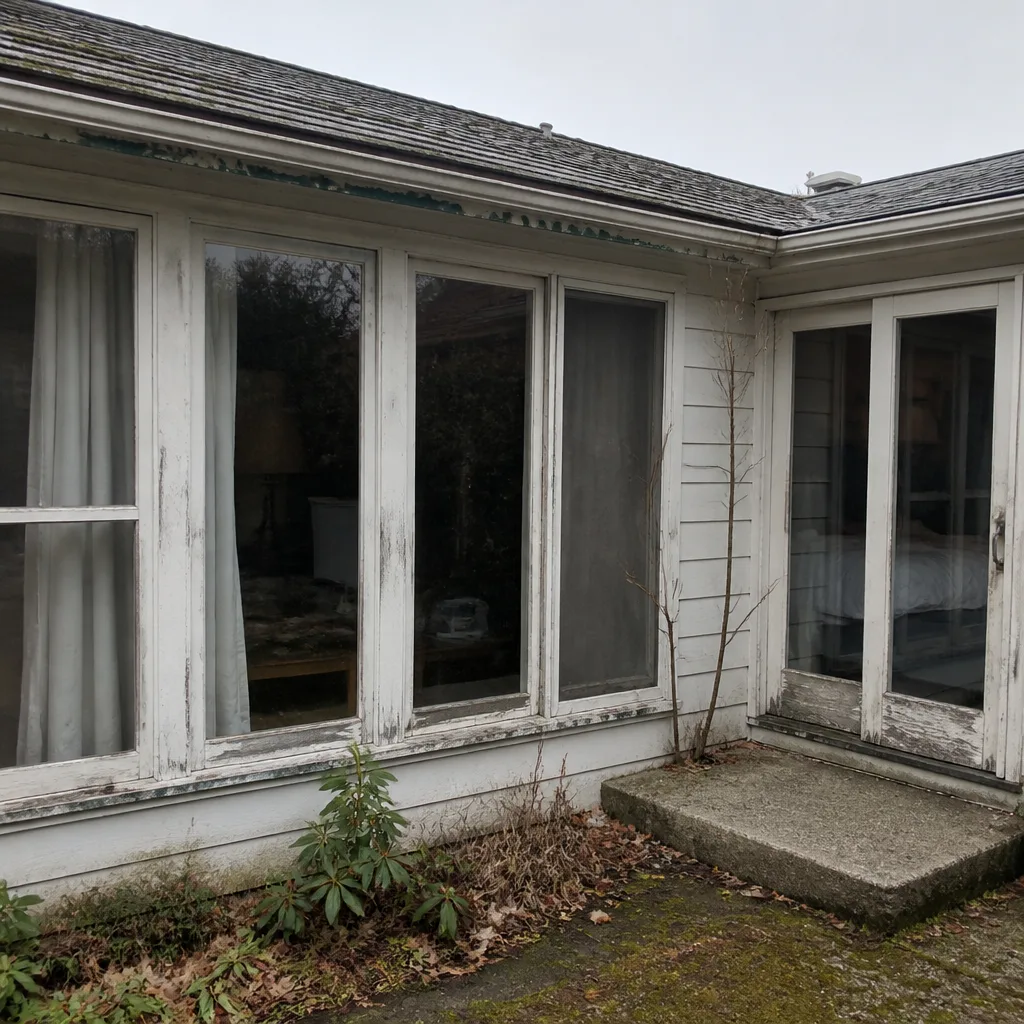 Before
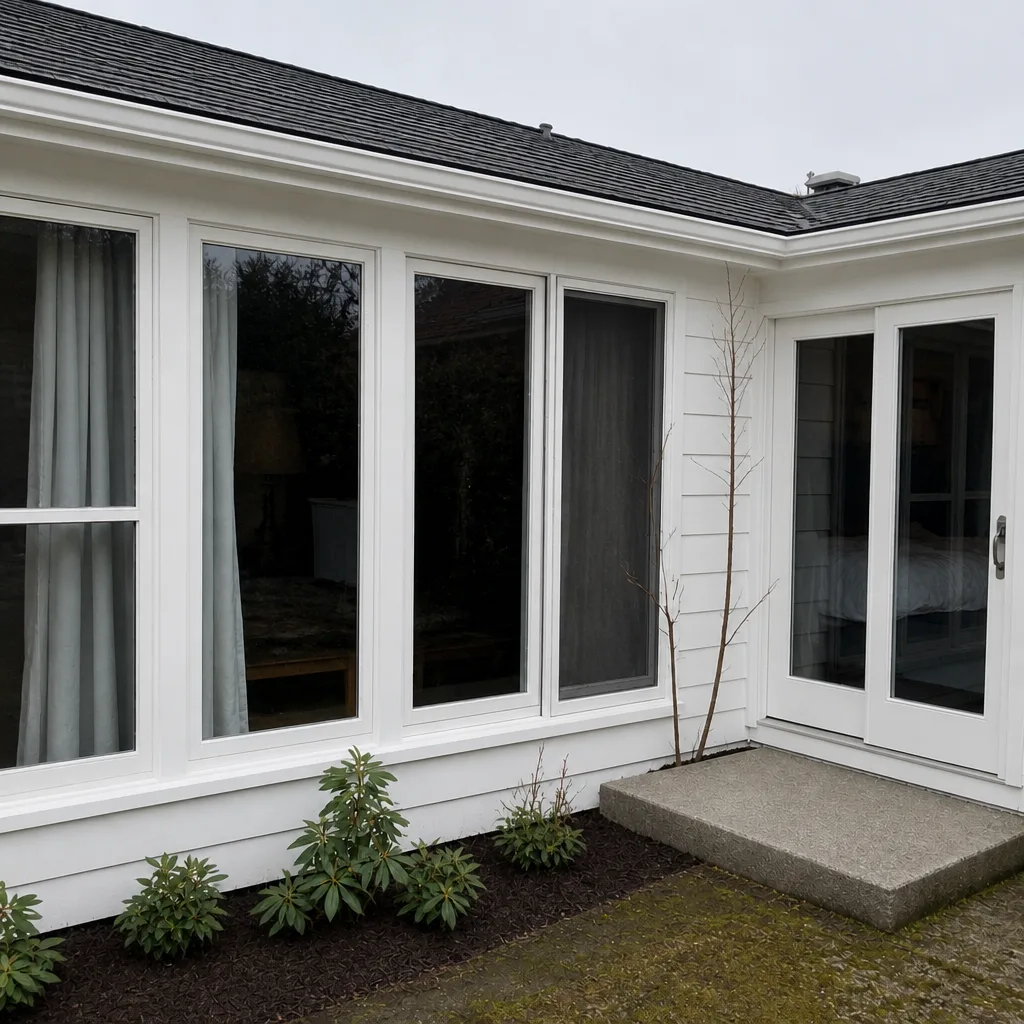 After
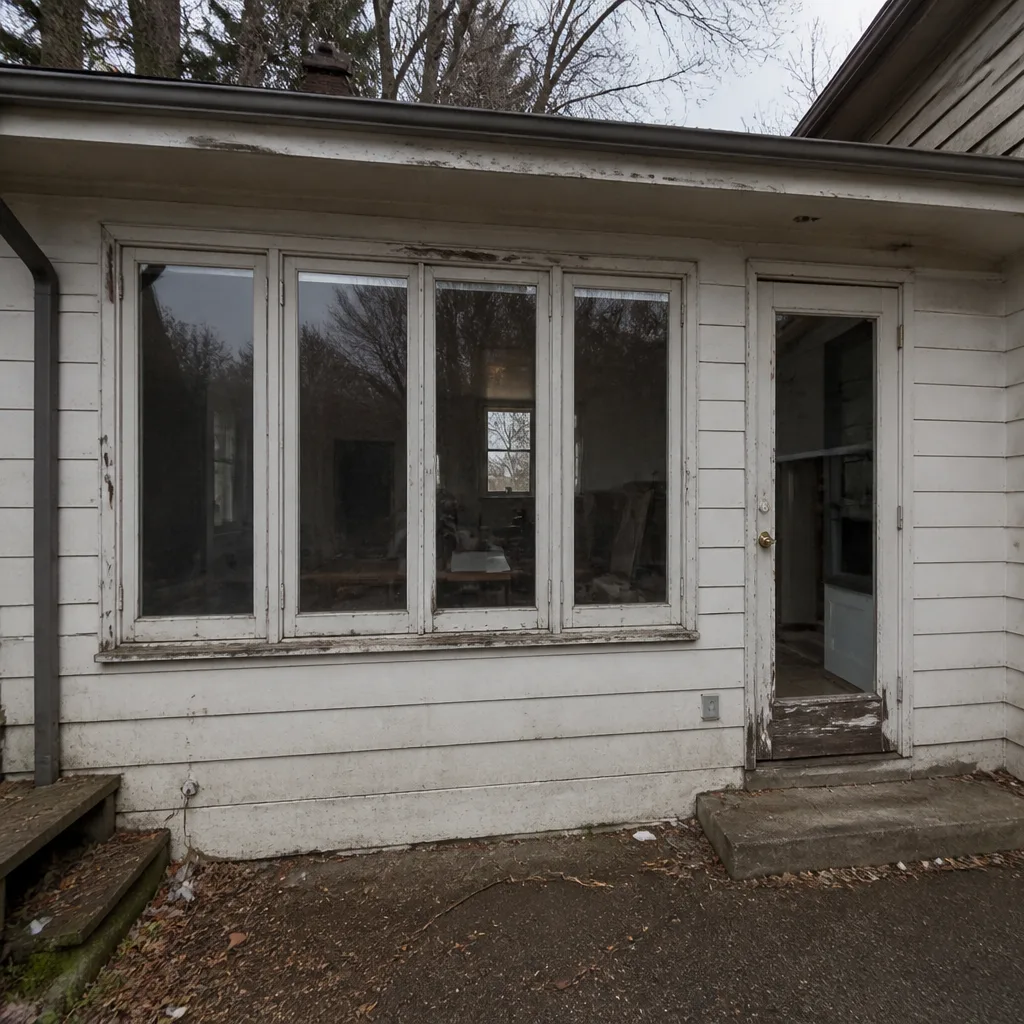 Before
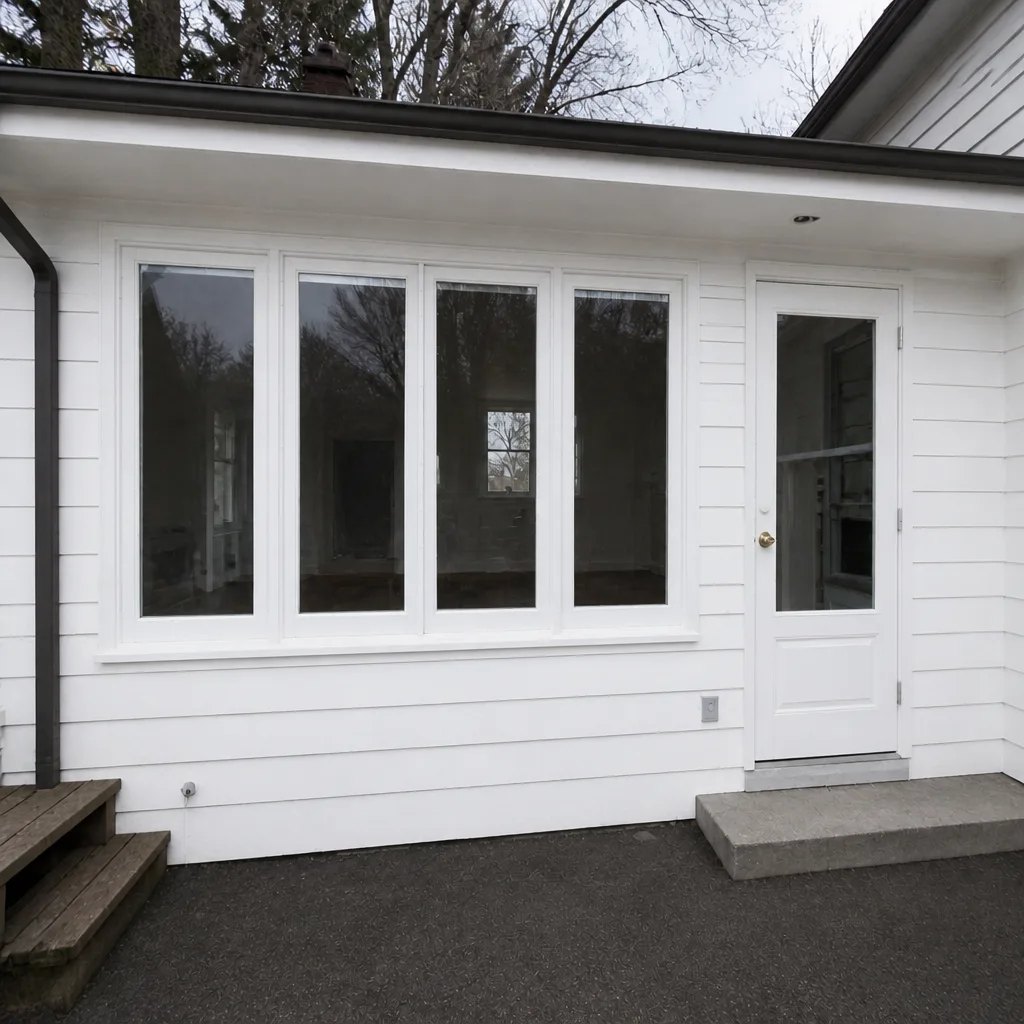 After
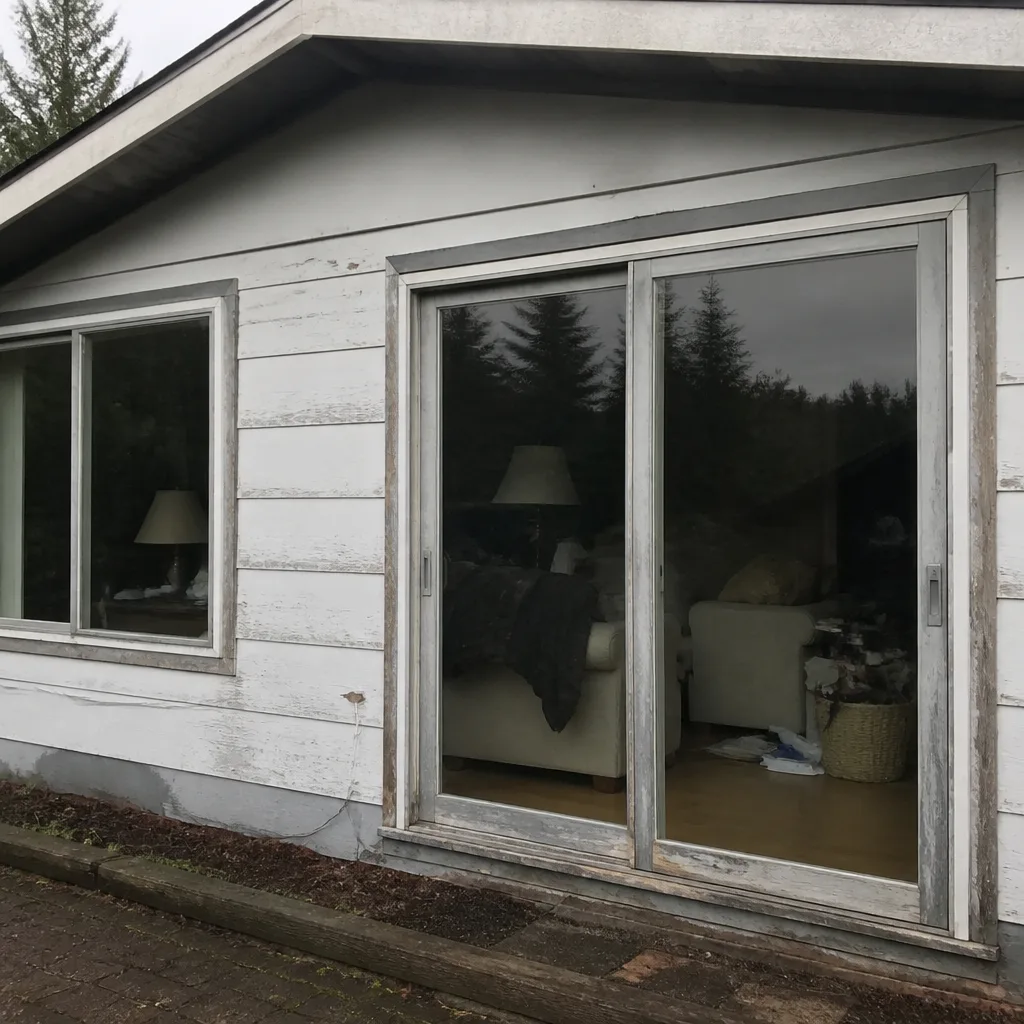 Before
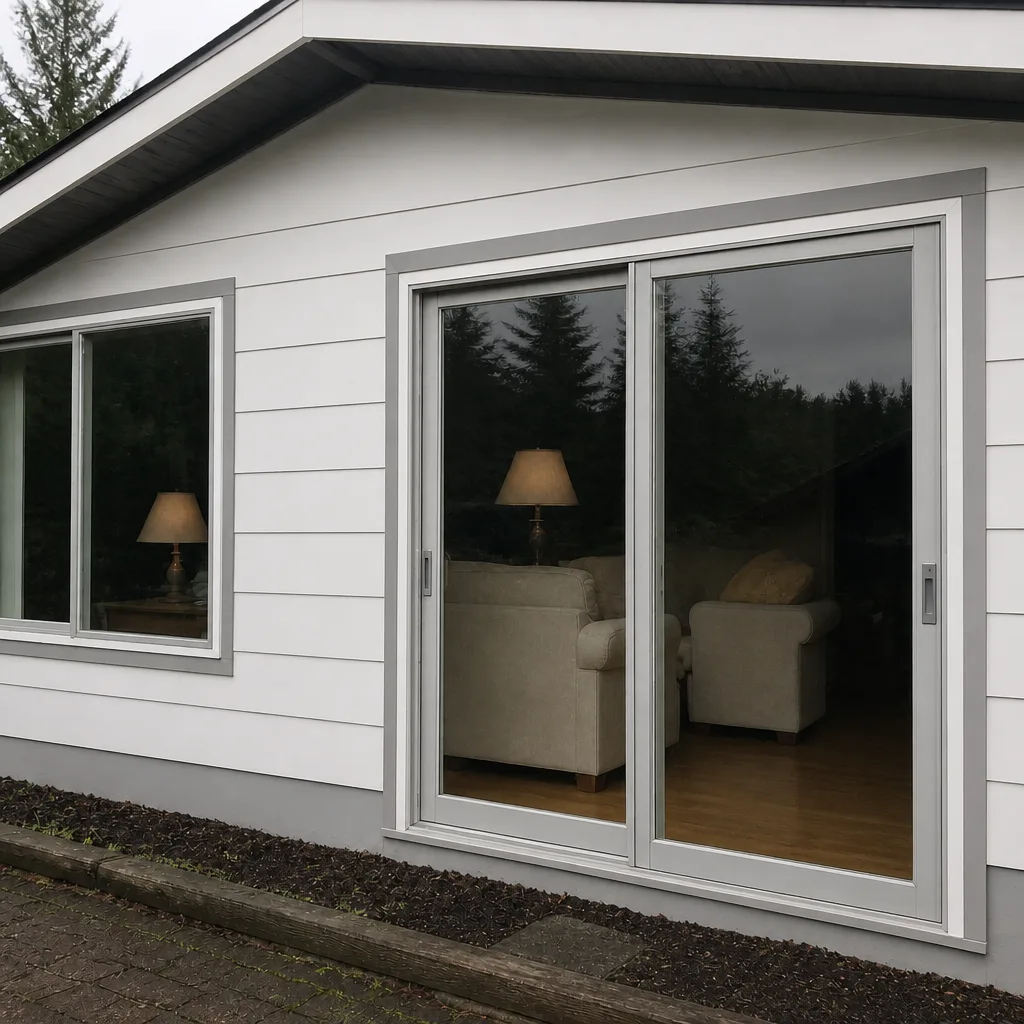 After
When to Call a Professional
Call a professional when the decision matrix points to professional install, and in Bellevue that’s more often than not. Specific scenarios: the opening is out of square or the sill pan is compromised; the home is older and the wall condition is unknown; the job needs a permit and you don’t want the owner-builder responsibility; the window or door is a premium line whose warranty requires licensed installer documentation; or the product is a French or patio door with alignment and water-management demands.
Our technicians have up to 10 years of experience, and we work across eight manufacturer brands so the recommendation fits the home rather than a single supplier’s catalog. Window Replacement Bellevue offers free estimates in Bellevue: call (425) 699-3164 to schedule yours. Estimates are free, written line-item quotes come with them, and the installation is done to code with permits pulled and inspections passed.
Frequently Asked Questions
You can physically install a replacement window yourself, but in Bellevue you’ll need to pull an owner-builder permit and take full responsibility for code compliance and inspection. The bigger problem is hidden risk: sill pan condition, flashing, and air sealing behind the trim, which fail quietly over two rainy seasons. Most manufacturer warranties also require licensed installer documentation to stay valid. Call (425) 699-3164 for a free estimate if you’d like the installation covered.
Yes, replacement windows and doors require a permit through the city’s building department, and the product has to meet Washington energy code for the climate. An owner-builder permit is legal, but it shifts code and inspection risk onto the homeowner. A licensed contractor pulls the permit and carries that responsibility. Call (425) 699-3164 to ask what your project needs.
It can void the parts of the warranty that matter most. Most manufacturers condition the product and installation warranty on licensed installer documentation, and installation error is generally excluded. If a seal fails on a unit installed out of spec, the manufacturer has a clean argument that the warranty doesn’t apply. Call (425) 699-3164 to talk through which brands and which warranty terms fit your project.
A French door is the hardest. Two panels have to align precisely top to bottom for the door to close and lock, and in wood-frame homes the framing above the opening can move, throwing that alignment off. A misaligned pair means a door that won’t latch and drafts that never go away. Patio sliders are next, and a standard entry door is the most approachable. Call (425) 699-3164 for an estimate.
For most Bellevue homeowners, yes, because of permits, warranties, and hidden water-management details. The main cost isn’t the visible install, it’s the failure you can’t see until damage shows up a season or two later. Professional install keeps the warranty intact and puts code and inspection responsibility on the contractor. Call (425) 699-3164 to schedule a free estimate.
Match the brand to your home’s performance needs, budget, and aesthetics rather than taking the first quote. Impact-rated glazing like PGT and CGI, architectural lines like CWS and ViewLux, and entry doors like Therma-Tru each serve a different requirement. We carry eight brands so the recommendation comes from your project, not a single catalog. Call (425) 699-3164 and we’ll tell you which fits and why.
The Bottom Line
The DIY versus professional decision for Bellevue windows and doors comes down to four variables: home age, opening condition, permit requirement, and product warranty terms. The permit variable alone almost always favors professional install, because Bellevue requires a permit and an owner-builder permit shifts inspection and code risk onto you. The hidden details (sill pan, flashing, air sealing) are where DIY installs fail, and the failure shows up two rainy seasons later. Interior trim, prep, and caulk are fine to handle yourself. The envelope is not. Start with the opening, get the free estimate, and let the variables decide. We’ll tell you which brand fits your project, and why. Call (425) 699-3164 to schedule your free estimate in Bellevue.
Written by the team at Window Replacement Bellevue.