Last updated November 25, 2026
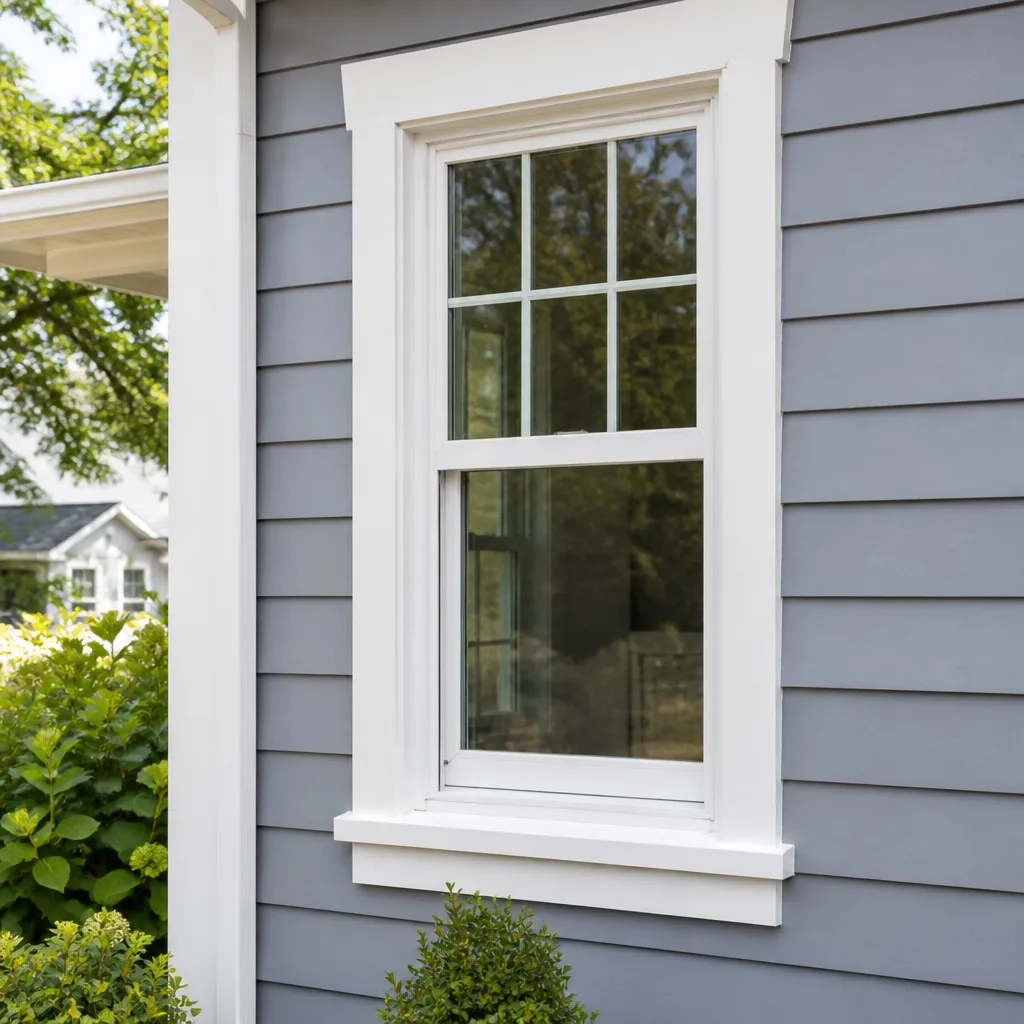 Single hung
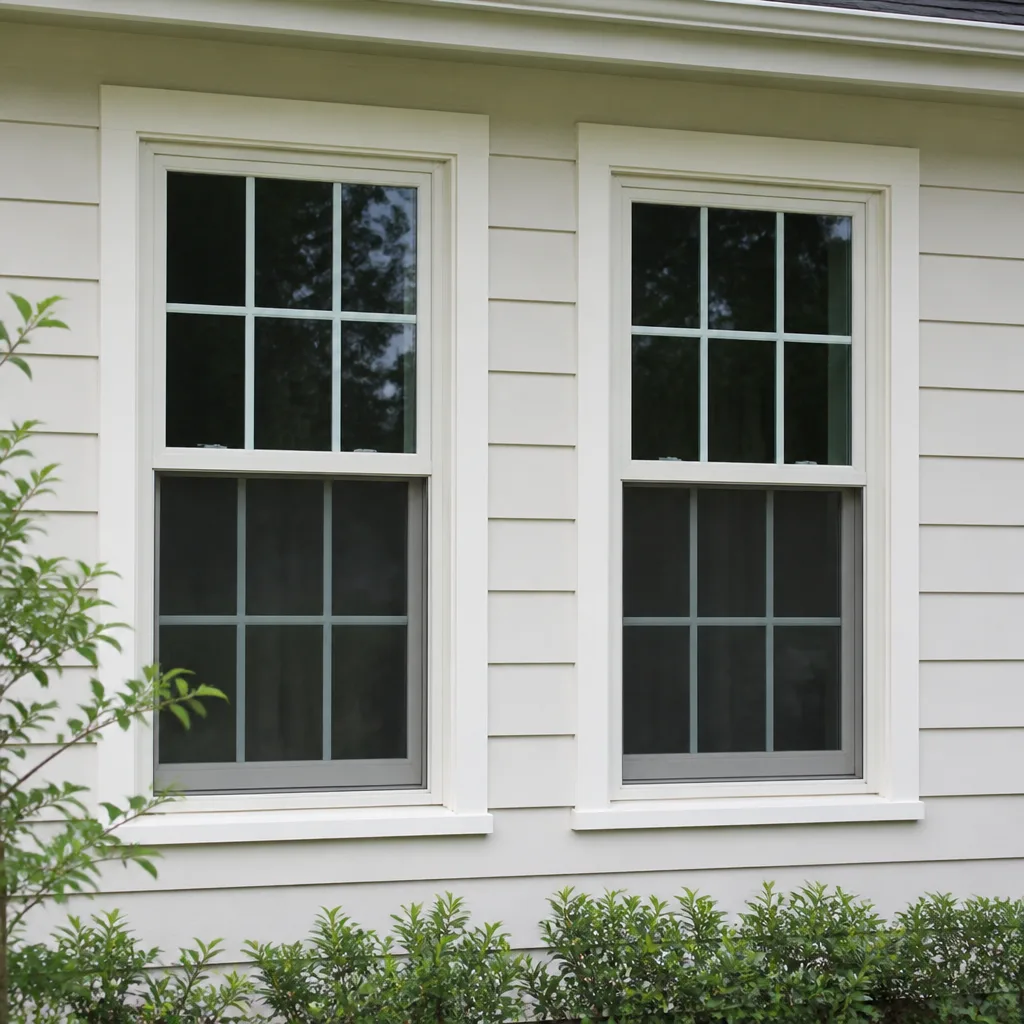 Double hung
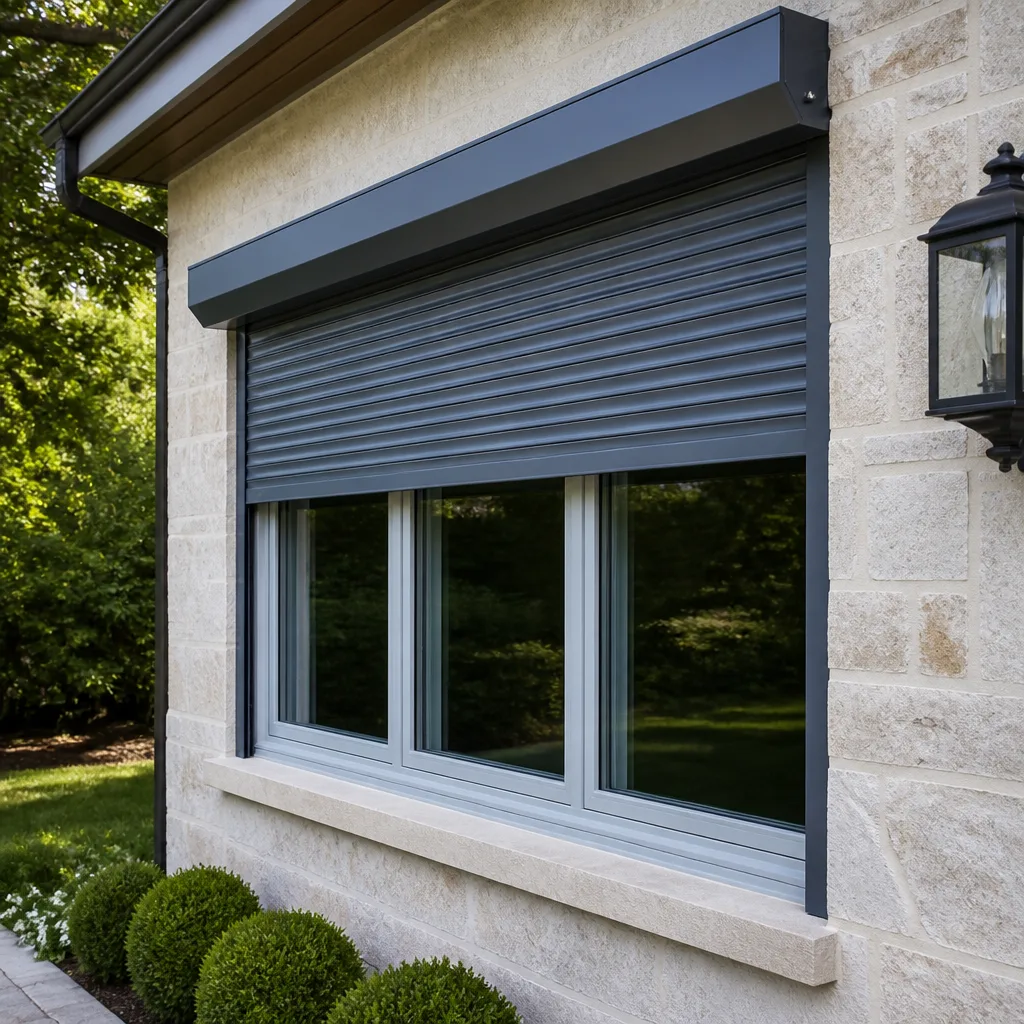 Horizontal roller
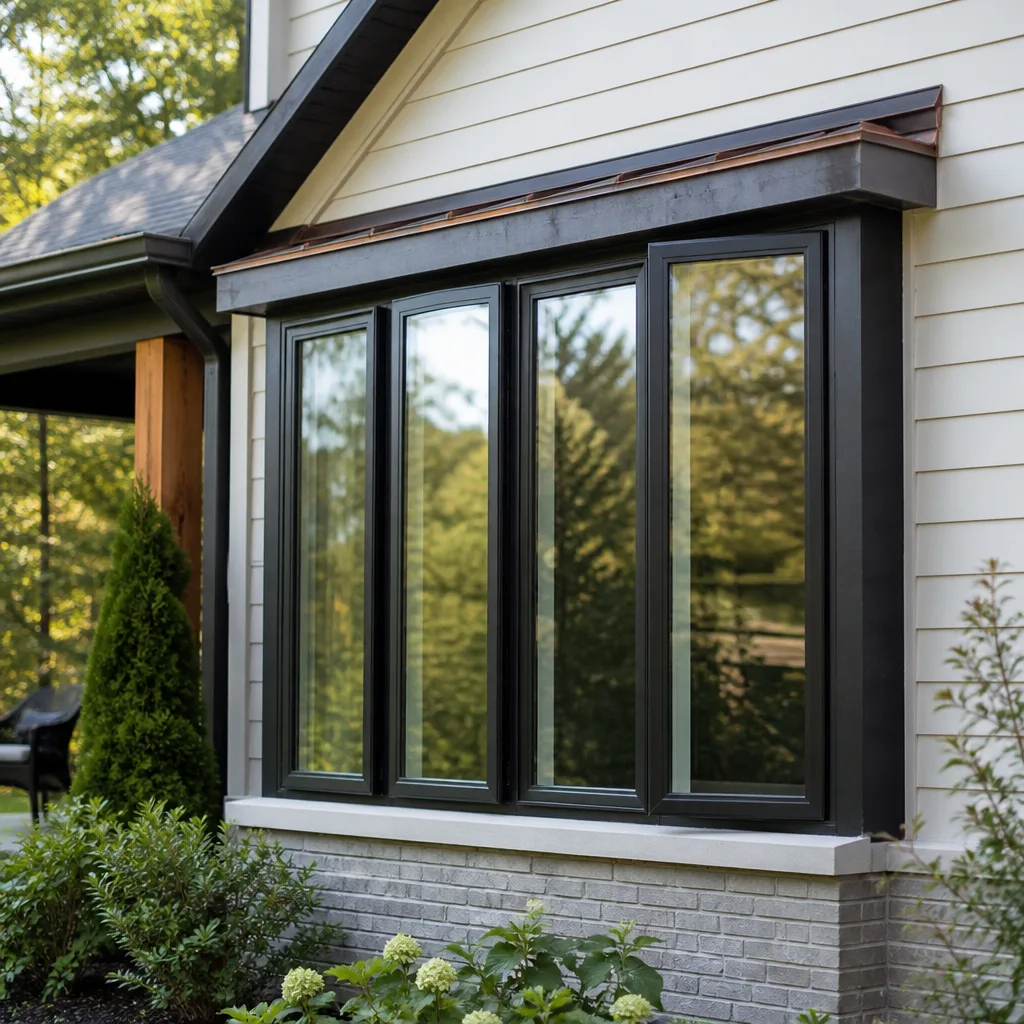 Casement
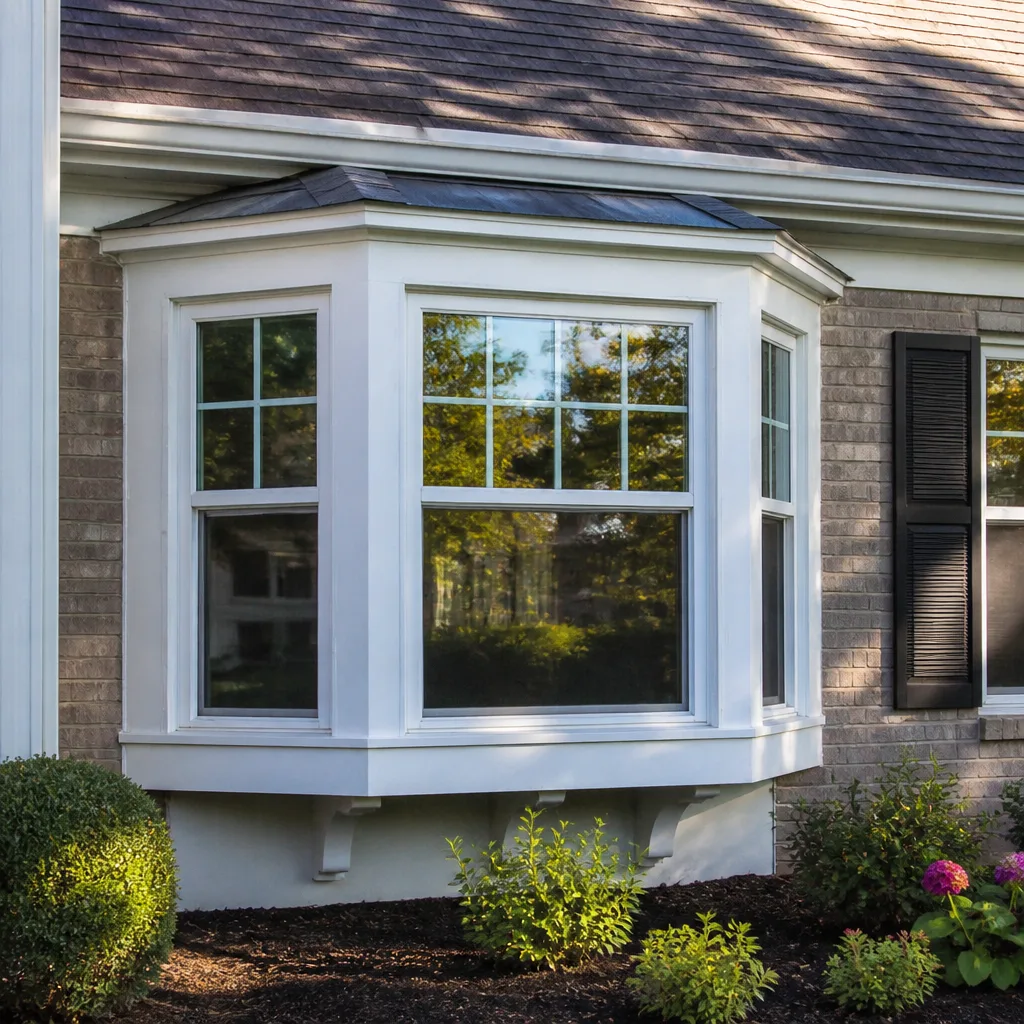 Bay & bow
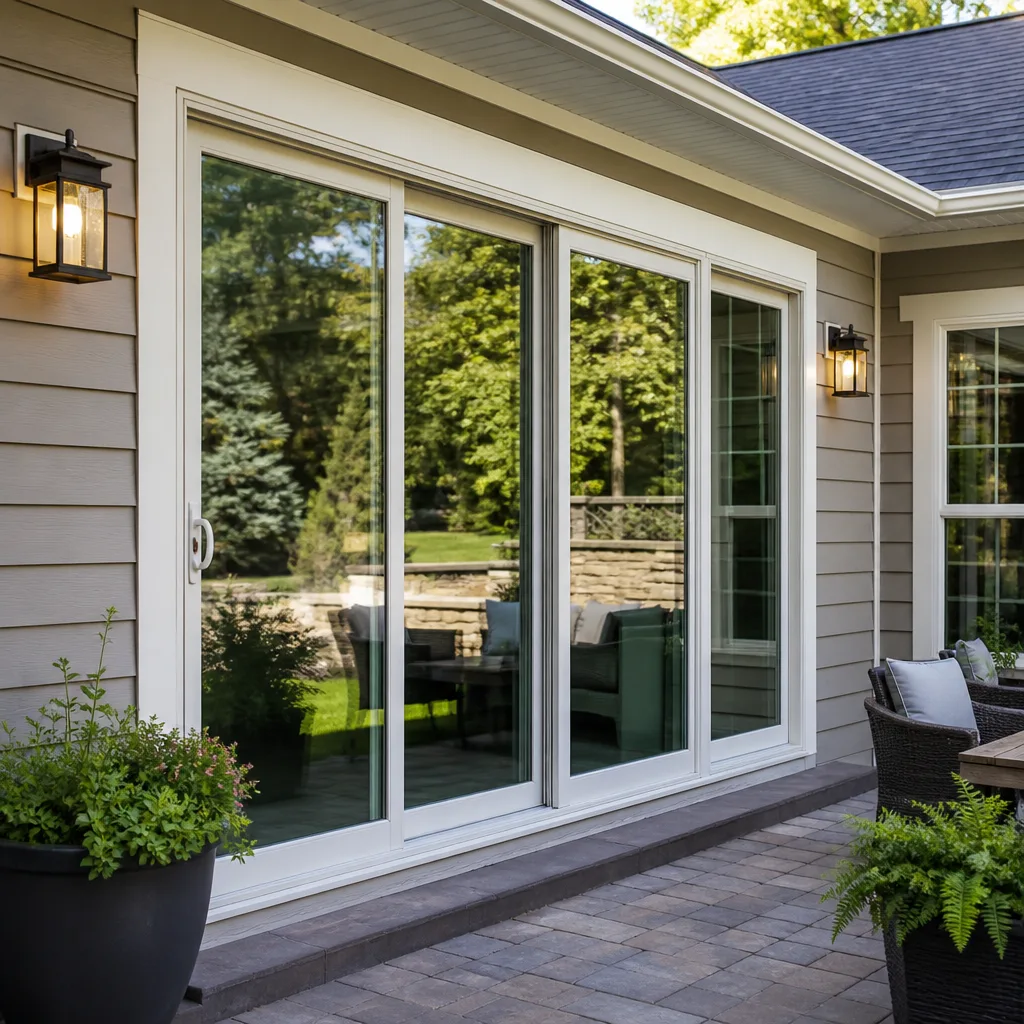 Sliding glass doors
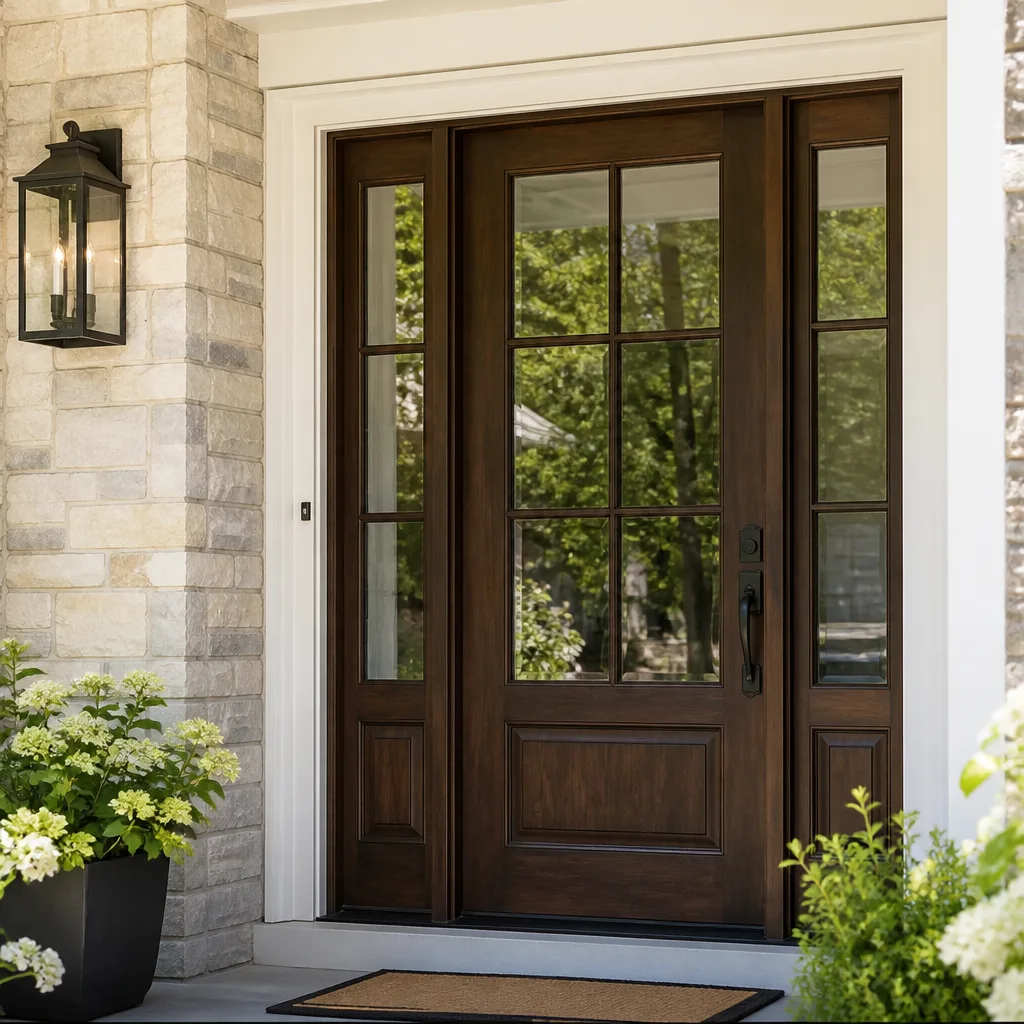 Entry doors
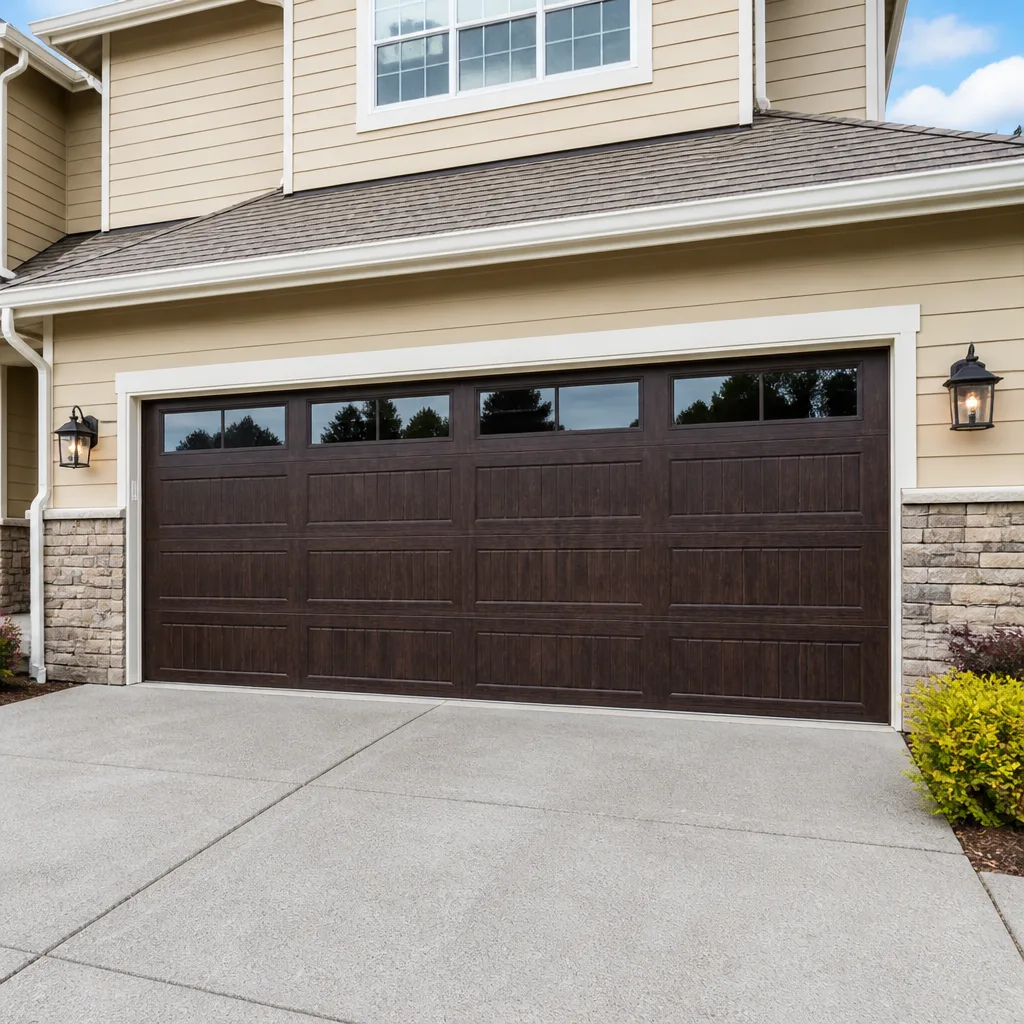 Impact garage doors
 PGT
 CGI
Free in-home measure and quote - PGT, CGI and CWS impact lines compared on your actual openings, style by style
Get your free estimateThe Complete Window Replacement Guide for Bellevue Homeowners
Most window replacement guides start with “pick your style.” That’s the fourth decision you should make, not the first – and reversing the order is how homeowners end up with beautiful windows that underperform or don’t fit their framing. Window replacement in Bellevue isn’t a single choice. It’s a sequence of interdependent decisions, and each one narrows what’s possible for the next. Get the order right and the project moves cleanly from measurement to installation. Get it wrong and you pay for it in change orders, structural surprises, or a glass package mismatched to our wet climate. This guide maps that sequence so you make decisions in the right order, from frame condition through to brand.
Quick Answer
Window replacement in Bellevue starts with your existing frame, not your style preference. First determine whether you’re a candidate for pocket replacement (new sash and glass into an existing sound frame) or full-frame replacement (the entire window unit including frame, often with new rough opening work). From there, measure the rough opening, confirm wall depth, select a glass package built for our marine west coast rain load, then choose style and brand. Bellevue permits are typically required for replacement work, and like-for-like swaps are treated differently than changes to opening size or structural alterations. Sequence matters because each decision constrains the next.
Styles & brands we work with
- Single hung
- Double hung
- Horizontal roller
- Casement
- Bay & bow
- Sliding glass doors
- Entry doors
- Impact garage doors
- PGT
- CGI
Table of Contents
- Why Frame Condition Comes Before Everything Else
- Rough Opening Measurement: The Decision That Locks In Your Options
- Wall Depth and Why It Matters in Bellevue’s Housing Mix
- Glass Packages for Bellevue’s Marine West Coast Climate
- Bellevue Permit Reality: What Triggers Review
- Style and Brand: The Last Decisions, Not the First
- How Multi-Brand Sourcing Changes What’s Possible
- Windows and Doors Under One Contract
Why Frame Condition Comes Before Everything Else
Before you look at a single product catalog, you need an honest answer to one question: is your existing frame sound? That answer splits every replacement project into one of two paths, and the two paths have completely different cost structures, timelines, and product implications. Getting this wrong means you shop for windows that can’t be installed the way you assumed they’d be installed.
Pocket replacement (sometimes called insert replacement) means the new window unit slides into your existing frame after the old sash and glass come out. The frame stays. This path works when the frame is square, solid, and free of rot, and when the existing rough opening is close enough to standard that a new unit fits without modification. Pocket replacement is faster, less invasive, and preserves interior and exterior trim.
Full-frame replacement means the entire window comes out – frame, sash, glass, sometimes surrounding trim – and a new complete unit goes back in. This path is required when the frame has rot, when the existing unit was installed poorly, when you’re changing the size of the opening, or when you want to alter the exterior appearance.
Bellevue’s housing stock makes this a genuinely local question. Many mid-century homes in neighborhoods like Bridle Trails and Lake Hills were built with original wood frames that have absorbed decades of Puget Sound moisture. Some are perfectly sound. Some have rot hidden behind interior trim that only becomes visible once the sash comes out. Newer construction in areas like Sammamish Valley and the Spring District tends to have vinyl or aluminum frames that hold up well but may not be worth pocketing if the glass is the real problem.
Here’s how to think about the decision in order:
- Inspect the frame for soft wood, bubbling paint, or gaps at the sill. Any of these push you toward full-frame.
- Check square and plumb with a level. Framing that has settled out of square can still take a pocket unit, but the installer needs to know.
- Confirm the rough opening against standard sizes. Non-standard openings often require full-frame work to bring them to a size that accepts a modern unit.
- Decide whether you’re changing the opening size. Resizing means full-frame, no exceptions.
This is the first fork in the road, and it’s the one that most often gets reversed in a homeowner’s mind after the fact. Pick your frame path before you pick a product, because your product list changes based on which path you’re on.
Rough Opening Measurement: The Decision That Locks In Your Options
Once you know your frame condition, the rough opening measurement is what actually determines which specific products fit your home. A rough opening is the framed hole in the wall where the window goes. Its width, height, and squareness set the outer boundary of what any manufacturer on any brand’s line can supply. This is the second decision in the sequence, and it comes before glass, before style, and long before brand.
Why does the order matter here? Because homeowners who shop style-first fall in love with a window configuration that doesn’t fit their opening, then spend the rest of the project trying to force a fit – either by special-ordering a custom size at a significant premium, or by modifying the framing, which is a structural change that triggers full-frame work and permit review. Both outcomes cost more than they needed to.
What the measurement actually produces:
- Width and height of the framed opening, taken at the narrowest point in each direction.
- Squareness – the difference between diagonal measurements. A meaningful out-of-square result means the new unit has to accommodate it or the frame gets corrected first.
- Sill condition – rot or moisture intrusion at the sill often forces full-frame treatment regardless of what the rest of the frame looks like.
- Head and jamb condition – how the framing has held up around the opening, which tells you whether the new unit can anchor properly.
In our experience handling window installation in Bellevue, the homes that go smoothly are the ones where the rough opening measurement happened before the product conversation. The ones that stall are the ones where the homeowner picked a brand and a style first, then discovered the opening wouldn’t take that unit without structural work. The measurement isn’t a formality – it’s the gate that determines which product tiers are open to you at all. If you’re not sure where to start the measurement process, the team at window installation can walk through it with you.
Wall Depth and Why It Matters in Bellevue’s Housing Mix
Wall depth is the third decision in the sequence, and it’s the one most guides skip entirely. It refers to the distance from the interior wall surface to the exterior wall surface – essentially how much room you have to work with when the new window goes in. Wall depth determines three things: the frame extension your window needs, whether the glass package can be a multi-pane configuration, and whether the finished look will sit flush or proud of the wall.
Bellevue’s housing mix makes wall depth a real variable. Mid-century homes in neighborhoods like Crossroads and Woodridge were often built with 2×4 framing and relatively shallow wall assemblies. Newer construction tends toward 2×6 framing with more insulation, which means a deeper wall cavity and different window sizing. A window unit that sits perfectly in a deep modern wall may sit well back in a shallow mid-century wall, or require a jamb extension to bridge the gap.
Three practical consequences of wall depth:
- Frame extension depth. A shallow wall may need a different window frame profile than a deep wall to finish cleanly at the interior trim.
- Glass package room. Triple-pane units are thicker than double-pane units. A shallow wall with a triple-pane glass package can require the window to sit proud of the exterior or interior surface, which changes the finished look.
- Trim and flashing assumptions. The flashing details on the exterior and the trim on the interior both depend on how the window sits in the wall. Get the depth wrong and you’re redoing trim.
This is where a brand-agnostic approach earns its keep. A single-manufacturer catalog offers windows in a fixed depth range. When you carry eight brands – PGT and CGI for high-performance glazing, CWS and ES Windows for cost-effective performance tiers, ECO Window Systems for efficient configurations, Mr-Glass for affordable units, Therma-Tru for entry doors, and ViewLux for architectural styles – you can match the frame depth to the wall rather than forcing the wall to accept a single product’s depth. That’s the entire argument for multi-brand sourcing in one sentence.
Glass Packages for Bellevue’s Marine West Coast Climate
Bellevue sits in a marine west coast climate. That means a lot of rain – roughly 150 or more rain days in a typical year – mild temperatures, and relatively low direct sun compared to the inland Pacific Northwest or California. This matters for glass selection in a way that guides written for other markets get completely wrong.
Two numbers drive the decision: U-factor and SHGC.
- U-factor measures how well the window resists heat transfer. Lower is better. U-factor is the number that matters most in a heating-dominated climate, and Bellevue’s mild winters still mean heating loads dominate the annual energy story.
- SHGC (solar heat gain coefficient) measures how much solar heat the glass lets in. Higher means more heat gain. SHGC is where the trade-off becomes genuinely local.
In hot inland markets, the answer is “get SHGC as low as possible” – block the sun, keep the heat out. In Bellevue, that logic fails. Our summers are mild, our sun is weaker, and blocking solar gain in a heating-dominated climate is the wrong trade-off. Bellevue homes benefit from moderate SHGC – enough solar gain in winter to help with heating, moderated by low-e coatings that still cut glare and control summer afternoon heat.
What that means in practice for a Bellevue glass package:
- Low-e coating: standard on any serious replacement project, tuned for a heating-dominant climate rather than a cooling-dominant one.
- Double-pane: the baseline for most Bellevue homes. Triple-pane adds cost and frame depth; it makes more sense on the coldest exposures or where a homeowner is chasing the top performance tier.
- Argon or krypton fill: worth the cost in Bellevue, where the mild but persistent cold is the headline load.
- Moderate SHGC, not aggressive: the Bellevue-specific trade-off most guides miss.
- Impact-rated glazing where relevant: for homes in neighborhoods with notable wind or storm exposure, or homeowners who want maximum durability, PGT and CGI lead the category.
The takeaway is simple: don’t accept a glass package spec’d for a hotter climate. Ask what SHGC the package targets and why. If the answer is “as low as possible,” you’re looking at a package tuned for Arizona, not Bellevue.
Bellevue Permit Reality: What Triggers Review
Bellevue generally requires a permit for window replacement work, but not every replacement is treated the same. The simplest replacement – a like-for-like swap where the new window occupies the same opening, same size, same location, and doesn’t change the structural path of the wall – is typically handled as a straightforward permit with plans review focused on code compliance rather than structural engineering. That’s the fast lane.
What pushes a project out of the fast lane and into structural review:
- Changing the size of the opening. Widening or heightening any window means the header has to be evaluated. That often triggers structural review.
- Changing the location of the opening. Moving a window, even by a small amount, changes the framing and the exterior envelope.
- Combining multiple openings into one. A common mid-century-to-modern upgrade that always triggers structural evaluation.
- Changing the exterior envelope. Altering siding, trim, or the water-resistive barrier around the opening can pull in additional review.
Two practical rules to keep in mind. First, always confirm permit requirements with the City of Bellevue’s building department for your specific project – the details of what triggers review are theirs to interpret, not any contractor’s. Second, a contractor who tells you “you don’t need a permit for that” without seeing your project is guessing. The permit decision is one of the reasons the sequence in this guide matters: if you’re planning a like-for-like swap, you can build the project plan around a simple permit. If you’re planning any structural change, the permit process and timeline become a project variable you need to plan for from the start. The local professionals we connect Bellevue homeowners with are licensed and insured as the state requires, pull permits as the scope demands, and stand behind the work through inspection.
Style and Brand: The Last Decisions, Not the First
Now – and only now – you get to the choice most guides start with. Style comes fifth. Brand comes sixth. Both are important, and both are more productive when the first four decisions have already narrowed the field.
Style decisions in Bellevue tend to orbit around a few consistent priorities. Mid-century homes in Bridle Trails and Crossroads often want to preserve the clean, horizontal window lines that were part of the original design. Newer construction leans toward larger fixed units and sliders that open up views. Homes with period detailing sometimes want the smaller divided-lite look preserved, which typically means a specific product tier rather than a specific brand. None of this is a reason to lead with style; it’s a reason to have style in mind by the time the first four decisions are made.
Brand selection is where the multi-brand portfolio earns its keep. If you’re looking for impact-rated high-performance glazing, PGT and CGI are the industry benchmarks, and both are on our lineup. If you want cost-effective performance for a mid-range project, CWS and ES Windows deliver. If energy efficiency is the headline, ECO Window Systems fits. If you’re after architectural styling, ViewLux is built for it. And if you want a straightforward affordable replacement, Mr-Glass covers it. The point isn’t to list brands – it’s to point out that the recommendation should be driven by what your home needs, not by which manufacturer a contractor happens to carry.
The sequence ends here for a reason. By the time you reach this step, you know your frame path, your rough opening, your wall depth, your glass package, and your permit situation. Style and brand are the choices you get to make with all that information on the table, and the recommendations you receive should be better for it. When you’re ready to talk product tiers, the team at window replacement Bellevue can walk through options without steering you toward a single catalog.
How Multi-Brand Sourcing Changes What’s Possible
Most window contractors carry one or two manufacturers. The practical consequence is that every recommendation is calibrated to that inventory. A homeowner whose home calls for a product the contractor doesn’t carry gets a pitch for the closest thing that contractor does carry – not the best fit. That’s not malicious; it’s just how a single-supplier model works.
Multi-brand sourcing changes the conversation in three ways:
- Tier matching. A home with sound vinyl frames that just needs better glass is a different project than a mid-century home with rotted wood frames. Those two projects benefit from different product tiers. Carrying competing manufacturers means the recommendation can match the home’s condition, not the manufacturer’s priority.
- Performance matching. Impact-rated high-performance glazing, energy-efficient mid-range glass, and architectural designer lines are different products built for different problems. PGT and CGI lead the impact category. ECO Window Systems leads the energy-efficient tier. ViewLux leads the architectural tier. A homeowner gets to choose which problem they’re solving rather than accepting a single supplier’s positioning.
- Budget matching. Not every home needs the top tier. A kitchen-facing slider that will see moderate use is a different spec than a full-wall impact-rated assembly. Multi-brand sourcing lets the project reflect those distinctions instead of compressing them into a single price point.
The counterintuitive part is that multi-brand doesn’t mean more complicated. It means the recommendation is doing more work for you. Instead of asking “do I want this catalog’s top product?” you’re asking “what does my home actually need?” – which is the question that produces a better project.
Windows and Doors Under One Contract
One of the most common surprises in Bellevue replacement projects is that the window scope and the door scope are usually handled by different contractors. Windows go to a window company. Sliding doors may go to the same company or a different one. Entry doors usually go to a different trade entirely. That handoff creates gaps – in scheduling, in trim consistency, in warranty coverage, and in who’s accountable when a threshold leak appears months later.
Doors under the same contract as windows eliminates that. Sliding door replacement and entry door replacement flow through the same project plan as the window work. Trim matches. Installers who handle the windows handle the doors. The single-point accountability is straightforward: one contractor, one schedule, one warranty structure. For entry doors, the Therma-Tru partnership puts the project at the intersection of curb appeal and security rather than treating the front door as a separate cosmetic decision.
When does this matter most? Homes on a full envelope refresh, where windows and doors are being replaced together and the exterior appearance needs to read as one project. For those, coordinating two trades around one another’s scope is a genuine risk that single-contractor scope eliminates. If you’re planning a door project alongside windows, look at the options at door replacement and see what fits with the rest of the plan.
Common Mistakes to Avoid
- Picking style before confirming the rough opening. The most expensive reverse in the sequence. A window you love that doesn’t fit the opening becomes a custom order or a structural project.
- Assuming pocket replacement when full-frame is required. Rot behind the trim isn’t visible until the sash comes out. If there’s any sign of soft wood or bubbling paint, plan for full-frame work from the start.
- Accepting a glass package tuned for a hotter climate. Low SHGC is the right answer in Phoenix and the wrong one in Bellevue. Ask what climate the package is spec’d for, not just what its U-factor is.
- Waiting on the permit question until the last minute. Like-for-like permits and projects that trigger structural review have completely different timelines. Finding out which one you’re in after you’ve ordered windows is how projects stall.
- Mixing door and window scopes across contractors. Project handoff gaps between trades are where trim mismatches and warranty ambiguities come from. If both scopes are in play, keep them together.
- Shopping one brand’s catalog and calling it a comparison. A single manufacturer’s catalog isn’t a shortlist; it’s one catalog. Match products to the home’s condition and the recommendation gets better.
- Forgetting that wall depth constrains the finished look. A triple-pane package in a shallow mid-century wall can sit proud of the interior or exterior surface. Factor in the finished appearance, not just the label on the glass.
See the difference
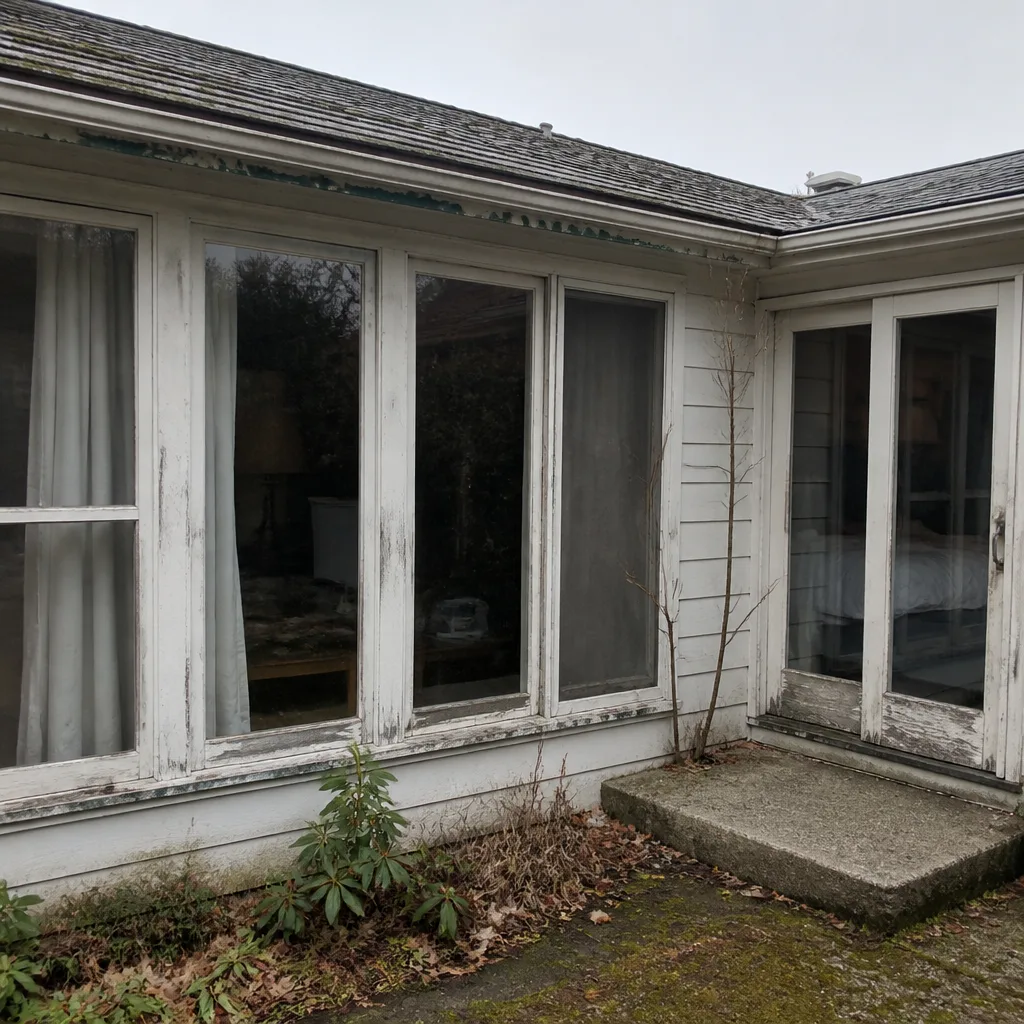 Before
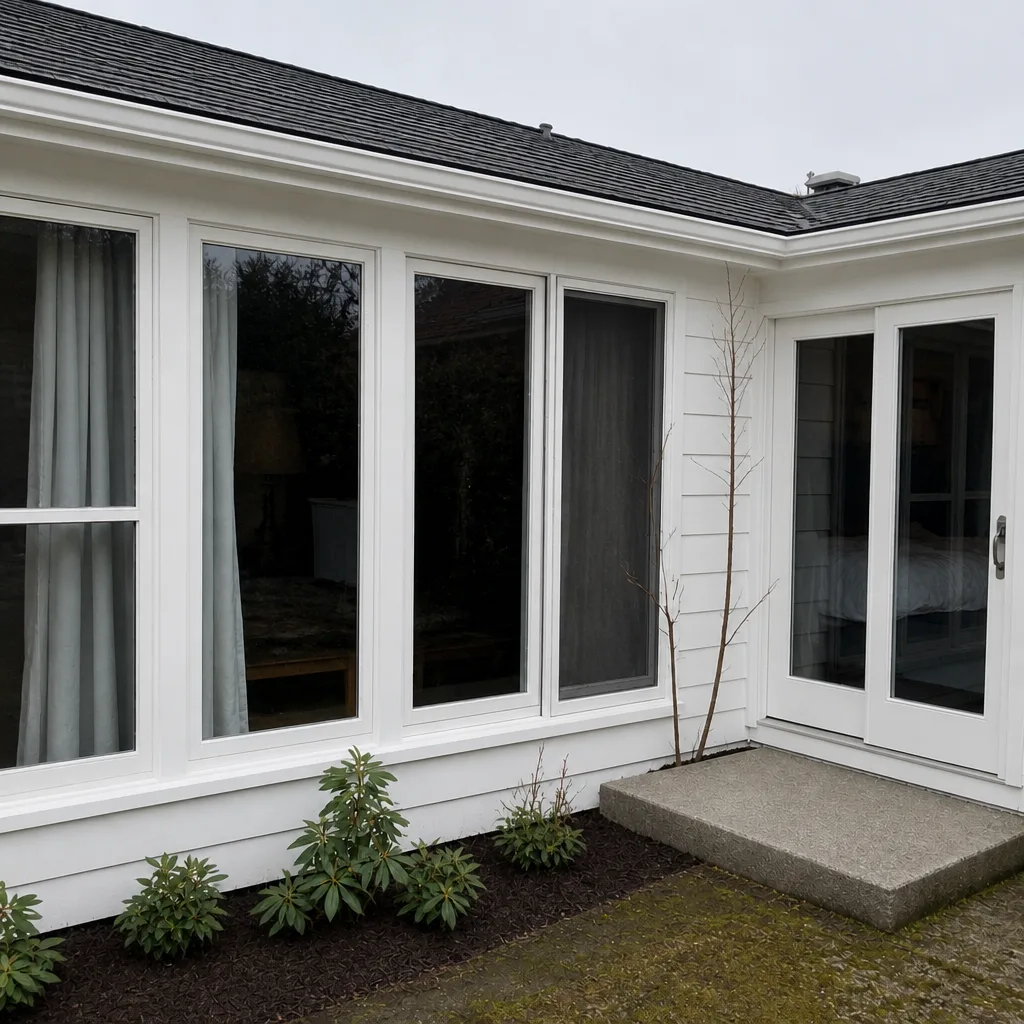 After
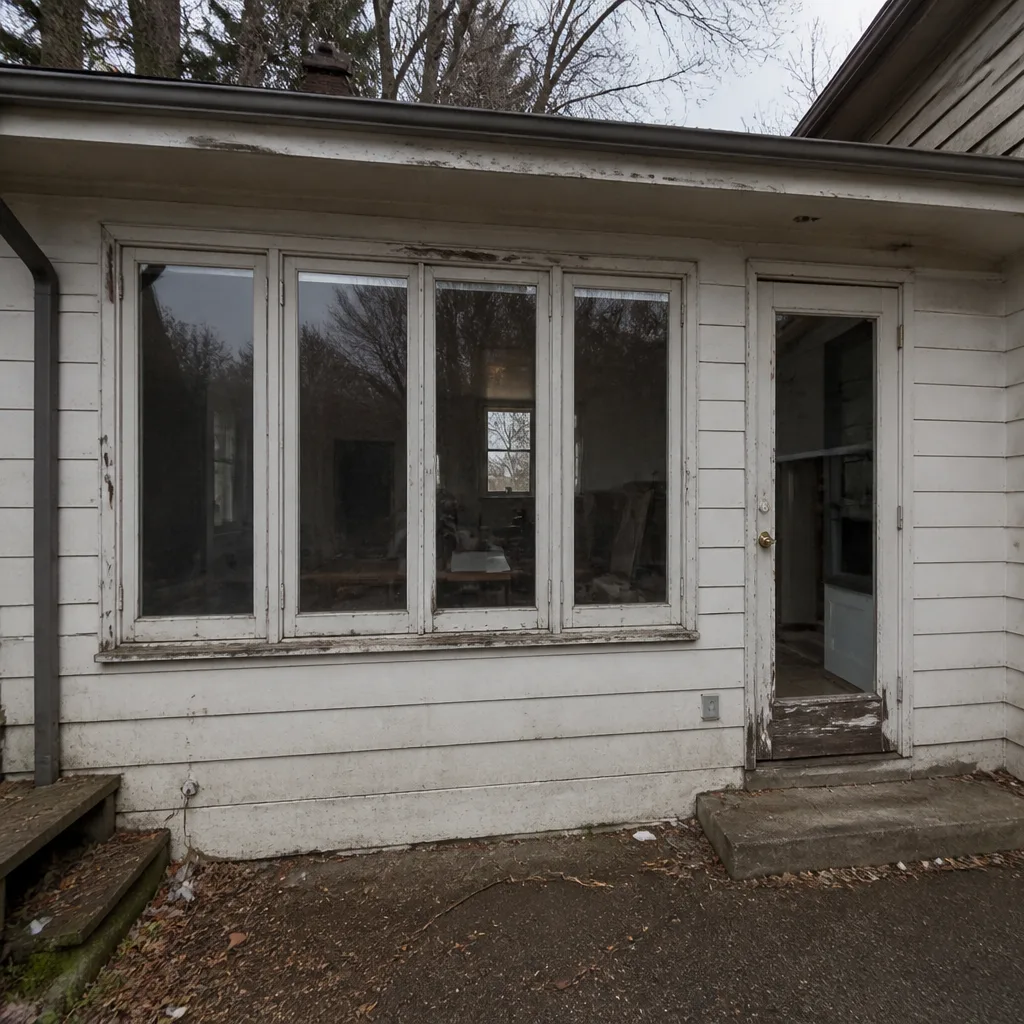 Before
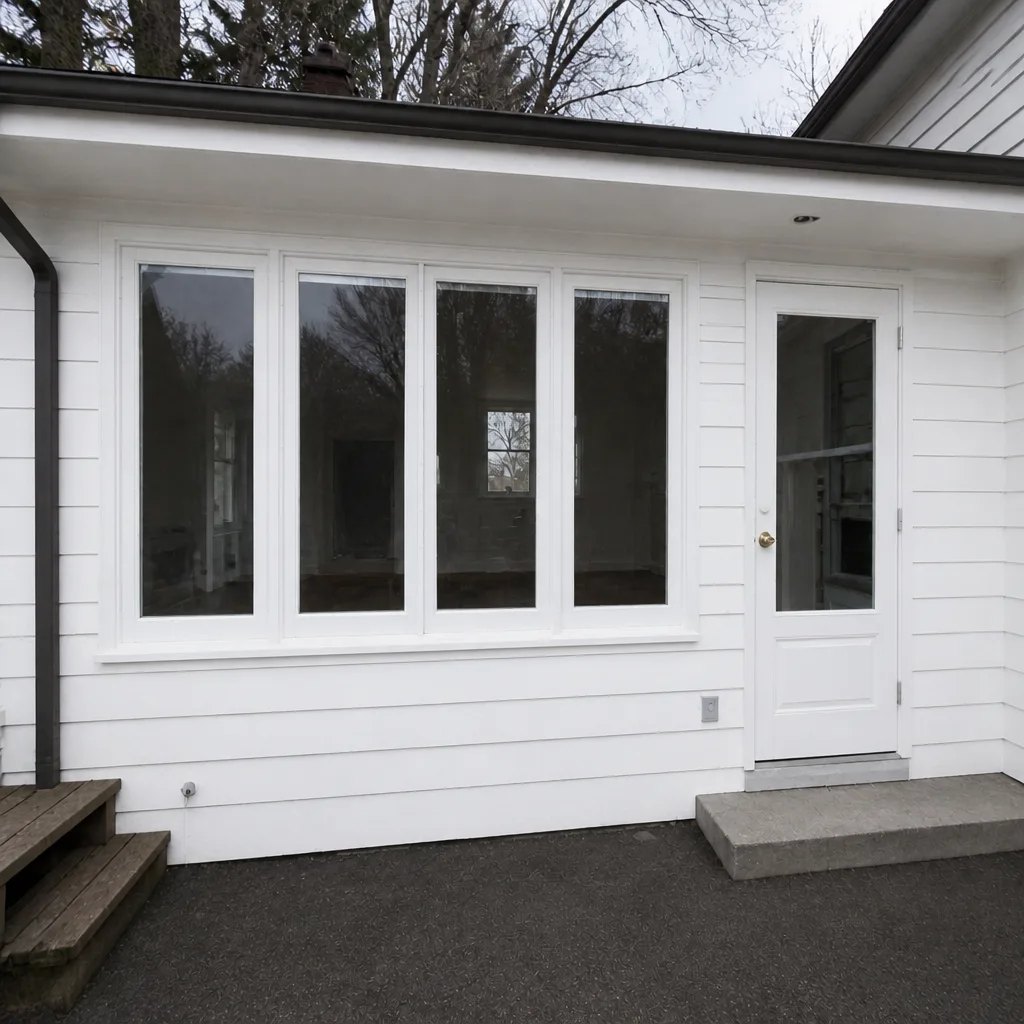 After
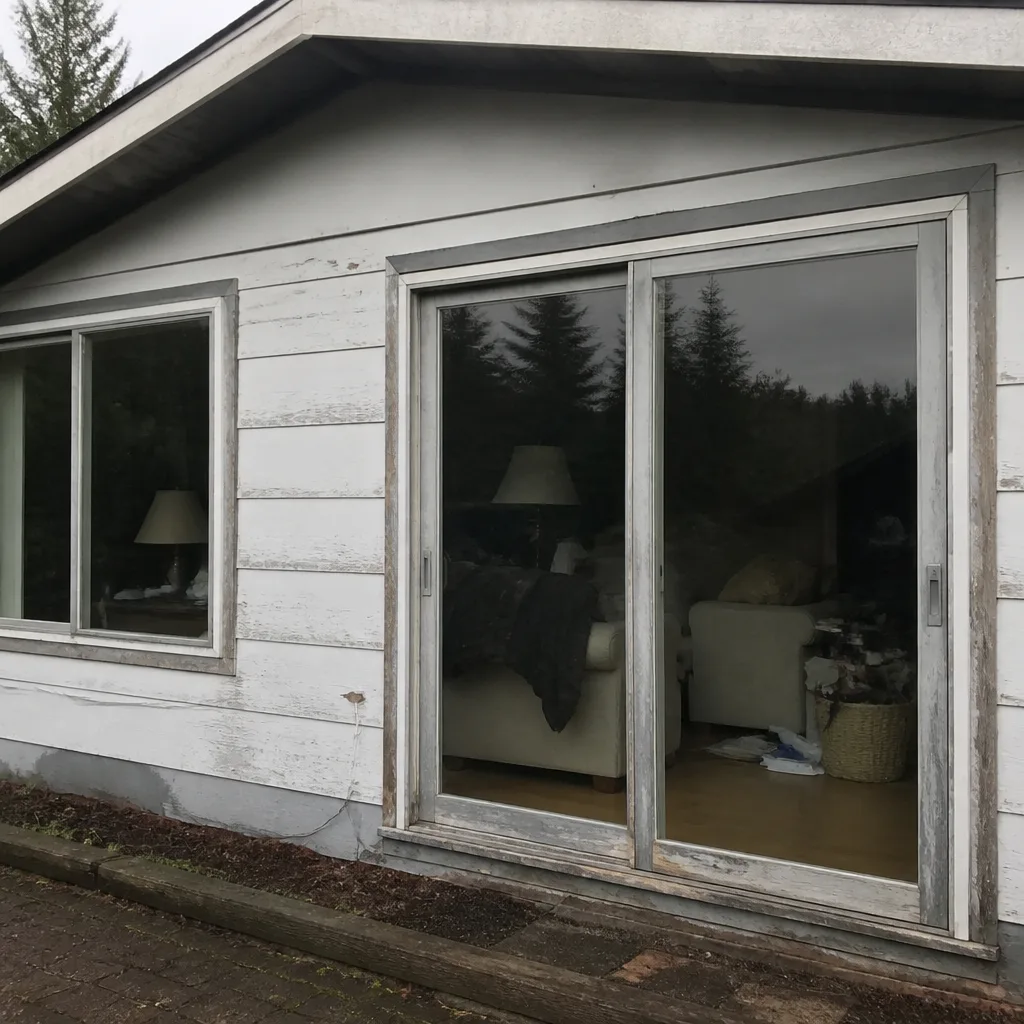 Before
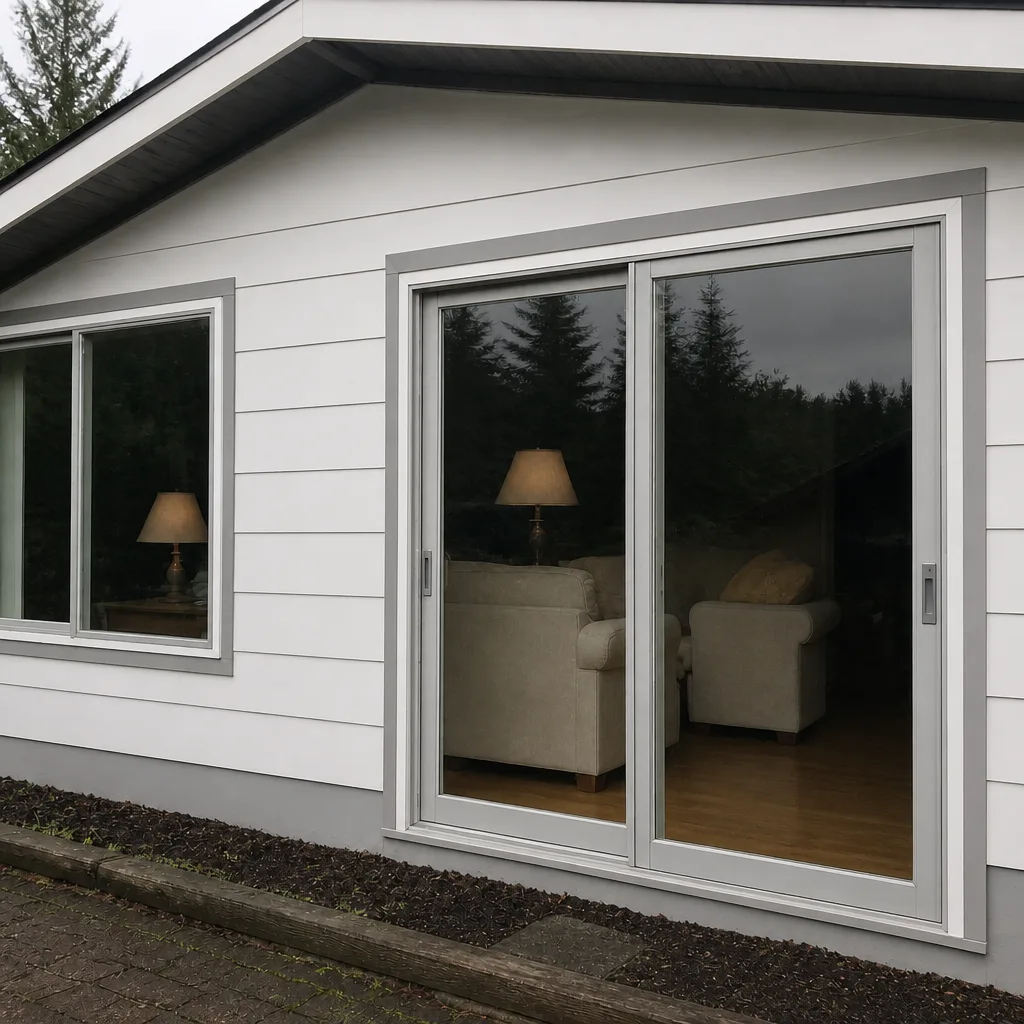 After
When to Call a Professional
Some parts of this sequence a homeowner can do. Frame inspection, rough opening measurement, and glass package selection are all reasonable to do with a professional on the phone and a level in your hand – and worth doing before you commit to anything. What’s not reasonable is structural work, permit interpretation, or the installation itself. If your project involves changing the size or location of an opening, combining windows into a larger unit, or any structural framing work, that’s a licensed professional job. If your existing frames show rot, moisture intrusion at the sill, or out-of-square framing, get an assessment before you order product – the correction has to happen before installation, not after. And if you’re replacing more than a couple of windows, the sequencing and permit work benefit from professional input from the beginning. Window Replacement Bellevue offers free estimates in Bellevue – call (425) 699-3164. The company takes window and door projects of three openings or more, so plan the scope accordingly.
Frequently Asked Questions
Window replacement in Bellevue typically runs in a broad range depending on frame path, product tier, glass package, and the number of openings – budget a wide spread for a firm estimate rather than relying on a single headline number. Pocket replacement projects tend to cost less per opening than full-frame work because they avoid structural scope. Custom sizing, triple-pane packages, and impact-rated products push toward the higher end. Estimates are free, the written line-item quote is what sets the final price, and there are no change orders once that quote is signed. Call (425) 699-3164 for an exact quote for your home.
Bellevue generally requires a permit for window replacement, though like-for-like swaps are typically handled as a simpler review than projects that change opening size or location. Any structural change, resizing, or opening relocation triggers additional review. Always confirm with the City of Bellevue’s building department for your specific project rather than relying on a contractor’s general answer. The local pros we connect you with pull permits as the scope demands and stand behind the work through inspection. Call (425) 699-3164 to schedule a free estimate.
Pocket replacement slides a new window into your existing frame, while full-frame replacement removes the entire unit including the frame and installs a complete new assembly. Pocket replacement works when the frame is sound and the rough opening fits a standard unit; full-frame is required for rot, resizing, or poor existing installs. Bellevue’s mid-century homes often need full-frame work where Puget Sound moisture has compromised original wood frames. A free estimate will tell you which path your home is on. Call (425) 699-3164 for an exact quote.
Bellevue’s marine west coast climate calls for low-e glass with moderate SHGC – low U-factor to resist heat loss in a heating-dominated climate, but not the aggressive SHGC minimization that makes sense in hot inland markets. Double-pane with argon fill is the baseline for most Bellevue homes; triple-pane adds performance and cost. Impact-rated glazing from PGT or CGI is worth considering where wind and storm exposure matters. Glass packages spec’d for hotter climates are the wrong fit here. Call (425) 699-3164 for a free consultation on the right spec for your home.
Yes – sliding door replacement and entry door replacement can be handled under the same contract as window replacement, which is how most full envelope projects should run. Doing both scopes with one contractor eliminates trade handoffs, keeps trim consistent, and gives you a single warranty structure. Therma-Tru entry doors pair the window project with a curb appeal and security upgrade rather than treating the front door as a separate cosmetic decision. Call (425) 699-3164 for a free estimate covering both scopes.
Window Replacement Bellevue works with eight manufacturer brands: PGT, CGI, CWS, ES Windows, ECO Window Systems, Mr-Glass, Therma-Tru, and ViewLux. Brand matters, but not in the way a single-manufacturer sales pitch suggests – the right brand is the one that matches your home’s frame condition, wall depth, glass needs, and performance tier. PGT and CGI lead impact-rated work, ECO Window Systems fits energy-efficient goals, ViewLux covers architectural styling, and the others cover the tiers in between. Call (425) 699-3164 to talk through which product fits your project and why.
The Bottom Line
Window replacement in Bellevue is a sequence, not a single choice. Start with frame condition, measure the rough opening, confirm wall depth, spec the glass package for our marine west coast climate, sort out the permit question, and only then pick style and brand. Get that order right and the project is straightforward: a written line-item quote, permits pulled and inspections passed, fixed pricing with no change orders, and a workmanship warranty behind the installation. Get the order wrong and the savings you were chasing get eaten by custom sizing or structural work. Bellevue’s mix of mid-century and newer homes means there’s no single right answer – only the right answer for your house, chosen in the right order. Our technicians have up to 10 years of experience with the products and the process.
Ready to Start Your Bellevue Window Project?
If you’re ready to move from research to a real project plan, call (425) 699-3164 for a free estimate. We’ll walk through your frame condition, rough opening, wall depth, glass package, and permit picture before anyone talks brand names – and we’ll tell you which of our eight manufacturer brands fits your project and why. Estimates are free, quotes are written line-item, and the price on that quote is the price you pay. Whether your project runs through window installation, window replacement, or includes doors, one contractor covers windows and doors from start to finish. For Bellevue homeowners who want product knowledge, not a sales pitch, that’s the conversation worth having.
Written by the team at Window Replacement Bellevue.