Last updated November 25, 2026
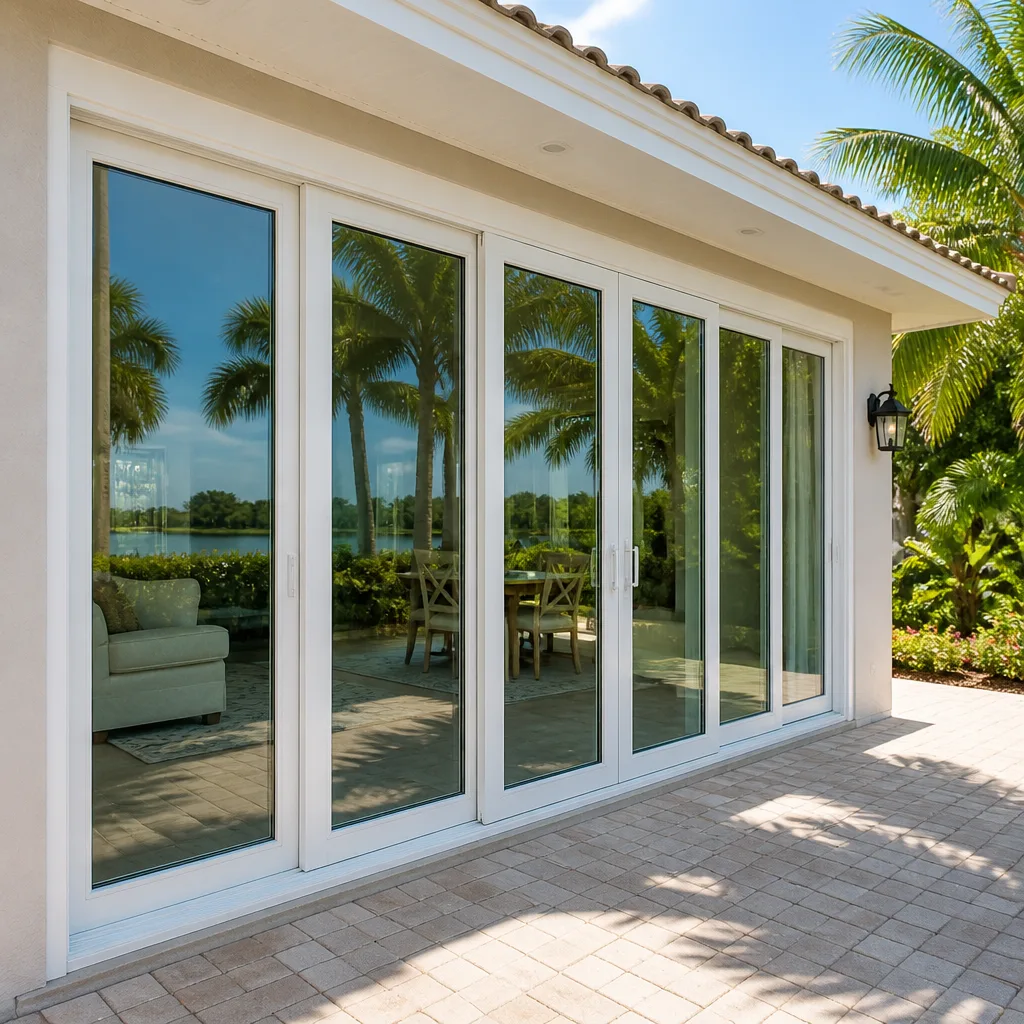
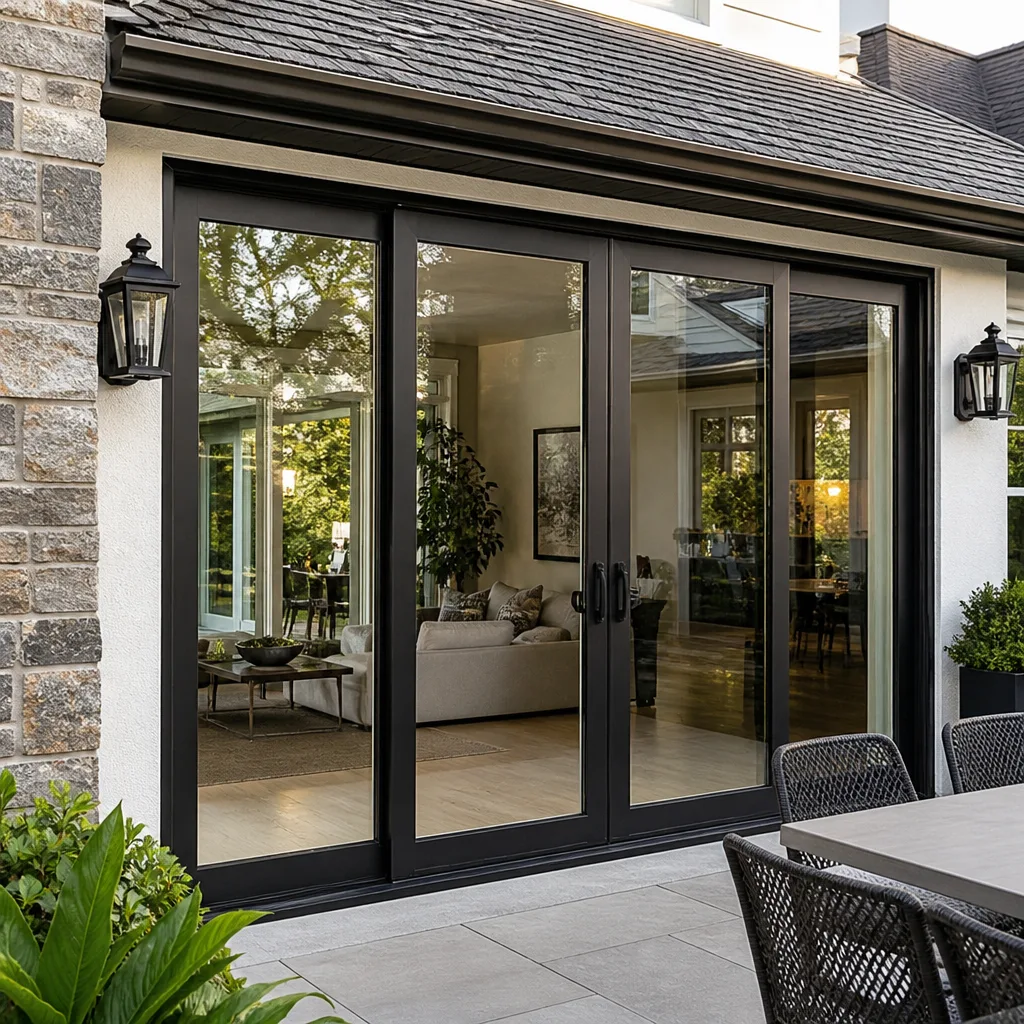
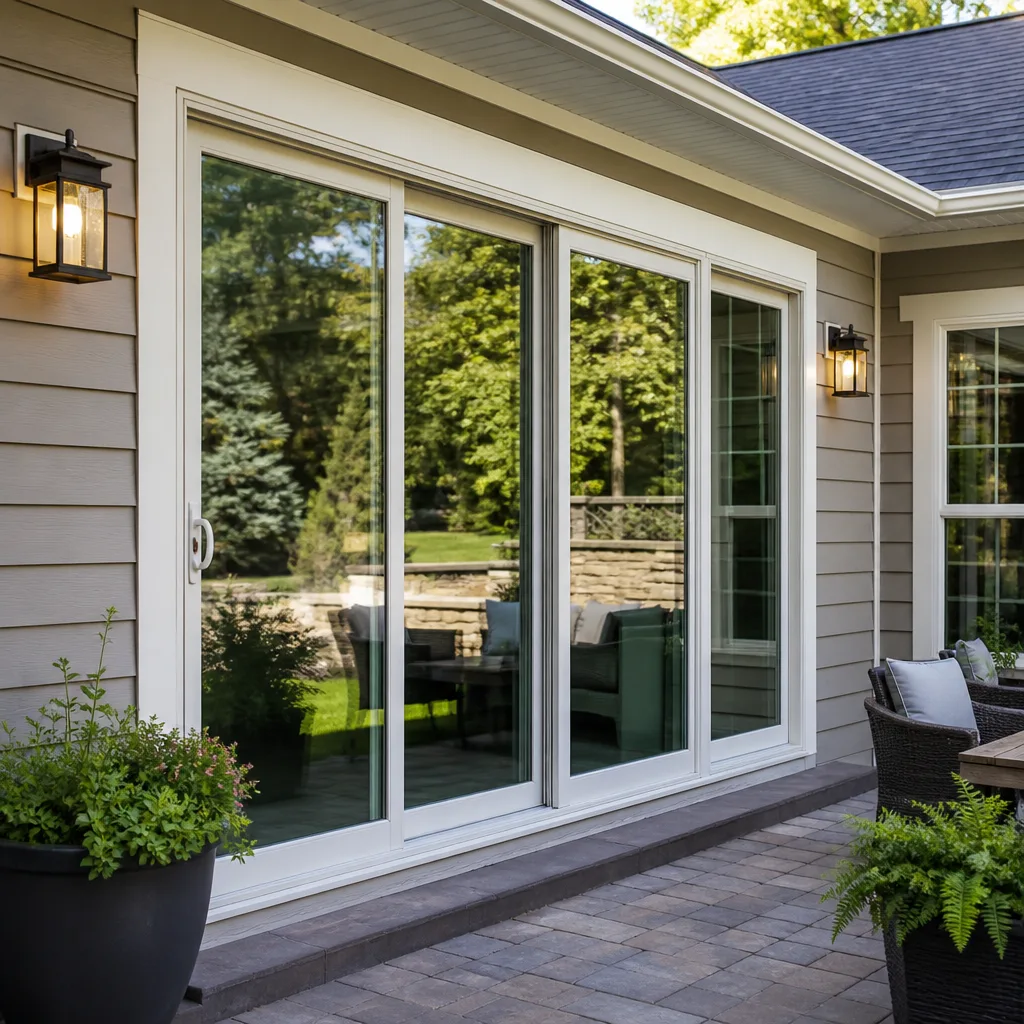 Sliding glass doors
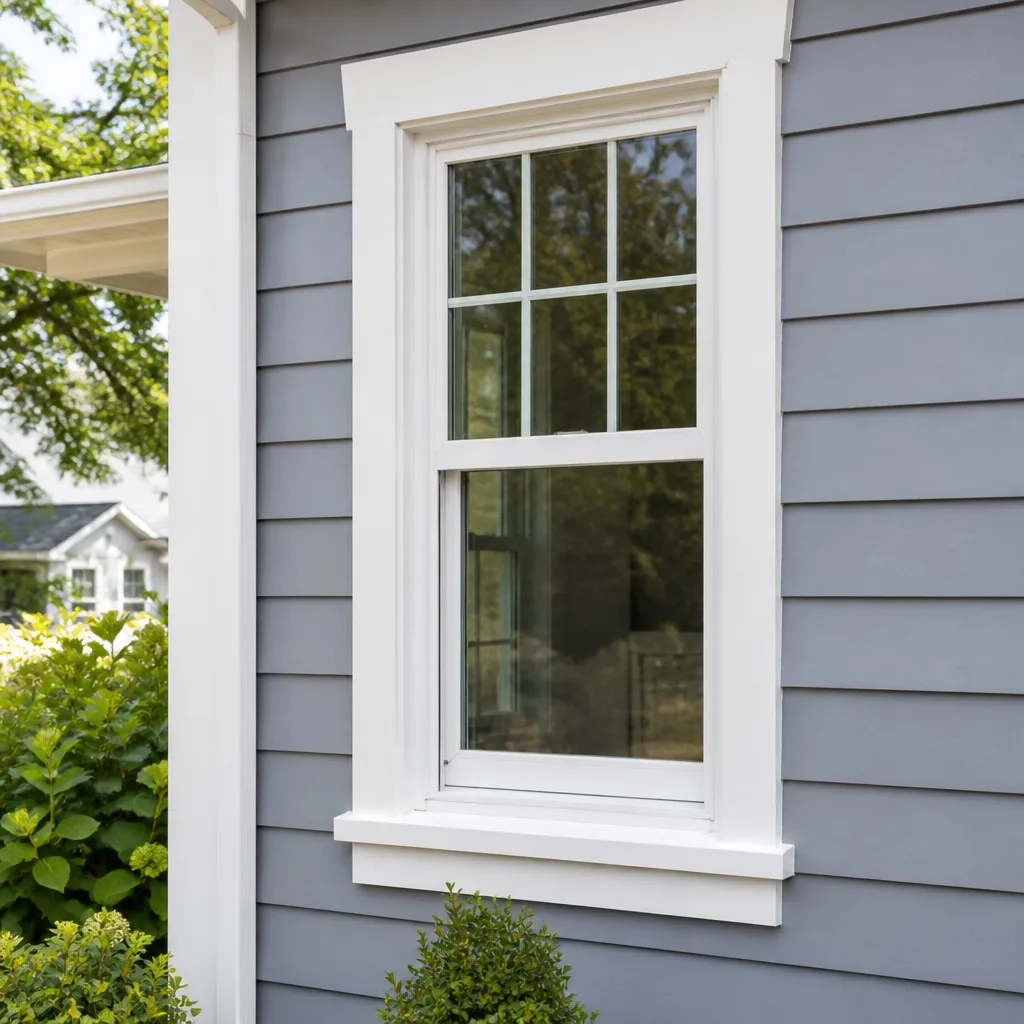 Single hung
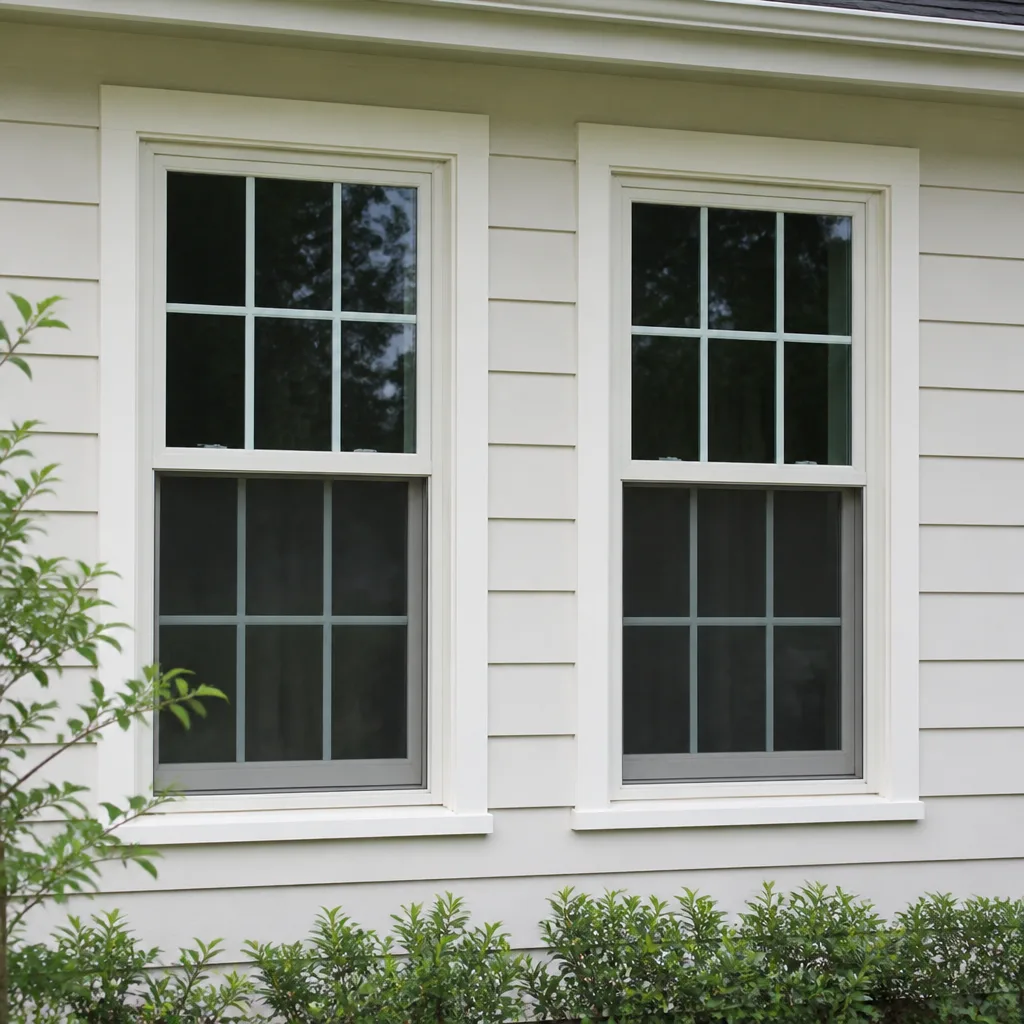 Double hung
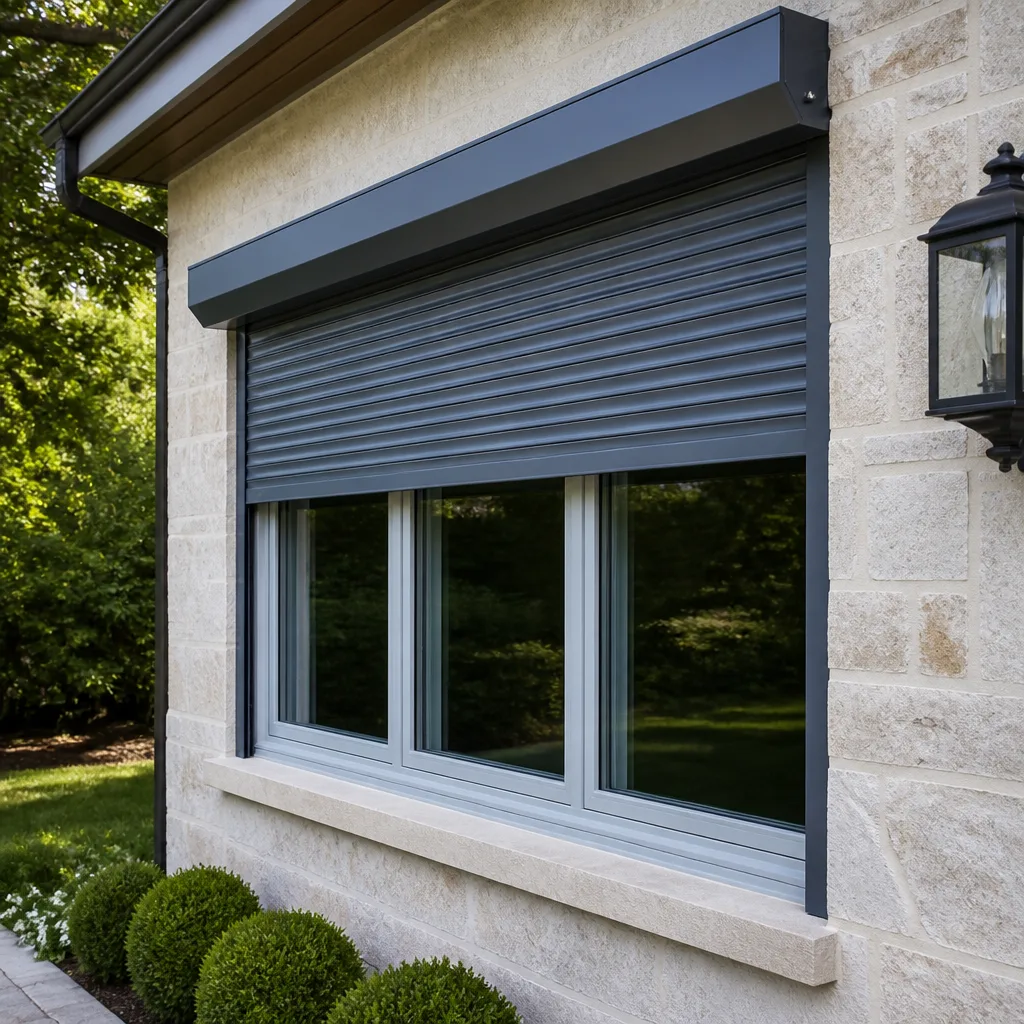 Horizontal roller
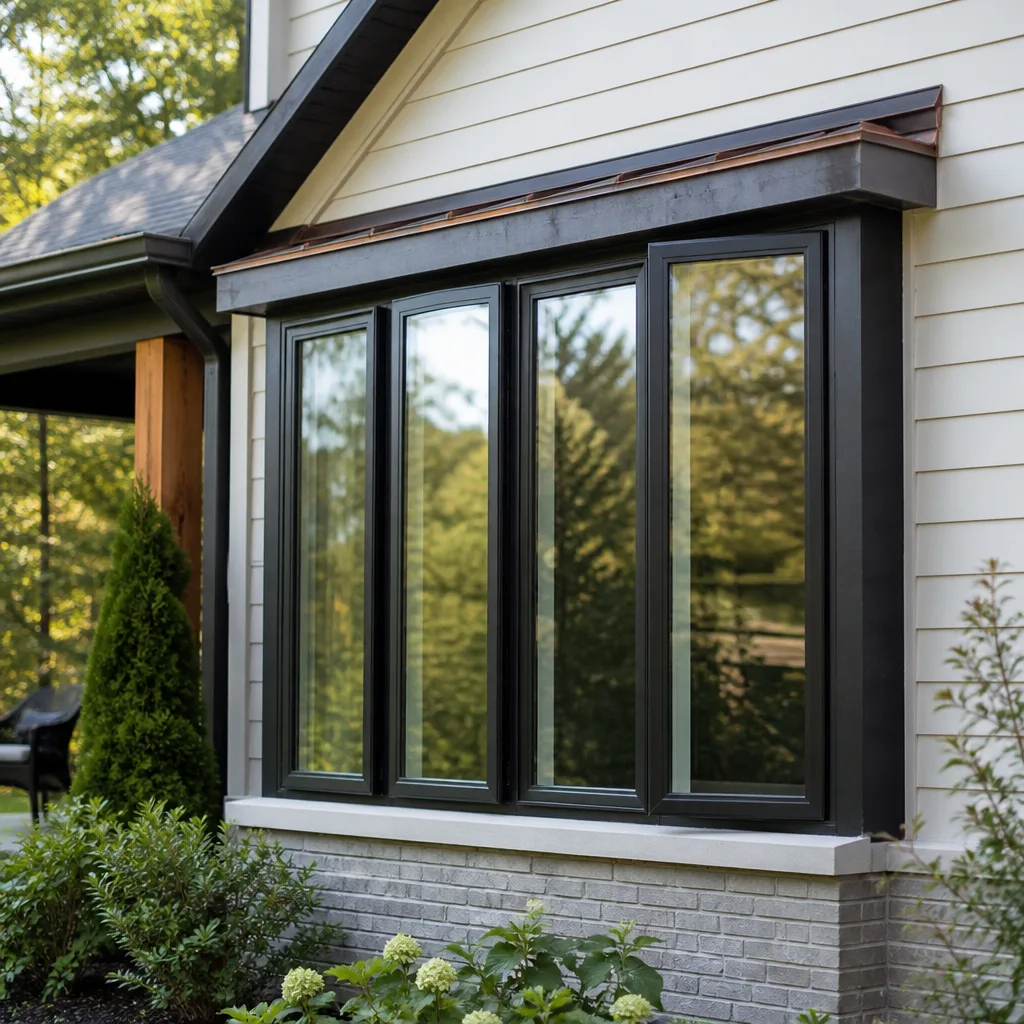 Casement
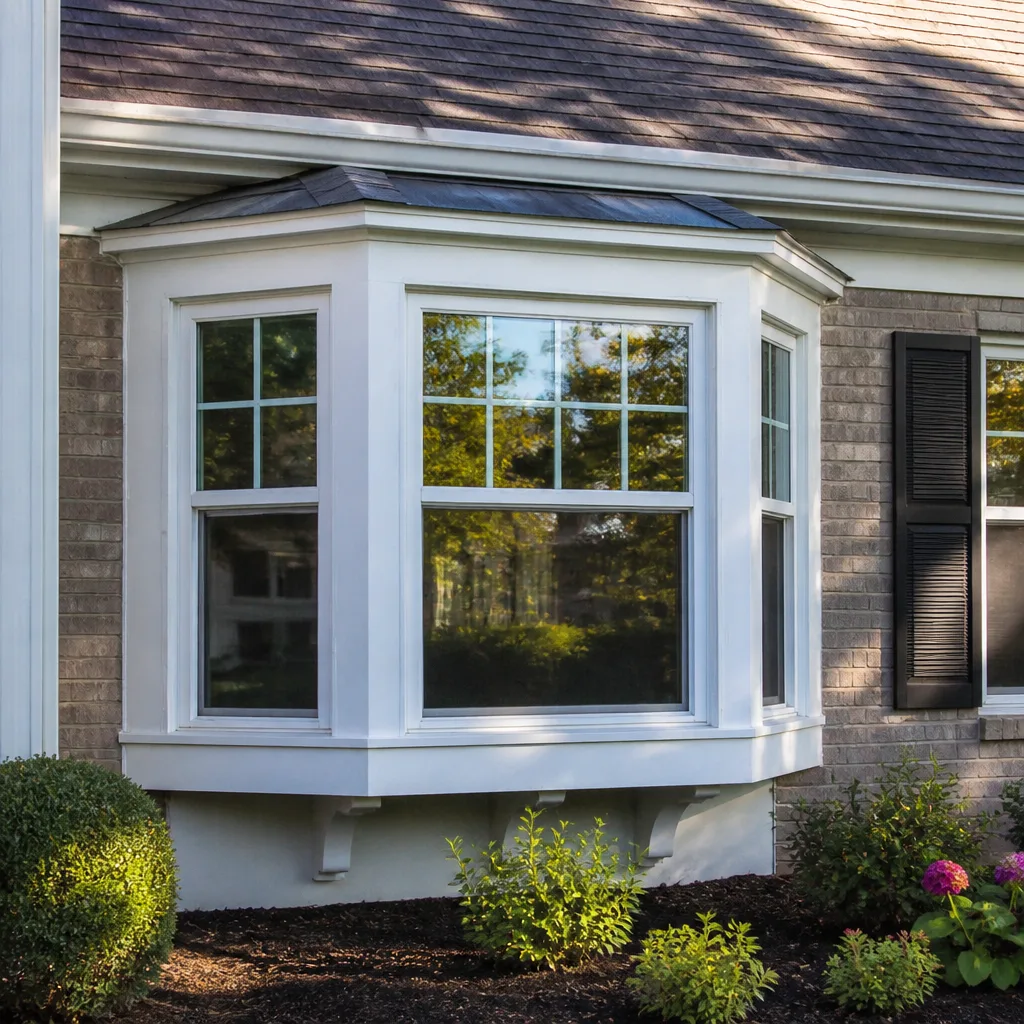 Bay & bow
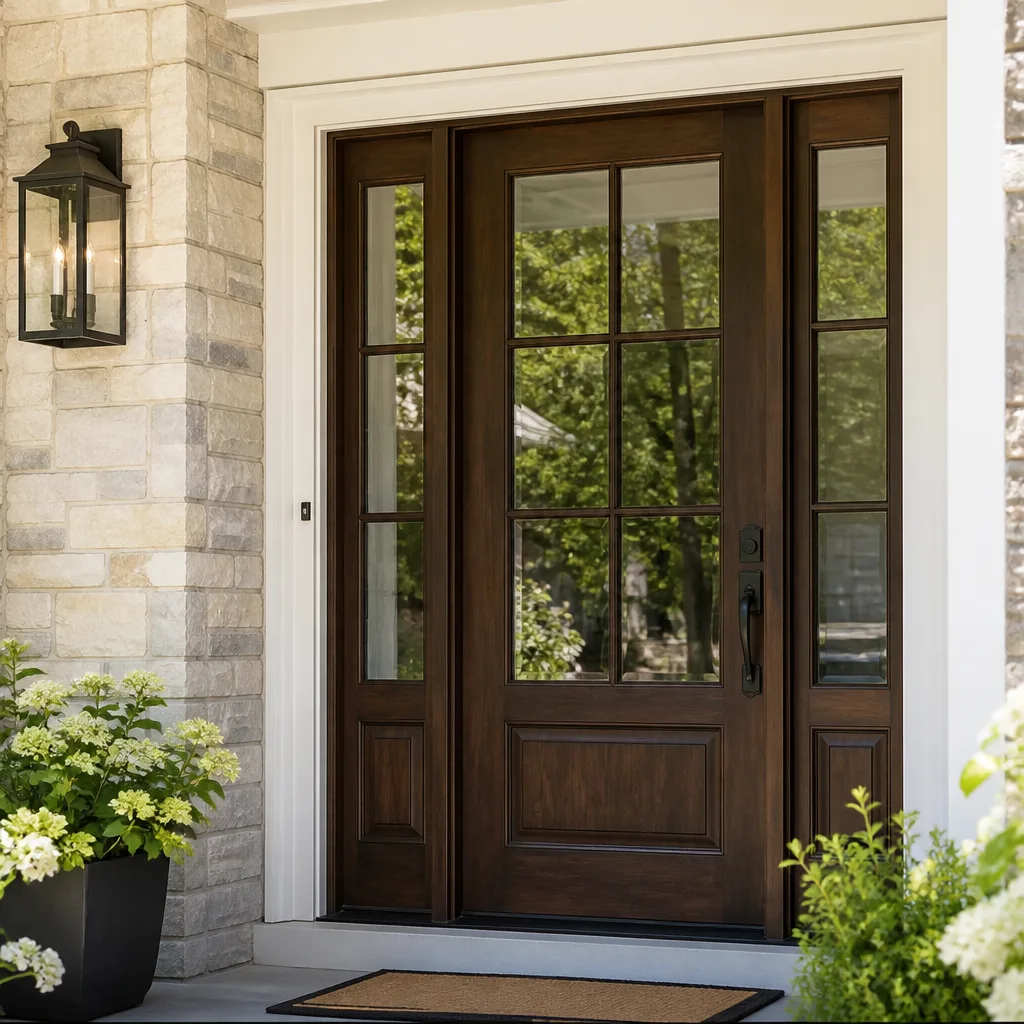 Entry doors
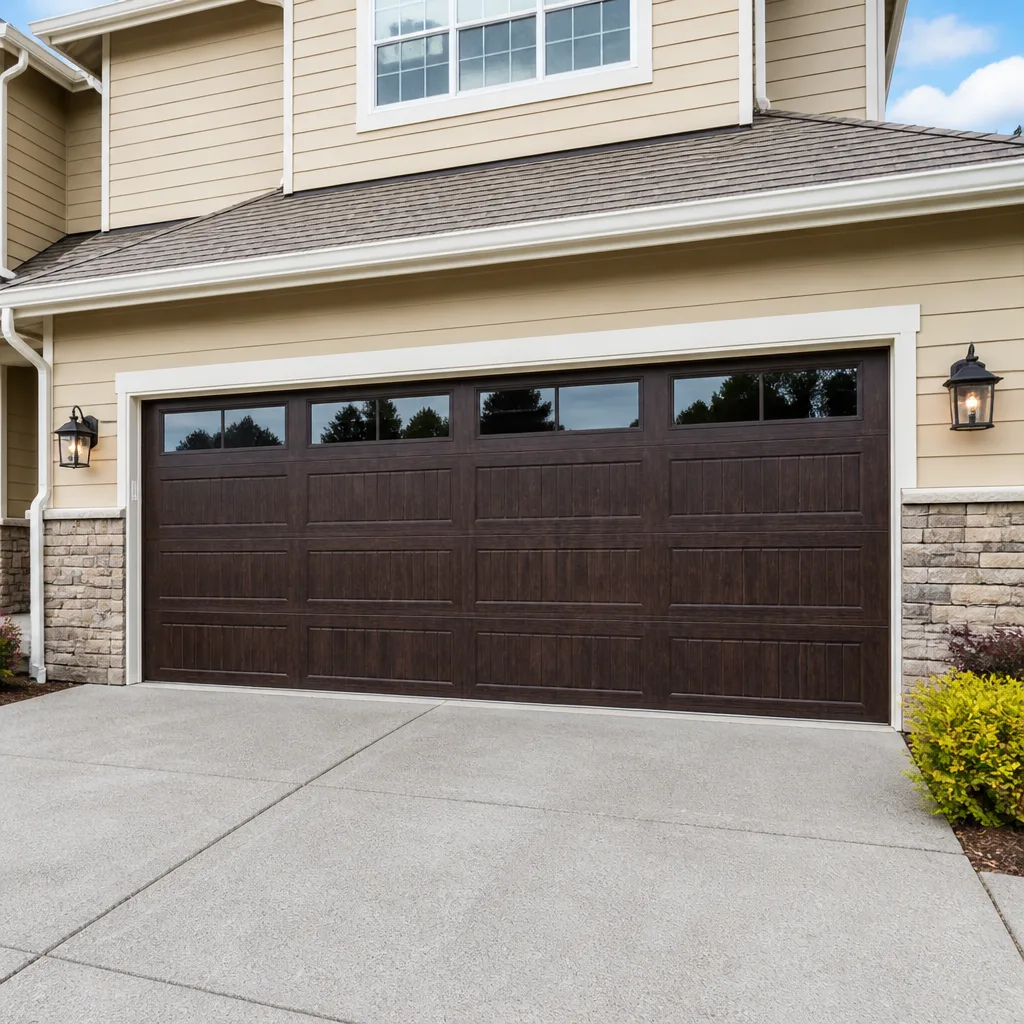 Impact garage doors
 PGT
 CGI
Free in-home measure and quote - PGT, CGI and CWS impact lines compared on your actual openings, style by style
Get your free estimateChoosing the Right Windows & Doors Brand: A Buyer’s Guide for Bellevue
A brand that earns top marks in a Florida impact-rating test can still underperform in Bellevue’s sustained wind-driven rain, because the two situations measure entirely different failure modes. Florida impact standards test what happens when a missile strikes glass. They say almost nothing about what happens when rain is driven sideways against a frame for hours. The spec sheets rarely flag that distinction, and that’s why brand shopping here goes sideways so often. This guide reframes brand selection as a fit analysis: matching what each manufacturer genuinely does well to your home type, your exposure, and your performance priorities. By the end, you’ll know how to read the labels, compare brands on the axes that actually matter in Bellevue, and ask a contractor the questions that separate a real recommendation from an inventory pitch.
Quick Answer
There is no single best window brand for Bellevue. The right brand depends on your home’s age and construction, how much wind-driven rain and wind your exposure sees, your target U-factor, and how long you plan to stay. Compare brands on four axes – air infiltration, water resistance, U-factor, and hardware durability – and read the NFRC and AAMA labels together before you trust any single marketing claim.
Styles & brands we work with
- Single hung
- Double hung
- Horizontal roller
- Casement
- Bay & bow
- Sliding glass doors
- Entry doors
- Impact garage doors
- PGT
- CGI
Table of Contents
- The Four Performance Axes That Matter in Bellevue
- How to Read an NFRC Label and an AAMA Rating Together
- Matching Brand to Home Type: A Fit Framework
- Why Impact-Rated Products Are About More Than Hurricanes
- What “Lifetime Warranty” Actually Means Across Brands
- Don’t Forget Doors: Where Entry and Sliding Products Fit
- Questions to Ask Before You Accept a Brand Recommendation
- Common Mistakes to Avoid
The Four Performance Axes That Matter in Bellevue
Bellevue sits in a climate that throws a specific combination at windows and doors: long wet stretches, sustained wind-driven rain against the west and south faces, cool months that make thermal performance a comfort issue and not just an energy one, and humidity that works on hardware year after year. That combination narrows the field of what “good” means. We evaluate every product on four axes, because a brand that wins on one can stumble on another.
- Air infiltration. How much air leaks past the frame, sash, and weatherstripping under pressure. A low infiltration rating means a quieter, warmer home and less condensation on cold mornings. It also indicates tighter manufacturing tolerances.
- Water resistance. How the product performs when rain is pushed hard against it. This is about sill design, weep systems, and how the frame handles standing water at the bottom. Bellevue’s wind-driven rain finds weaknesses that a calm drizzle never will.
- U-factor. The rate of heat loss through the whole assembly. Lower is better. In Bellevue’s cool months, a lower U-factor shows up as less interior condensation and more consistent room temperature near the glass.
- Long-term hardware durability in wet conditions. Hinges, locks, rollers, and operators that corrode or stiffen after a few wet seasons. This axis rarely appears on a spec sheet, but it’s the one that determines how the window feels in year eight.
Brands differ meaningfully on each axis. Some manufacturers optimize for impact and structural strength, others for thermal performance, others for architectural profiles and sightlines. A fit analysis asks which axis your home stresses hardest, then finds the brand built for it. That’s the difference between a recommendation and a catalog.
How to Read an NFRC Label and an AAMA Rating Together
The NFRC label tells you how the product performs thermally. The AAMA designation tells you how it performs structurally and against water and air. Read one without the other and you have half a story. A window can post an excellent U-factor and still leak in a hard rain, because the two labels measure different things. Here’s how to read them as a pair.
- Find the U-factor on the NFRC label. Lower is better. Also note the Solar Heat Gain Coefficient, which matters more for summer sun than for Bellevue’s cool months but still affects glare and fading.
- Find the AAMA designation. It’s usually a number paired with a performance class. It reflects tested resistance to air, water, and structural load. Higher classes mean the product was tested to withstand more.
- Match the class to your exposure. A sheltered interior courtyard window and a wind-battered west elevation facing an open fetch of weather don’t need the same class. Buy the exposure, not the brochure.
- Ask for the test report, not just the sticker. A manufacturer that stands behind its numbers can produce the underlying data. The sticker is a summary; the report is the substance.
- Check that the label applies to the exact configuration. Ratings vary by size and operation type. A sliding door and a fixed window from the same brand don’t share a rating.
We walk Bellevue homeowners through this reading exercise during the estimate, because once you can read the labels together, the marketing language falls away and the real differences stand out. It’s also why we carry competing manufacturers: the labels make the comparison honest, and honest comparison serves you better than a single catalog.
Matching Brand to Home Type: A Fit Framework
The same brand that makes sense for a 1960s ranch in West Bellevue may be the wrong choice for a 2000s craftsman in Bridle Trails or a new-construction modern in Eastgate. Not because the brand is worse, but because the home’s construction, orientation, and design intent put different demands on the product. This is the core of fit analysis, and it’s what a brand-agnostic portfolio lets us do properly.
- 1960s ranch, West Bellevue. Often single-pane or early double-pane with wood or aluminum frames, generous west-facing glazing, and original openings that don’t perfectly square. Priorities lean toward a forgiving product with strong water management at the sill and a profile that fits existing openings without major structural change. A brand with flexible sizing and a solid sill system tends to fit here.
- 2000s craftsman, Bridle Trails. Already double-pane, typically with divided-light patterns and painted wood or composite trim. The homeowner is usually upgrading thermal performance and hardware feel while preserving the architectural look. Brands with a strong divided-light aesthetic and refined hardware matter more than raw impact rating.
- New-construction modern, Eastgate. Large openings, slim sightlines, sliding doors as design features, and a builder or architect with a strong visual intent. Here the brand needs architectural profiles and a matched door line, so the glass wall reads as one system.
Rain exposure and orientation matter as much as home age. A west elevation that catches the weather head-on calls for a different product tier than a sheltered north wall, regardless of the home’s vintage. The recommendation should follow the exposure, not the badge on the frame.
Why Impact-Rated Products Are About More Than Hurricanes
Impact-rated windows and doors get associated with hurricane country, and that association undersells them. An impact-rated assembly is built to hold together under a concentrated load and to keep the opening intact afterward. That same construction – laminated glass, reinforced frames, a heavier operating mechanism – also delivers strong wind performance, better acoustic damping, and more consistent behavior under sustained pressure. In a region where wind-driven rain and occasional high-wind events are part of the year, that’s a real advantage, not a marketing line.
There’s an honest caveat worth stating plainly: a high impact rating does not automatically mean high water resistance. The two are tested differently. A brand that leads on impact may still need scrutiny on sill design and drainage, and vice versa. That’s why we read the four axes together and never accept “impact-rated” as shorthand for “handles everything Bellevue throws at it.”
PGT and CGI are the two names we hear most often when a Bellevue homeowner has done their homework on performance glazing, and both are genuinely strong on this axis. But strength on impact is just one column in the comparison table. The product still has to fit the opening, match the home, and manage water at the sill. Impact-rated, energy-efficient, or architectural – we carry the brands built for each, and we match the one that fits your situation instead of defaulting to the dramatic one.
What “Lifetime Warranty” Actually Means Across Brands
“Lifetime warranty” is not a standardized term, and the practical value varies enormously from one manufacturer to another. Some brands cover the sealed glass unit for as long as you own the home; others cover it for a set number of years and then prorate. Some transfer to a new owner at no cost; others transfer only once, or only within a window, or not at all. The word “lifetime” often refers to the original purchaser’s lifetime, not the product’s. Read the actual document before you compare brands on warranty length, because the length is the least meaningful part.
Three things determine whether a warranty has real value in Bellevue:
- Coverage exclusions. Glass breakage, screen damage, and certain hardware failures are commonly excluded. Wind-driven rain intrusion is sometimes treated as a water-management issue rather than a defect, which shifts the burden back to the installer.
- Transferability conditions. If you plan to sell, a transferable warranty adds real value at resale. If it isn’t transferable, treat it as a personal benefit only.
- Service network realities. A generous warranty from a manufacturer with no local service presence is a promise with a long commute. Ask who actually performs warranty service and how quickly a part can be sourced, because the coverage is only as good as the network behind it.
Our advice: compare warranties clause by clause, and match the strength of the warranty to how long you expect to stay in the home. A homeowner planning to move in three years and a homeowner planning to stay for decades should weight these differently.
Don’t Forget Doors: Where Entry and Sliding Products Fit
Windows dominate the brand conversation, but the building envelope includes your doors, and the same fit analysis applies. An entry door is the intersection of curb appeal and security; a sliding door is a large glazed opening that sees the most weather of anything in the house. Treating them as an afterthought leads to mismatched products, awkward handoffs between trades, and a project that never quite comes together.
For entry doors, Therma-Tru is the name most homeowners recognize, and for good reason: it’s a brand consistently ranked among the top-tier entry door manufacturers in the U.S. That reputation matters when the door is the first thing a visitor sees and the first line of defense at the threshold. For sliding doors, the brand needs to share a design language and a performance philosophy with your windows, so the whole elevation reads as one system rather than a patchwork.
This is where a single accountable contractor earns its keep. When the windows and the doors come from a coordinated brand portfolio on one contract, you don’t spend weeks chasing two installers about a gap at the door jamb or a trim detail that belongs to the other trade. One contractor. Windows and doors. Start to finish. If you’re planning door replacement alongside new windows, it’s worth deciding the brands together rather than six months apart.
Questions to Ask Before You Accept a Brand Recommendation
The best way to tell whether a brand recommendation is a fit analysis or an inventory pitch is to ask why. A contractor doing real fit analysis will welcome the questions; a contractor pushing a single line will get vague. Here’s what to ask, and what a good answer sounds like.
- “Why this brand for this home, specifically?” A fit answer references your home’s age, orientation, exposure, and performance goals. An inventory answer references the brand’s reputation in general terms.
- “What are the alternatives, and why not them?” Someone carrying multiple manufacturers can compare on the spot. If there’s only one option on the table, ask why.
- “Show me the NFRC and AAMA numbers for the exact configuration.” A confident contractor produces the test data. A vague one points at the brochure.
- “What are the warranty exclusions that matter for my exposure?” A good answer names the specific exclusions that apply to wind-driven rain and hardware, rather than reciting the coverage period.
- “Who performs warranty service, and how?” The answer should name the mechanism, not just the promise.
- “What’s the change-order policy?” A fixed price with no change orders is a sign the recommendation was made with care. An open-ended quote is a sign it wasn’t.
We’ll tell you which brand fits your project, and why. If a competitor’s product genuinely fits better for your situation, that’s worth hearing too. The point isn’t to sell a name; it’s to get the right product into the opening.
Common Mistakes to Avoid
- Ranking brands in the abstract. A brand can be excellent overall and still be wrong for your home’s orientation and construction. Judge the product against the opening, not against a leaderboard.
- Buying impact rating as a synonym for water resistance. These are tested differently, and a high impact rating tells you nothing certain about sill performance under sustained wind-driven rain. Read both labels.
- Accepting “lifetime warranty” at face value. Transferability, exclusions, and the service network behind the warranty determine its actual value. The word “lifetime” is the least informative part of the phrase.
- Overlooking the doors. Windows and doors belong to the same envelope. Coordinating brands on one contract avoids the handoff gaps that turn up at the threshold.
- Matching the home’s era, not its exposure. A sheltered wall and a wind-battered west elevation in Bellevue need different performance tiers even on the same house. Match the product to the weather, not just the vintage.
- Choosing a contractor based on a single product line. If the recommendation is limited to what’s in stock, the comparison was never really made. Ask for alternatives and the reasoning behind each.
- Skipping the test reports. The label is a summary. The report is the evidence. Ask for both and compare across brands.
See the difference
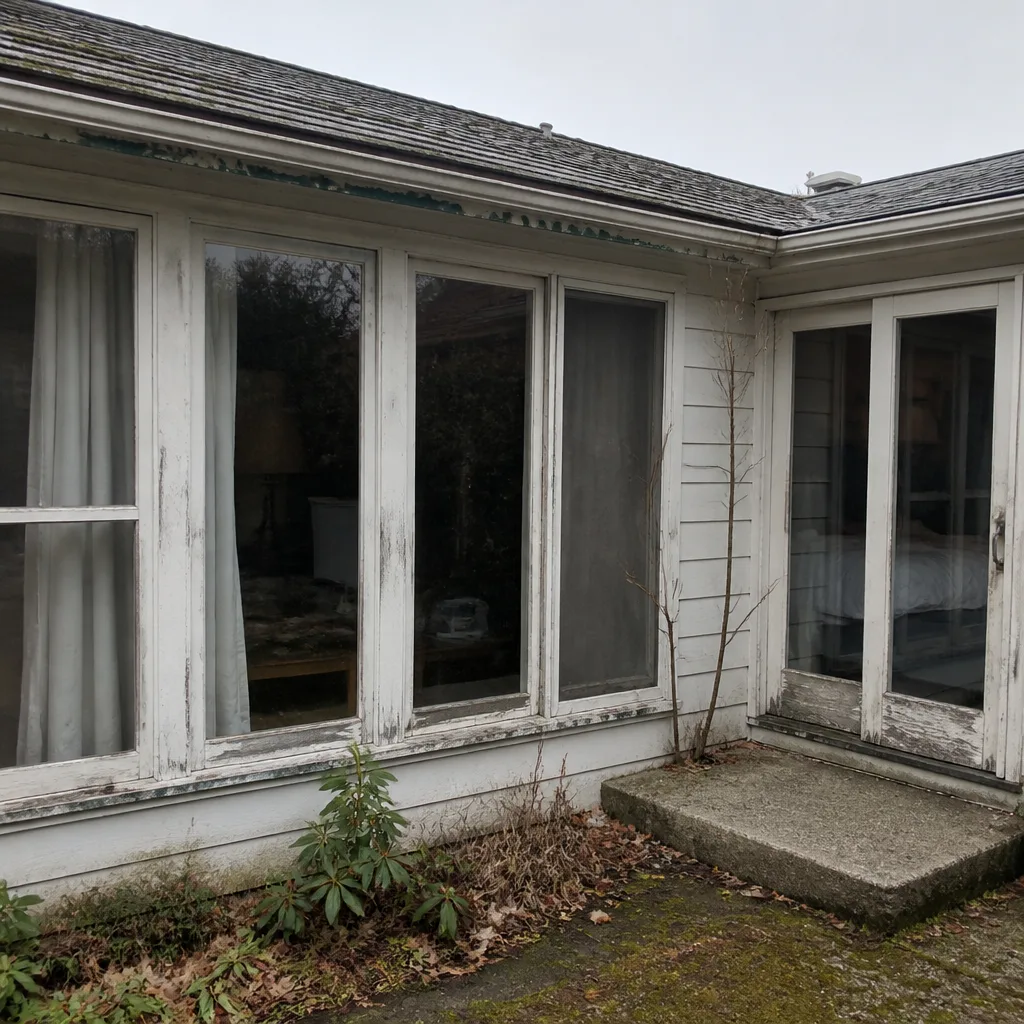 Before
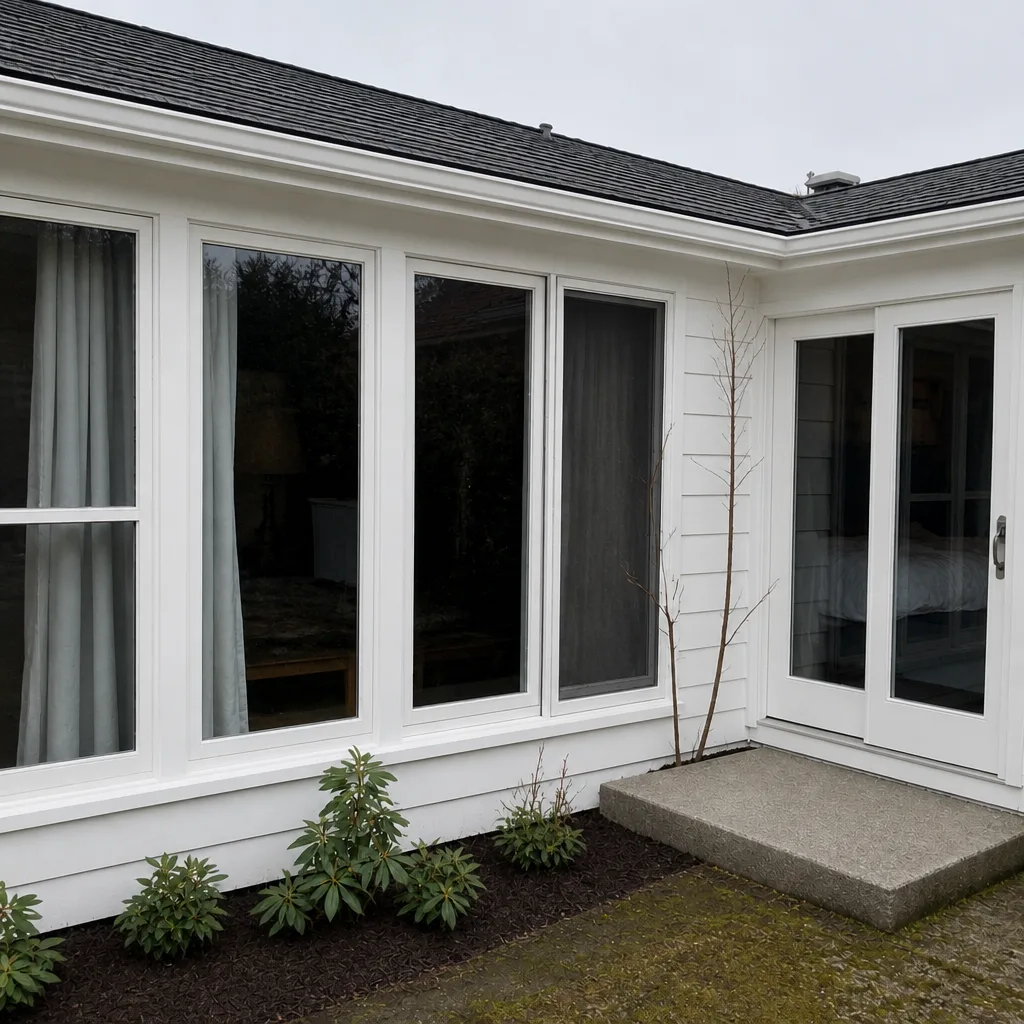 After
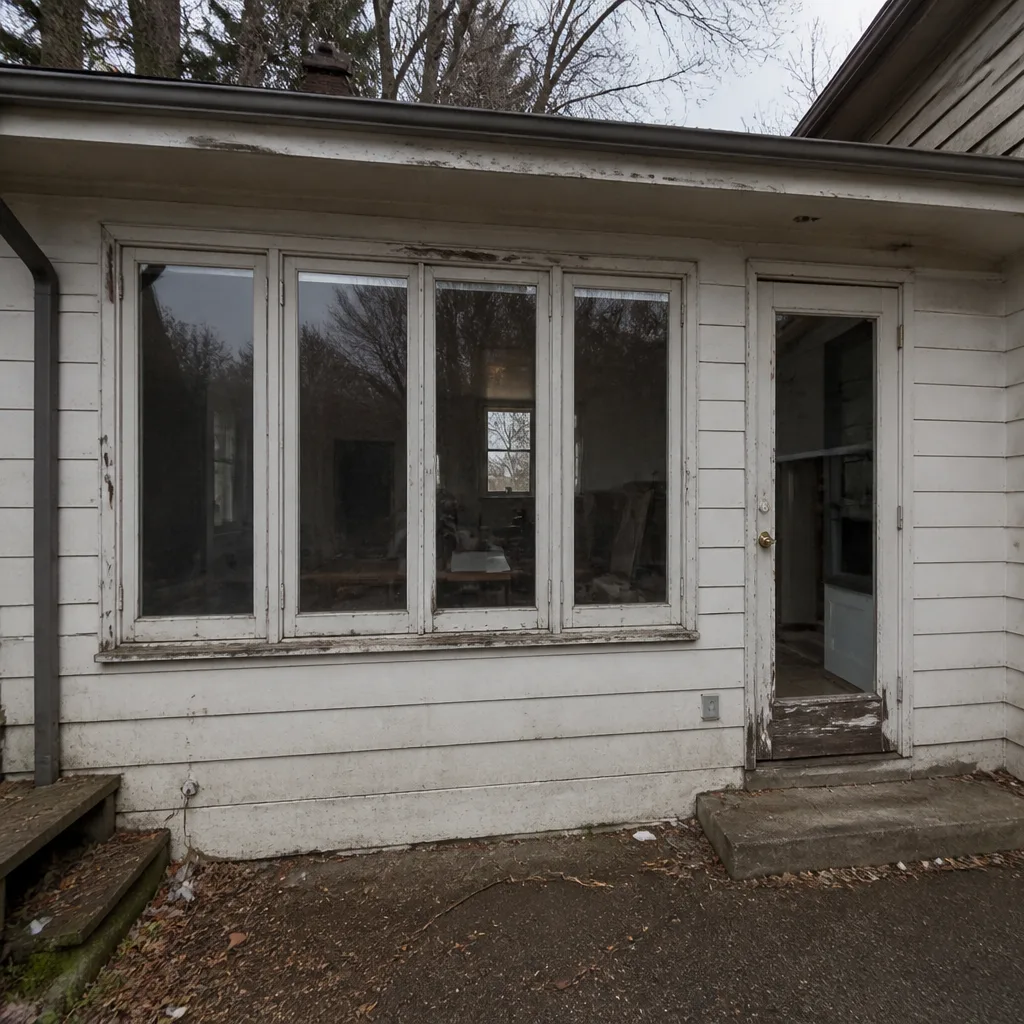 Before
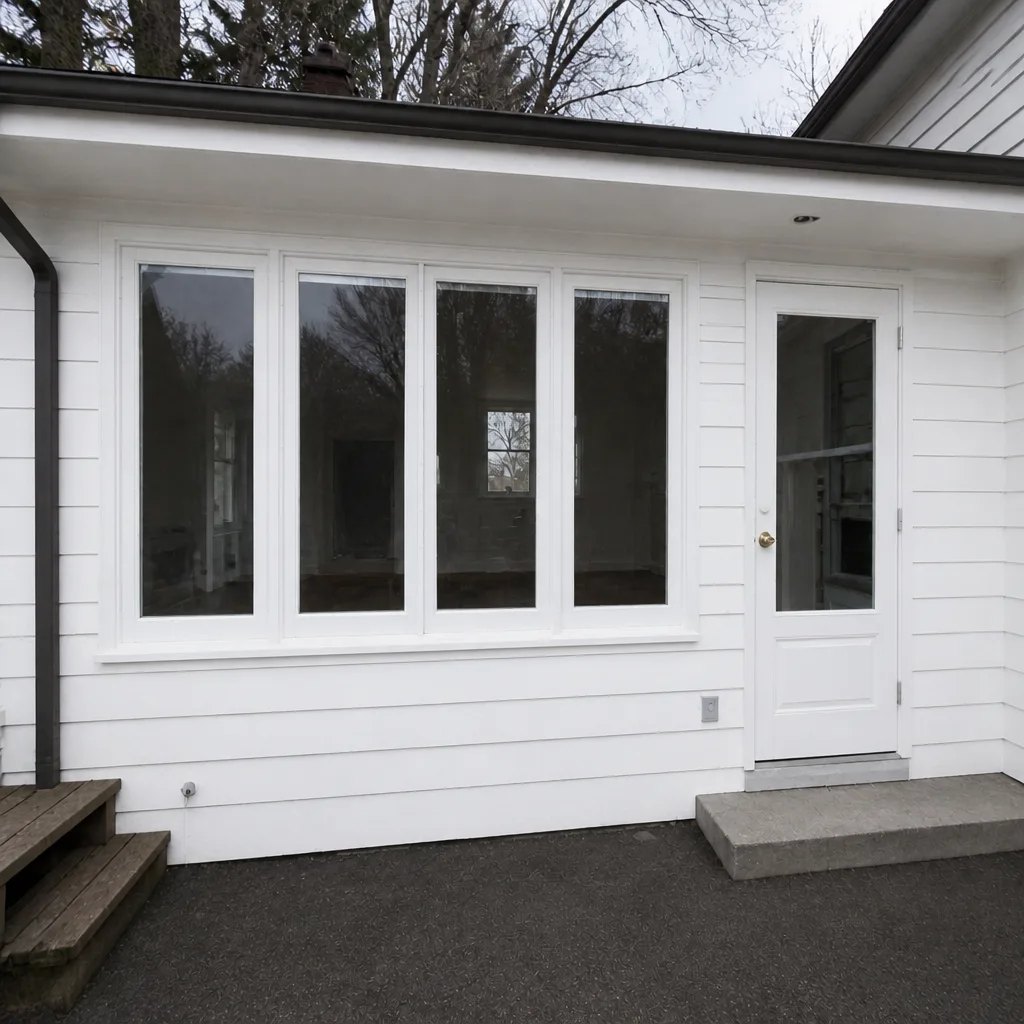 After
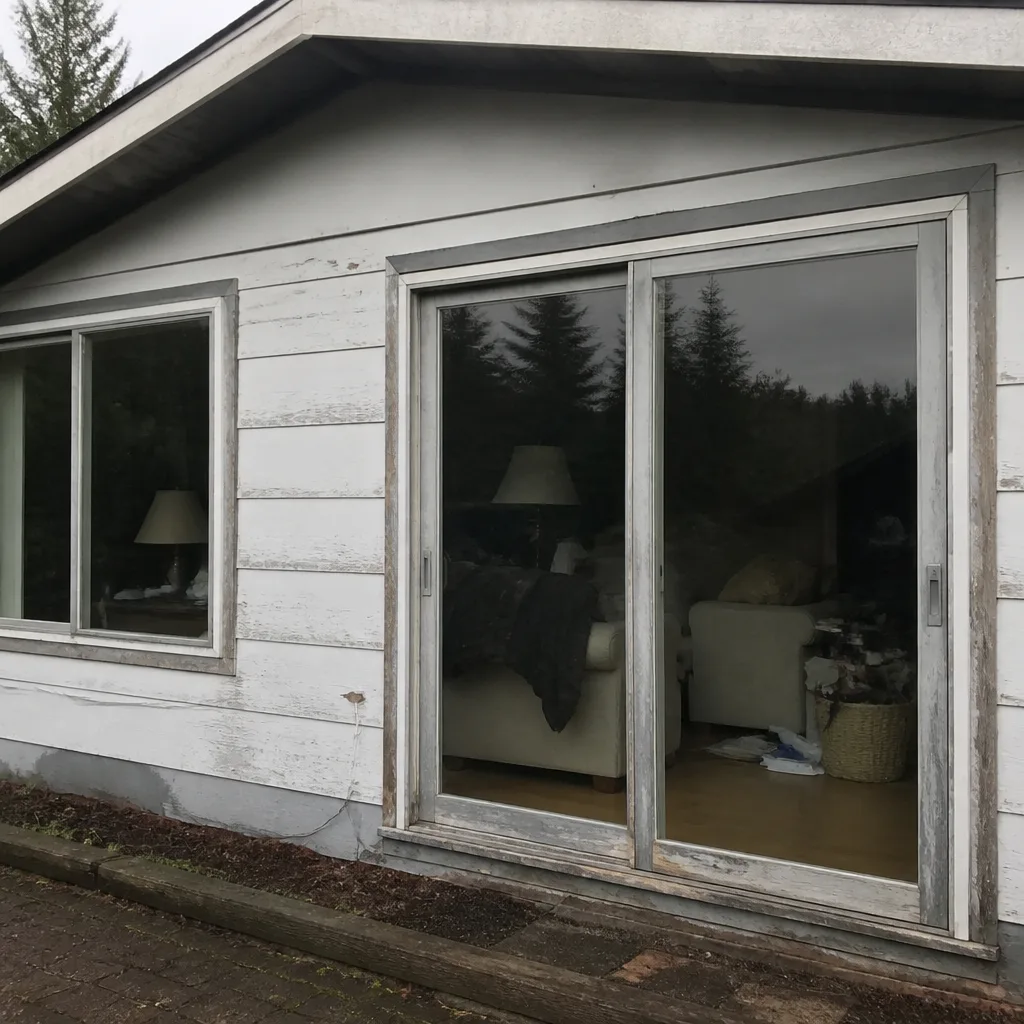 Before
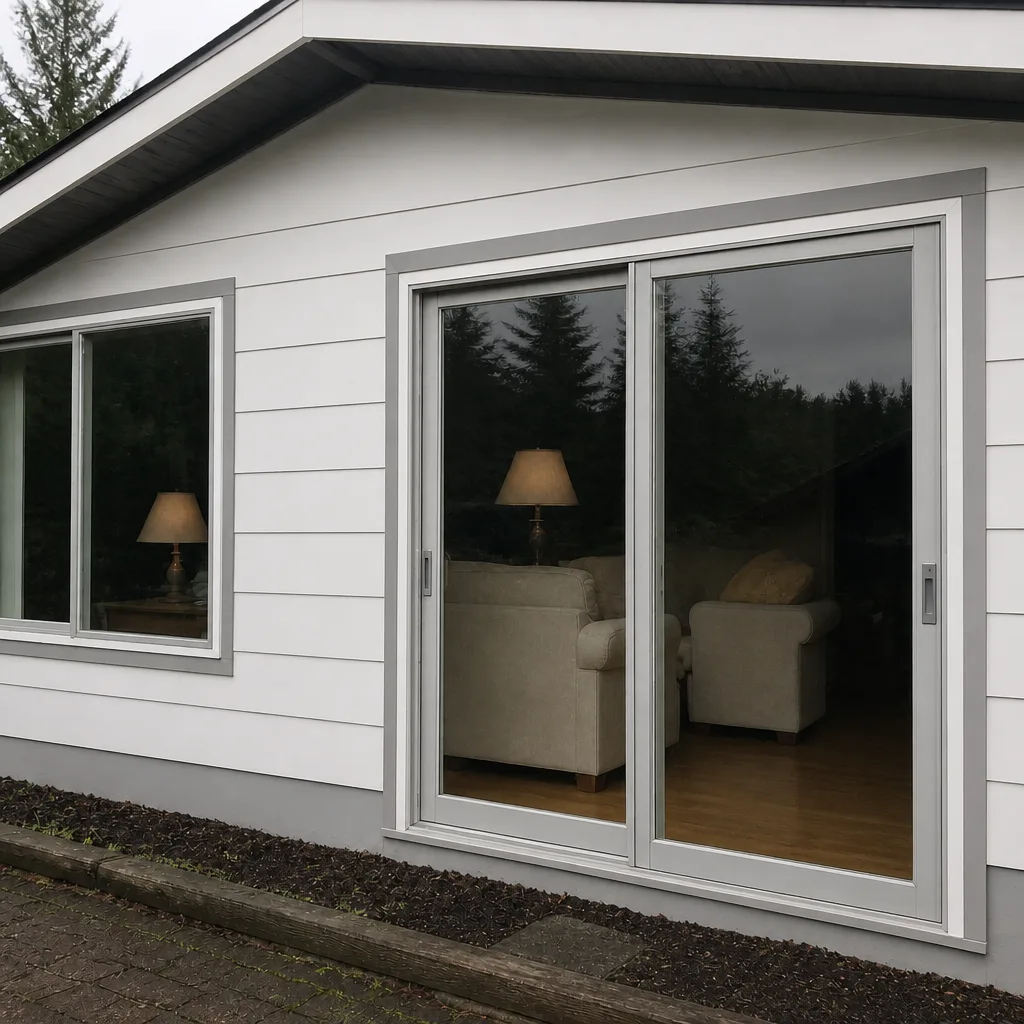 After
When to Call a Professional
If you’ve reached the point of comparing brand names and reading NFRC labels, you’ve moved past a simple fix and into a planned replacement project, and that’s exactly when a real fit analysis pays off. Call a professional when you’re planning to replace several units at once, when you’re bundling windows with a sliding or entry door, when your home’s exposure puts a premium on water management, or when you’re weighing brands and want a contractor who carries more than one. Window Replacement Bellevue offers free estimates in Bellevue – call (425) 699-3164 to schedule yours. Our technicians have up to 10 years of experience, and we bring a portfolio of competing manufacturers to the conversation so the recommendation follows your home rather than a catalog.
Frequently Asked Questions
There isn’t one. The best brand for your Bellevue home is the one that matches your home’s age, orientation, exposure to wind-driven rain, target U-factor, and how long you plan to stay. Compare brands on air infiltration, water resistance, U-factor, and hardware durability rather than on general reputation. Call (425) 699-3164 for a free fit analysis.
No. Impact ratings test what happens when an object strikes the glass; water resistance tests how the assembly handles driven rain. A product can be excellent at one and only average at the other. In Bellevue’s wind-driven rain, water management at the sill matters as much as impact strength, so read the NFRC and AAMA labels together. Call (425) 699-3164 to talk through which axis matters most for your home.
We’re an authorized installer for PGT, CGI, CWS, ES Windows, ECO Window Systems, Mr-Glass, Therma-Tru, and ViewLux, spanning impact-rated, energy-efficient, and architectural lines. Carrying competing manufacturers means the recommendation can follow your home’s needs rather than a single supplier’s catalog. Call (425) 699-3164 for a free estimate.
Not always, but there are real reasons to consider them beyond hurricane protection. Impact-rated assemblies also deliver strong wind performance, better acoustic damping, and more consistent behavior under sustained pressure, which can suit exposed elevations. Whether it’s worth the tier depends on your orientation and goals. Call (425) 699-3164 to talk it through.
It varies by manufacturer and usually refers to the original purchaser’s lifetime, not the product’s. Glass breakage and certain hardware failures are commonly excluded, and transferability varies. Ask for the actual document and check who performs warranty service locally before you compare brands on coverage. Call (425) 699-3164 for help reading the fine print.
Yes, and it’s worth doing. Coordinating window replacement with sliding and entry door replacement on one contract avoids the handoff gaps between trades and lets the brands match across the whole elevation. We handle both scopes. Call (425) 699-3164 for a free estimate.
The Bottom Line
Brand selection should be a fit analysis, not a features comparison. Rank brands on air infiltration, water resistance, U-factor, and hardware durability in wet conditions, read the NFRC and AAMA labels together, and match the product to your home type, exposure, and performance priorities. Treat “lifetime warranty” as a document to read, not a phrase to trust, and insist your contractor explain why a brand fits your home and why the alternatives don’t. If you’re planning window replacement as a deliberate project rather than an emergency, do the comparison once and do it right. The right product for your home is the one that fits it, not just the one that’s on hand.
We carry PGT, CGI, CWS, ES Windows, ECO Window Systems, Mr-Glass, Therma-Tru, and ViewLux so a fit analysis can actually happen. Whether you’re planning window installation during a build or a full envelope upgrade with sliding doors, one contractor covers the scope. Start with a window replacement in Bellevue conversation about brands, not a quote for a single product. For a free estimate on window or door replacement, call Window Replacement Bellevue at (425) 699-3164. We serve replacement and installation projects of three openings or more, and our technicians have up to 10 years of experience. Tell us your home type and exposure, and we’ll tell you which brand fits and why.
Written by the team at Window Replacement Bellevue.