Last updated November 25, 2026
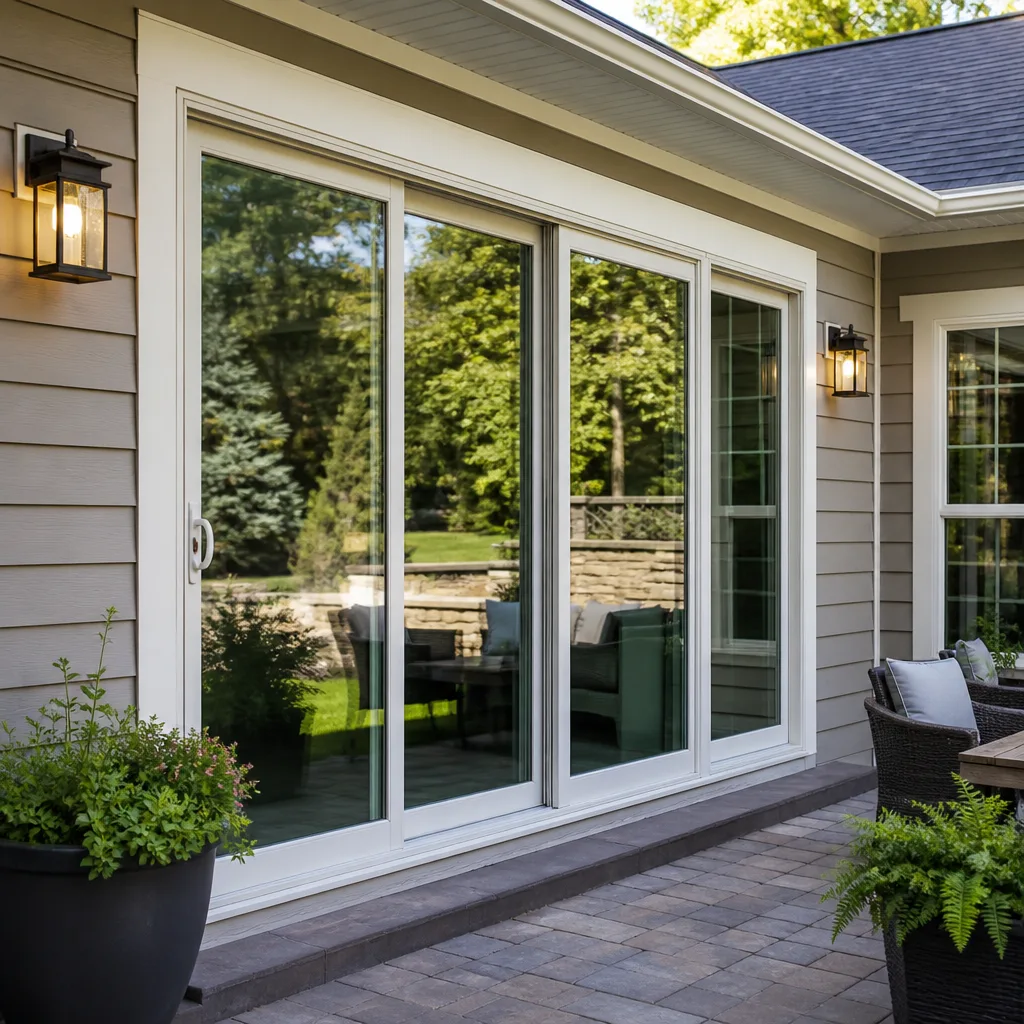 Sliding glass doors
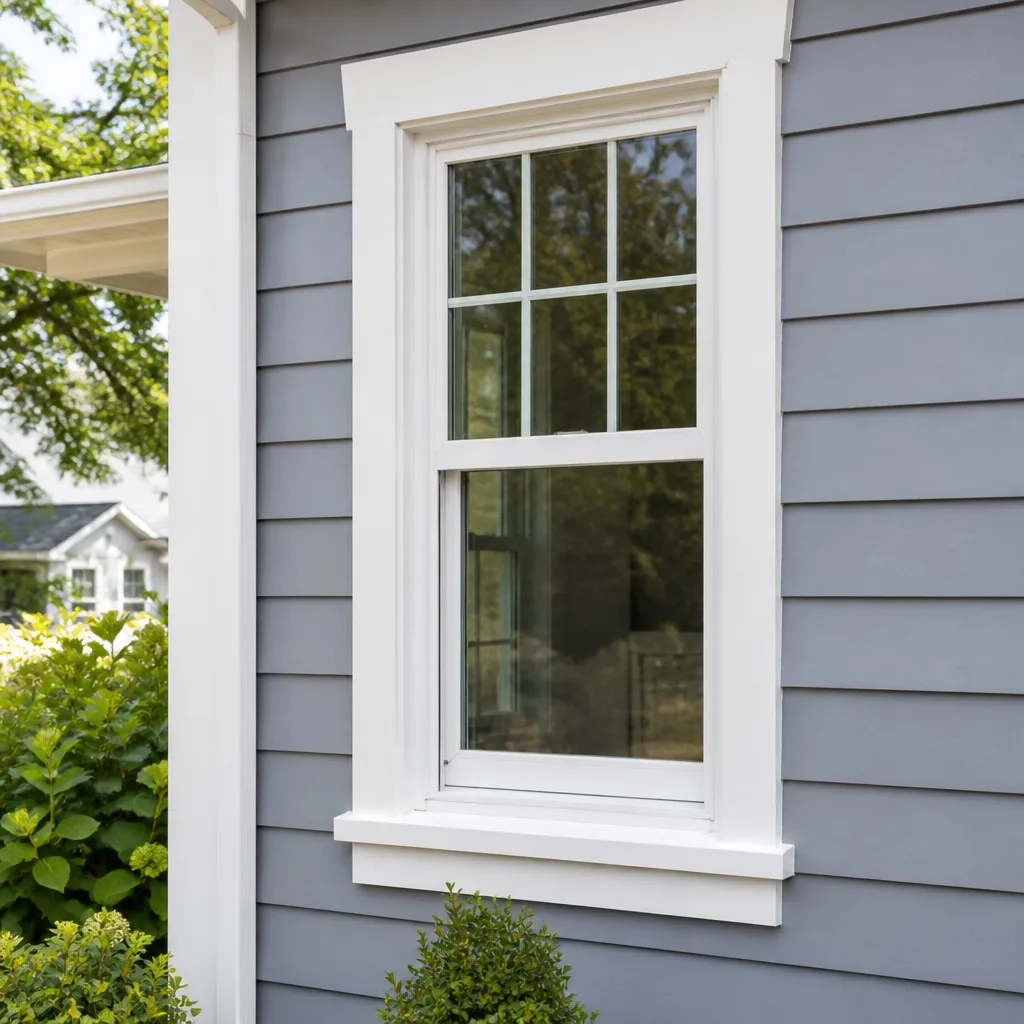 Single hung
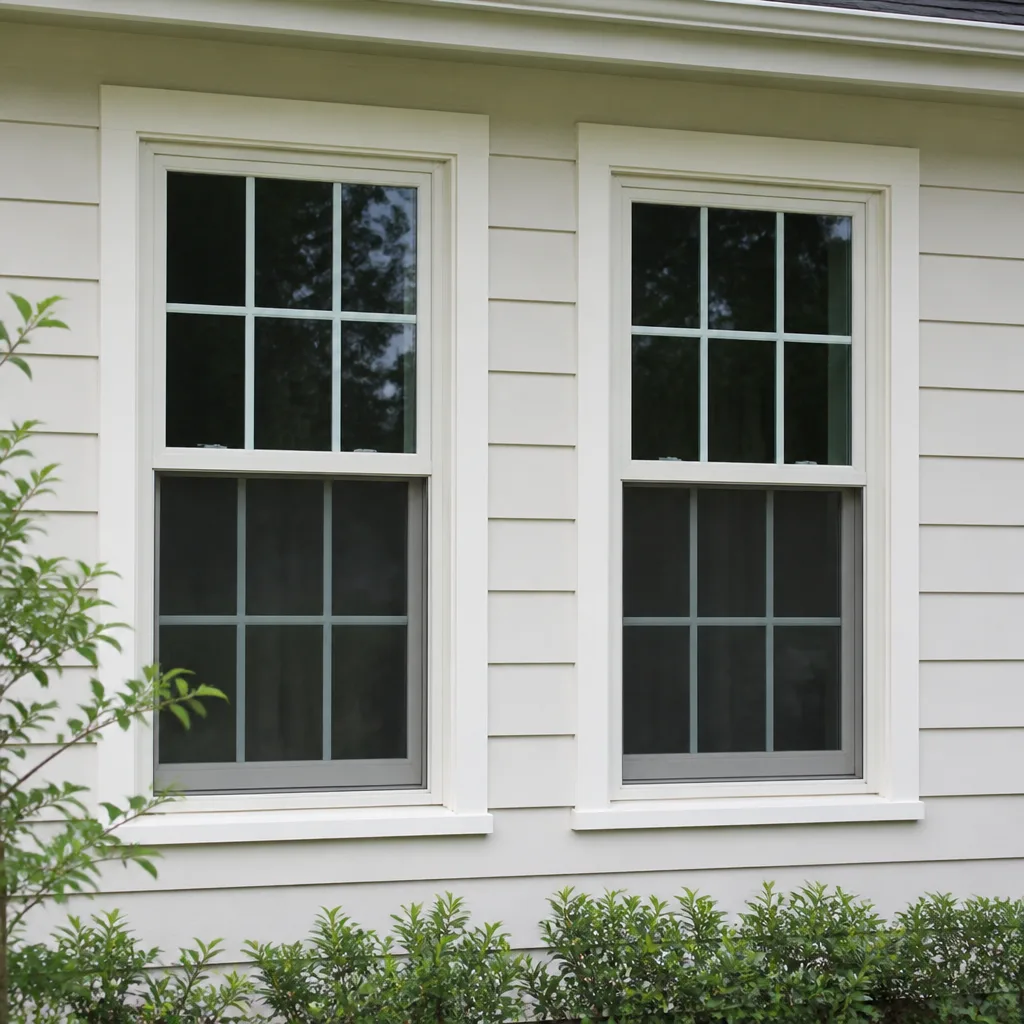 Double hung
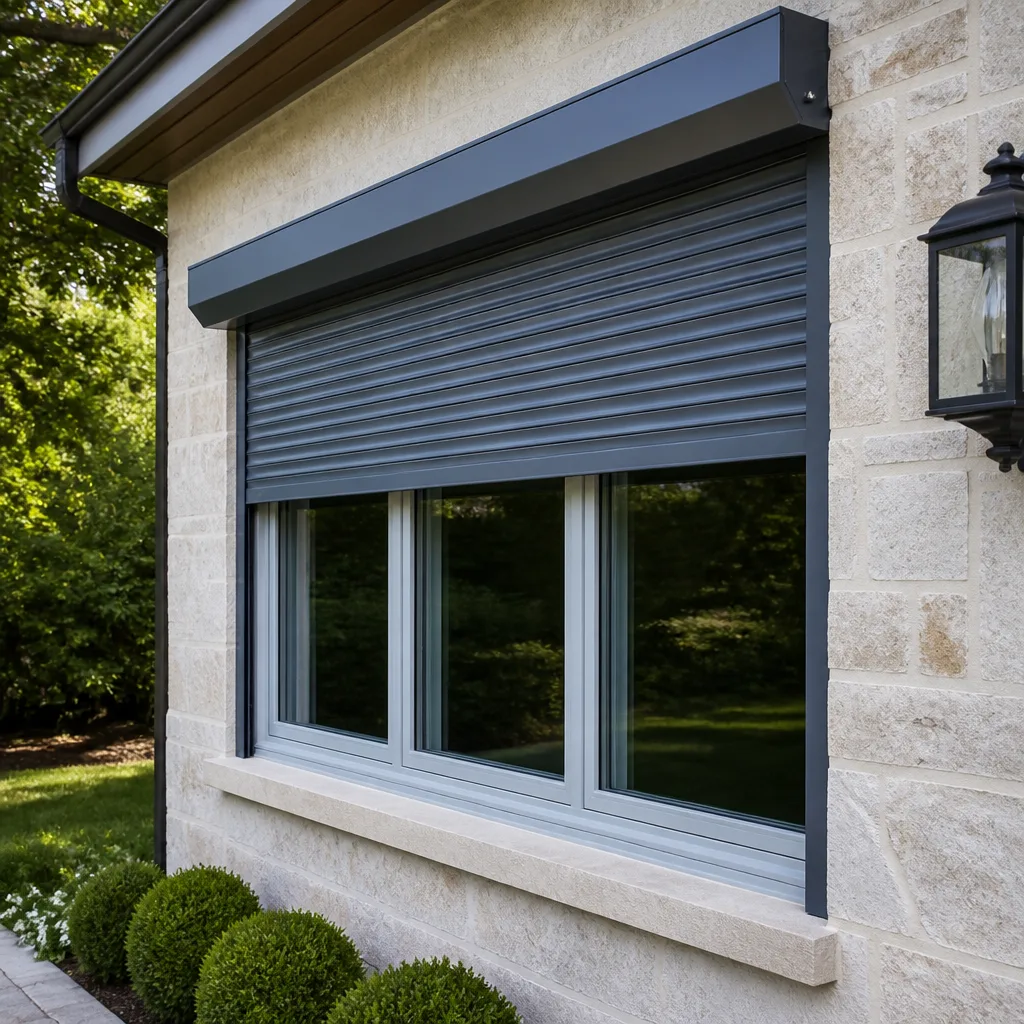 Horizontal roller
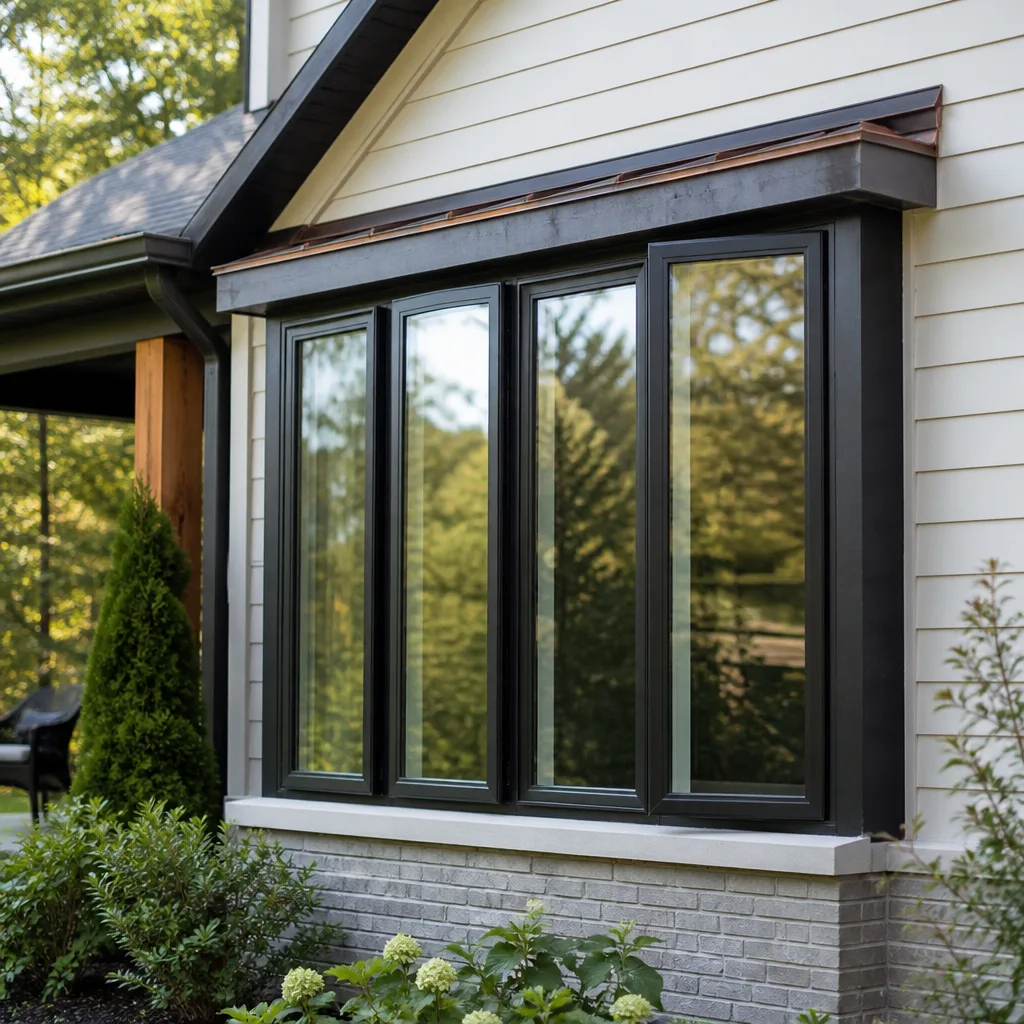 Casement
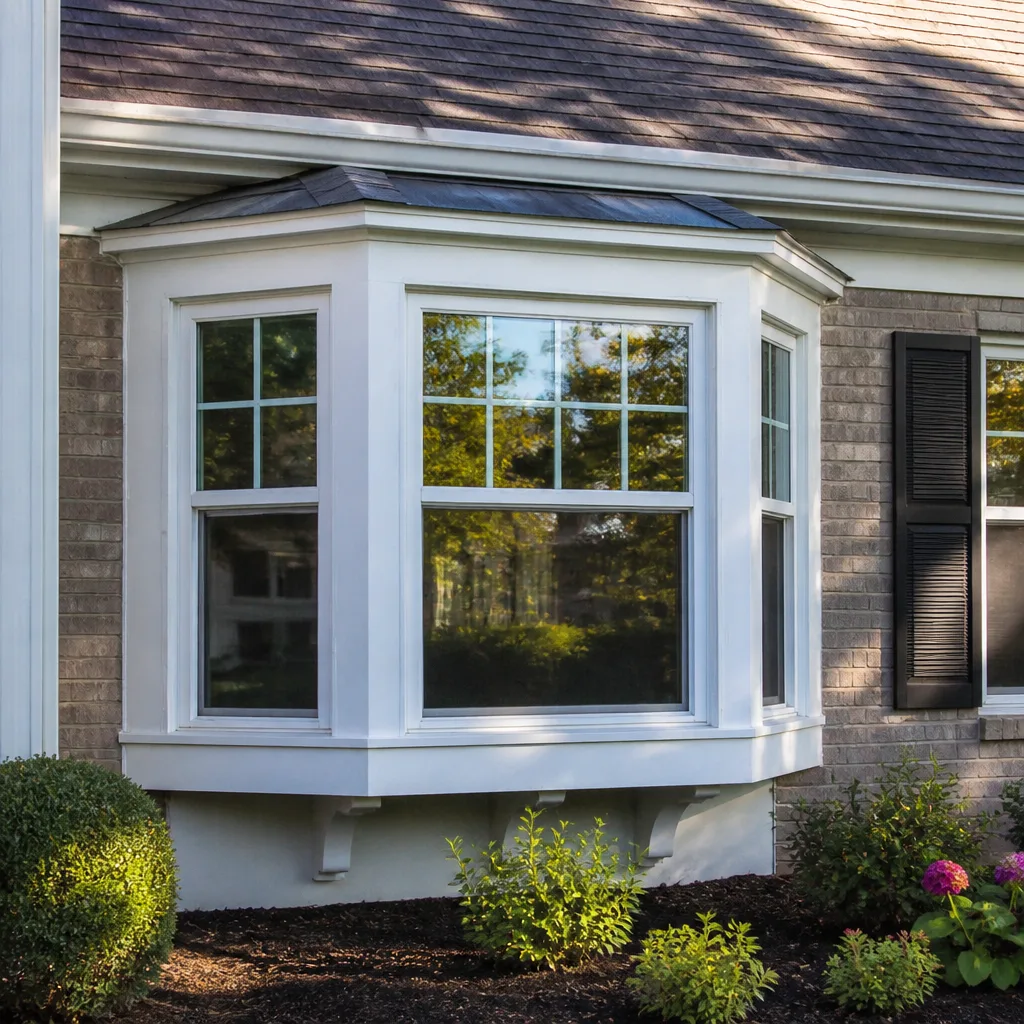 Bay & bow
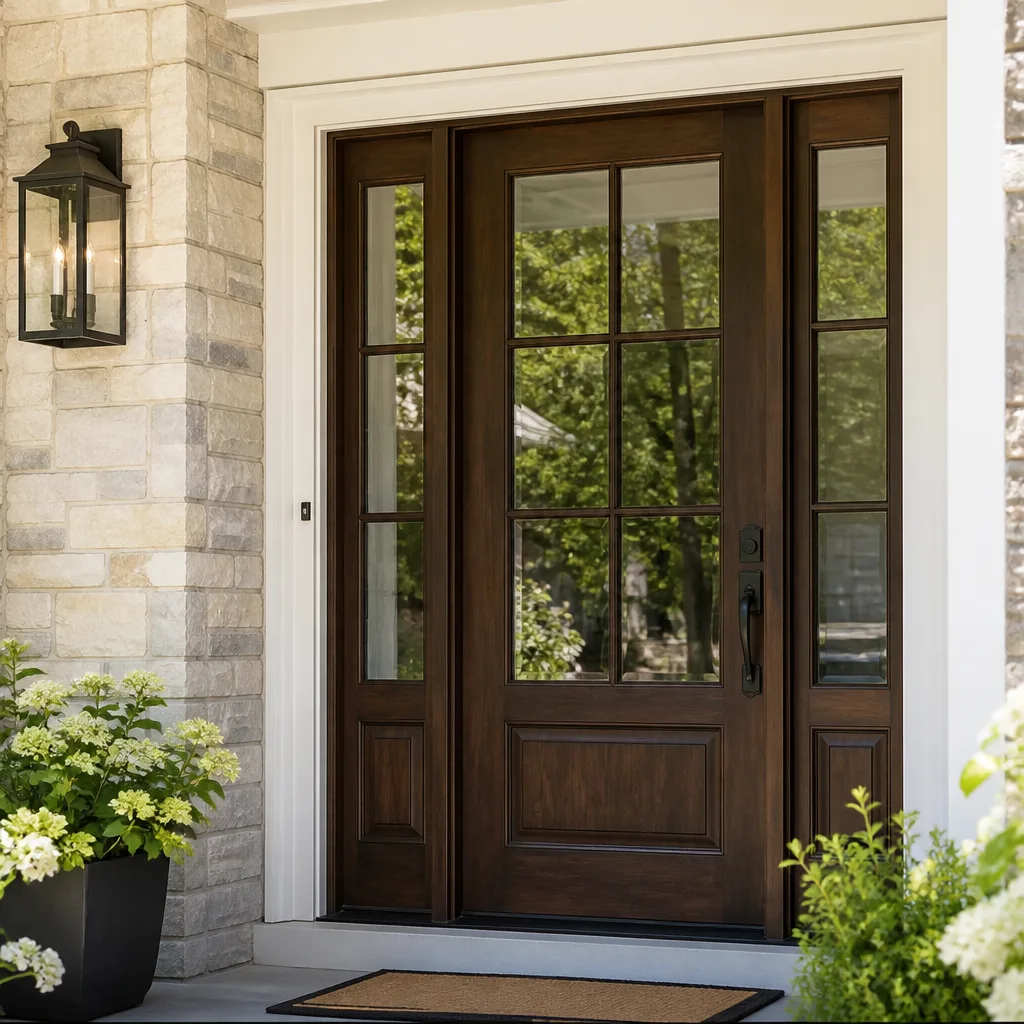 Entry doors
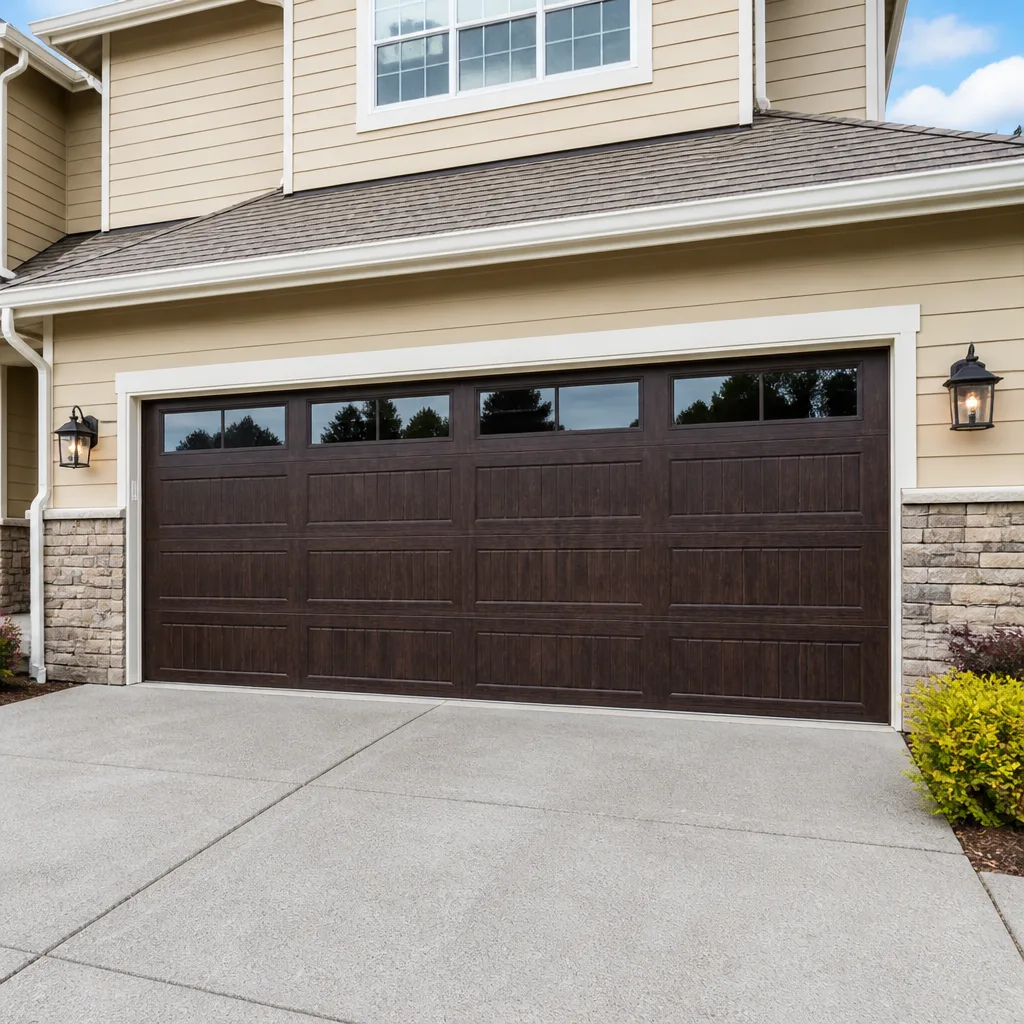 Impact garage doors
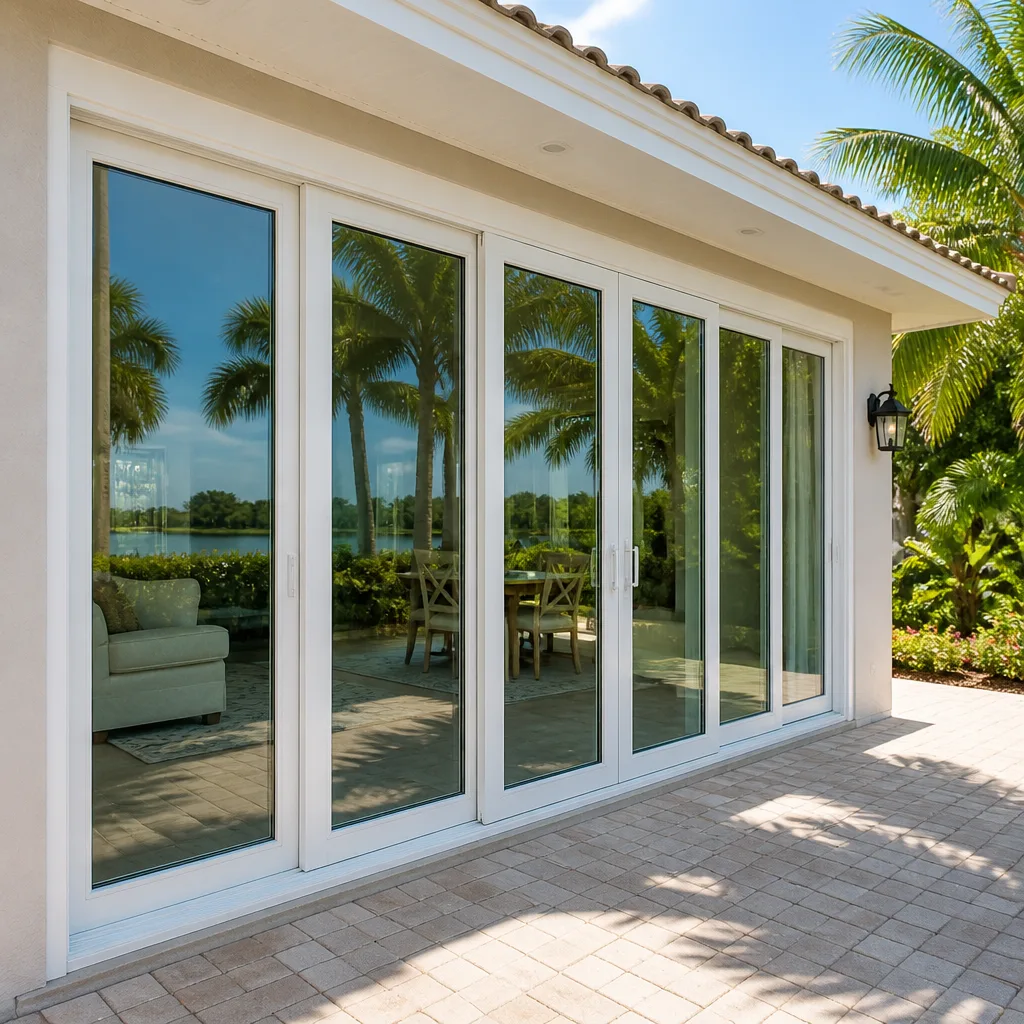 PGT
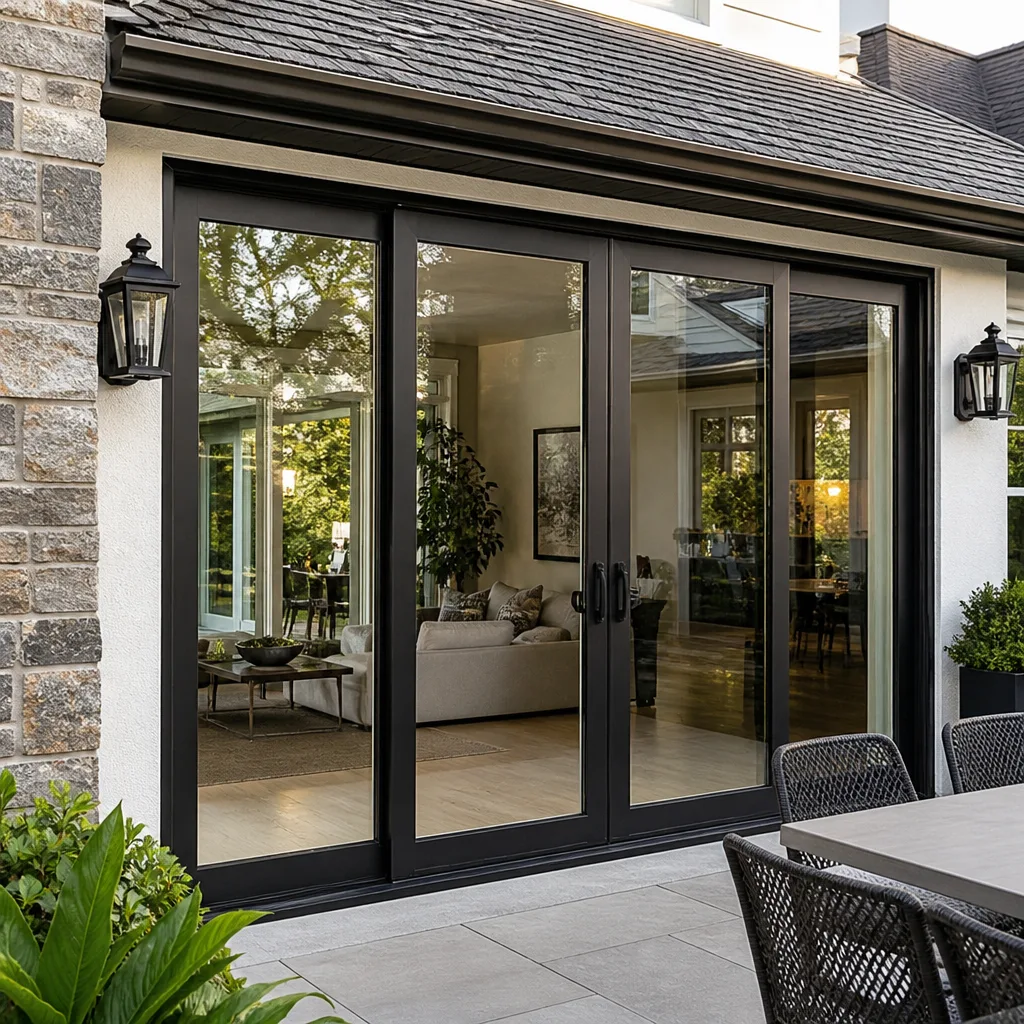 CGI
Free in-home measure and quote - PGT, CGI and CWS impact lines compared on your actual openings, style by style
Get your free estimateThe Complete Guide to Windows & Doors in Bellevue
Bellevue averages around 38 inches of rain a year, and much of it arrives sideways. Yet most window replacement guides are written as if the biggest threat to your home is summer heat gain. That mismatch matters here. Windows and doors in Bellevue have to survive wind-driven rain pushing against west-facing walls, a real thermal swing between seasons, and energy code requirements that are stricter than what many sales pitches assume. This guide maps those local conditions to the specifications that actually determine how a window or door performs in this city, so you can evaluate any brand against real criteria instead of marketing language.
Quick Answer
For Bellevue homes, the windows and doors that perform best are the ones built for wind-driven rain and real seasonal temperature swings: a low whole-unit U-factor, a tight air-infiltration rating, thermally broken frames, and proper flashing and installation details that keep water out of the wall assembly. Washington’s energy code sets the minimums that qualify for permit approval, and impact-rated, thermally broken, and triple-pane options each solve a different problem. The right choice depends on your home’s orientation, age, and wall construction, not on a single brand’s brochure.
Styles & brands we work with
- Single hung
- Double hung
- Horizontal roller
- Casement
- Bay & bow
- Sliding glass doors
- Entry doors
- Impact garage doors
- PGT
- CGI
Table of Contents
- How Bellevue’s Climate Sets the Real Requirements
- Impact-Rated, Thermally Broken, and Triple-Pane: Which Bellevue Homes Benefit
- What Washington’s Energy Code Requires – and What a Salesperson Can’t Change
- The Five-Number Scorecard to Compare Before You Sign
- Why Doors Are Often the Bigger Vulnerability in Older Bellevue Homes
- How a Window and Door Replacement Project Actually Runs
- Comparing Brands Without Getting Sold a Single Catalog
How Bellevue’s Climate Sets the Real Requirements
Bellevue sits in a Marine West Coast climate, which maps to ASHRAE climate zone 4C. That classification sounds technical, but it translates into a specific set of demands. Zone 4C means mild, wet winters and warm, dry summers, with a heating season that dominates annual energy use. In practical terms, your windows spend most of the year keeping heat in and water out, not keeping heat out.
The rain is the part generic guides underweight. In Bellevue, a lot of the annual precipitation arrives as wind-driven rain hitting walls at an angle, often from the west and southwest. That puts real pressure on the joints, seals, and drainage paths of every window and door on those exposures. A window with a great center-of-glass rating can still fail if its frame and installation don’t shed water properly. Air infiltration ratings, which measure how much air leaks around the operable parts and frame, matter as much here as the U-factor that salespeople tend to lead with.
Then there’s the thermal swing. Bellevue homes see meaningful temperature variation between winter lows and summer highs, and that cycle works on frames, seals, and hardware. Materials that expand and contract at different rates can open small gaps over time. Thermally broken aluminum frames, vinyl systems with multi-chamber construction, and properly sealed units handle that movement far better than poorly built assemblies.
What this means for a Bellevue homeowner shopping for Window Replacement Bellevue is simple. Ask about air infiltration and water resistance, not just the glass package. The west-facing walls of a home in the Bridle Trails area or near Lake Sammamish take more weather than a sheltered east wall, and a good contractor will account for that when specifying products. Orientation, exposure, and wall assembly all feed into the recommendation.
Impact-Rated, Thermally Broken, and Triple-Pane: Which Bellevue Homes Benefit
Three configurations come up constantly in window shopping, and they solve different problems. Knowing which is which keeps you from paying for capability your home doesn’t need, or skipping capability it does.
- Impact-rated: These units are built to resist wind-borne debris and storm loading, with laminated or reinforced glazing and sturdier frames. In a wind-exposed Bellevue home on an open lot or a higher elevation, impact-rated product adds a layer of structural and weather resilience that standard units don’t. PGT and CGI are benchmarks in this category, which is why we carry both.
- Thermally broken: The frame contains a barrier that separates the interior and exterior surfaces so heat doesn’t conduct straight through the metal. On aluminum-framed systems especially, this makes the difference between a frame that sweats and one that doesn’t. It’s a good fit for Bellevue homes that want large glass areas without a bulky frame profile.
- Triple-pane: Three panes of glass with two insulating gaps give the highest thermal performance and the best sound reduction. It’s worth the extra cost when you’re facing a busy road, want maximum energy efficiency, or have rooms that run cold. For a sheltered interior wall, a well-built double-pane unit with a low U-factor often does the job for less.
Matching the Configuration to the Home
In Bellevue, a mid-century home with a lot of original single-pane glass and modest wall insulation usually sees the biggest gain from a solid double-pane thermally broken system installed correctly. A newer custom home with large glazed walls and an open western exposure benefits more from impact-rated or high-performance triple-pane units because the glass area is doing so much of the envelope work.
There’s no universal answer. The right product for your home is the one that fits its exposure and construction, not just the product that happens to be in stock. A contractor carrying several brands can match the configuration to the situation instead of steering you toward one catalog.
What Washington’s Energy Code Requires – and What a Salesperson Can’t Change
Washington’s energy code sets the minimum performance a window or door must meet to be approved during a permit review. That’s the key distinction: whether a product qualifies for permit approval is a code question, and no salesperson’s pitch overrides it. A window that looks impressive on a showroom floor still has to meet the code’s U-factor and other requirements to pass inspection.
The code requirements differ by climate zone, and Bellevue falls in zone 4C. That means the thresholds for window performance here aren’t identical to every neighboring microclimate, and a product specified for a different zone may not clear the bar here. This is one reason a guide written for a national audience can steer you wrong: the passing numbers are local.
Here’s the practical sequence for a Bellevue project:
- Confirm the code requirements that apply to your home and project type before you compare products. Your contractor should be able to tell you the U-factor and other thresholds the permit will be checked against.
- Check that each product you’re considering meets those thresholds using its published performance data, not a verbal claim. The numbers on the spec sheet are what the building department reviews.
- Make sure the permit is pulled and the work is inspected. A window replacement that skips the permit can create problems at resale and leaves you without the inspection that confirms the installation meets code.
Because the code is a moving target and details vary by project, the honest answer is to have your contractor verify the current requirements for your specific scope rather than rely on a number printed in an article. What we can tell you is that carrying multiple brands, including lines like CWS and ES Windows, means we can find a product that meets the requirement and fits the budget rather than forcing one option to work. For a fuller picture of the permitting side, see our guide to window replacement.
The Five-Number Scorecard to Compare Before You Sign
Window spec sheets are dense, and most of the numbers on them don’t change your decision. Five of them do. Compare these across any two products and you’ll understand the real trade-offs without a sales pitch.
- U-factor: How well the whole unit resists heat loss. Lower is better in a heating-dominated climate like Bellevue’s. Compare whole-unit U-factor, not just the center-of-glass number, because the frame and edges are where heat actually escapes.
- Solar Heat Gain Coefficient (SHGC): How much solar heat the window lets in. In zone 4C you want a balanced number – enough to gain some winter warmth, not so much that summer rooms overheat. It’s one place where copying a hot-climate spec goes wrong.
- Air infiltration: How much air leaks around the operable parts. This is the number that matters most in a windy, wet climate, and it’s the one salespeople skip. Lower is better, and it directly affects both comfort and energy bills.
- Water resistance / design pressure rating: How the unit performs under wind-driven rain and pressure. Given Bellevue’s horizontal rain, a higher rating on exposed walls is worth asking about specifically.
- Condensation resistance: How well the unit resists moisture forming on interior surfaces. In a damp climate with cool nights, a higher rating means fewer foggy mornings and less moisture trouble around frames.
Write these five numbers down for every product you’re quoted and put them side by side. When two quotes look similar on price but differ on air infiltration or design pressure, you’ve found the real difference. A brand-agnostic consultation makes this possible, because you’re comparing products from competing manufacturers rather than accepting one catalog’s framing.
Why Doors Are Often the Bigger Vulnerability in Older Bellevue Homes
Homeowners researching windows often overlook the openings that lose the most conditioned air and offer the easiest path in for water and intruders: the doors. In Bellevue homes built before 2000, patio sliders and entry doors are frequently the weak point in the envelope. Older sliding doors in particular tend to have worn tracks, thin frames, and seals that have long since given up. They rattle in the wind, leak air, and let water pool where the sill meets the exterior.
This is why we treat the envelope as one system. Replacing windows while leaving a tired patio door in place leaves a gap in both performance and security. Sliding and entry door replacement is part of the same scope, and it lets a homeowner finish the whole project under one contract instead of coordinating a window installer and a door installer who never quite align.
For entry doors, the brand choice matters to both curb appeal and security. Therma-Tru is independently ranked among the top-tier entry door manufacturers in the U.S., and it’s a strong fit for Bellevue homes where the front door is doing real thermal work as well as setting the look of the house. Patio door systems from lines like ECO Window Systems and ViewLux address the large glazed openings that dominate heat loss on the back of many Bellevue homes.
If your home has a French or sliding door that’s original to a pre-2000 build, put it on the same evaluation list as your windows. Door replacement in Bellevue is one of the highest-return envelope upgrades, and handling it alongside the windows keeps the flashing, weather barrier, and finish details consistent across the whole wall. You can read more about that scope on our door replacement page.
How a Window and Door Replacement Project Actually Runs
Knowing what a project involves makes the whole process less mysterious and helps you ask better questions. Here’s how a typical window and door replacement in Bellevue runs, start to finish.
- In-home assessment. We measure every opening, note the wall construction, and look at exposure and orientation. West-facing walls get more scrutiny because of wind-driven rain.
- Product recommendation with reasoning. We match brands and configurations to what the home actually needs, then explain why each pick fits. You see the spec numbers, not just a price.
- Written line-item estimate. The estimate breaks out products, labor, and installation details so nothing is hidden. The written estimate sets the final price.
- Permit and code check. We confirm the products meet Washington’s energy code requirements for the project and pull the permit so the work gets inspected.
- Installation. The crew removes the old units, addresses any rot or flashing issues in the opening, installs the new products with proper weather sealing, and finishes the interior and exterior trim.
- Inspection and walkthrough. The inspection confirms the installation meets code, and we walk the finished work with you so you know what’s been done and what to expect.
Most of the surprises that come up in a replacement project happen behind the wall – rotted framing, missing flashing from an earlier job – so we plan time to address them rather than pretending they won’t appear. For a closer look at installation specifics, see our page on window installation.
Our technicians have up to 10 years of experience, and we take window and door projects of three openings or more. If you’re planning a single window, we’ll point you in the right direction, but our work is built around whole-home and multi-opening projects where getting the envelope details right together makes the difference.
Comparing Brands Without Getting Sold a Single Catalog
Most window contractors carry one or two product lines, so every home gets the same recommendation. We take a different approach. We’re an authorized installer across eight window and door brands – PGT, CGI, CWS, ES Windows, ECO Window Systems, Mr-Glass, Therma-Tru, and ViewLux – and that breadth changes how a recommendation gets made.
Carrying competing manufacturers means we can match a product to your budget, performance tier, and aesthetic rather than moving you toward one supplier’s catalog. If a home needs impact-rated glazing on an exposed wall but energy-efficient units elsewhere, we can specify both. If a homeowner wants a particular look for the front of the house, we can source a designer line for that elevation. The product follows the requirements.
It also means you can compare products honestly. When a salesperson represents a single brand, every question ends at that brand. When the portfolio spans impact-resistant, energy-efficient, and architectural lines, the conversation is about which specification fits – and the numbers on the spec sheet become the deciding factor. PGT and CGI are industry benchmarks for high-performance glazing, so we can speak to demanding structural and weather-resistance requirements directly. Therma-Tru covers the entry door side where curb appeal and security meet. The rest of the portfolio fills in the middle ground so there’s a fit at every performance level.
If you’d like to see how the brand-to-need mapping works in practice, or want help building your scorecard, that’s exactly what a free consultation is for. We’ll tell you which brand fits your project and why.
Common Mistakes to Avoid
- Comparing center-of-glass ratings only. The whole-unit U-factor and air infiltration numbers are what determine real performance in Bellevue’s climate. A great glass number paired with a leaky frame doesn’t solve the problem your home actually has.
- Skipping the permit to save time. Washington’s energy code requirements are checked at permit and inspection. A project that skips them can fail a resale inspection years later. Make sure the permit is pulled and the work is inspected.
- Copying a hot-climate spec. A window tuned for summer heat gain in a hot climate is the wrong priority in zone 4C, where heating dominates and rain is the bigger threat. Match the spec to Bellevue’s climate, not a national guide’s.
- Leaving the old patio or entry door in place. In pre-2000 Bellevue homes, doors are often the leakiest part of the envelope. Replacing windows while keeping a worn slider leaves the weakest link untouched.
- Buying on price per unit alone. Two windows at the same price can differ significantly on air infiltration and design pressure. Put the five spec numbers side by side before you decide.
- Trusting a verbal performance claim. Ask for the published spec sheet and check it against the code thresholds your permit will be measured against. What passes the building department is what’s written on the product’s data, not what a salesperson says.
- Coordinating separate window and door contractors. When the window crew and the door crew work separately, the flashing and weather barrier details at the edges don’t always line up. One contractor for both scopes eliminates the handoff gap.
See the difference
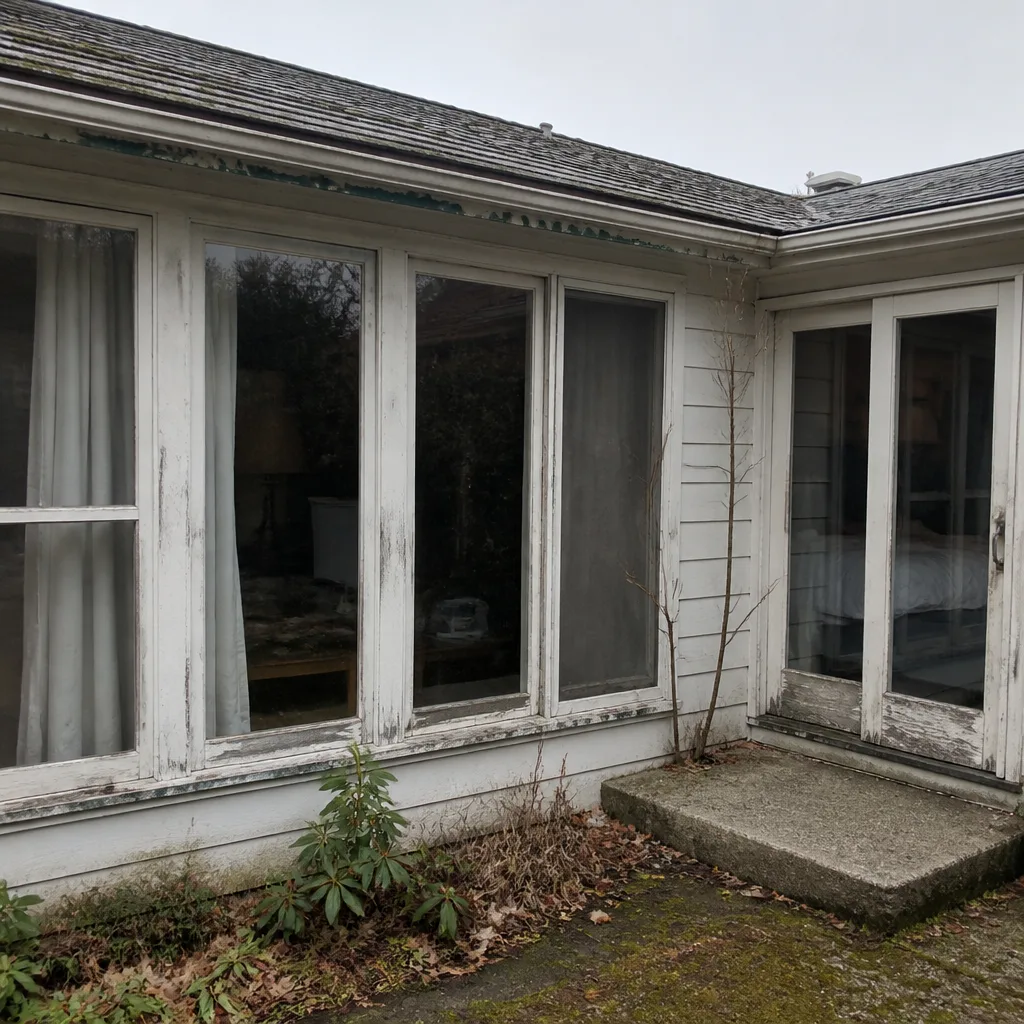 Before
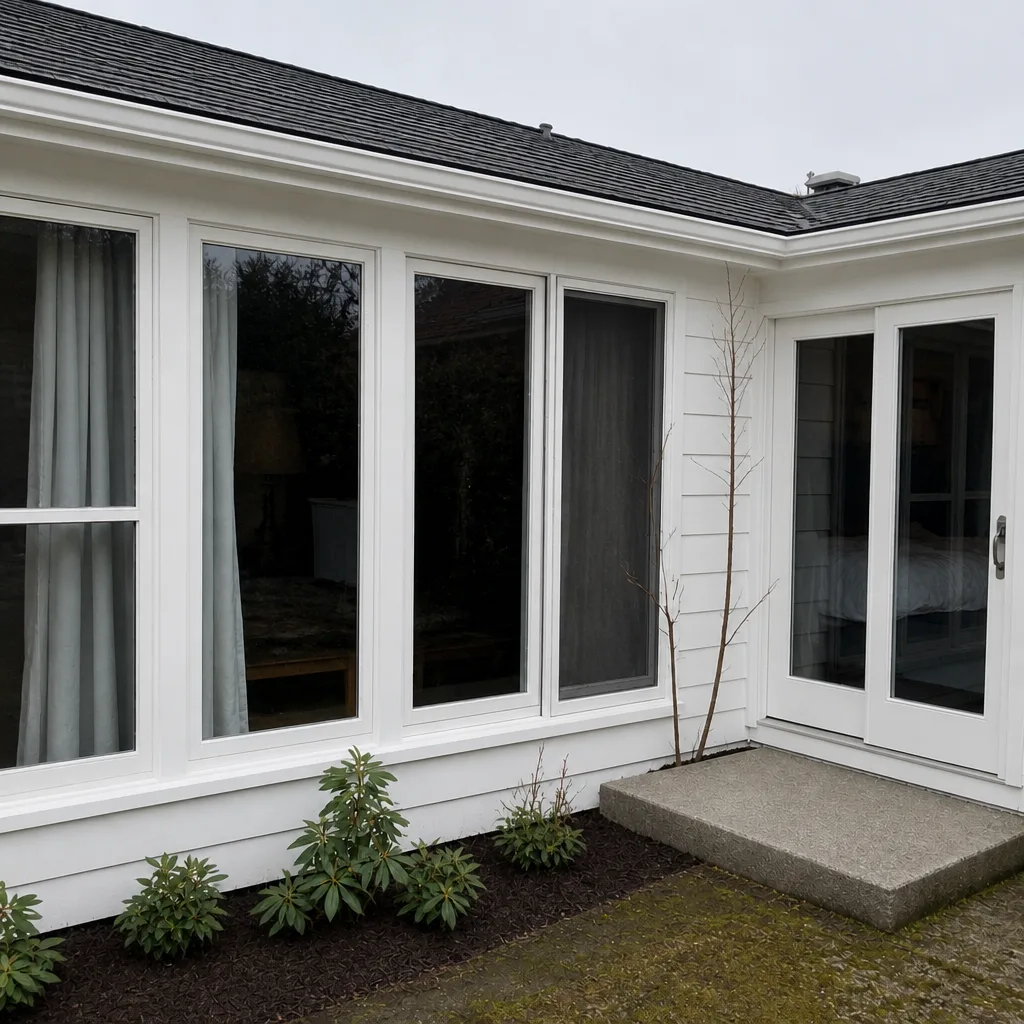 After
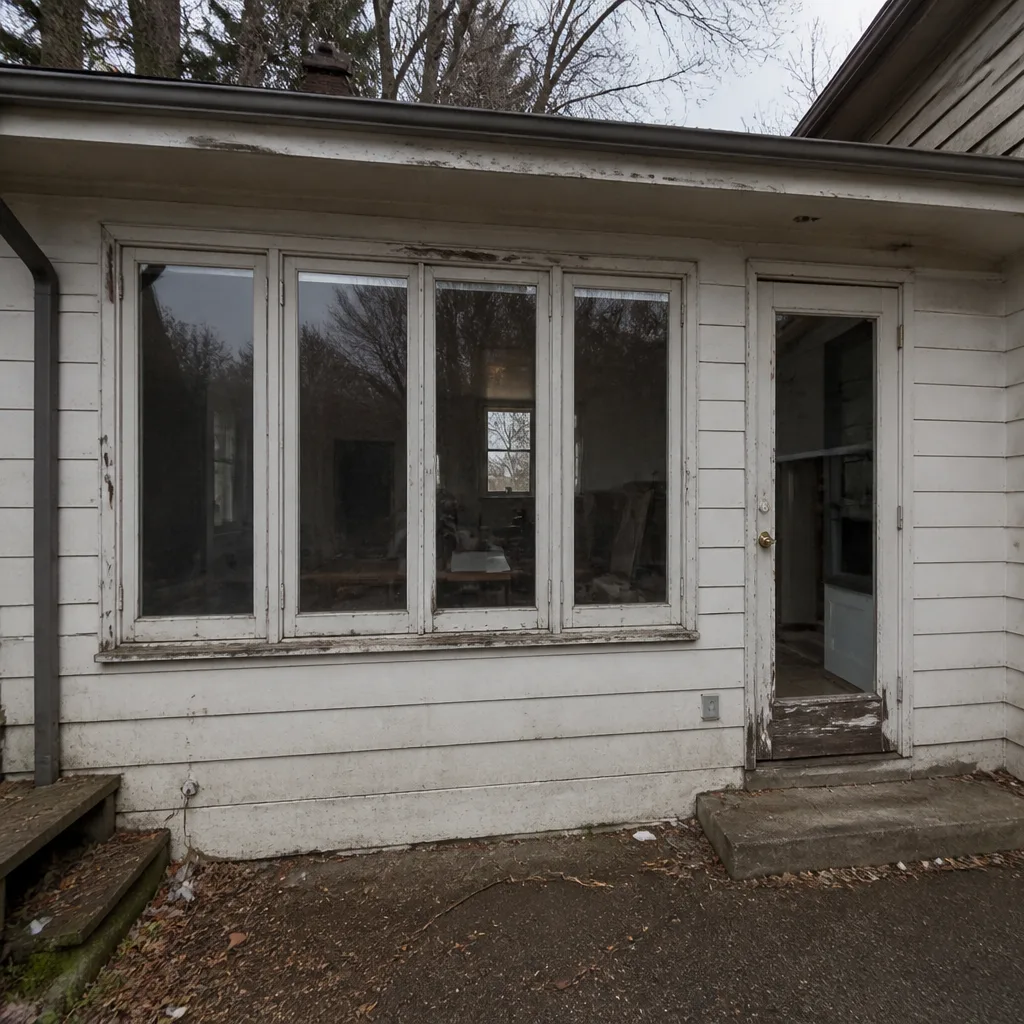 Before
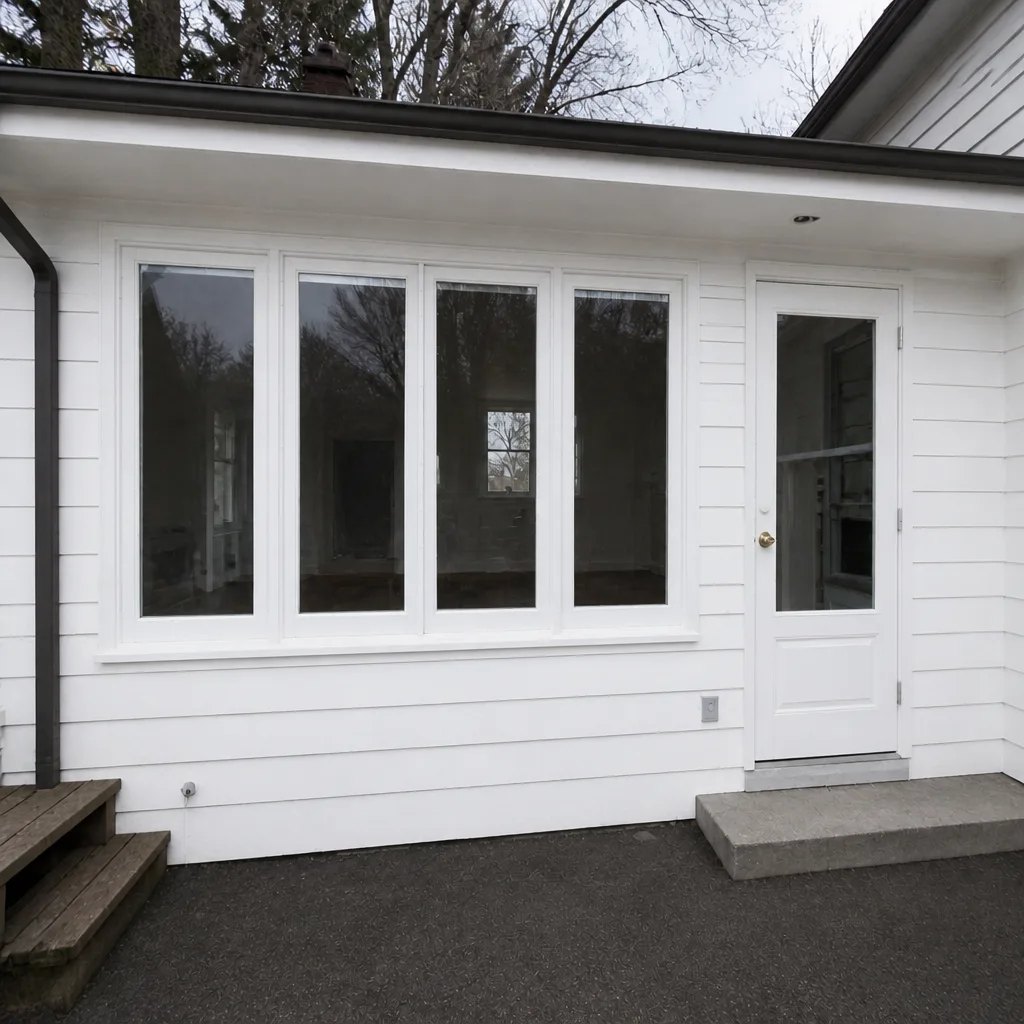 After
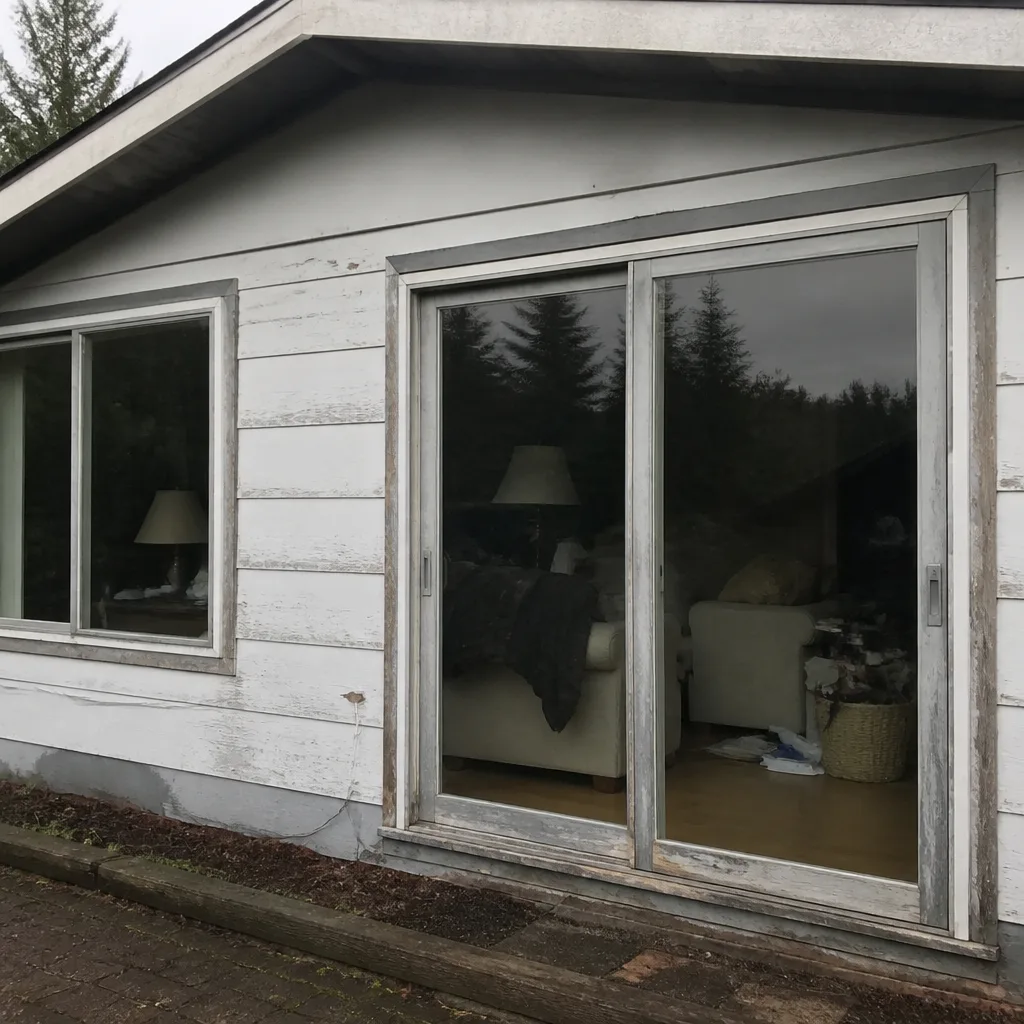 Before
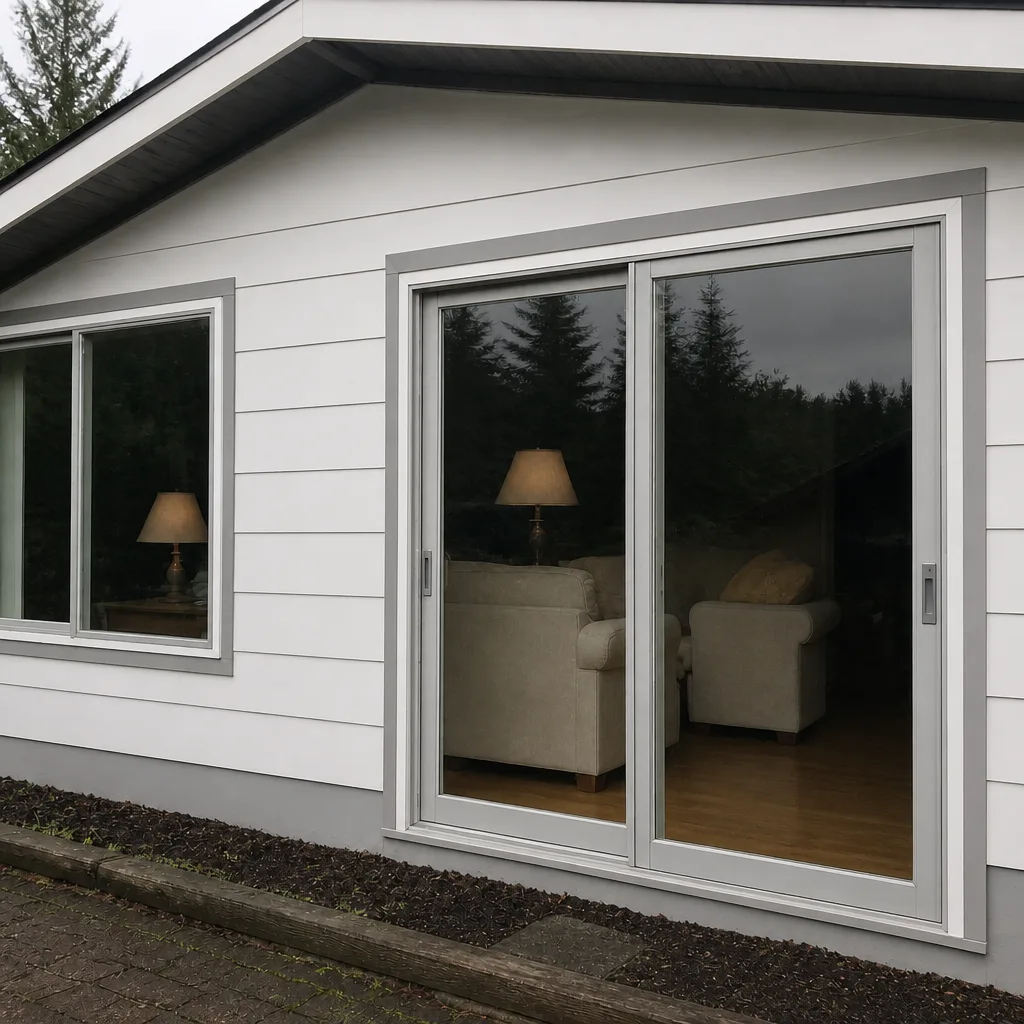 After
When to Call a Professional
Some window and door questions you can answer yourself with a spec sheet and a measuring tape. Others genuinely need a trained eye. Call a professional when you’re seeing condensation between panes that won’t clear, when you can feel air movement around a closed window or door, or when a door no longer latches cleanly and the frame looks out of square. Call when you’re planning a whole-home project and need to confirm which products meet Washington’s energy code for your permit. And call before you sign any contract that isn’t backed by a written line-item estimate, a permit, and a clear brand specification. Window Replacement Bellevue offers free estimates in Bellevue – call (425) 699-3164 to schedule yours.
Frequently Asked Questions
There’s no single number because cost depends on the number of openings, the brand and configuration, and whether rot or framing repairs turn up once the old units come out. We provide a written line-item estimate after an in-home assessment so you see the product, labor, and installation costs spelled out, and that written estimate sets the final price. Call (425) 699-3164 for a free, no-pressure estimate.
In most cases yes, and the permit is where Washington’s energy code requirements get checked. The products have to meet the U-factor and other thresholds set for climate zone 4C before they’ll pass inspection. We confirm the code requirements for your project and pull the permit so the work is inspected properly. Call (425) 699-3164 to talk through your project.
We’re an authorized installer across eight brands: PGT, CGI, CWS, ES Windows, ECO Window Systems, Mr-Glass, Therma-Tru, and ViewLux. That spans impact-rated, energy-efficient, and architectural lines so we can match a product to your home’s needs rather than push a single catalog. Call (425) 699-3164 and we’ll walk you through which brands fit your project.
Triple-pane gives the highest thermal performance and sound reduction, which is worth it if you face a busy road or want the coldest rooms warmer. For sheltered walls, a well-built double-pane unit with a low U-factor often does the job for less. It depends on the room, the exposure, and your goals. Call (425) 699-3164 for help matching the configuration to your home.
Often yes, especially in Bellevue homes built before 2000, where original sliding and entry doors tend to have worn seals, thin frames, and sills that let water in. Addressing doors and windows together keeps the whole envelope consistent and avoids a handoff between trades. Call (425) 699-3164 to schedule a free estimate for both scopes.
Our projects start at three openings or more. Whole-home and multi-opening jobs let us get the flashing, weather barrier, and finish details right across the entire wall, which is where long-term performance comes from. If you’re planning a larger replacement or install, call (425) 699-3164 for a free estimate.
The Bottom Line
Windows and doors in Bellevue face a specific set of conditions – wind-driven rain, a real seasonal thermal swing, and strict energy code requirements – and the products that perform here are the ones specified for those conditions, not for a generic national climate. Compare whole-unit U-factor, air infiltration, water resistance, and condensation resistance, not just the glass. Confirm the products meet the code your permit will be checked against. And don’t leave your doors out of the plan, because in older Bellevue homes they’re often the weakest part of the envelope. Match the product to the home, and the numbers will back up the recommendation.
Window Replacement Bellevue installs and replaces windows and doors across Bellevue, with impact-rated, energy-efficient, and architectural lines from eight brands. We keep the whole envelope under one contract and give you a written line-item estimate before anything begins. Call (425) 699-3164 for a free estimate and a clear answer on which brand fits your project and why.
Written by the team at Window Replacement Bellevue.