Last updated November 25, 2026
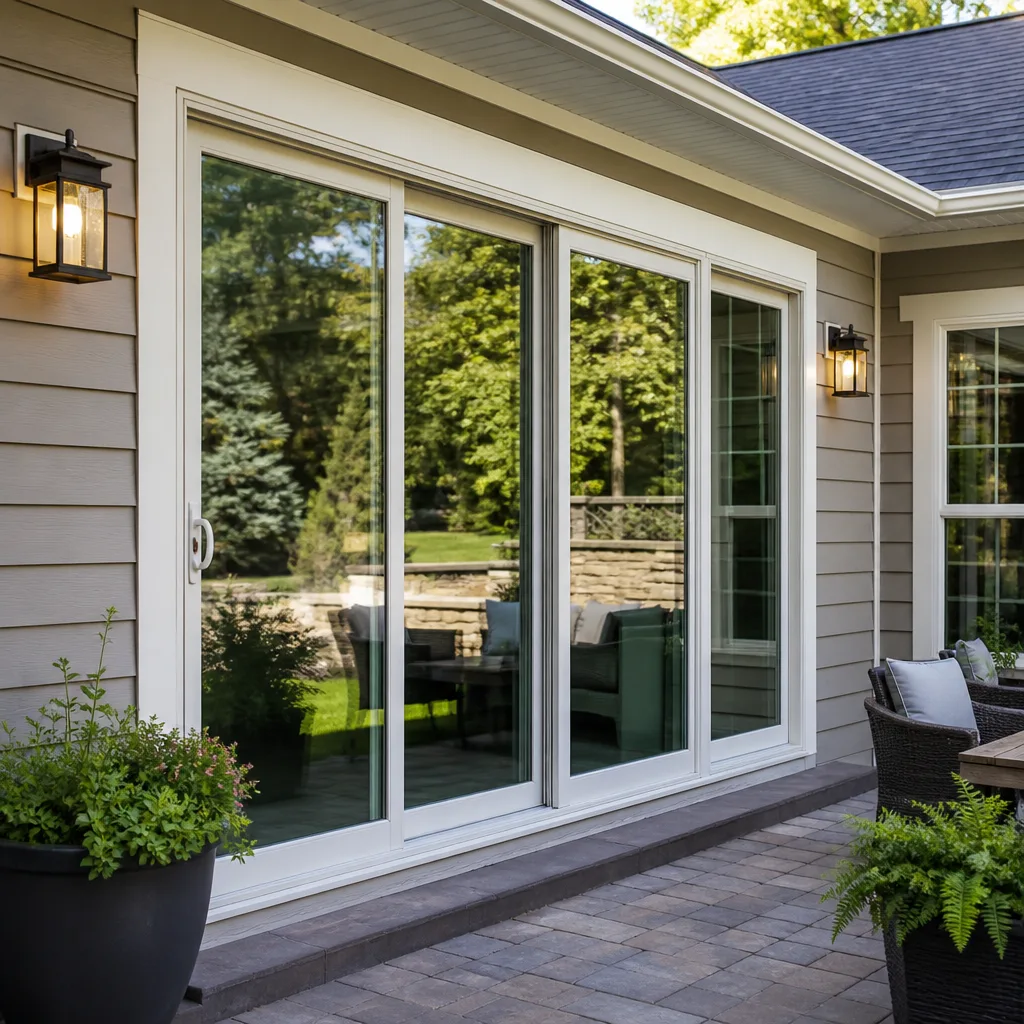 Sliding glass doors
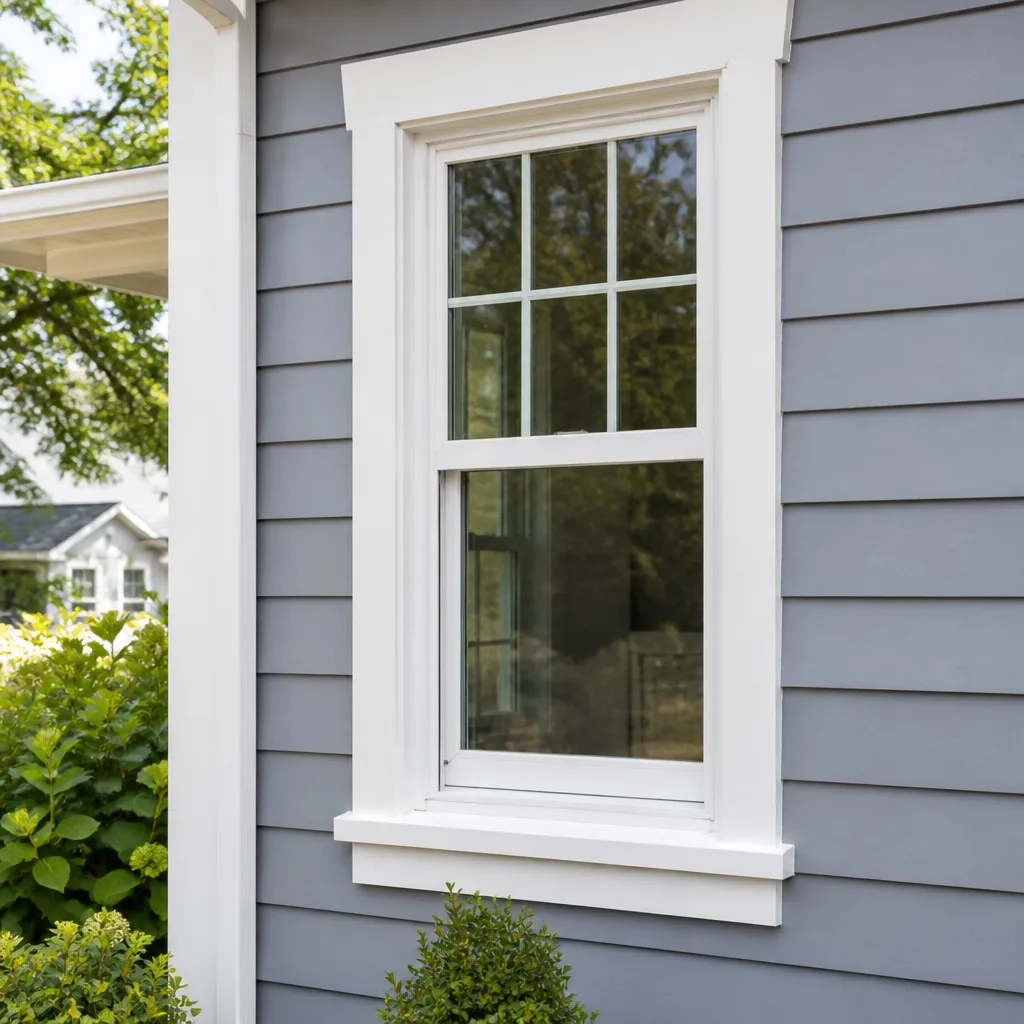 Single hung
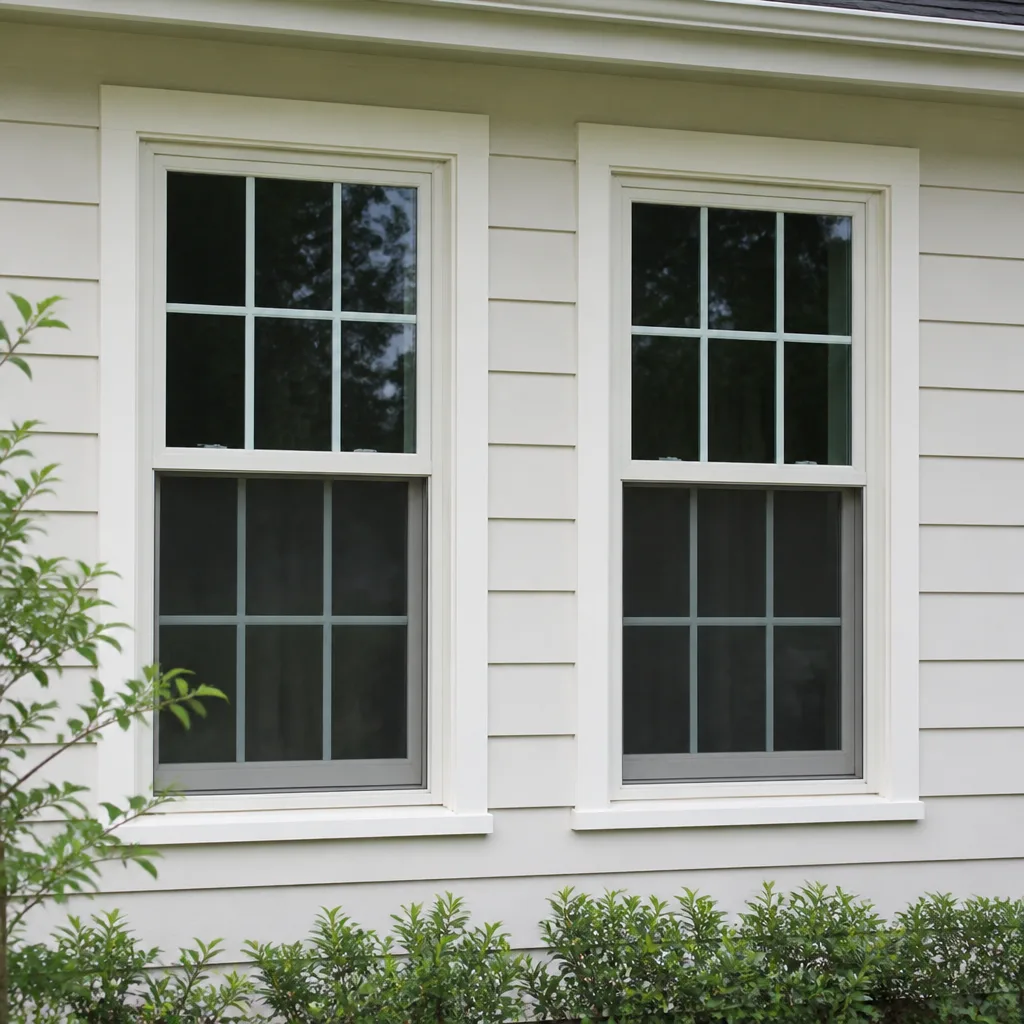 Double hung
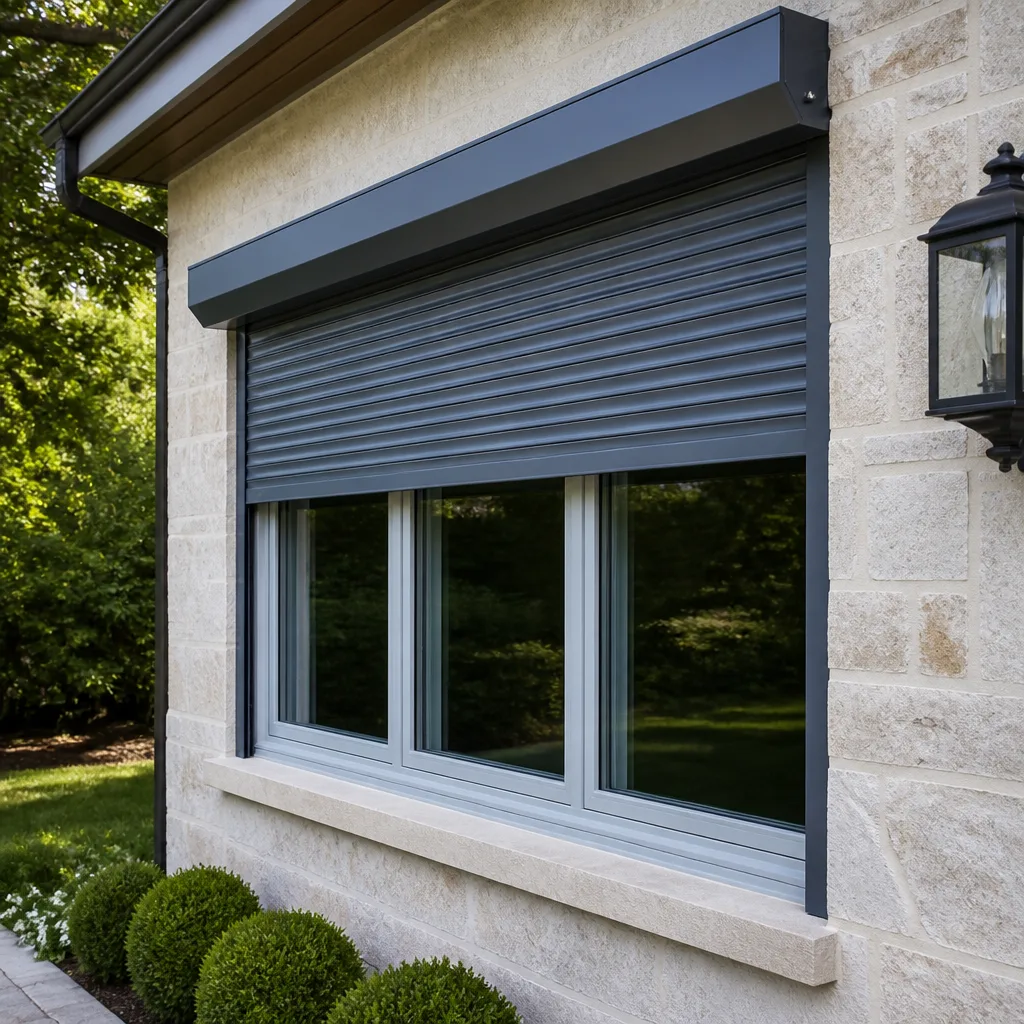 Horizontal roller
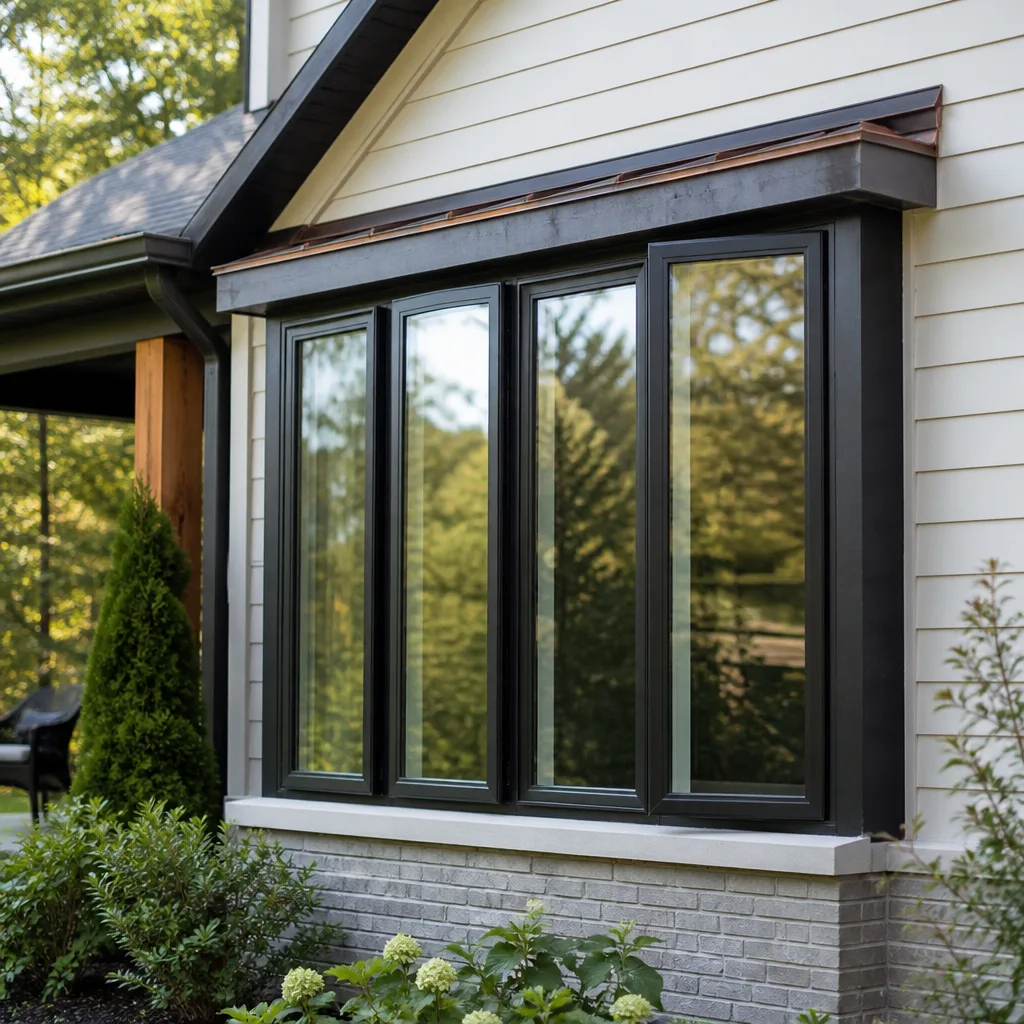 Casement
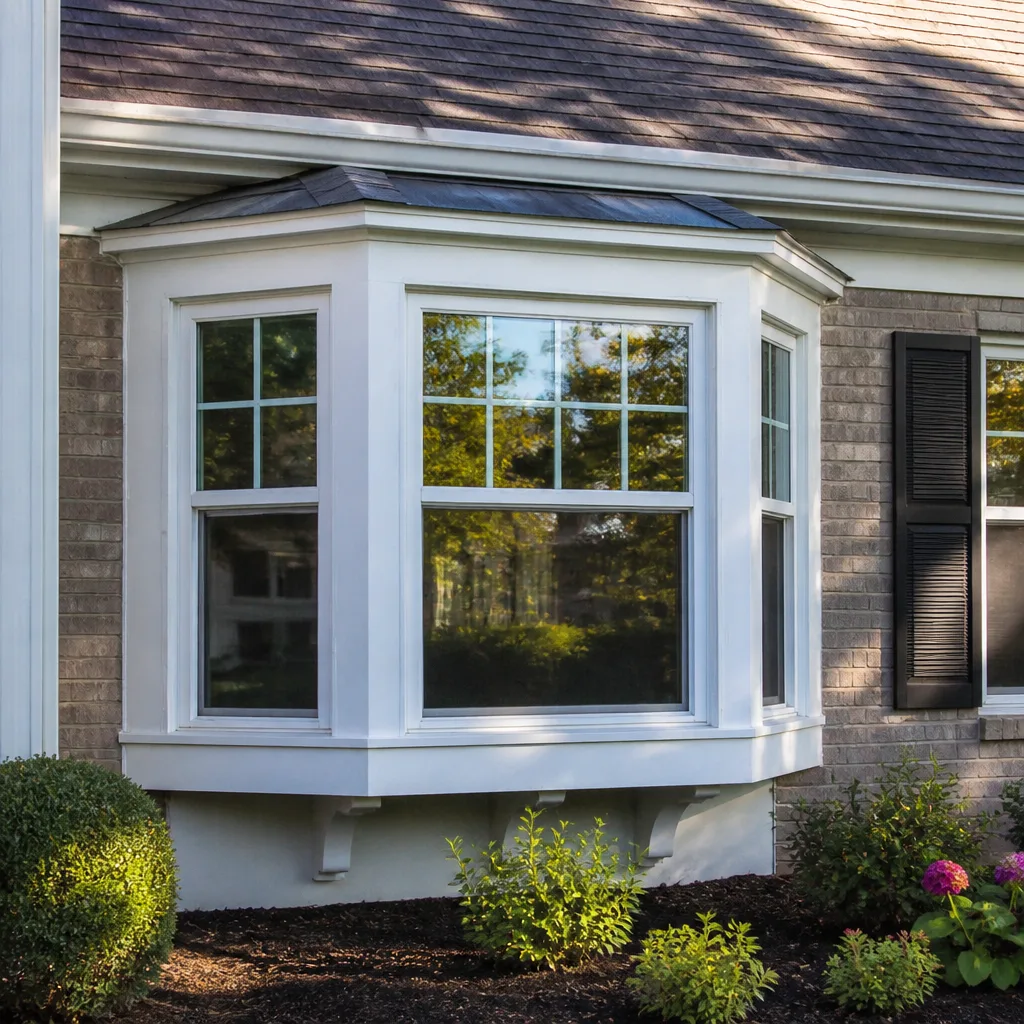 Bay & bow
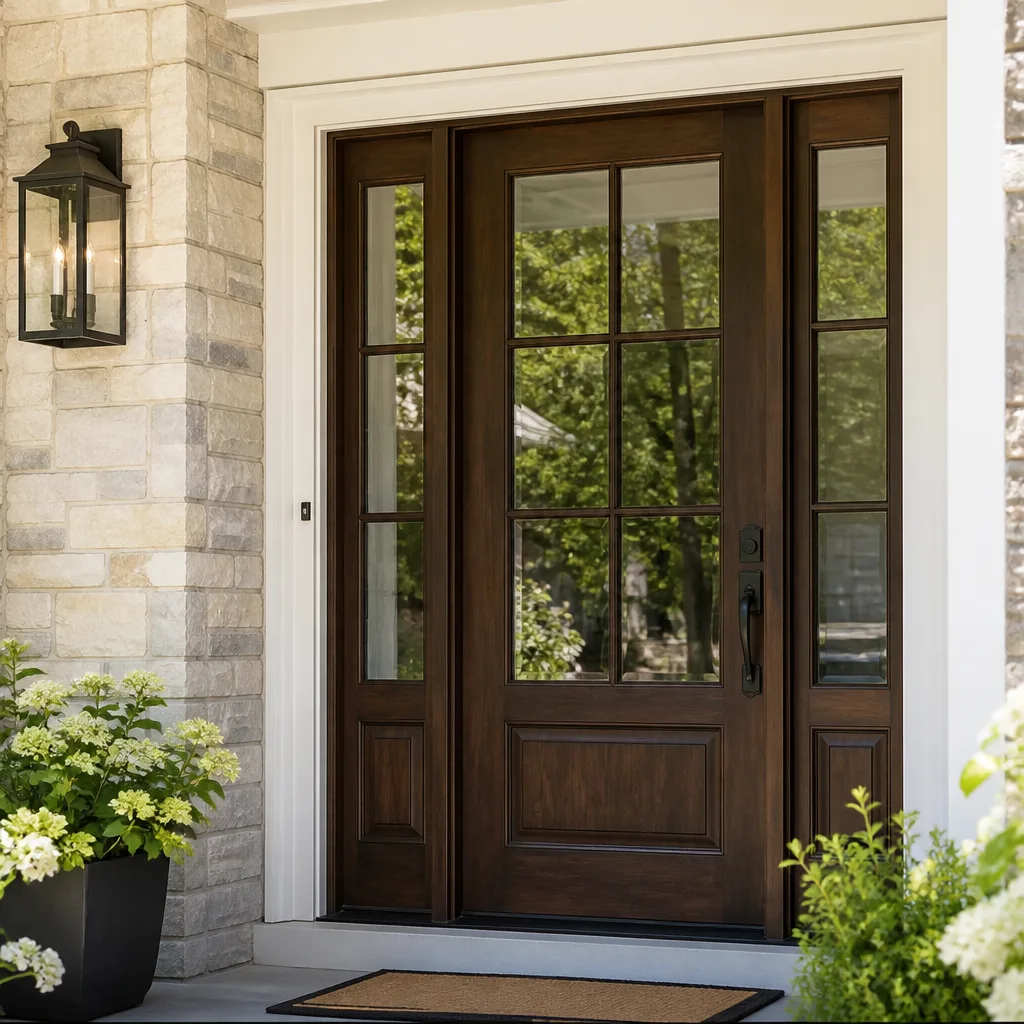 Entry doors
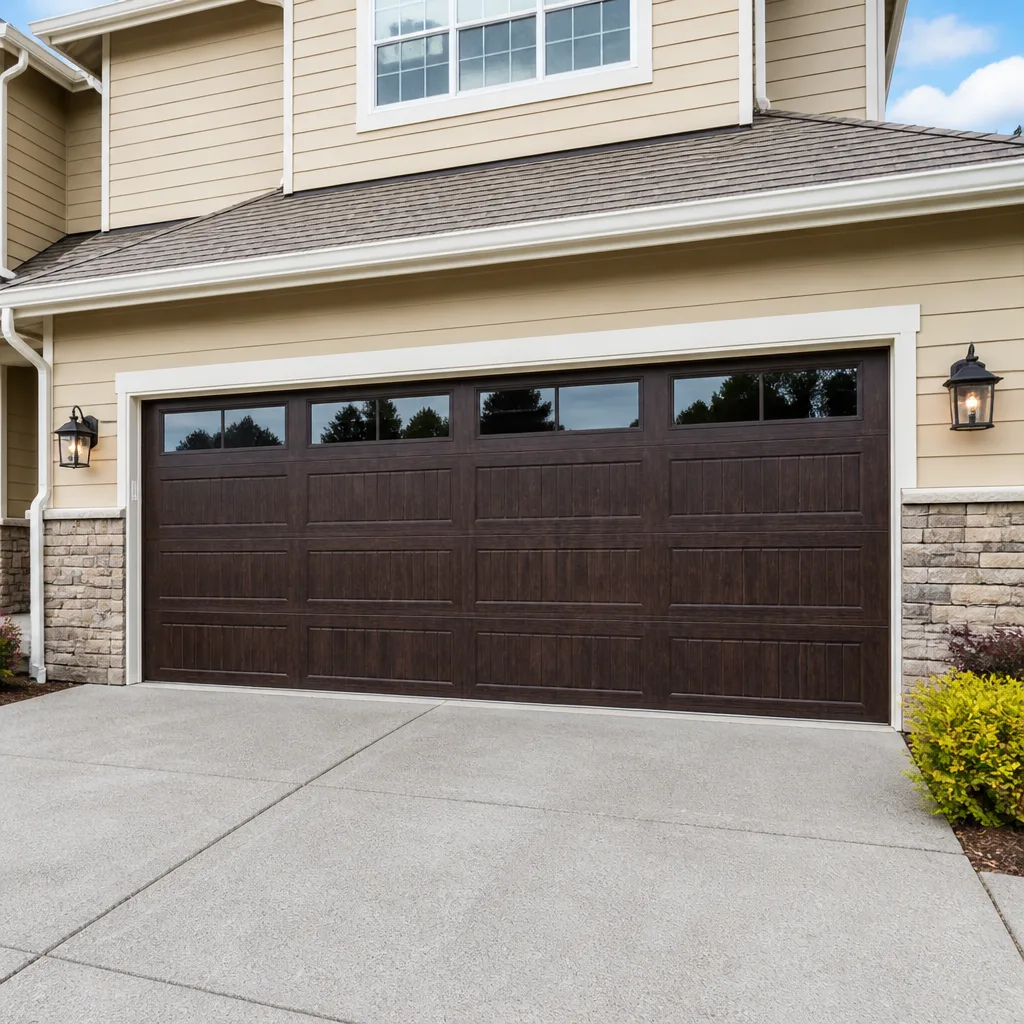 Impact garage doors
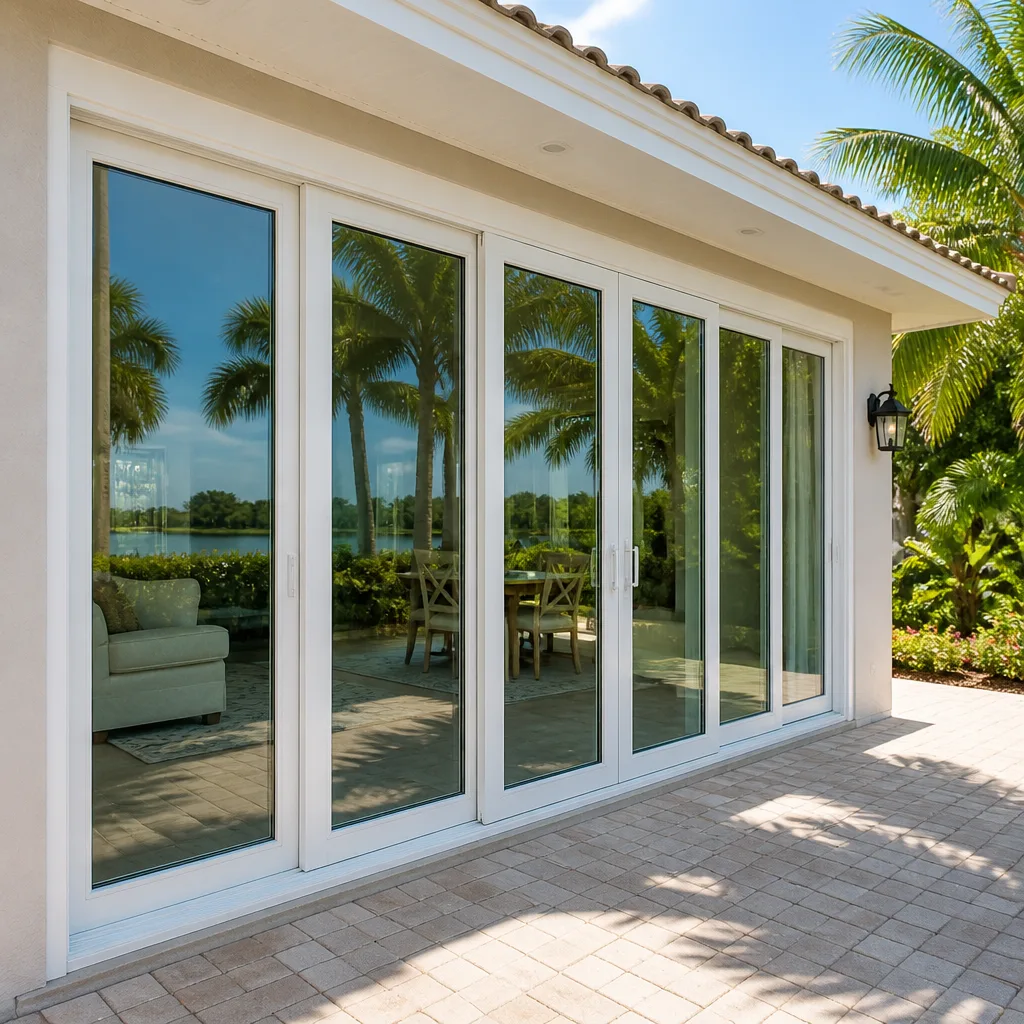 PGT
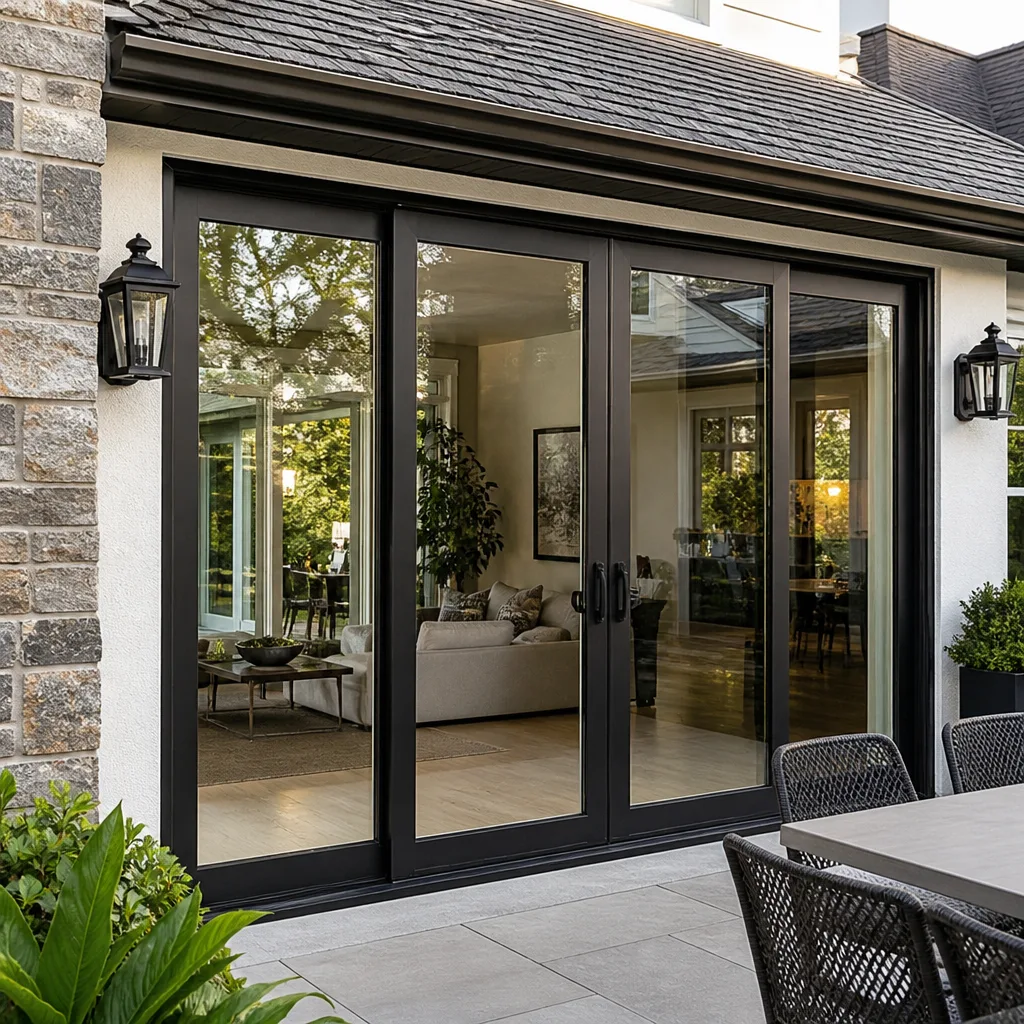 CGI
Free in-home measure and quote - PGT, CGI and CWS impact lines compared on your actual openings, style by style
Get your free estimateWindows & Doors Cost Breakdown: The Bellevue Homeowner’s Reference for 2026
A $400-per-window quote and a $900-per-window quote for the same opening can both be accurate. The gap usually isn’t profit margin or hidden markup. It’s four or five line items that one contractor wrote into the estimate and the other left off entirely – flashing, interior trim, disposal, permit, and a contingency for what’s behind the siding. When a Bellevue homeowner compares bids without knowing which scope each one covers, the lowest number wins and the homeowner loses. This guide breaks down what a complete window and door installation actually costs in Bellevue in 2026, line by line, so you can build a fair comparison before you collect a single quote.
Quick Answer
A complete window replacement in Bellevue in 2026 typically runs $650 to $1,600 per opening installed, including product, labor, flashing, interior trim, disposal, and permit – with full-frame installations landing $400 to $800 above insert replacement for the same opening. Entry door replacement usually falls between $1,200 and $4,500 depending on material and whether the frame is being rebuilt, and sliding door replacement runs $2,200 to $6,500 installed. The written, line-item estimate is the only number that matters; everything else is a placeholder.
Styles & brands we work with
- Single hung
- Double hung
- Horizontal roller
- Casement
- Bay & bow
- Sliding glass doors
- Entry doors
- Impact garage doors
- PGT
- CGI
Table of Contents
- The Seven Cost Components of a Complete Installation
- How Frame Material Affects Long-Term Cost
- Insert vs. Full-Frame Replacement
- Energy Incentives Available to Bellevue Homeowners in 2026
- Entry and Sliding Door Costs in Bellevue
- Red Flags in Low Bids: What Gets Left Off
- Bellevue-Specific Cost Factors
- Common Mistakes to Avoid
- When to Call a Professional
- Frequently Asked Questions
The Seven Cost Components of a Complete Installation
Every properly scoped window installation in Bellevue is made of the same seven pieces. When a bid omits one, the price drops and the risk transfers to you. Here’s what each piece covers and what it typically costs in the Bellevue market in 2026.
- Product (the unit itself): $350 to $1,100 per window. Vinyl double-hung units sit at the low end; fiberglass and aluminum-clad units with impact-rated or high-performance glazing run higher. Brand and glass package drive most of this number.
- Labor (removal and installation): $250 to $550 per opening. This covers removing the old unit, prepping the rough opening, setting, shimming, insulating, and sealing. Full-frame labor is higher than insert labor because the frame comes out.
- Flashing and weather barrier: $60 to $150 per opening. The sill pan, flashing tape, and integrated weather barrier that keep water from getting behind the frame. This is the single most commonly omitted line item in a low bid, and it’s the one that causes rot five years later.
- Interior trim and finish: $80 to $250 per opening. New casing, stool, and apron. If your existing trim is paint-grade and the installer can reuse it, this drops; if you want a specific profile to match the rest of the house, it rises.
- Exterior finish and sealant: $50 to $180 per opening. Siding repair at the opening, caulking, and paint touch-up. Stucco and hardiplank repairs cost more than wood siding.
- Disposal and haul-away: $40 to $100 per opening. Removing the old units, cardboard, and debris from site. Some contractors fold this into labor; the good ones break it out so you can see it.
- Permit: $150 to $400 for a typical residential window package, depending on the number of openings. Bellevue requires a permit for window replacement that involves structural changes to the opening; insert replacements in kind often don’t, but you should confirm with the city’s building department before you sign.
A fourth item worth adding: a contingency line of 5% to 10% for what’s found behind the wall. In Bellevue’s older housing stock – a lot of it built between the 1950s and 1980s – opening a window can reveal rotted framing, missing flashings, or out-of-square rough openings. A contractor who doesn’t plan for that will either eat the cost quietly (and cut somewhere else) or hand you a change order mid-job. A line-item contingency is the honest version.
Add it all up for a typical Bellevue opening and you land between $650 and $1,600 per window, which is why two bids $500 apart per opening are often quoting two different jobs. When you’re ready to see what a fully scoped estimate looks like on paper, window replacement with a written, itemized quote is the standard we hold to.
How Frame Material Affects Long-Term Cost
Frame material is where the “we’ll tell you which brand fits your project” conversation gets real. The unit price difference between vinyl and fiberglass is a few hundred dollars. The lifetime cost difference involves maintenance, hardware replacement, and what a buyer’s inspector sees when you sell. Vinyl sits at the low end of both unit price and service life. Fiberglass costs more up front and holds up better against temperature swings and sun exposure. Aluminum-clad wood runs highest and pays back in finish durability and resale appeal.
Vinyl
Lowest unit cost, typically $350 to $700 per window. Sealed units, no painting, but the color options are limited and hardware is usually integral to the sash – replacement hardware often means replacing the sash. In Bellevue’s mild, wet winters and warmer, drier summers, vinyl holds well; the failure mode to watch is color fading on south- and west-facing windows.
Fiberglass
$550 to $1,000 per window. Fiberglass is dimensionally stable – it doesn’t expand and contract with temperature the way vinyl does, which means the weather seals stay tight longer and the frame stays square. It can be painted to change color, which extends its useful life in a way vinyl can’t. For a Bellevue home where sun exposure is moderate but the wet season is long, fiberglass is a strong middle choice.
Aluminum-Clad Wood
$800 to $1,600 per window. The exterior is aluminum, so the finish doesn’t need repainting; the interior is real wood, which most buyers in Bellevue’s higher-end market still respond to. The trade-off is cost, and the wood interior must be maintained. For a home in a neighborhood like Bridle Trails or Clyde Hill where resale value is the whole point, the case for clad is straightforward.
What This Means for Resale and Maintenance
- Maintenance interval: Vinyl requires almost none; fiberglass needs occasional paint; clad wood needs interior care every few years.
- Hardware replacement: Fiberglass and clad frames accept standard hardware that’s easy to replace; vinyl often requires sash-level replacement.
- Resale value: Appraisers and buyers in Bellevue weigh window quality more heavily in homes above the median price point. Clad wood and fiberglass tend to hold perceived value; vinyl reads as a baseline replacement.
Our recommendation is driven by what the home needs, not what’s easiest to quote. If you’re weighing brands like PGT or ViewLux against a different material tier, that’s the conversation to have before pricing.
Insert vs. Full-Frame Replacement
Insert (pocket) replacement keeps the existing window frame in the wall and sets a new unit inside it. Full-frame replacement takes the frame, sash, and often the interior and exterior trim entirely out, then rebuilds. The cost difference is real – $400 to $800 per opening – and whether you need full-frame isn’t a preference, it’s a condition of the opening.
When Insert Replacement Is Appropriate
- The existing frame is square, plumb, and solid.
- The flashing and weather barrier behind the frame are intact. This is hard to confirm without opening the wall, which is why we look for telltale signs: soft spots, prior water staining, interior paint bubbling near the sill.
- The rough opening is at a standard size for the new unit.
- You’re not changing the opening size or window type.
When Full-Frame Is Necessary, Not Optional
- Rot in the frame or sill. If the wood is soft or crumbling, an insert unit has nothing sound to attach to.
- Out-of-square or out-of-plumb openings. Old homes in Bellevue – especially those built in the 1960s and 1970s – often settle enough that a new unit won’t seal properly against the existing frame.
- Flashing failure or water intrusion history. Once water has gotten behind the frame, the only way to fix it properly is to remove the frame and rebuild the weather barrier.
- Changing the window type or opening size. Going from a single-hung to a picture window, or widening an opening, requires full-frame.
- Adding impact-rated glazing where the existing frame can’t carry the weight. Impact units are heavier; the frame must carry the load.
In our experience, roughly a third of Bellevue homes that look like straightforward insert candidates turn out to need full-frame once the first unit comes out. That’s why the estimate matters. A contractor who quotes insert-only pricing without a contingency for full-frame conversion is quoting a best case as if it were the only case. Full-frame work also means the difference between window installation performed to full weather-barrier standards and a simpler pocket swap – ask which one you’re being quoted.
Energy Incentives Available to Bellevue Homeowners in 2026
Two incentive streams are relevant to Bellevue window projects in 2026: the federal 25C tax credit and Puget Sound Energy residential rebates. Which products qualify depends on the specific specs of the unit, so the incentive calculation happens after product selection, not before. Here’s how each works.
Federal 25C Tax Credit
The 25C credit covers qualifying energy-efficient improvements to existing homes, including windows and doors. The credit is capped at a percentage of the cost for qualifying products, with a per-product limit for windows and doors. The exact percentages and limits change year to year, so check the current IRS rules and confirm the credit with a tax professional before you file. What matters at the point of purchase: your contractor must be able to show you the product’s certification documentation and the manufacturer’s spec sheet, because the credit asks you to point at the qualifying spec, not just the brand name.
Puget Sound Energy Rebates
Puget Sound Energy offers residential efficiency rebates, and window upgrades have historically been among the eligible improvements when the product meets specific performance thresholds. The rebate amount and the exact performance threshold (typically a U-factor or equivalent thermal spec) are set by PSE and can change. Ask your contractor to confirm which products in your quote meet the current PSE threshold and what documentation PSE requires. A written rebate line in the estimate is useful; a verbal “you’ll qualify” is not.
How to Verify What You Actually Qualify For
- Pick the product first. Incentives are attached to specific certified models, not to product categories.
- Ask for the manufacturer’s spec sheet for each quoted unit. The relevant thermal values will be on it.
- Cross-check the spec against the current IRS 25C requirements and the current PSE rebate list.
- Have the contractor write the qualifying spec into the estimate so both sides are working from the same document.
- Keep the receipt and the manufacturer documentation with your tax records.
One Bellevue-specific note: PSE’s service area covers Bellevue, but energy-efficiency program terms are updated annually, and rebate amounts can move between the time you sign and the time the rebate is filed. Treat the estimate as the source of truth on cost and the utility’s current program terms as the source of truth on the rebate.
Entry and Sliding Door Costs in Bellevue
Doors are priced differently from windows because the opening is larger, the hardware is more complex, and the frame work is more involved. Here’s what to expect in Bellevue in 2026. On the entry side, Therma-Tru is the brand most homeowners ask about – it’s a well-recognized entry door manufacturer and it’s part of the portfolio we install. On the sliding side, options from CGI and PGT give Bellevue homeowners strong glazing choices when the opening faces south or the home has a view worth a dedicated door spec.
- Entry door (single, steel or fiberglass, in existing frame): $1,200 to $2,800 installed. Hardware, threshold, and weatherstripping included.
- Entry door with frame rebuild: $2,000 to $4,500. Needed when the existing frame is rotted or the opening is out of square.
- Entry door with sidelights or a transom: Add $600 to $1,800 depending on glazing.
- Sliding door (vinyl or aluminum, standard size): $2,200 to $4,000 installed.
- Sliding door with impact-rated glazing: $3,000 to $5,500 installed.
- Large or custom sliding door (multi-panel or oversized): $4,500 to $6,500 and up depending on the configuration.
The reason doors often take owners by surprise isn’t the door itself – it’s the trim and threshold work. Sliding door tracks must be set level and drained correctly, or water gets under the door and into the floor. Entry door thresholds need to be pitched and sealed to shed the sideways rain that Bellevue’s fall and winter storms bring. A quote that doesn’t mention the threshold, the door sweep, or the exterior trim isn’t complete. For an itemized door replacement quote, that’s the scope we build around.
Red Flags in Low Bids: What Gets Left Off
The five scope items most commonly omitted by underbidding contractors are flashing, interior trim, disposal, permit, and contingency. Any one of them can make a $500-per-opening bid look attractive; all five together can make a bid look $600-per-opening cheaper than a complete one. Here’s how to check each before you sign.
- Flashing: Does the written scope say the contractor will install a new sill pan and flashing tape at each opening? If it isn’t written, it isn’t included. Ask to see the manufacturer’s installation instructions and confirm the scope matches them.
- Interior trim: Does the quote list new casing, stool, and apron, or does it say “existing trim reused if possible”? “If possible” means “if not, extra.”
- Disposal: Is haul-away listed as a line item, or is the contractor expecting to leave the old units for your regular trash pickup? Old window glass and frames often aren’t accepted in curbside pickup.
- Permit: Is the permit cost and the municipality named? For Bellevue projects, the permit should specify the City of Bellevue, not a general “permit included.”
- Contingency: Is there a written change-order policy? What happens if rot is found? A fair contractor gives you a per-opening diagnosis and a written price to fix it before proceeding; an unfair one finds rot and adds cost mid-install without documentation.
- Product spec: Is the model and glass package named, or just the brand? “PGT” isn’t a spec. “PGT WinGuard vinyl double-hung, U-factor X, SHGC Y” is.
- Workmanship warranty: Is the labor warranty separate from the manufacturer product warranty, and is the labor warranty in writing with a duration?
A bid that is genuinely lower on an apples-to-apples scope is a legitimate win – different contractors have different overheads, and savings are real. A bid that is lower because three of the seven cost components are missing is a different product. The way to tell the difference is to require a line-item estimate and then compare the line items, not the totals. Site visits and estimates are free; get two or three and hold each one to this standard.
Bellevue-Specific Cost Factors
Bellevue has its own pricing pressure points that shift the national averages. These matter when you’re building a budget expectation.
- Housing stock age: Homes built in the 1950s through 1980s – common in neighborhoods like Crossroads, Lake Hills, and West Bellevue – are the ones most likely to need full-frame replacement once you open the wall. That pushes the per-opening cost toward the higher end of the range.
- Wet-season exposure: Bellevue’s long fall and winter rain makes flashing and weather-barrier detailing more important than in drier markets. A properly flashed window in Bellevue costs more than a properly flashed window in Phoenix, and it should.
- Building department review: Permits for window work in Bellevue are administered by the City of Bellevue. The permit process is generally straightforward for like-for-like replacements, but structural changes to openings trigger plan review, which adds time to the schedule.
- Contractor demand: The Eastside market runs hot when new construction and remodeling are active, and Bellevue contractors price accordingly. Booking ahead can matter more here than the raw product cost difference.
The other Bellevue-specific factor is access. Hillside lots, tighter setbacks in older neighborhoods, and interior stairwells that make a large sliding door awkward to maneuver all add labor. A contractor who has worked in Bellevue knows to price that in; one who hasn’t will discover it on install day and either absorb it or pass it to you. Our technicians have up to 10 years of experience with these conditions, which is why the estimates we write hold up when the job gets underway. To see how a full replacement project is scoped for local homes, Window Replacement Bellevue lays out the process from estimate through final inspection.
Common Mistakes to Avoid
- Comparing totals instead of line items. The total is the last thing to look at. Write the seven components on a sheet and check each bid against them. Any bid missing one is not comparable.
- Accepting a brand name as a spec. “Therma-Tru” or “ViewLux” tells you the manufacturer, not the product. Ask for the model, glass package, and thermal values in writing. A comparable bid requires comparable specs.
- Assuming insert replacement will work. On a Bellevue home built before 1990, treat full-frame as the probable outcome until an inspection proves otherwise. A quote that doesn’t leave room for that is quoting a best case.
- Ignoring the permit. Window work that involves structural changes to the opening needs a City of Bellevue permit. Skipping it creates a problem at resale and can void the manufacturer’s warranty if the installation documentation is incomplete.
- Skipping the incentive check. The federal 25C credit and Puget Sound Energy rebates are real money off a window project. Not asking which products qualify before ordering can cost you the incentive.
- Forgetting the doors. Windows and doors share the weather barrier. Replacing windows without addressing a failing sliding door leaves a gap in the envelope and usually means a second project within a few years.
- Letting the interior trim be reused by default. Reusing trim saves money only if it survives removal in usable condition. On older Bellevue homes it often doesn’t, and the “savings” vanishes once the contractor has to buy new casing anyway.
When to Call a Professional
Window and door replacement is not a repair job, and it’s not a project to piece together across multiple contractors. Call a professional when you’re replacing a window or door and the opening involves anything more than removing one unit and setting another – which in Bellevue is most of the time on pre-1990 homes. Call when you notice fogging between the panes of a double-glazed unit (the seal has failed, and the correct answer is replacement, not resealing); when a sliding door no longer slides cleanly or the floor in front of it has started to swell (water is getting under the door); when the interior paint near the sill is bubbling or the frame is soft to the touch; when you’re changing window sizes or types; or when you’re planning to sell in the next few years and window condition is likely to come up on inspection. Window Replacement Bellevue offers free estimates in Bellevue – call (425) 699-3164 to schedule one and get a specific number for your project.
Frequently Asked Questions
A complete window replacement in Bellevue in 2026 typically costs $650 to $1,600 per opening installed, with full-frame installations $400 to $800 above insert replacement for the same opening. The spread depends on frame material, glass package, and whether the job needs a full-frame rebuild. Call (425) 699-3164 for an exact quote – estimates are free.
Usually because one bid is missing line items the other bid included – flashing, interior trim, disposal, permit, or contingency. Two bids can both be accurate and still cover different scopes. Ask for a line-item estimate from each contractor so you can compare components, not totals. A free estimate from our team will show each component separately; call (425) 699-3164 to schedule.
Window work that changes the structural opening needs a permit from the City of Bellevue; like-for-like insert replacements often don’t. The City of Bellevue is the authority to confirm with, and the correct permit status depends on the specific scope. Never sign a contract that says “permit not required” without confirming with the building department. For help scoping a permitted project, call (425) 699-3164.
We install eight brands spanning impact-rated, energy-efficient, and architectural lines: PGT, CGI, CWS, ES Windows, ECO Window Systems, Mr-Glass, Therma-Tru, and ViewLux. Having competing manufacturers under one contract means the recommendation is driven by the home’s needs, not by what one supplier has in stock. Call (425) 699-3164 to talk through which brand fits your project.
A typical Bellevue window replacement project takes one to three days on site for a standard package once the permit is issued; the permit itself can add several weeks to the front end. Full-frame jobs and door replacements take longer per opening. We’ll write the expected schedule into the estimate. Call (425) 699-3164 for a timeline specific to your project.
Possibly. The federal 25C tax credit and Puget Sound Energy residential rebates both have qualifying criteria that depend on the spec of the unit, not the brand. Check the current IRS 25C rules and current PSE program terms before purchase, and keep the manufacturer documentation with your tax records. Call (425) 699-3164 and we’ll confirm which products in your quote carry the qualifying spec.
The Bottom Line
The $400 quote and the $900 quote can both be true – the difference is what’s in them. If you leave with one framework from this guide, make it this: don’t compare totals until you’ve compared the seven cost components (product, labor, flashing, trim, disposal, permit, contingency) line by line. Bellevue’s older housing stock makes full-frame a likely outcome on a large share of projects; the wet-season weather makes flashing non-negotiable; and the federal 25C credit plus PSE rebates make spec-level attention worth real money. The written, line-item estimate is the only number that holds. Get two or three and hold each to the standard in this guide.
We install windows and doors as one project under one contract – replacement, installation, sliding doors, and entry doors, in brands like PGT, Therma-Tru, CGI, and ViewLux, with impact-rated and energy-efficient options across the portfolio. When you’re ready to turn a rough budget into a real number, call (425) 699-3164 for a free estimate. We’ll walk your openings with you, spec each product, and put the whole scope in writing – flashing and disposal included.
Written by the team at Window Replacement Bellevue.
See the difference
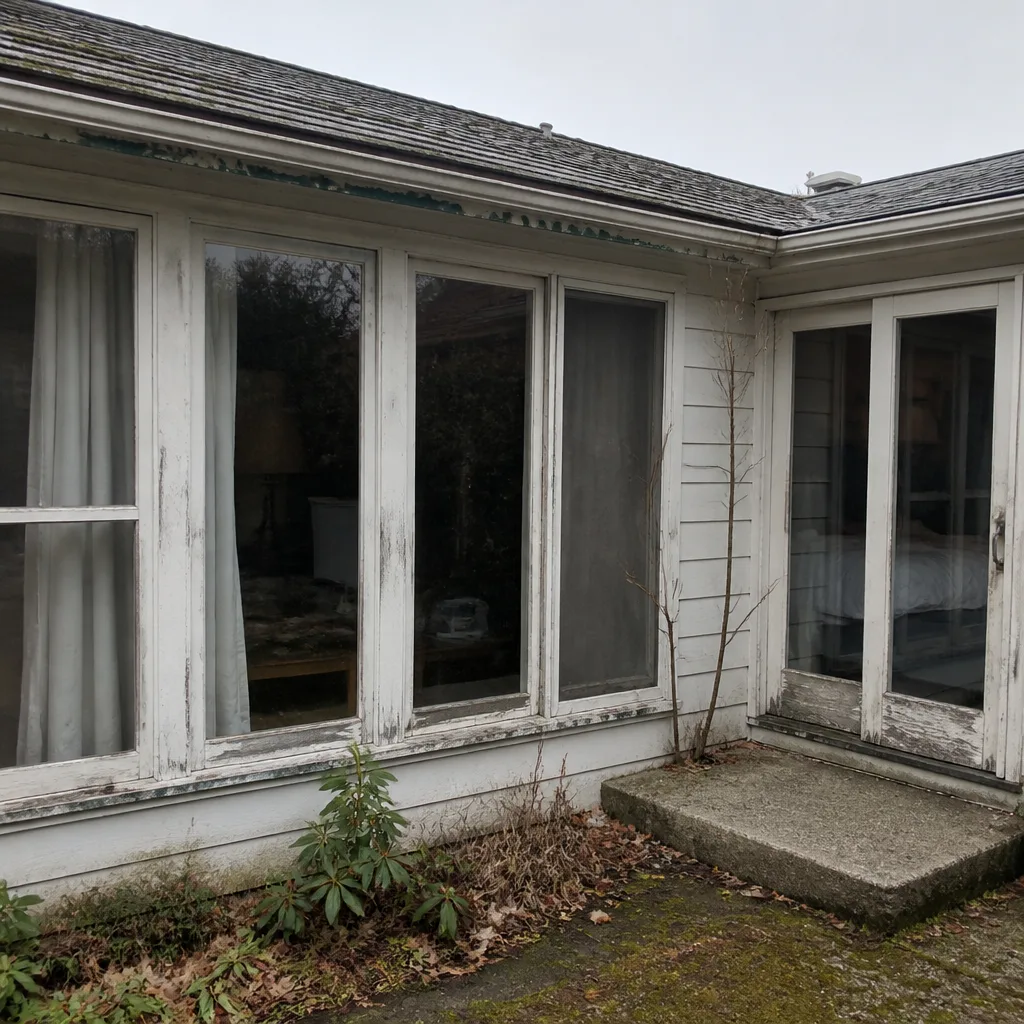 Before
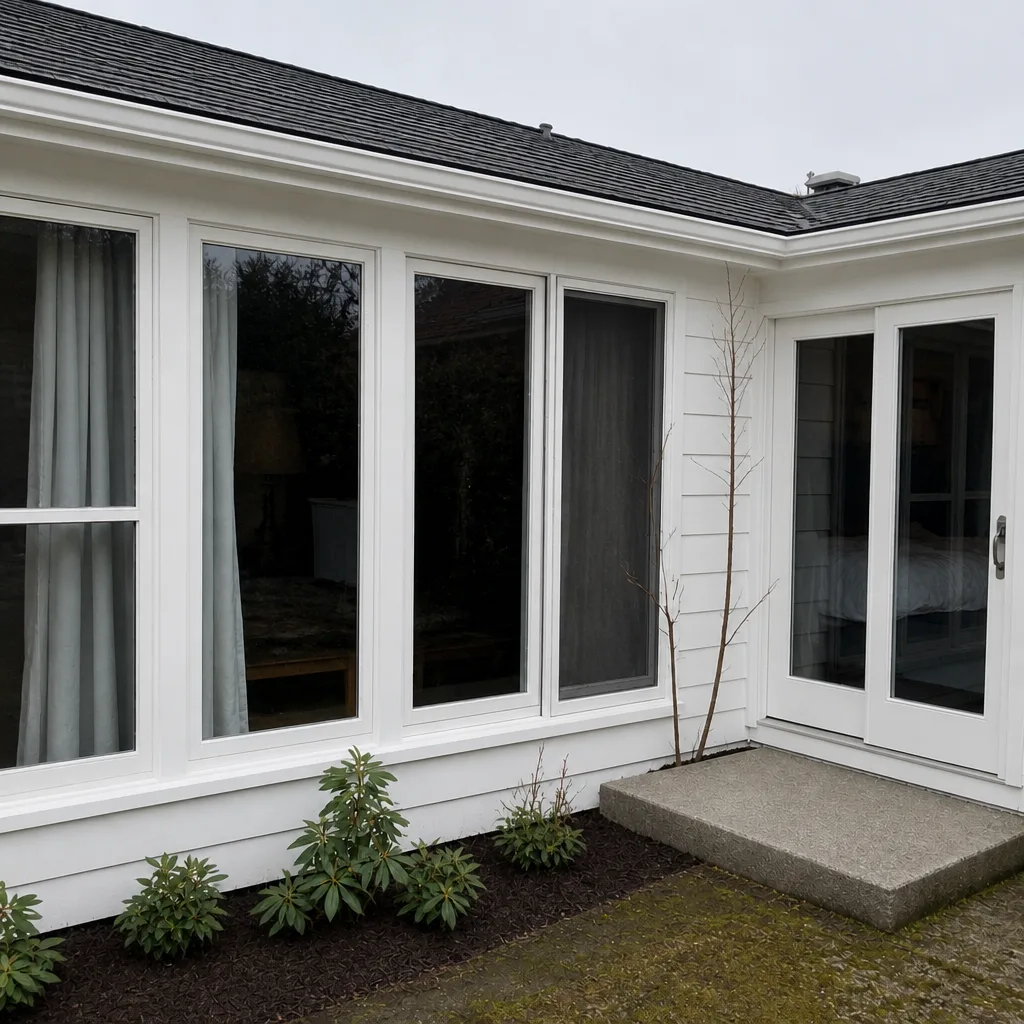 After
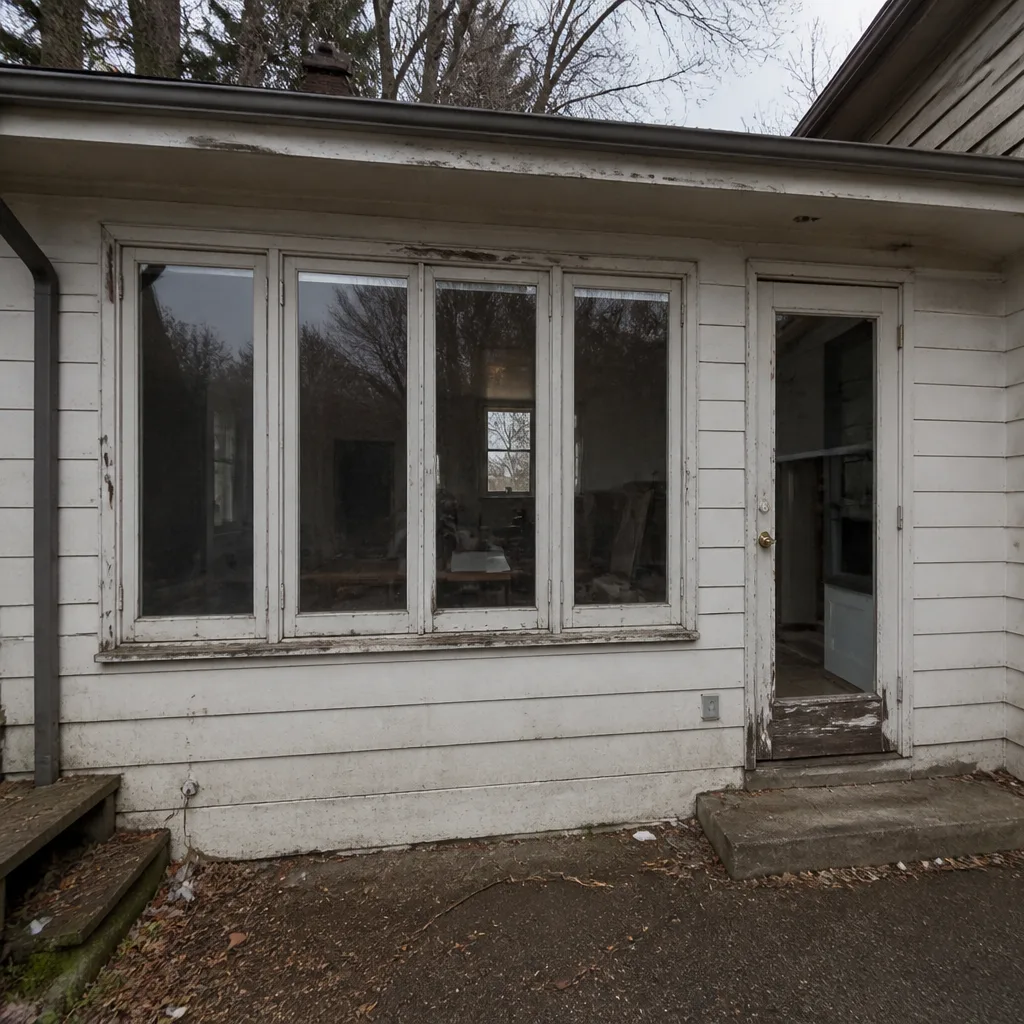 Before
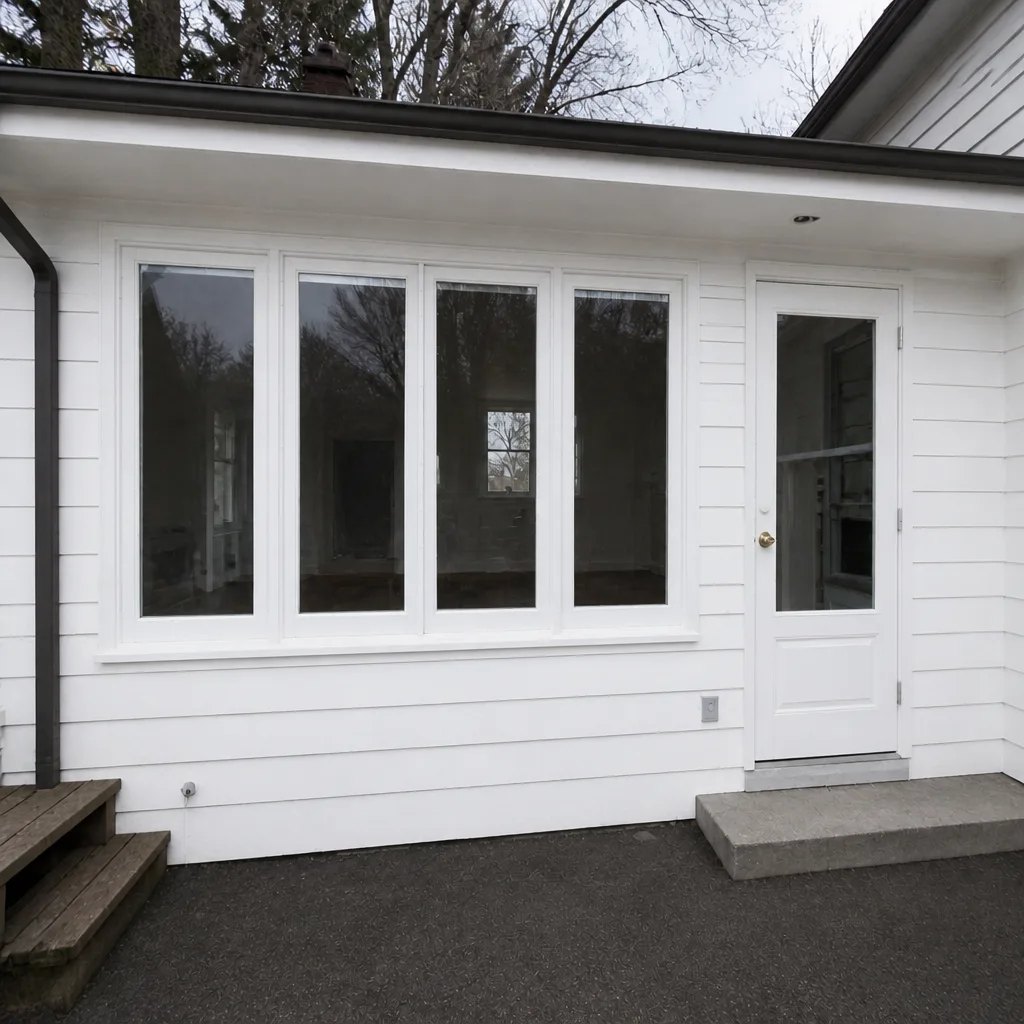 After
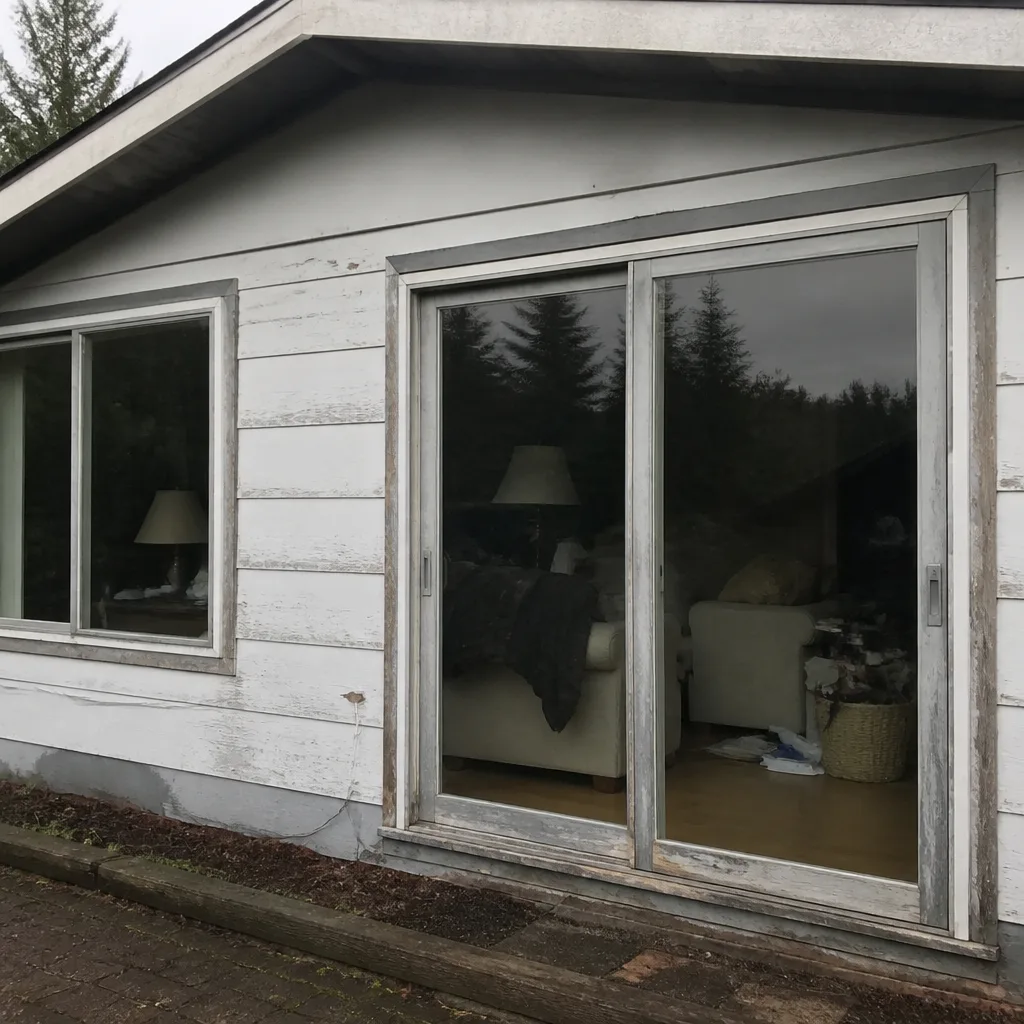 Before
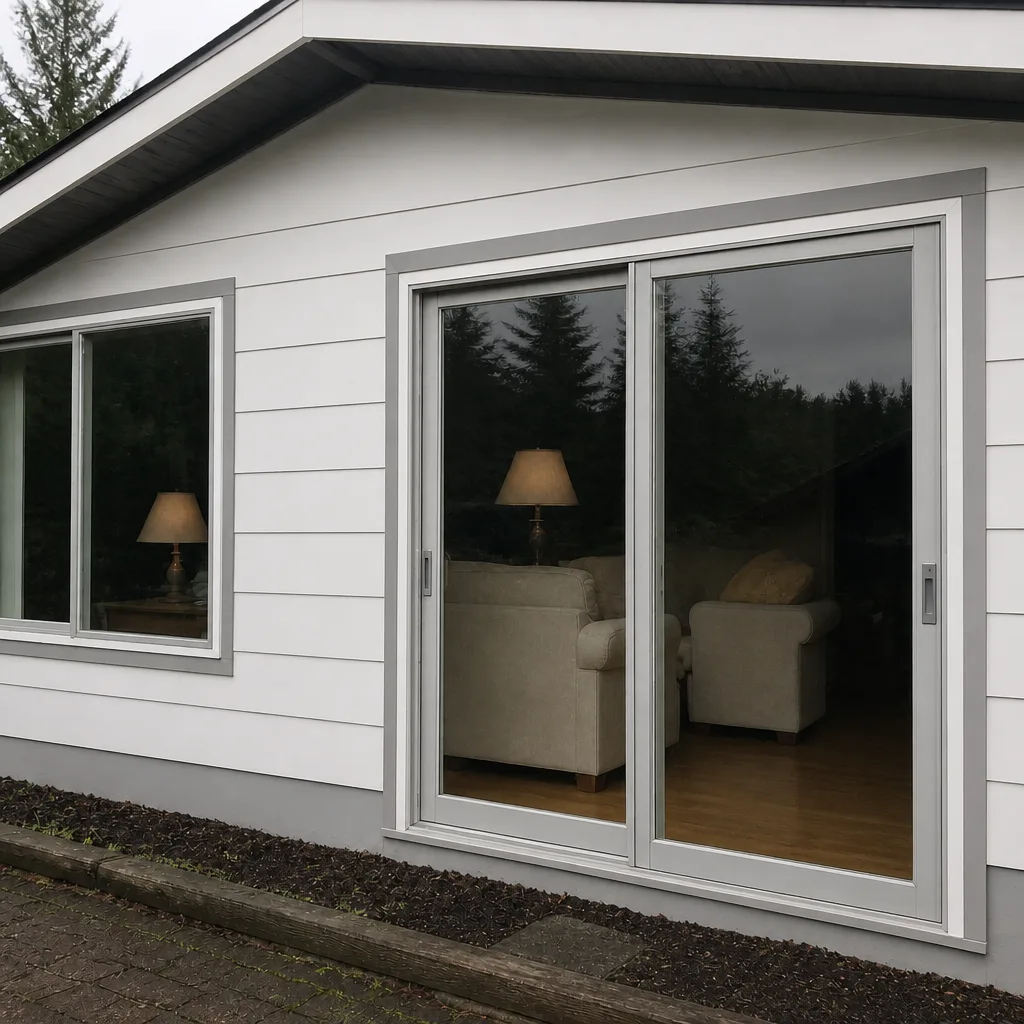 After