Last updated November 25, 2026
 Sliding glass doors
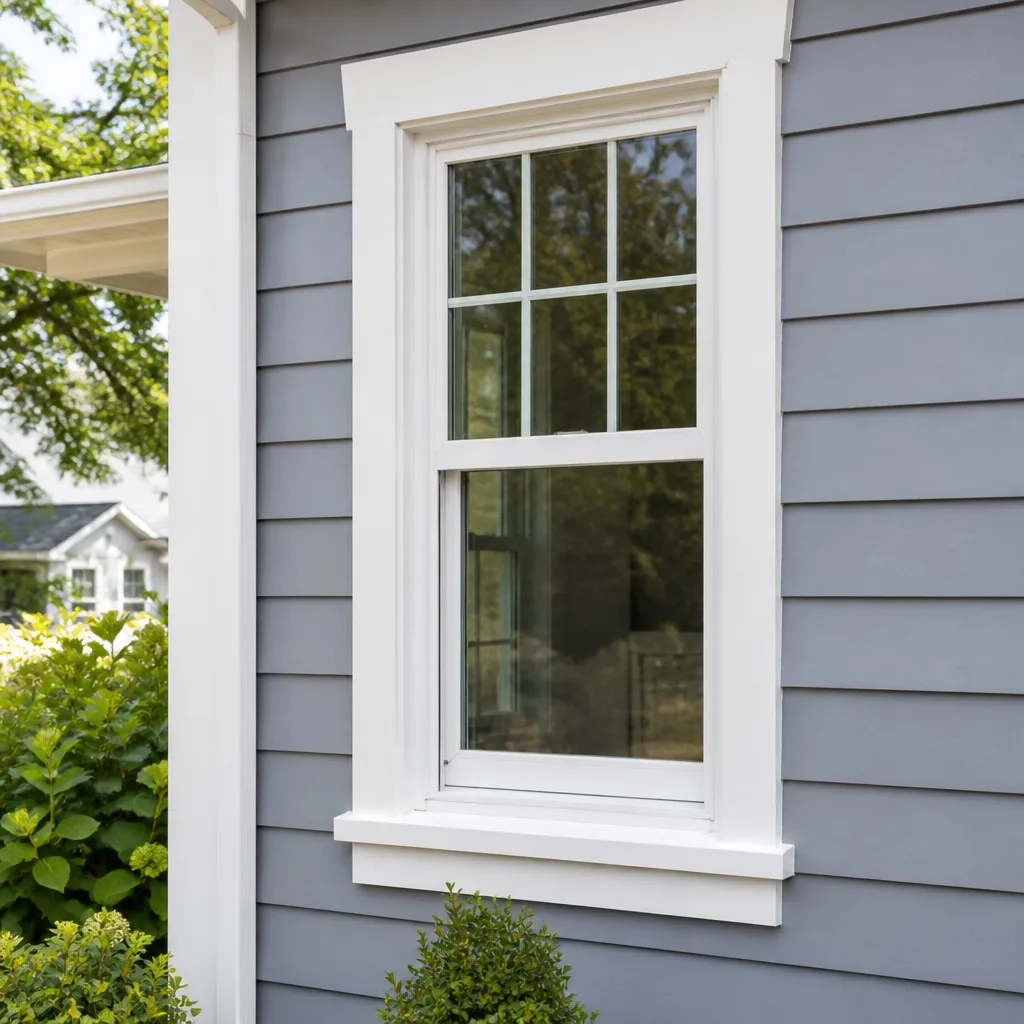 Single hung
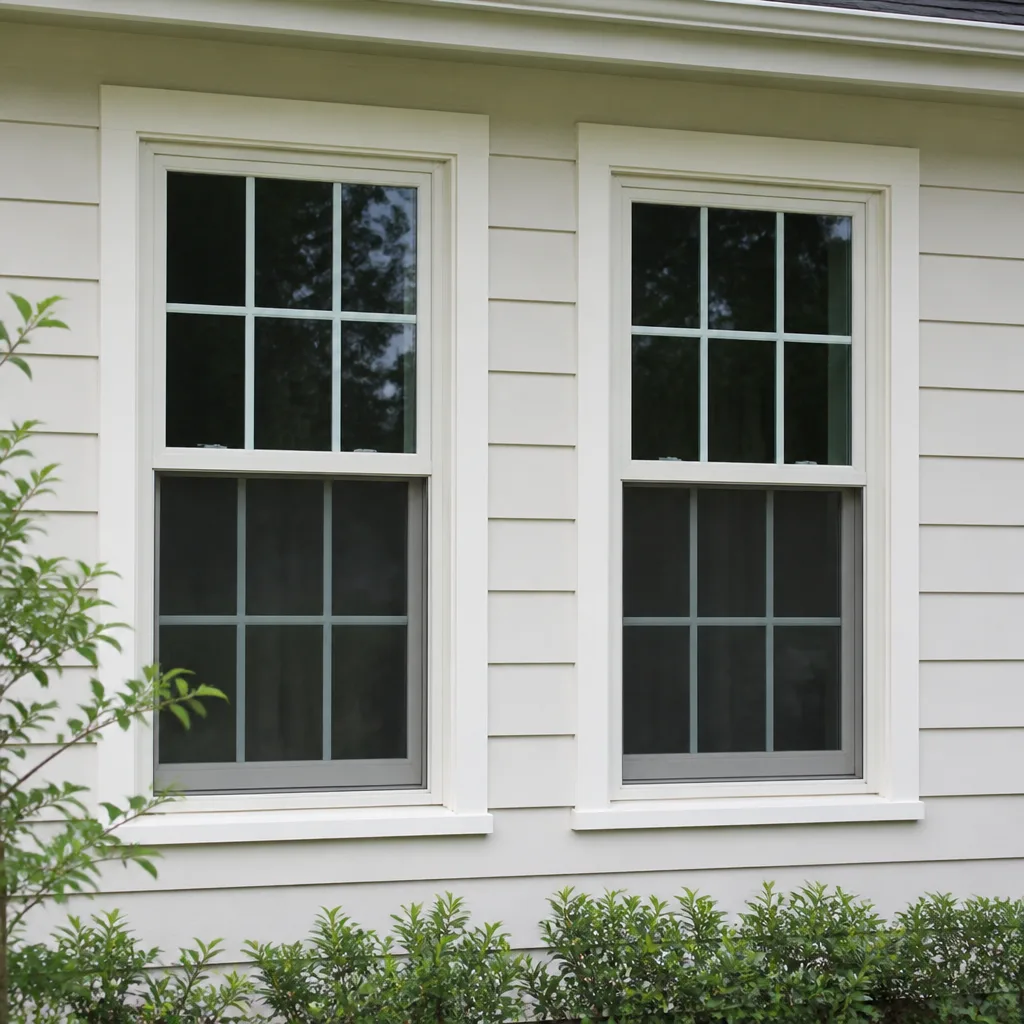 Double hung
 Horizontal roller
 Casement
 Bay & bow
 Entry doors
 Impact garage doors
 PGT
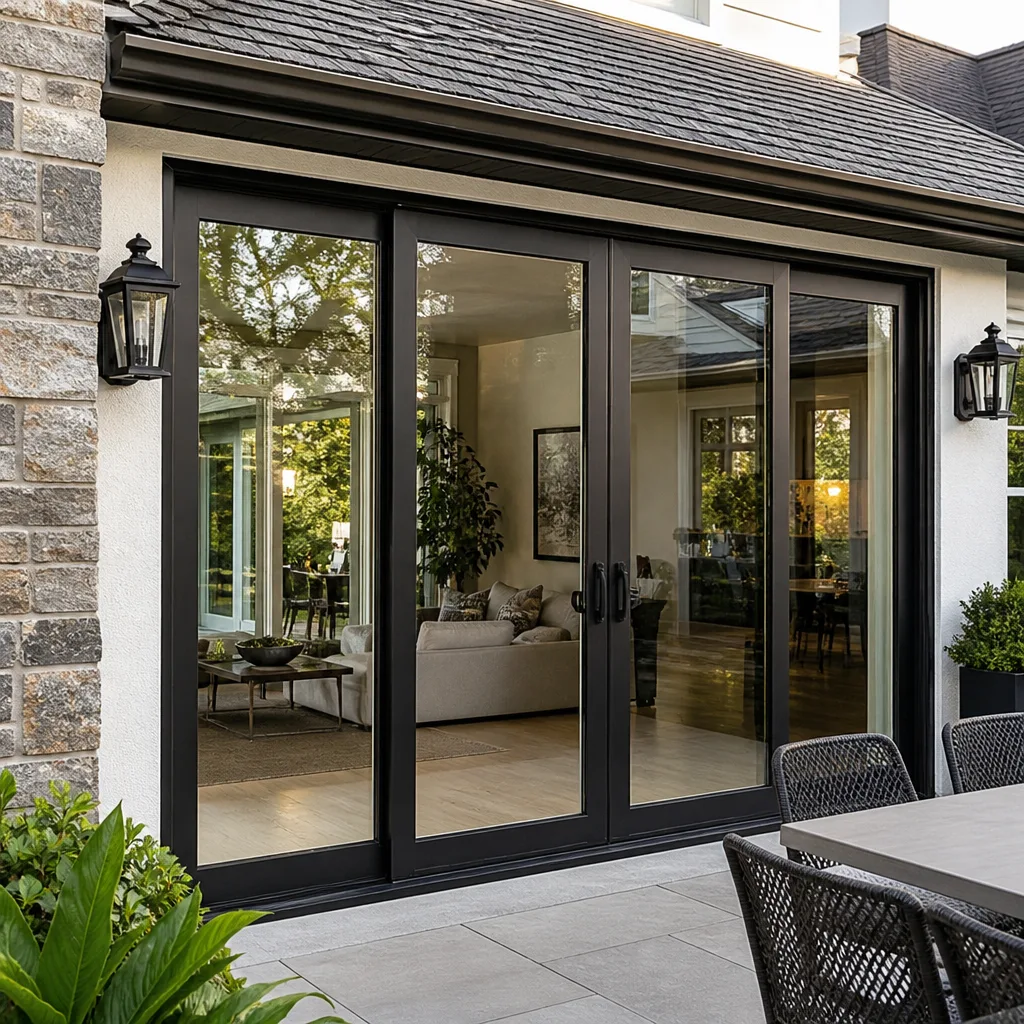 CGI
Free in-home measure and quote - PGT, CGI and CWS impact lines compared on your actual openings, style by style
Get your free estimateWindows & Doors Warning Signs: A Bellevue Homeowner’s Reference Guide
Most homeowners call a contractor when something breaks. That’s backwards. In Bellevue‘s wet climate, the warning signs that predict window and door failure show up months or years before anything actually breaks, and they show up quietly: a smear of rust on a threshold, paint peeling in a stripe instead of a patch, a sliding door that needs a little more shoulder than it used to. These are easy to write off as normal wear. Some are. Some aren’t. This guide teaches you how to tell the difference, sort what you see into a simple severity system, and know exactly when a professional needs to look at it.
Quick Answer
Windows and doors in Bellevue show failure through a handful of reliable signals: fogging or haze trapped inside insulated glass, condensation that forms between panes rather than on them, frame gaps that widen with the seasons instead of staying steady, paint and finish failure that appears in vertical streaks or dark stains, and doors that bind, swell at the bottom, or show rust at the threshold. Sort each finding as monitor, schedule, or urgent, and bring anything urgent to a professional for evaluation.
Styles & brands we work with
- Single hung
- Double hung
- Horizontal roller
- Casement
- Bay & bow
- Sliding glass doors
- Entry doors
- Impact garage doors
- PGT
- CGI
Table of Contents
- Is It IGU Seal Failure or Just Condensation? The Two-Minute Test
- Frame Deflection Signals: Gaps, Binding, and Daylight Lines
- Paint and Finish Failure as an Early Flashing Indicator
- Three Door Warning Signs Unique to Bellevue’s Wet Winters
- The Severity Classification System: Monitor, Schedule, or Urgent
- A Seasonal Walkthrough for Bellevue Homes
- When Warning Signs Point to Replacement Rather Than Waiting
- What Brand and Spec Questions Tell a Contractor
Is It IGU Seal Failure or Just Condensation? The Two-Minute Test
If the haze, fog, or milky film is trapped between the panes and doesn’t clear, the seal on the insulated glass unit has failed. If the moisture wipes off the surface of the glass, it’s ordinary condensation, which is a humidity story, not a window story. You can settle this in under two minutes without tools.
The insulated glass unit, or IGU, is the sandwich at the heart of a modern window: two panes, a spacer between them, and air or argon sealing the gap. That sealed cavity is what does the insulating work. When the perimeter seal gives out, moisture enters the cavity and condenses against the colder pane, and the film stays there permanently. Surface condensation behaves differently. It forms when warm humid indoor air meets cold glass, and it wipes away clean.
Here’s the test, step by step:
- Run a fingertip or a tissue across the hazy area. If the glass clears where you wiped, it’s surface condensation.
- Look at the film from an angle. A film trapped inside tends to look uniform and slightly milky, with hard edges where the seal failed; surface fog tends to gather near the bottom of the pane first.
- Check the same window at different times of day. Interior condensation comes and goes with cooking, showers, and outdoor temperature swings. IGU failure is tenacious and doesn’t lift.
- Look for a hazy ring or a ragged outline tracing the perimeter of the glass, which points to a seal that’s been failing for a while.
This matters in Bellevue because the wet season keeps interior humidity elevated for weeks, so plenty of perfectly healthy windows fog up in January. A window that’s merely sweating may just need better ventilation. A window with a sealed-in film has a dead IGU, and replacement of the glass unit or the whole window is the fix. If seal failure shows up on one window in a matched set, it’s worth inspecting the rest, since units from the same batch tend to age together.
Frame Deflection Signals: Gaps, Binding, and Daylight Lines
Frame deflection means the structure around the window or door has moved and is carrying its load into the frame itself. The signs are specific: gaps that widen with the seasons instead of staying constant, daylight visible when the unit is closed, and binding that follows a consistent pattern rather than a random one. Those three lines of evidence separate structural movement from ordinary thermal expansion.
Every wood-frame home moves. Bellevue’s wet winters and drier summers swing moisture through framing lumber, and a small amount of seasonal movement is normal. What you’re watching for is whether the movement is cyclic and symmetrical, or one-directional and persistent.
- Normal thermal movement shows up as hairline gaps that appear in cold weather and close on their own in warmer months. Wood frames and vinyl frames both do this.
- Deflection shows up as a gap that only ever grows. A daylight line at the top corner of a door or along one side of a window is the clearest sign the header or jamb has shifted.
- Binding patterns matter. A door that rubs at the top corner and drags along the lock side suggests the frame is out of square. A door that only rubs in humid weather is more likely swelling from moisture.
- Diagonal cracks radiating from the corners of a window or door opening, on the interior drywall or the exterior siding, point to structural movement around the opening rather than a failing unit.
A sticky sliding door in a wood-frame Bellevue home is worth taking seriously, because the door is often the first place that settlement, header deflection, or an out-of-square rough opening announces itself. The slider is the most sensitive indicator in the house: a slab that no longer tracks in the same plane will bind on its rollers every time. When that’s the case, replacing the slider with a heavier, better-squared new unit, such as the sliding door lines we install from CWS or ES Windows, is a sound move, but the opening has to be checked first.
The point of the survey is not to alarm you. Most gaps you find are thermal. The one-directional ones are the ones to flag.
Paint and Finish Failure as an Early Flashing Indicator
Paint peeling in vertical streaks or dark stains tracking down the siding near a window means water is getting behind the casing and flashing, not simply that the paint has aged. Random, uniform chalking or fading is normal weathering. Patterned failure is a water-path story.
Flashing is the layered water-shedding detail around a window opening: the header flashing above, the sill pan below, and the housewrap and tape transitions that shed water out and away from the wall assembly. When flashing is missing, torn, or installed in the wrong order, water gets in, and the paint and finish are the first part of the assembly to tell you.
What to look for:
- Peeling in a vertical stripe directly below a window corner is a classic sign of water tracking behind the casing. Paint that doesn’t touch the window, peeling evenly across the wall, is more likely age.
- Dark staining or a faint shadow line under the sill or along the bottom edge of the casing, especially where a shadow line doesn’t track with sunlight, is worth investigating.
- Bubbling or blistering on the exterior trim while the rest of the wall looks sound usually means moisture is trapped locally at the opening.
- Interior paint or drywall staining directly beneath an exterior window sill tells you water is making its way inside the wall cavity.
- Ponding or splashback at the base of a window, where the sill projects too little or the ground sits too high, points at a drainage problem that will eventually show up in the paint.
Paint that fails this way is usually a sign to look beyond the cosmetic coat. On an older window where the flashing was never right, or on a window that’s already past its service life, the more durable answer is to replace the unit with a new installation that includes properly integrated flashing and weather-sealed perimeter detailing. That’s part of what a window installation scope should cover.
Three Door Warning Signs Unique to Bellevue’s Wet Winters
The three door signs Bellevue’s wet winters produce most reliably are rust staining at the threshold, swelling at the bottom of the door, and fogging in the sidelites that tracks the humidity cycle. Each one points to a specific mechanism, and each one escalates if left alone.
1. Threshold rust staining
A thin orange-brown stain along the base of an entry door, usually at the strike-side corner or where the threshold meets the weatherstrip, is the signature of water pooling where it shouldn’t. Aluminum thresholds react with trapped moisture and the salts and minerals in rain runoff, and the stain is the visible result. The stain itself is cosmetic; the water that produced it is not. Water that collects at the threshold can find its way under the sill and into the floor structure, which is why this sign earns a “schedule” rating rather than “monitor” in most cases.
2. Door bottom swelling
A door that drags on the threshold or swings with a catch that wasn’t there last year is often a door whose slab or jamb has soaked up moisture. Wood entry doors swell along the bottom especially, since that’s where splashback lands and where the door contact with the sill sits closest. A door that only drags in wet weather and frees up in summer is telling you the bottom weatherstrip, the sill pan, or the finish along the bottom edge is not shedding water. That’s worth scheduling an evaluation for, even if you don’t replace the door immediately.
3. Sidelite fogging that tracks the humidity cycle
Sidelites are narrow windows flanking the entry, and their small insulated glass units are easy to overlook. When sidelite glass fogs on the inside of the sealed cavity, and the fogging is heavier in the wet season and thinner in summer, that tracks a seal on its way out. It’s not surface condensation, because the mist stays in place. A creeping haze inside a sidelite is worth checking on the other units in the same door system, since sidelites and door glass often come from the same production lot.
When the threshold is failing and the door bottom is swelling, the more reliable answer is often a new entry door system properly flashed and sealed at the sill. That’s a door replacement scope, and it’s worth pairing with the window work if the rest of the entry facade is at the same age.
The Severity Classification System: Monitor, Schedule, or Urgent
Sort every warning sign into one of three buckets: monitor if it’s recurring but slow, schedule if it’s progressing, and urgent if it’s compromising the building envelope today. The bucket tells you what to do next without calling a contractor for every observation. Here’s the full system.
| Warning sign | What it means | Rating |
|---|---|---|
| Interior surface condensation on glass | Humidity, not a window failure | Monitor |
| Mild condensation that clears during the day | Airflow and humidity balance | Monitor |
| Random paint chalking or fading | Normal weathering | Monitor |
| Hairline seasonal gaps that close in summer | Normal thermal movement | Monitor |
| Dust or grit in the sliding door track | Routine maintenance | Monitor |
| IGU seal failure (trapped haze) | Insulating gas is gone; performance is compromised | Schedule |
| Peeling paint in vertical stripes near casing | Water tracking behind flashing | Schedule |
| Threshold rust staining | Water pooling at the sill | Schedule |
| Door bottom swelling | Moisture intrusion at the sill or weatherstrip | Schedule |
| Sidelite fogging tied to the wet season | Seal failure in the door glass unit | Schedule |
| Door that binds at the top corner | Frame out of square, possible header shift | Urgent |
| One-directional gap that keeps widening | Structural movement around the opening | Urgent |
| Daylight visible around a closed exterior door | Weatherseal or jamb failure; envelope breach | Urgent |
| Interior drywall cracking radiating from an opening | Structural movement | Urgent |
| Water staining on interior drywall below a window sill | Active water intrusion | Urgent |
| Visible rot at a sill, jamb, or threshold | Framing or trim deterioration | Urgent |
The system works because it forces a decision. Most of what you’ll find on a Bellevue home in the wet season is monitor-grade. A meaningful subset is schedule-grade. Only a few findings should have you picking up the phone that week, and when they do, that’s a clear signal rather than a guess. A contractor’s free estimate is the right next step for anything in the schedule or urgent column.
A Seasonal Walkthrough for Bellevue Homes
The most reliable way to spot warning signs early is a fixed walkthrough each season. Walk the interior first, then the exterior, and jot down findings against the severity system above. The whole pass takes about twenty minutes per floor.
Interior walkthrough, spring and fall:
- Open and close every operable window and exterior door slowly and listen for a change in the sound of the closing action. A new catch, scrape, or thunk is worth noting.
- Inspect the corners and bottom edges of every glass unit with a flashlight held low at an angle to reveal trapped haze.
- Look for interior drywall cracks radiating from the corners of window and door openings.
- Check the bottoms of doors for drag marks against the threshold and note where they occur.
- Wipe a fingertip along the base of the sill inside each exterior door to test for moisture.
Exterior walkthrough, late spring and early fall:
- Look at each window and door casing for peeling paint in a vertical pattern, and check for shadow lines or dark stains below sills.
- Run a hand along the sill pan and below the threshold to feel for water or damp caulk.
- With every exterior door closed, look for daylight at the perimeter from inside with the lights off.
- Check that caulk joints are continuous and compressed at the head, jambs, and sill, and note any that have cracked or shrunk.
- Photograph banded staining or peeling from a fixed distance so you can compare the same view next season and judge whether it’s spreading.
Doing this in both wet and dry conditions is the point. A Bellevue home can look healthy in August and show three or four warning signs by the end of January. The pattern across seasons, not the snapshot, is what tells you whether a unit needs to be watched or replaced.
When Warning Signs Point to Replacement Rather Than Waiting
A window or door is a replacement candidate when the warning signs cluster, and it’s a monitor candidate when the signals are isolated and non-progressive. The clearest signals pointing to replacement are repeated IGU failures across a matched set, water intrusion that shows up inside the wall on more than one opening, doors that bind and need continuous adjustment, and finish failure that returns within a season of being repainted.
Homeowners often ask whether an older window or door can simply be tightened up or patched into another year. Sometimes it can, for a specific cosmetic issue. But the deeper question is whether the unit is still doing the job of a window or a door: shedding water, holding its seal, sealing the envelope, and operating smoothly. When the answer is no on three or more of those, the cost of continued repairs starts to close in on the cost of new window replacement Bellevue homes benefit from, and the payoff is a properly rated, properly sealed, modern unit with a warranty behind the assembly.
Bellevue’s older neighborhoods, including the established streets around Crossroads and Lake Hills, hold plenty of homes where the original windows and sliding doors are now past their service life, and the warning signs tend to appear in clusters because the units were installed at the same time. Newer construction around the Spring District and downtown tends to fail in different ways, more often on the door side: sliding door tracks that collect grit, thresholds that pool water, and sidelites that eventually fog.
One practical note when planning. Window and door replacement is a planned project, not an emergency call, and it’s worth scheduling with some lead time, especially when more than one opening is involved. The written estimate is the number that governs the project, and it’s worth getting everything on one scope so window and door work don’t fall under different contractors.
What Brand and Spec Questions Tell a Contractor
The brand and specification questions you ask after finding warning signs tell a contractor a lot about how ready you are to replace rather than patch. A homeowner who has already named the trade-offs between impact-rated glass, energy performance, and architectural style is a different customer than someone looking for a single quote. The right product should fit your home and your project, not the only product a contractor happens to stock.
A curated portfolio is useful at this stage because it lets a recommendation follow the project rather than the inventory. Our lineup spans eight brands: PGT, CGI, CWS, ES Windows, ECO Window Systems, Mr-Glass, Therma-Tru, and ViewLux. PGT and CGI are two benchmarks in high-performance, impact-rated glazing, and we lean on them where structural and weather-resistance requirements are demanding. ES Windows and CWS cover sliding door and aluminum window scopes, which is what most of the door-signal findings in a Bellevue home tend to point at. Mr-Glass covers a broad everyday replacement window scope. Therma-Tru entry doors are a natural pick for the threshold and door-bottom issues covered earlier in this guide, because they address the entry system as a whole rather than a slab swap. ECO Window Systems and ViewLux round out the energy-focused and designer-forward options, so two homeowners with the same warning signs can end up with different recommended products and both end up well served.
The practical takeaway: if the warnings you’ve found are cluster-type, ask about brand-level comparisons in your consultation. Ask how a CWS sliding door and an ES Windows slider differ on the threshold and track design that failed on your old door. Ask why an ECO Window Systems unit makes sense where the failure was energy performance. Ask whether the entry door needs a Therma-Tru system or a different brand to match the facade. These are the questions the portfolio exists to answer.
Common Mistakes to Avoid
- Calling surface condensation a window failure. Bellevue winters keep interior humidity high, and a fogging window in January is often healthy. Wipe the glass first; if the film clears, the window is fine.
- Treating a stuck sliding door as a track-cleaning issue. Grit in the track is common, but so is a door bound up by header deflection or an out-of-square frame. If the binding returns after cleaning, schedule an evaluation.
- Painting over peeling exterior casing without finding the source. A fresh coat over a vertical peeling stripe hides the symptom for one season and lets water keep tracking behind the flashing.
- Ignoring a thin rust stain at the threshold. A stain that returns after cleaning means water is still pooling at the sill. It’s a schedule-grade finding, not a cosmetic one.
- Replacing one window in a matched set without checking the rest. Units from the same production batch tend to fail around the same time, and a single unit swap leaves you back on the phone next season with the neighbors.
- Assuming all warning signs need the same urgency. The monitor-schedule-urgent system exists precisely so you don’t panic over normal thermal gaps or ignore a daylight line at a door.
- Planning a replacement scope that splits windows and doors across contractors. When both are showing warning signs, one accountable scope keeps the flashing, sequencing, and final inspection from falling between trades.
See the difference
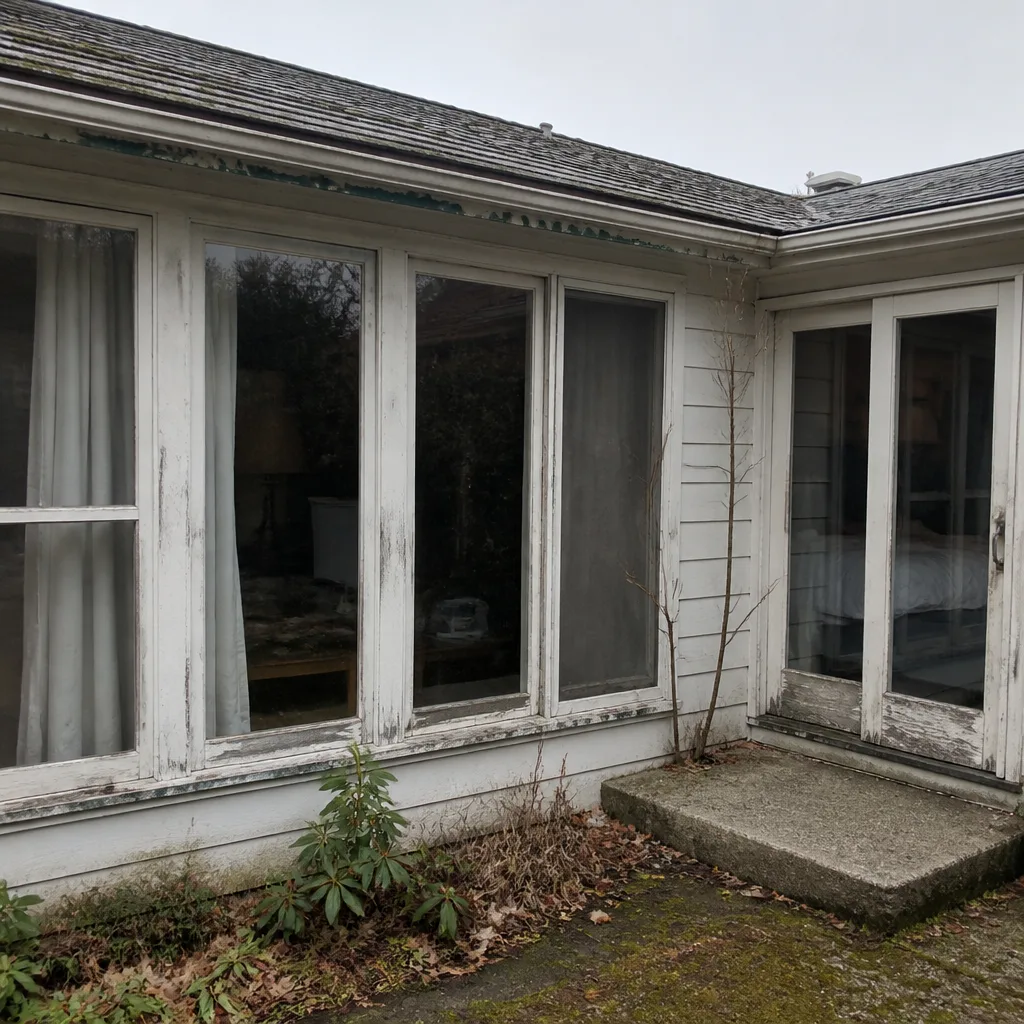 Before
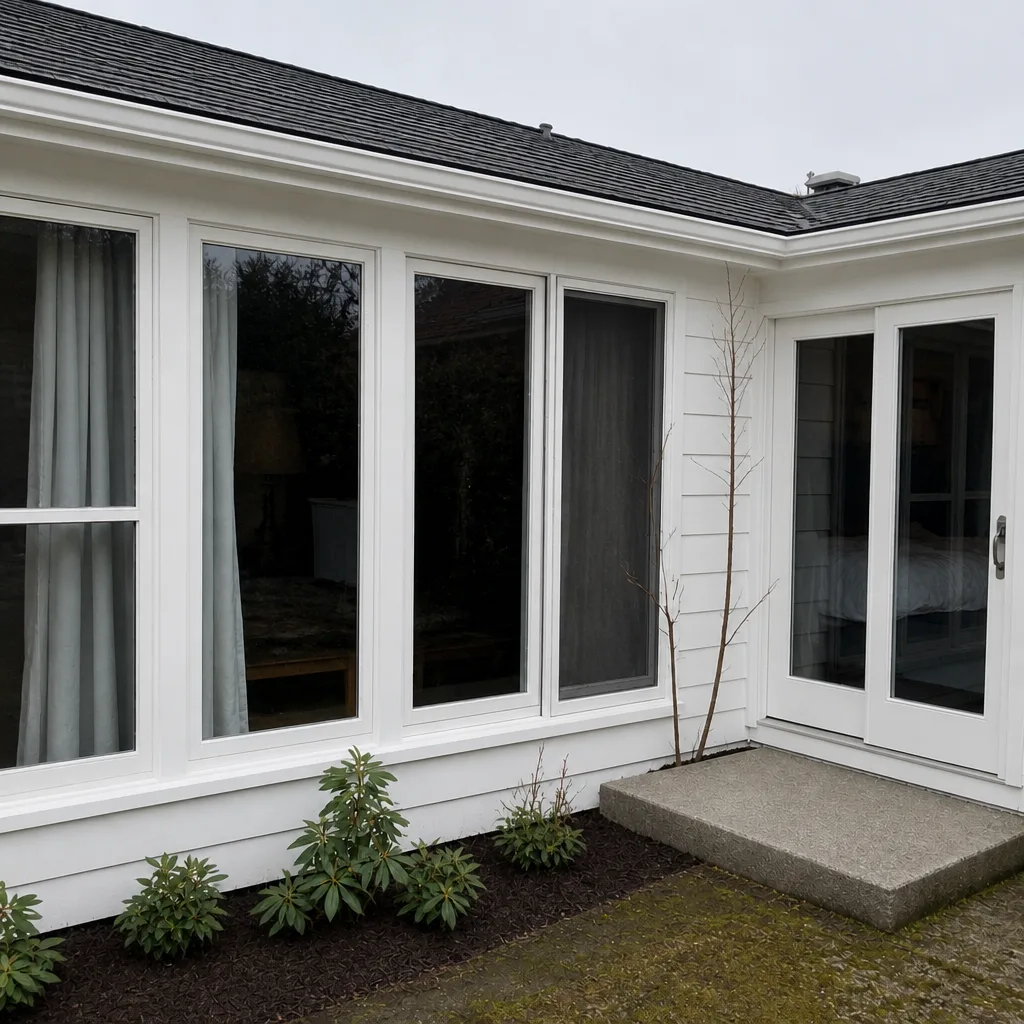 After
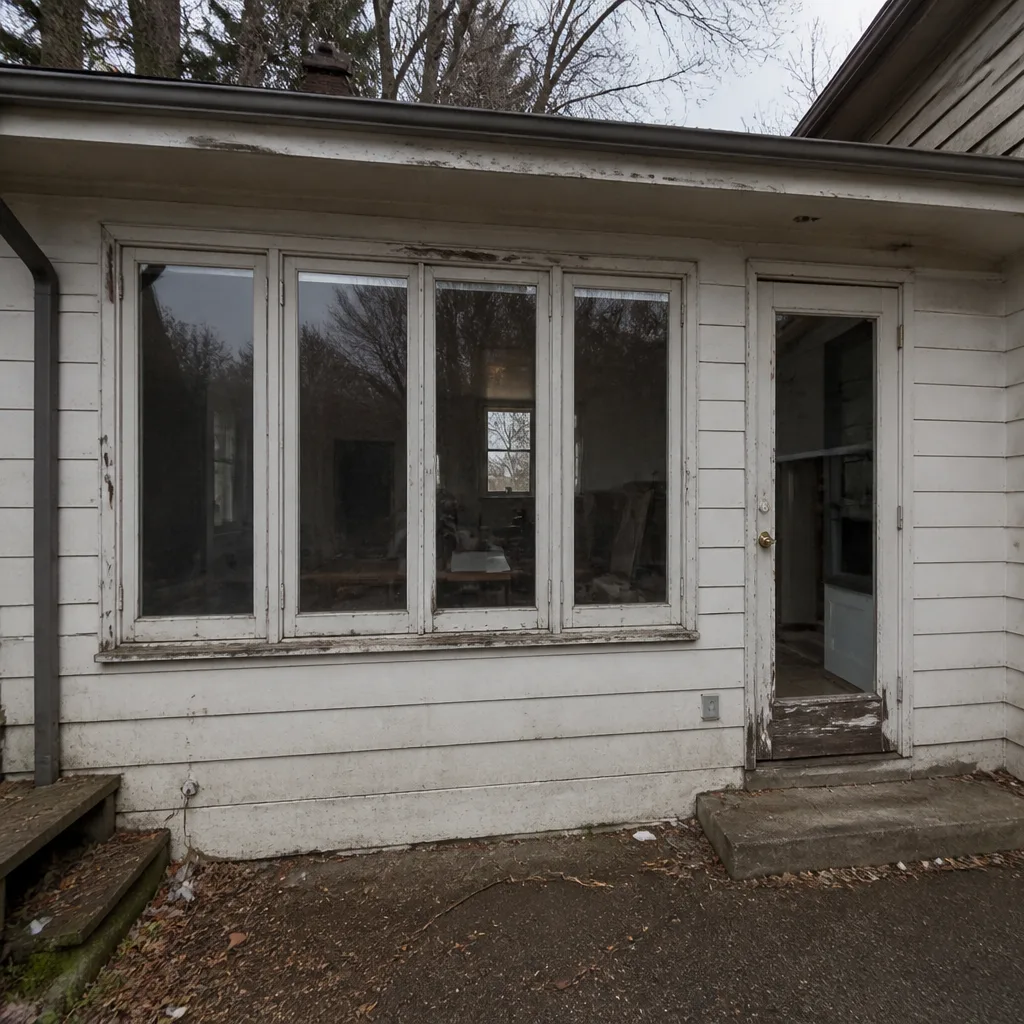 Before
 After
 Before
 After
When to Call a Professional
Call a professional when a finding lands in the urgent column: a door that binds at the top corner, a gap that keeps widening, daylight visible around a closed exterior door, drywall cracking around an opening, water staining on interior drywall below a sill, or visible rot at a sill or threshold. Those signs can involve framing and structural conditions that need an on-site look, and they should not be shelved as cosmetic. Also call when a cluster of schedule-grade findings shows up on units installed at the same time; that pattern usually points at a replacement scope rather than one-off issues. Our technicians have up to 10 years of experience reading these conditions, and we can walk the openings with you and give you a straight read on which findings warrant attention now and which can be watched. Window Replacement Bellevue offers free estimates in Bellevue. Call (425) 699-3164 to schedule yours.
Frequently Asked Questions
Wipe the hazy area with a fingertip or tissue. If the glass clears where you wiped, it’s surface condensation, which is a humidity matter, not a window failure. If the haze is trapped between the panes and stays put, the IGU seal has failed and the unit needs replacement. Call (425) 699-3164 for a free evaluation if you’re unsure.
A door that sticks only in wet weather is most often swelling from moisture at the door bottom or an accumulating film in the track. A door that sticks year-round, or that binds in the same spot every time, points at frame deflection or an out-of-square opening. Cleaning the track first tells you whether it’s the door or the frame; if the binding returns, schedule an evaluation.
Yes, even though the stain itself is cosmetic. A rust stain that returns after you clean it means water is pooling at the sill, and water that pools at the sill can work its way under the threshold and into the floor structure. Treat threshold rust staining as a schedule-grade finding and bring it up at your next estimate.
Bellevue’s wet winters raise interior humidity for long stretches, which makes healthy windows sweat more than they would in a drier climate. That doesn’t make the windows fail faster, but it does make it harder to tell surface condensation from IGU failure at a glance. The wipe test resolves it in about two minutes.
No, but check the rest. Windows installed at the same time tend to fail around the same time, so a single IGU failure is worth inspecting the neighbors of that unit. Replacement can still be done in phases if the rest are holding up. Call (425) 699-3164 to discuss a phased scope with a free estimate.
Cluster findings on units installed together, water intrusion showing up at more than one opening, doors that bind and need adjustment repeatedly, and finish failure that returns within one season of repainting all point at replacement. Isolated, non-progressive signs can be monitored. Call (425) 699-3164 for an on-site read if you’re torn, and the estimate is free.
The Bottom Line
The warning signs that predict window and door failure in a Bellevue home show up months before the unit visibly breaks, and most of them are easy to mistake for ordinary wear. Surface condensation and IGU failure look almost identical until you wipe the glass. Paint peeling in a vertical stripe is a flashing story, not a paint story. A binding door or a widening gap is a structural signal, not a hinge problem. Threshold rust and door-bottom swelling point at water pooling where it shouldn’t. Sort every finding into monitor, schedule, or urgent, do a fixed seasonal walkthrough in wet and dry conditions, and know when to bring in a professional. That’s how you replace on your schedule instead of the weather’s.
When a cluster of findings points to new window replacement or a door scope, we can walk the openings with you, talk through product options across our brand portfolio, and put everything under one written estimate. Our professionals are state-licensed and insured, estimates are free, and the written quote sets the final price with no change orders.
Call (425) 699-3164 to schedule your free estimate with Window Replacement Bellevue. We handle windows and doors under one contract, from Bellevue homes near Crossroads and Lake Hills to newer builds around the Spring District.
Written by the team at Window Replacement Bellevue.